
Overview
Killester House once dominated the landscape of the small Dublin suburb of Killester, a residential area on the city’s north‑side just five kilometres from the centre. The house was the focal point of a civil parish that dates back to medieval times, and its name – “Killester” – likely derives from the Irish Cill Easra, meaning “Church of (St) Stra”. While the house itself no longer stands, the site remains a point of interest for history enthusiasts who wish to understand the evolution of Dublin’s suburban aristocracy and the post‑World‑War‑I housing experiment that reshaped the area.
History
The original manor of Killester was granted to Adrian le Brun in the twelfth century. By the seventeenth century the estate had passed to the White family and then to the St Lawrence family, Barons and later Earls of Howth. It was at this time that Killester House was constructed for Chidley Coote, a member of the prominent Coote family, who were influential landowners in Leinster. Architectural historians tentatively attribute the design to Thomas Burgh, the celebrated architect behind Dublin’s Trinity College Library.
Around 1778 the house entered a new phase when Sir William Gleadowe‑Newcomen, 1st Baronet, leased it from Lord Howth and began a Georgian‑style reconstruction. The refurbishment added the elegant proportions and decorative details typical of the period, turning the house into a showcase of late‑eighteenth‑century taste. The property later passed to his son, Thomas Gleadowe‑Newcomen, 2nd Viscount Newcomen, whose financial collapse after the failure of Newcomen Bank led to his tragic suicide in 1825.
By the 1830s Killester was a modest village of about 110 residents, with several large houses – the principal one being Killester House, alongside Maryville, Woodville, Hollybrook House and Killester Lodge. The house survived into the twentieth century, but a devastating fire in 1919 reduced it to ruins. Dublin Corporation subsequently demolished the remaining structure, salvaging many interior and exterior elements. Notably, the granite gate pillars were relocated to Howth Castle, where they now form the rear entrance on Carrickbrack Road to Old Castle Avenue.
What to See & Do
Although the house itself cannot be visited, the legacy of Killester House is still tangible in the area:
- Howth Castle Gate Pillars – The massive granite pillars that once framed the entrance to Killester House now stand at Howth Castle. A short walk from the village centre, they provide a concrete link to the house’s former grandeur. Visitors can photograph the pillars and enjoy the surrounding historic estate grounds.
- Killester Garden Village – The suburb’s most distinctive feature is the Killester Garden Village, Ireland’s largest World War I ex‑servicemen housing estate. Built between 1920 and 1923 under the Irish Sailors’ and Soldiers’ Land Trust, the estate follows the Garden City concept with low‑density bungalows, generous front and back gardens, and communal green spaces. The layout reflects the social ambition of the era: to give returning veterans a peaceful, nature‑rich environment to aid their transition to civilian life.
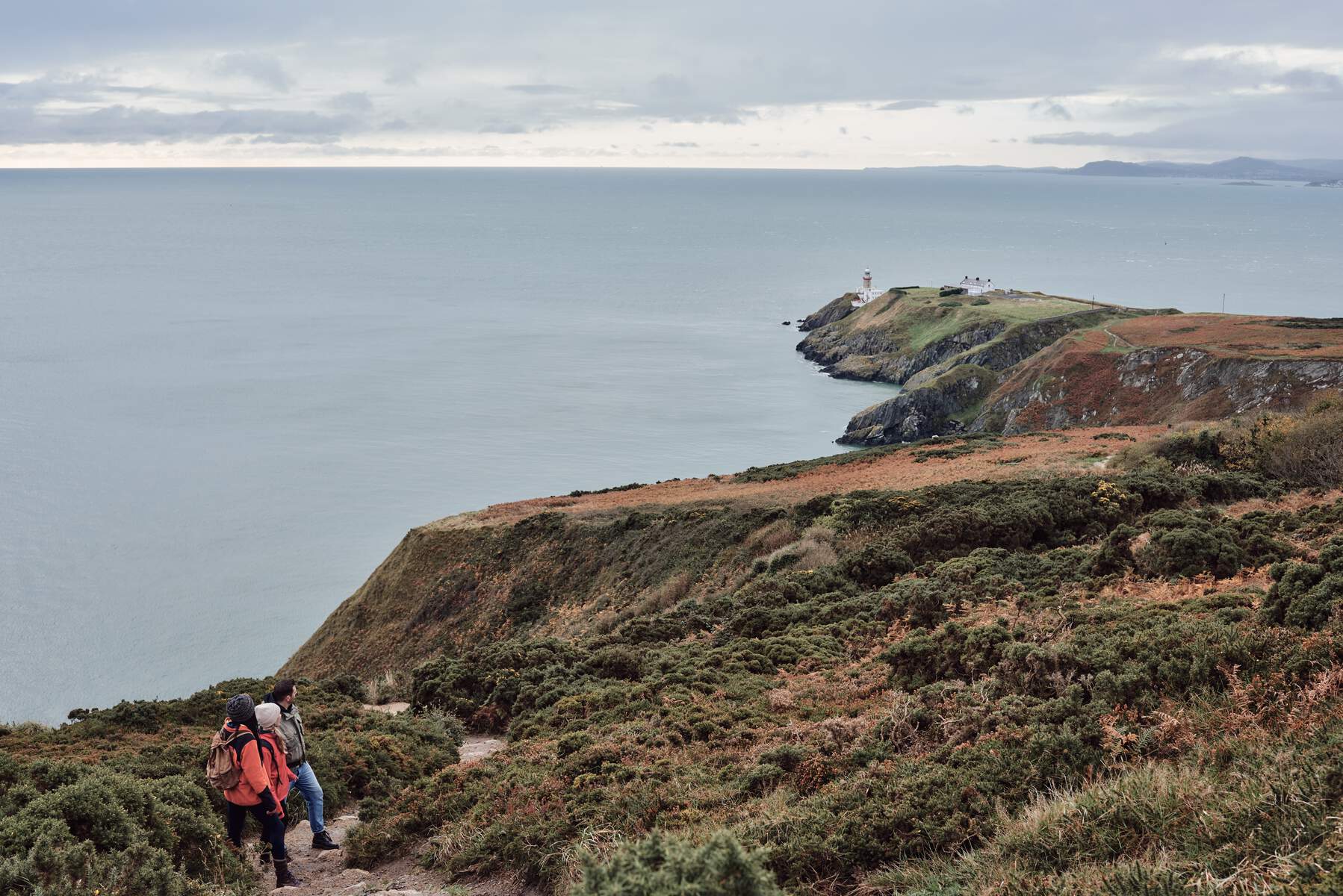
- St. Anne’s Park and Coastal Walks – Just beyond the suburb, St. Anne’s Park offers expansive lawns, woodland trails and views of Dublin Bay. From the park’s southern edge you can access the Howth Head coastal walk, a spectacular route that showcases cliffs, sea arches and panoramic vistas of the Irish Sea.
- Local Heritage Sites – The ruins of an early church and convent, still visible in the suburb, hint at Killester’s medieval ecclesiastical roots. Nearby St. Brigid’s Church (consecrated in 1926) houses a reputed relic of St Brigid, adding a spiritual dimension to the area’s history.
Getting There
| Mode | Details |
|---|---|
| DART | Killester DART station (opened 1923) offers frequent services to Dublin‑Pearse and Dublin‑Connolly. From the station, it is a 15‑minute walk north along Howth Road to the Howth Castle gate pillars. |
| Bus | Routes H1, H2, H3 and 42A serve Killester, stopping within a few minutes’ walk of both the garden village and the gate pillars. |
| Car | Limited on‑street parking is available on Howth Road; a small public car park exists near the Howth Castle entrance (verify current availability). Traffic can be heavy during peak commuting hours. |
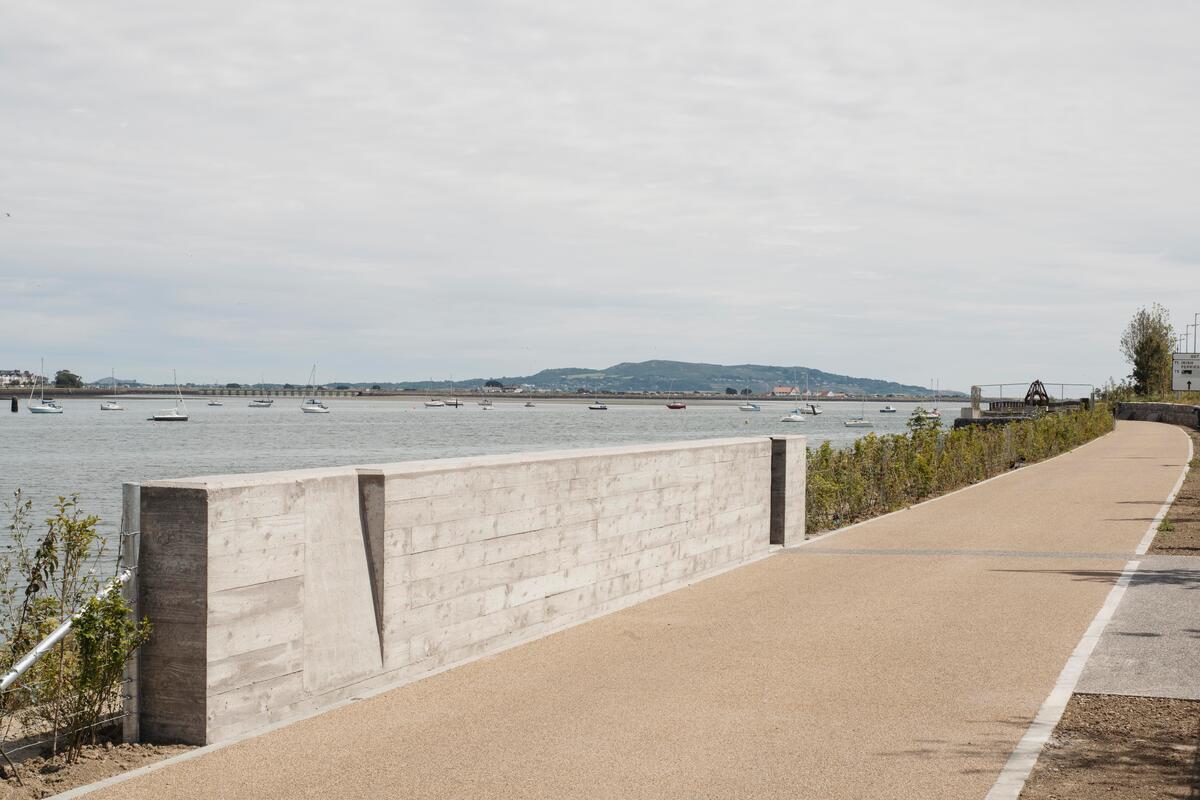
| Bike | The Dublin Port Greenway and local cycle routes connect Killester to the coastal promenade and to the wider Dublin network. |
Practical Information
| Item | Details |
|---|---|
| Nearest public transport | Killester DART station; bus routes H1, H2, H3, 42A |
| How to reach the gate pillars | Walk north from the DART station along Howth Road (≈15 min) to the rear façade of Howth Castle where the granite pillars stand. |
| Accessibility | DART station is step‑free. Garden‑village streets are level, but some historic bungalows have narrow doorways that may challenge wheelchair users. |
| Admission | No fee to view the exterior gate pillars or to walk through the garden village. Howth Castle grounds may charge a modest fee during special events (verify). |
| Opening hours | Gate pillars are visible at all times as part of the public exterior of Howth Castle. The garden village is residential and has no formal opening hours. |
| Parking | Street parking on Howth Road is limited; a small car park near Howth Castle entrance is available (check current status). |
| Nearby amenities | Shopping plaza on Howth Road (supermarket, pharmacy, cafés, pizza restaurant). St. Brigid’s National School and Killester College of Further Education are within walking distance. |
Nearby Attractions
Killester’s location makes it an ideal base for exploring other north‑side sites:
- Ardgillan Castle – History, Gardens & Family Fun Near Dublin – A short bus ride north brings you to the 18th‑century castle and its extensive coastal gardens.
- Aideen’s Grave – The Legendary Dolmen of Howth – A short walk from Howth Head, this ancient dolmen offers a glimpse into pre‑historic Ireland.
- Black Linn Loop – Howth Cliff Walk – A scenic coastal trail that starts near the gate pillars and provides dramatic sea views.
Visiting Tips Specific to Killester House
- Plan a combined itinerary – Because the house itself no longer exists, most visitors pair a stop at the Howth Castle gate pillars with a walk through the Garden Village and a coastal stroll on Howth Head. This creates a full‑day experience that blends architectural history, social‑housing heritage and natural scenery.
- Check for community events – The Killester Garden Village frequently hosts heritage open days and the Centenary Community Day (held in August 2023) which featured music, historical displays and a launch of a local history book. Such events provide deeper insight into the veterans’ stories and often include guided tours of the estate.
- Photography – The granite pillars are a striking subject for early‑morning light, while the garden‑village’s tree‑lined avenues offer excellent opportunities for landscape photography.
- Parking – If you’re driving, aim to arrive early to secure a street space on Howth Road or use the Howth Castle car park where available.
Closing Thoughts
Killester House may have vanished in a blaze a century ago, but its imprint on Dublin’s north‑side remains vivid. From the surviving gate pillars at Howth Castle to the pioneering Garden Village that still houses descendants of World War I veterans, the area offers a layered narrative of aristocratic ambition, wartime sacrifice and progressive urban planning. Whether you are a history buff, an architecture enthusiast, or simply a traveller seeking a quieter slice of Dublin’s past, a visit to Killester provides a rewarding glimpse into the city’s hidden heritage.