
Overview
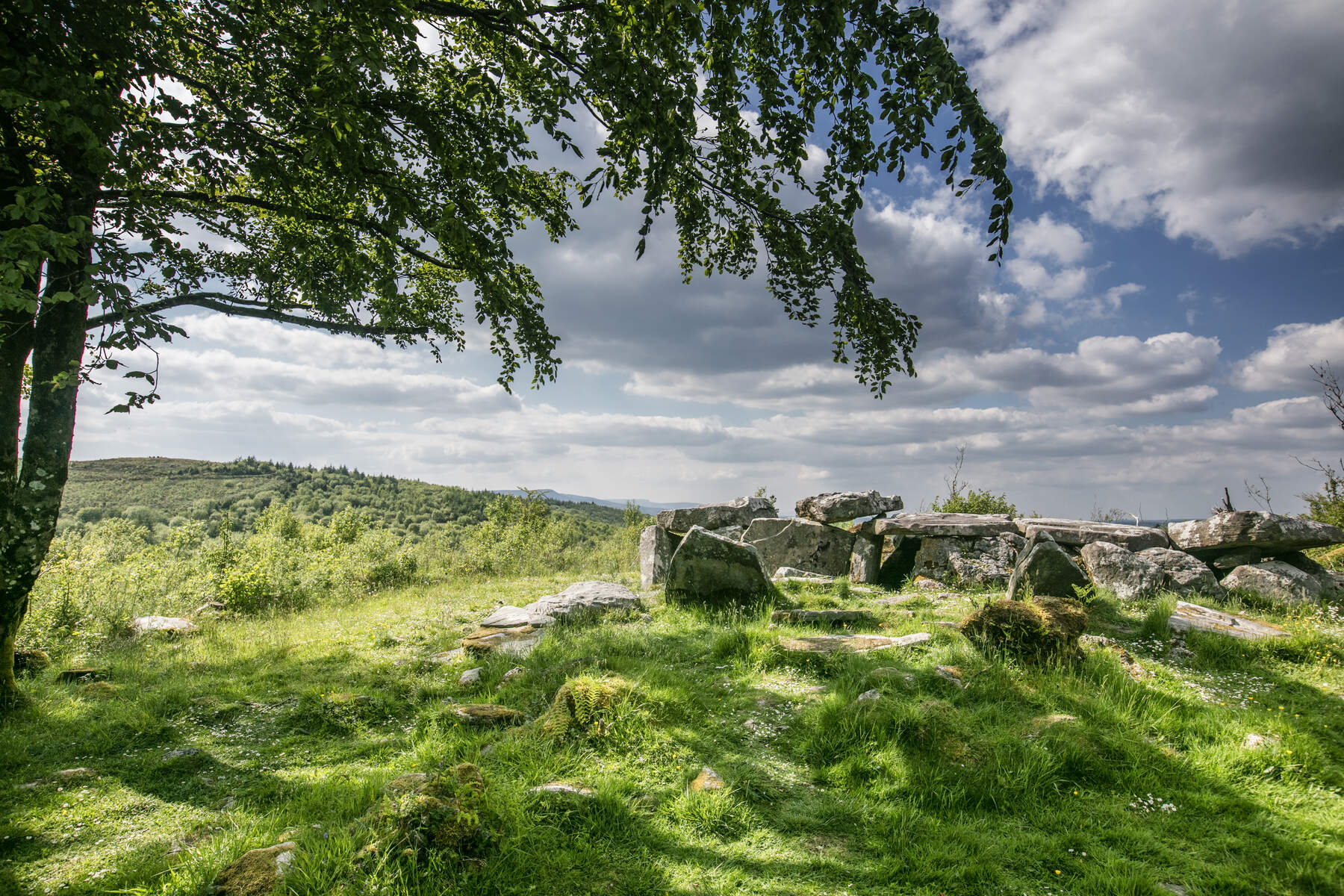
Killinkere lies in the heart of Ulster, about 81 km (50 mi) north‑west of Dublin, sandwiched between the towns of Bailieborough and the surrounding countryside of County Cavan. Though small, the parish is a microcosm of Cavan’s rural charm: rolling fields, a network of historic townlands, and a community centred around its churches and a lively visitor farm. The name appears on 19th‑century Ordnance Survey maps, and the area still retains the quiet, agricultural character that defined it for centuries.
History
The civil parish of Killinkere straddles the baronies of Castlerahan and Upper Loughtee. In the mid‑1800s it comprised 49 townlands, each with its own story of settlement and land use. For poor‑law purposes the civil parish was later replaced by district electoral divisions, but the historic boundaries remain a useful guide for walkers and genealogists.
Religious life has long shaped the community. During the penal era there was no Roman Catholic place of worship, but the 19th century saw a resurgence of both Anglican and Catholic building projects, reflecting the easing of restrictions and a growing population.
Churches
Killinkere Parish Church (Church of Ireland)
Built in 1817, Killinkere Parish Church in Beagh Glebe is the oldest of the four churches that now form the Virginia Group of Parishes in the Diocese of Kilmore, Elphin and Ardagh. Its simple, rectangular nave and modest bell tower exemplify early‑19th‑century Anglican architecture in rural Ireland. The church remains active, sharing clergy with Lurgan (Virginia), Munterconnaught and Billis since their amalgamation in 1972.
St Ultan’s Church (Roman Catholic)
St Ultan’s, situated in Corratinner, traces its roots to a monastic settlement that existed from the 14th to the 16th century in the townland of Gallon. After the original site was abandoned between 1590 and 1641, the Catholic community worshipped in a mud‑thatched hut from 1790 until a permanent stone church was completed on Christmas Day 1829. Subsequent interior renovations in the 1920s, 1960s and 1990s have kept the building functional while preserving its historic fabric.
St Mary’s Church (Roman Catholic)
St Mary’s, located in Clanaphilip, Termon, has a more fragmented history. First recorded as a ruin in 1690, the site saw successive rebuilds: a mud‑wall church at Termon Cross in 1785, a thatched structure in 1810, and a barn‑type edifice in 1870. The present church began construction in 1973 and opened in 1974, incorporating the 1810 date‑stone, the original bell, and the baptismal font from earlier buildings. A major re‑roofing and renovation took place in 1992.
Killinkere Visitor & Pet Farm
A short drive from the village centre, Killinkere Visitor Farm offers a hands‑on farm experience that goes beyond the usual cows and sheep. The working farm houses around 20 species not typically found on Irish farms, including deer, llamas, miniature horses, guinea pigs and a variety of birds and fowl. Families can roam the grounds, feed the animals and learn about sustainable farming practices.
The farm also provides a modest café serving scones, tea and coffee, making it easy to linger over a snack after a morning of animal‑hand‑feeding. Facilities include a covered play area for children, picnic tables and dedicated spaces for birthday parties or school groups. The farm operates seasonally, generally opening from late March to early October; exact opening times vary, so checking ahead (via phone or the farm’s website, if available) is advisable.
Walking & Cycling
The surrounding townlands—such as Assan, Beagh Glebe, Billis and Lismagiril—offer quiet lanes ideal for leisurely walks, bird‑watching or cycling. Parts of the Cavan Way, a long‑distance trail that traverses the county, pass close to Killinkere, providing an option for longer hikes. Sign‑posted routes lead to scenic viewpoints over the rolling drumlin landscape and to historic field boundaries that hint at the parish’s agricultural past.
Practical Information
- Access: The R154 links Virginia and Bailieborough and passes through Killinkere. The route is well‑signed and suitable for cars and bicycles.
- Parking: Free parking is available at the Visitor Farm and at the churchyards. There is also a lay‑by on the R154 for short drop‑offs.
- Public transport: Bus services run through nearby Virginia and Bailieborough; a short taxi ride completes the journey to Killinkere. No direct bus serves the village itself.
- Facilities: Restrooms are available at the Visitor Farm café. The churches have basic washrooms for congregants.
- Seasonality: The Visitor Farm is open primarily during the warmer months (spring to early autumn). The churches are open for worship on Sundays and may host community events on other days.
Nearby Attractions
- Cavan Burren Park – A short drive north brings you to the Cavan Burren, a limestone landscape dotted with dolmens and wedge‑tombs. Ideal for a half‑day walk. (Cavan Burren Park)
- Castle Lake & Bailieborough Castle – Walk around the tranquil lake and explore the ruins of Bailieborough Castle, a pleasant spot for picnics and photography. (Bailieborough Castle)
- The Shannon Pot – The source of the River Shannon lies a few kilometres west of Killinkere, offering a unique natural attraction. (The Shannon Pot)
Notable People
Killinkere holds a transatlantic connection: the parents of U.S. Civil War General Philip Sheridan originated from the parish. This link adds a layer of historical intrigue for visitors tracing genealogical roots or military history.
Townlands Snapshot
The parish’s 49 townlands each contribute to its patchwork character. While a full list would be exhaustive, some of the more frequently referenced names include:
- Assan
- Beagh Glebe
- Billis
- Carrickgorman
- Drumfomina
- Gallon
- Lismagiril
- Termon
- Togher
These names appear on historic maps and are still used in local addresses and land records.
Getting There
By car, the most straightforward route from Dublin is via the M3 and N3, then onto the R154. Public transport options are limited; the nearest bus services run through Bailieborough, with a short taxi ride completing the journey to Killinkere.
Summary of What to See & Do
- Explore historic churches – admire the 1817 Killinkere Parish Church, attend a service at St Ultan’s, and view the preserved artefacts in St Mary’s.
- Visit the pet farm – interact with a diverse range of animals, enjoy a café break, and consider booking a birthday party or school group visit.
- Walk the townlands – follow quiet country lanes for photography, bird‑watching or simply to soak in the Ulster countryside.
- Trace family history – use the parish’s civil and ecclesiastical records for genealogical research, especially if you have links to the Sheridan family.
- Explore nearby sites – add a visit to Cavan Burren Park, Castle Lake or the Shannon Pot for a fuller day out in County Cavan.
Killinkere may not appear on every tourist itinerary, but its blend of heritage, farm‑yard fun and tranquil scenery makes it a rewarding detour for anyone exploring County Cavan.