
Overview
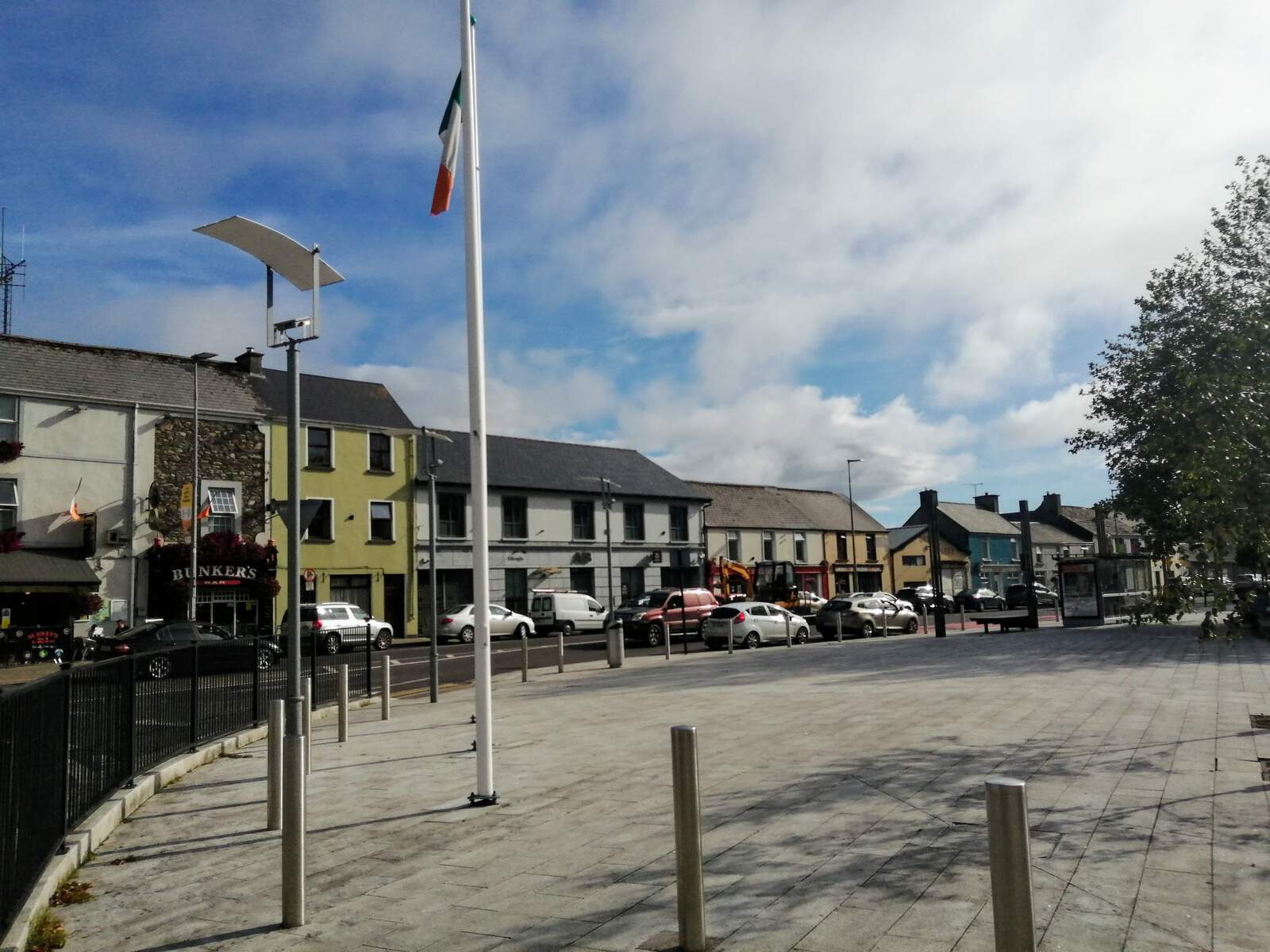
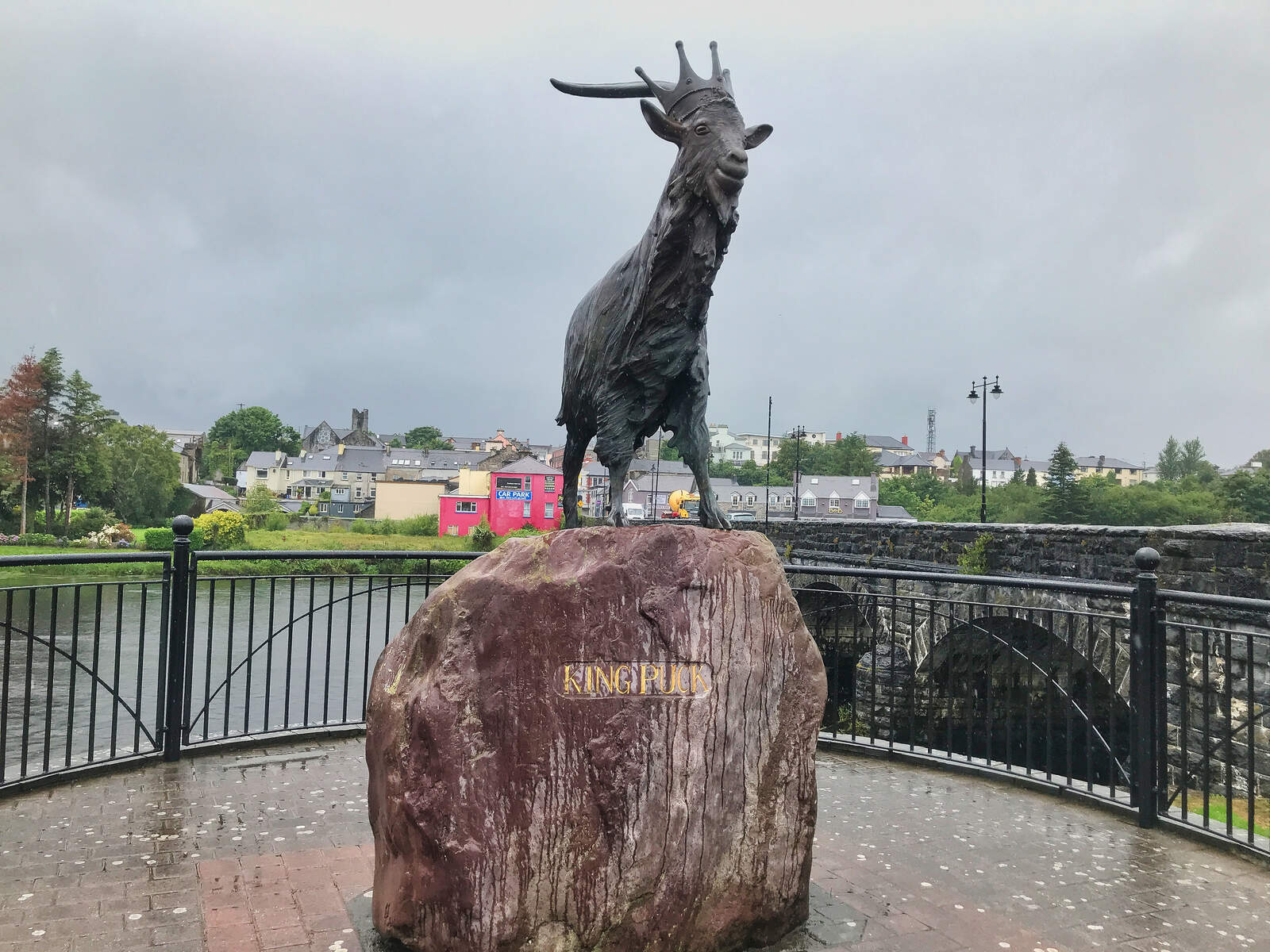
Killorglin (Irish: Cill Orglan) is a lively market town of just over 2 000 residents in south‑west Kerry. Perched on the banks of the salmon‑rich River Laune, it lies 26 km south of Tralee and 22 km west of Killarney, straddling both the Ring of Kerry and the Wild Atlantic Way. The town’s compact centre is dotted with colourful low‑rise buildings, a bustling main street, and a series of bridges that span the river – the most iconic being the bronze King Puck statue that greets visitors near the bridge.
History
The earliest signs of human activity around Killorglin are Late Neolithic/Early Bronze Age rock carvings, part of a wider Atlantic tradition that also appears on the nearby Dingle Peninsula. Medieval history is marked by the ruins of Killorglin Castle (later Castle Conway), erected in the early 13th century by Maurice FitzGerald. The FitzGeralds held the land until the Munster Plantation of 1587, when the estate passed to Captain Jenkin Conway.
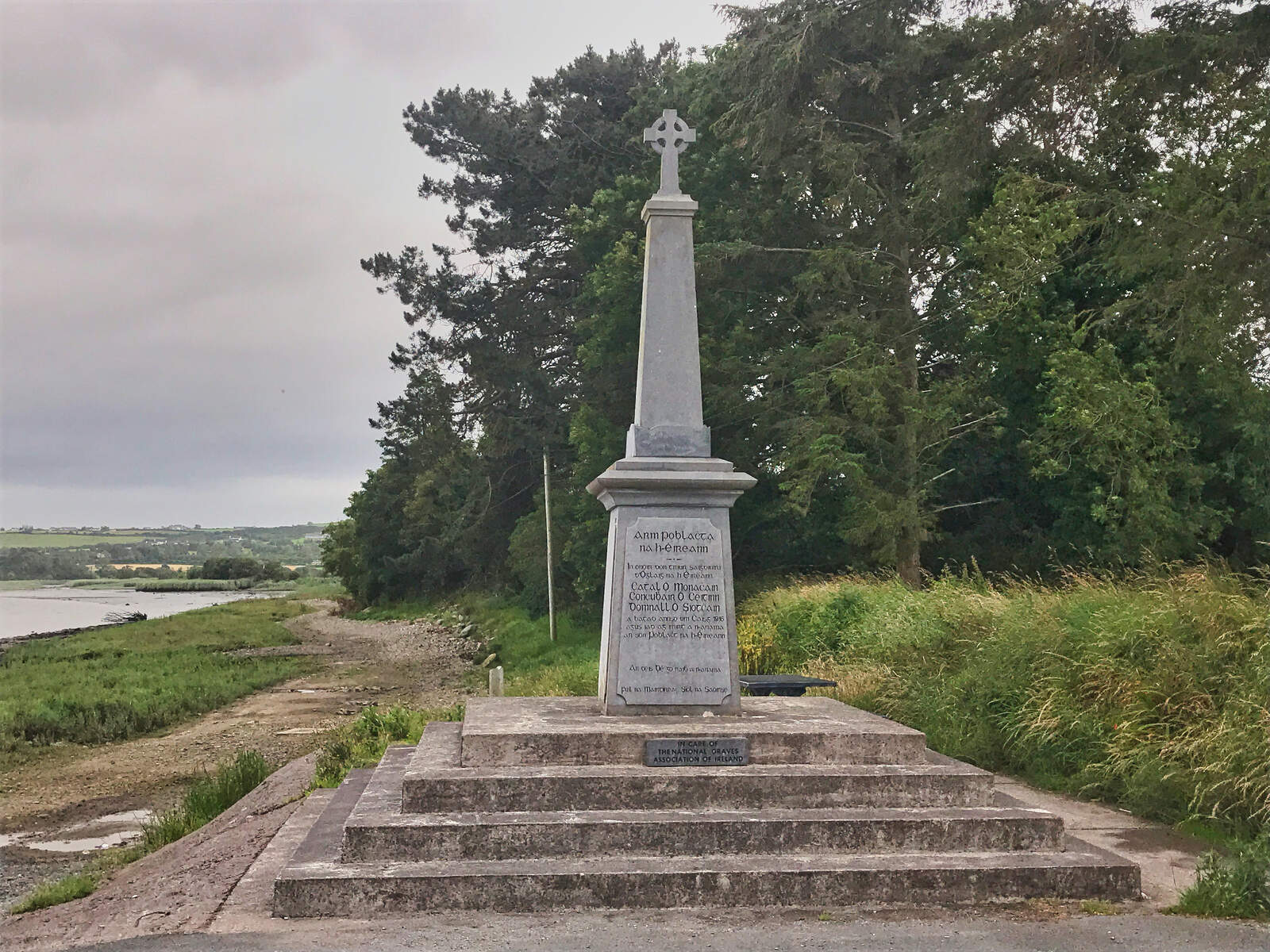
In the 19th century the town’s layout took its present form: the Roman Catholic St James Church (1891) and the Church of Ireland (original 1816, remodelled 1868) dominate the skyline, while the Metal Bridge – a former railway viaduct built in 1885 – remains a local landmark. The Ballykissane Pier memorial commemorates the tragic 1916 Easter Rising incident when three Irish Volunteers drowned after their car plunged off the quay.
What to See & Do
| Attraction | Type | Details |
|---|---|---|
| King Puck Statue | Public art | Bronze goat by Alan Ryan Hall, standing by the River Laune bridge. |
| Puck Fair (10‑12 August) | Festival | Crowning of a wild goat, parades, horse and cattle fairs, live music. |
| Digital Heritage Trail | Self‑guided walk | Over 20 QR‑coded plaques linking to the Killorglin Archives Society website. |
| Easter Rising Memorial | Sculpture | Deep‑relief bronze wall on New Line Rd, commemorating the 1916 casualties. |
| Grilse Gallery | Art gallery | Contemporary prints & drawings, free entry, open Wed‑Sun 12 pm‑5 pm. |
| Killorglin Castle Ruins | Historic ruin | Remains of a 13th‑century castle near the town centre. |
| St James Catholic Church | Religious | Neo‑Gothic building (1888‑91) with an unfinished spire. |
| Church of Ireland (1816) | Religious | Redeveloped 1868, sits opposite the market square. |
| Ballykissane Pier | Memorial | Marks the 1916 car‑plunge tragedy; good spot for river walks. |
| Cromane Beach | Beach | Pebble beach with mountain backdrop, ideal for families. |
| Rossbeigh Beach | Blue Flag beach | 5 km sand spit, surf and water‑sports facilities. |
| Inch Strand | Scenic strand | Filming location for Ryan’s Daughter, excellent for wind‑surfing. |
| Dooks Golf Club | Golf | 18‑hole links course, 6 467 yd, par 72. |
| Killorglin Golf Club | Golf | 6 467 yd, par 72, 1 km north of town. |
| Kerry Bog Village Museum | Outdoor museum | Re‑creation of a 19th‑century peat‑cutting settlement (free parking). |
| Reeks District Visitor Centre | Information hub | Open Mon‑Fri 10 am‑4 pm, maps, guided‑walk advice. |
| Cappanlea Outdoor Activity Centre | Adventure | Water‑based and land‑based courses at Lough Caragh. |
| Biddy’s Day (1 Feb) | Intangible heritage | Costumed groups carry a Brídeóg effigy, ending in a torchlit procession. |
| Local pubs | Nightlife | JD Falvey’s, O’Shea’s, Sheahan’s, Paud O’Neill’s, Bunker’s Bar. |
| Restaurants | Food | Kingdom 1795, Sethu Curry House, Bunkers Bar & Restaurant, 10 Bridge Street (tapas in a former church). |
Nearby Natural Highlights
- MacGillycuddy Reeks – Ireland’s highest mountain range, with Carrauntoohil visible from Lough Caragh.
- Lough Caragh – Scenic lake ideal for fishing, kayaking and walking the Kerry Way.
- Gap of Dunloe, Ladies View, Moll’s Gap – All within a 30‑minute drive, perfect for day‑trips.
Practical Information
Getting Here
- By air: Kerry Airport (KIR) is roughly midway between Tralee and Killarney, about 45 km from Killorglin.
- By rail: Trains run Dublin‑Heuston → Mallow → Killarney/Tralee; the nearest stations are Killarney and Tralee.
- By bus: Bus Éireann route 279 (Tralee → Killorglin, 35 min) and 279A (Killarney → Killorglin, 30 min) operate 4‑5 times daily.
- By car: The N70 and N72 connect Killorglin to the Ring of Kerry; car‑hire companies listed on the town website include Irish Car Rentals, CarHire.ie, Europcar and Hertz.
Visitor Centre
- Reeks District Visitor Centre – North end of town on Sunhill Rd. Open Mon‑Fri 10 am‑4 pm. No entry charge.
| Service | Hours |
|---|---|
| Visitor Centre | Mon‑Fri 10:00‑16:00 |
| Grilse Gallery | Wed‑Sun 12:00‑17:00 (free) |
Parking & Accessibility
- Ample free car parking is available throughout the town centre, including a designated E‑car charge point on Market Street (link: https://esb.ie/ecars/charge-point-map).
- Most main streets are wheelchair‑friendly; the River Laune promenade and the Metal Bridge have level access.
- The Kerry Bog Village Museum offers spacious parking and wheelchair‑accessible pathways.
Accommodation Highlights (selected)
- Ard na Sidhe Country House – 4‑star manor on Caragh Lake, 1 km north of town.
- River’s Edge B&B – Riverside rooms with balcony views of salmon jumps.
- Aloha House – Holistic guesthouse with yoga studio and garden.
- Seabreak – Self‑catering cottage near Dooks Golf Club and the beach.
When to Visit
- Puck Fair (10‑12 August) is the peak festival period; accommodation books quickly.
- Biddy’s Day (1 February) offers a unique cultural experience for early‑year travellers.
- Summer months provide the best beach conditions, while spring and autumn are ideal for hiking the Reeks.
Useful Contacts
- Town website: https://killorglin.ie
- Reeks District Visitor Centre: phone +353 87 604 7559 (also listed on the Grilse Gallery page).
- Tourist information: available at the visitor centre during opening hours.
Killorglin blends ancient history, vibrant festivals and spectacular natural scenery, making it a must‑stop on any Kerry itinerary. Whether you’re chasing the legendary King Puck, tracing prehistoric rock art, or simply soaking up the views of the River Laune, the town offers a warm welcome and a gateway to the wild beauty of the Irish west.