
Overview
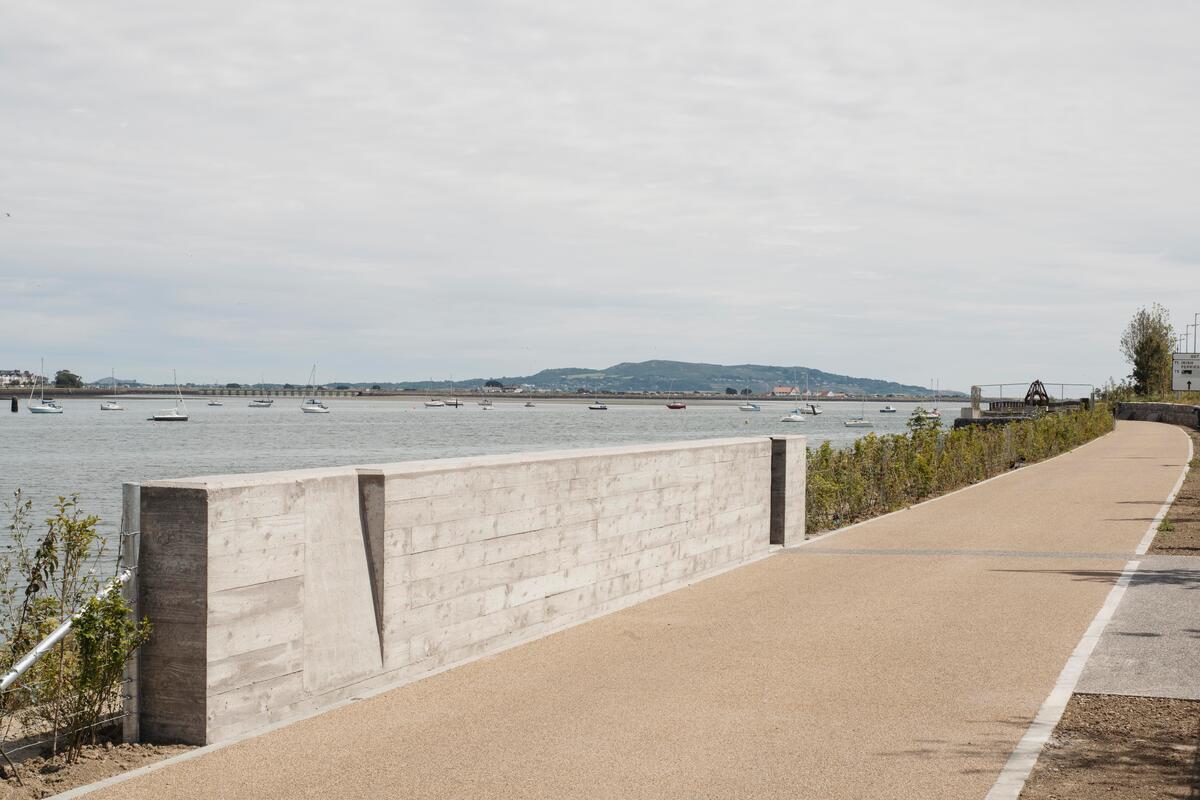
Kilmainham sits just south of the River Liffey, straddling Dublin 8 and Dublin 10. Once a monastic settlement founded by 606 AD, the neighbourhood grew around the confluence of the Liffey and the River Camac. Today it is a compact urban quarter where medieval stone walls, Georgian streets and modern cultural venues coexist. Its name – Cill Maighneann – means “St Maighneann’s church”, a reminder of the early Christian community that first put a roof over the area.
History
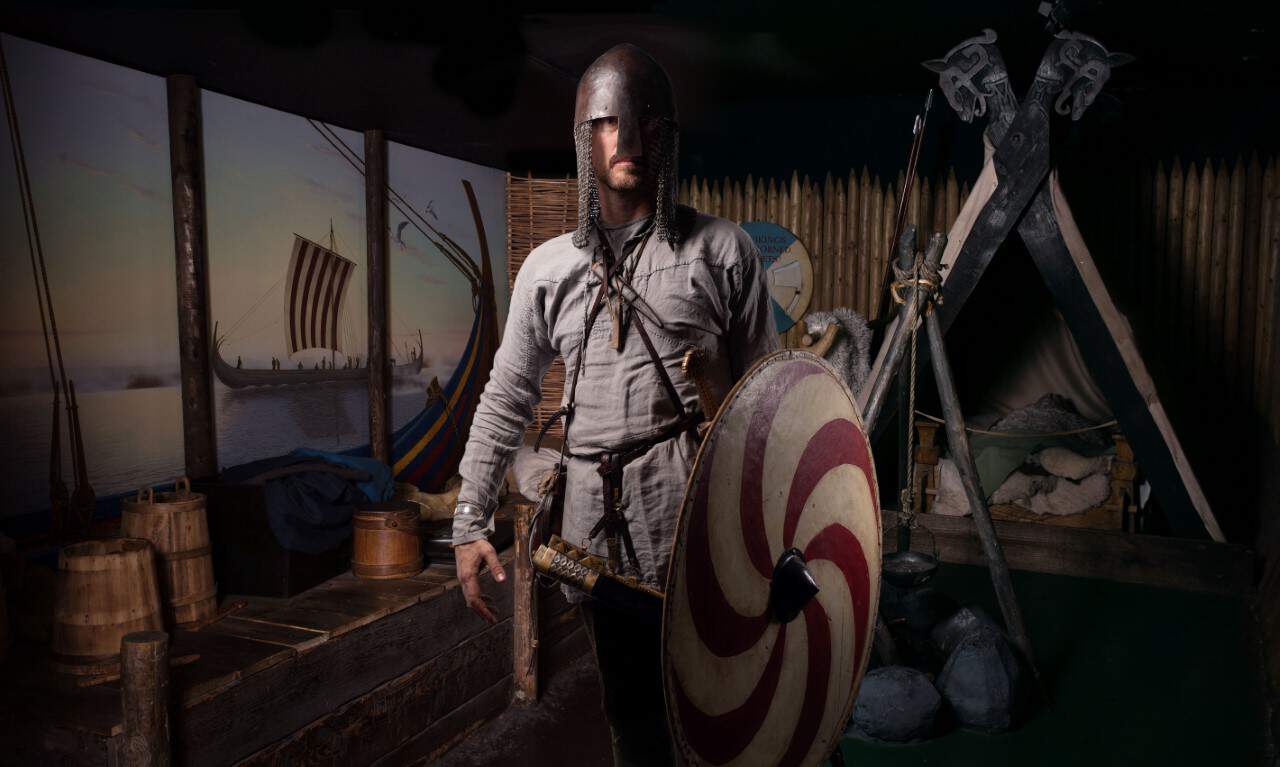
The early history of Kilmainham is dominated by its monastic origins. The Cell Maignenn monastery was a prominent ecclesiastical site by the late 8th century, and Viking activity left a lasting imprint: excavations have uncovered the largest known Viking cemetery outside Scandinavia, with dozens of 9th‑century graves and grave‑goods. The Battle of Islandbridge (919) and later Norman grants to the Knights Hospitaller cemented Kilmainham’s strategic importance.
In the 16th century the manor of Kilmainham became a semi‑autonomous liberty, hosting the Lord Lieutenant’s court until Dublin Castle took over in 1559. The area remained a distinct township (New Kilmainham) until its incorporation into the city in 1900.
The most famous chapter began in 1796 when the new county gaol opened. Over the next 130 years the prison housed rebels from the 1798 rebellion through the 1916 Easter Rising, culminating in the execution of fifteen leaders in the Stonebreakers’ Yard. The gaol closed in 1924, lay empty for decades, and was finally restored as a museum in 1966.
Adjacent to the gaol, the Royal Hospital Kilmainham was erected in 1680 as a retirement home for army pensioners, modelled on Paris’s Les Invalides. After a period of military use, it became the home of the Irish Museum of Modern Art (IMMA) in 1991, offering a striking blend of 17th‑century architecture and contemporary art.
What to See & Do
| Attraction | Highlights |
|---|---|
| Kilmainham Gaol Museum | Guided audio‑visual tour of the West and East Wings, the Stonebreakers’ Yard, the Catholic chapel where Joseph Plunkett married Grace Gifford, and rotating exhibitions. |
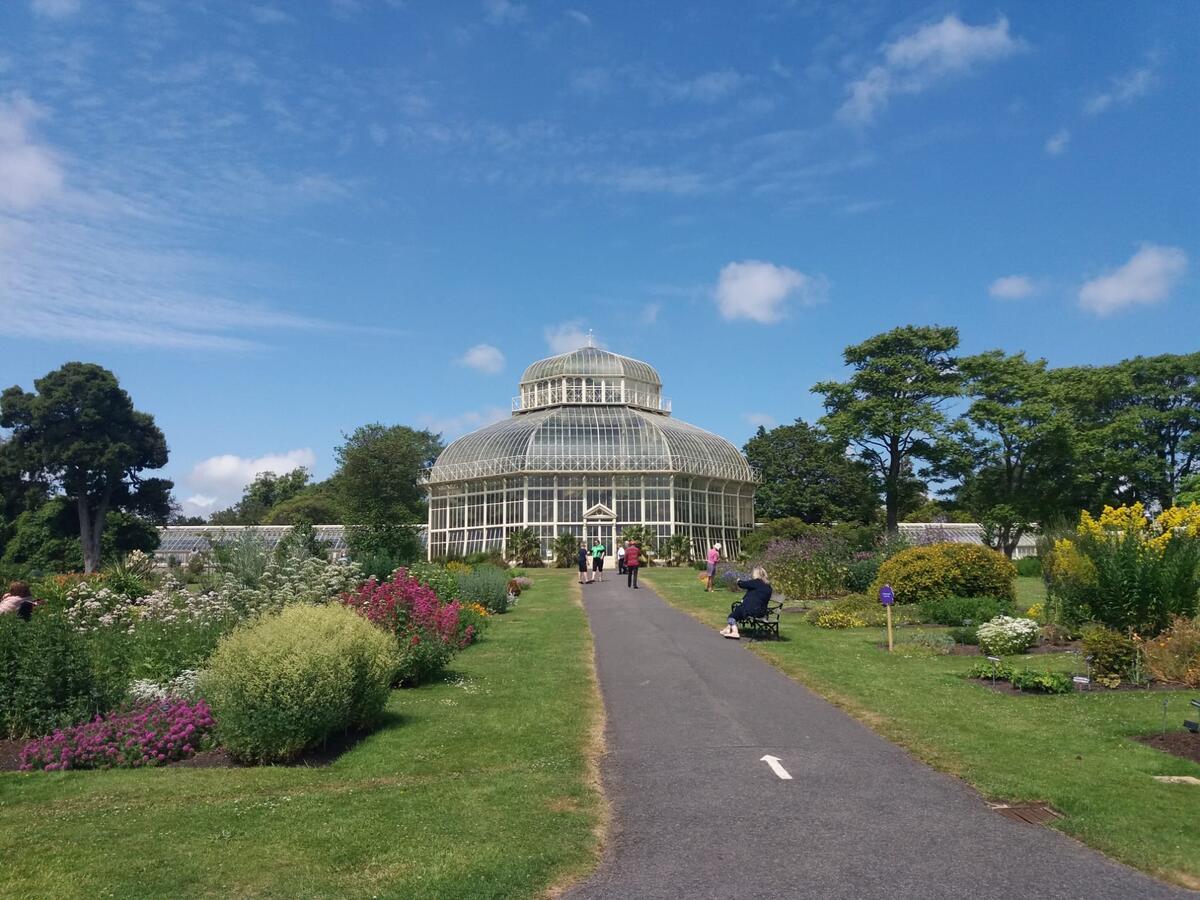
| Royal Hospital Kilmainham / IMMA | Grand chapel, Great Hall, formal herb gardens, Bully’s Acre historic graveyard, and a permanent collection of modern Irish art across 48 acres. |
| Viking Burial Site | Artefacts displayed at the National Museum of Ireland; the burial ground itself is visible in the War Memorial Gardens. |
| Irish National War Memorial Gardens (0.5 km) | Sunken garden and domed temple commemorating Irish soldiers of the World Wars. |
| Phoenix Park (≈1 km) | One of Europe’s largest urban parks, perfect for a post‑visit stroll. |
| Local cafés & pubs | The Loaf Café Kilmainham, Storyboard, Bowes Bar (traditional music), Kilmainham Inn and The Black Lion for a pint. |
Heritage Trail & Hidden Gems
Kilmainham is dotted with a self‑guided 14‑site heritage trail that links plaques, historic buildings and open spaces. Highlights include the former RIC barracks, the old Kilmainham Courthouse (a neoclassical 18th‑century building), and the Bully’s Acre graveyard, once a notorious bodysnatching site.
- Riversdale (Shakespeare) House – an 18th‑century stone house on Old Kilmainham Road once featured a full‑length statue thought to be Shakespeare. The house was demolished in the 1960s; the site now hosts a car wash, a reminder of lost Dublin heritage.
- Abbey Stained Glass Studios – founded in 1944, this family‑run studio on Old Kilmainham Road now specialises in the restoration of historic stained‑glass windows, continuing a tradition that began with the early 1900s An Túr Gloine movement.
- Ceannt Fort (McCaffrey’s Estate) – a conservation‑area housing streets named after 1916 leaders; the estate celebrated its centenary in 2022 with community events.
These lesser‑known spots add depth to a walk that already includes the major attractions.
Events & Seasonal Highlights
Kilmainham Gaol runs a programme of temporary exhibitions, talks and family‑friendly workshops throughout the year. Current and recurring events include:
- The Prisoners’ Lens: Secret photography in Kilmainham Gaol, 1921 – a free exhibition running from 23 Oct 2025 to 31 Oct 2026, showcasing clandestine images taken during the War of Independence.
- Revolutionary History Week (usually March) – lectures and guided tours focusing on the 1798 rebellion, 1916 Rising and the War of Independence.
- Halloween Night Tours – atmospheric after‑dark tours with special storytelling.
- IMMA Light Years Festival (summer) – open‑air cinema, light installations and live music across the IMMA grounds.
- Seasonal themed tours for Christmas and Easter, offering alternative narratives of the site.
All events are listed on the museum’s official website; many require advance booking.
Practical Information
Opening Hours & Admission (Kilmainham Gaol)
| Season | Visitor Centre | Museum (exhibition space) |
|---|---|---|
| Oct – Mar | 09:00 – 17:15 | 10:30 – 17:15 |
| Apr – Sep | 09:00 – 17:15 | 10:30 – 17:45 |
| Closed | 24 – 27 Dec (full closure) |
Admission fees (tickets must be purchased from the official site www.kilmainhamgaolmuseum.ie):
| Category | Price (€) |
|---|---|
| Adult | 8 |
| Senior (60+) | 6 |
| Student (ID required) | 4 |
| Child (12‑17) | 4 |
| Child (under 12) | Free (ticket required) |
| Family (2 adults + 2‑3 children 12‑17) | 20 |
Tickets are released 28 days in advance at midnight (Irish time). Additional tickets may appear from 9:15 am on the day of the visit. Group bookings of ten or more must be arranged by email – they are not sold online.
Accessibility
Ground‑floor tour route is wheelchair accessible; visitors needing additional assistance should email kilmainhamgaol@opw.ie in advance. Assistance dogs are permitted. Stone‑filled walkways are uneven and buggies are not allowed on the guided tour.
Getting There
- Public transport – Luas Red Line to Heuston (8 min walk via Military Road) or Dublin Bus routes 13, 40, 69, 79 (stop “Kilmainham Gaol”).
- Car – Paid parking at the IMMA car park (≈5 min walk). Limited street parking on a residential permit basis.
- Bike – Dublin Bikes stations on the Royal Hospital grounds; flat, traffic‑free routes run along the Liffey and through Phoenix Park.
- Foot – 15‑minute walk from the IMMA and a 25‑minute walk from the Guinness Storehouse.
Visitor Tips
- Book tickets online at least 48 hours in advance during peak season.
- Bring photo ID for student or senior discounts.
- Large bags are not permitted on the guided tour – use the cloakroom at the Visitor Centre.
- Audio guides are available in several languages; enquire at the ticket desk.
- Wear comfortable shoes for the uneven stone pathways.
- Night‑time Halloween tours require a separate ticket.
Nearby Facilities
- Café on the gaol grounds serving light meals and coffee.
- Baby‑changing facilities, bicycle parking and a small gift shop.
- Guided tours run every 30 minutes; the full experience takes about 90 minutes.
- Playground at Goldenbridge (a short walk) is popular with families.
Nearby Attractions
Kilmainham is a gateway to several other points of interest that can be combined into a single day:
- Arbour Hill – burial site of the executed 1916 leaders, set within a tranquil park just a short walk north of the gaol.
- Irish National War Memorial Gardens – a short stroll south, as listed above.
- Phoenix Park – expansive green space with the Dublin Zoo, Áras an Uachtaráin and numerous walking trails.
- Guinness Storehouse – a 25‑minute walk across the Liffey, offering a taste of Dublin’s brewing heritage.
Why Visit Kilmainham?
Kilmainham offers a rare concentration of Irish history in a walkable urban setting. From the chilling cells of a former prison to the tranquil gardens of a former soldiers’ home, the suburb lets you experience the full arc of Ireland’s past – from early Christian monks and Viking warriors to the revolutionary leaders who shaped the modern state. Whether you are a history enthusiast, an art lover, or simply looking for a reflective walk along the Liffey, Kilmainham delivers depth, drama and beauty in one compact neighbourhood.