
Overview
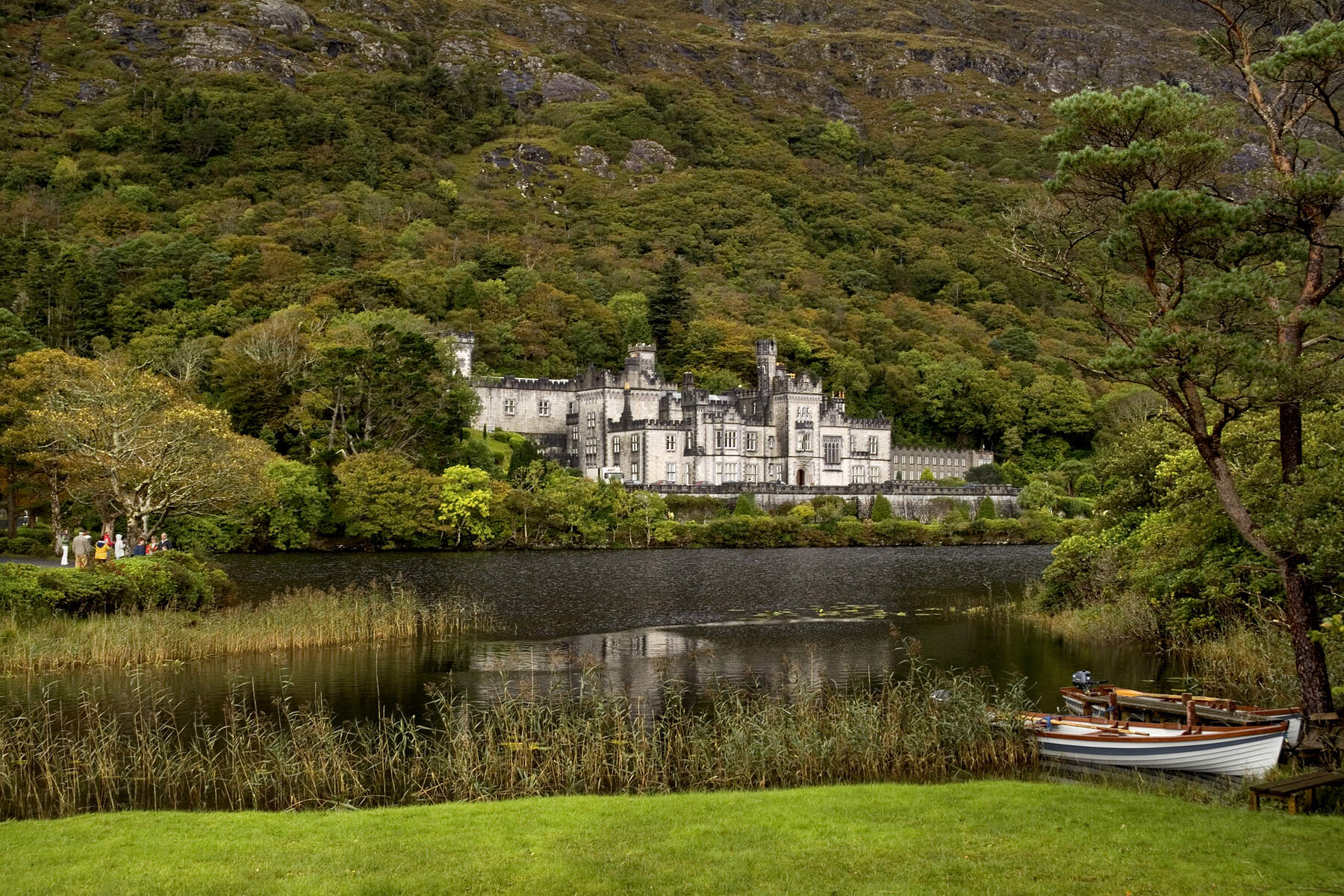
Kylemore Abbey is one of Ireland’s most photographed landmarks, perched on the edge of Pollacapall Lough in the heart of Connemara. The estate spans roughly 1,000 acres of mountainside, woodland, and lakeshore, offering a blend of architectural grandeur, spiritual heritage, and horticultural excellence. Whether you are a history buff, a garden lover, or simply seeking a tranquil spot to soak in the wild Atlantic scenery, Kylemore provides a day‑long experience that feels both grand and intimate.
History
The story of Kylemore begins in the mid‑19th century when Mitchell Henry, a wealthy eye‑surgeon‑politician from Manchester, fell in love with the Connemara landscape during his honeymoon. In 1867 he commissioned architect James Franklin Fuller to build a neo‑Gothic castle as a romantic gift for his wife, Margaret Vaughan Henry. The castle, completed in 1871, featured over 70 rooms, a ballroom, a library, and a private chapel.
Tragedy struck in 1874 when Margaret contracted dysentery on a trip to Egypt and died at the age of 45. Mitchell erected the now‑famous neo‑Gothic Church as a memorial, and later a modest yellow‑brick mausoleum to house both their remains. After Mitchell’s death in 1910 the estate changed hands several times before being purchased in 1920 by a community of Benedictine nuns who had fled war‑torn Belgium. The nuns transformed the castle into a monastery, opened an international boarding school (which operated until 2010), and began a long tradition of hospitality and education.
In recent decades the Abbey has expanded its cultural reach through partnerships with the University of Notre Dame and the University of Galway, while the Victorian Walled Garden—originally laid out in the 1870s—was painstakingly restored between 1995 and 2000, earning a Europa Nostra award in 2002.
What to See & Do
The Abbey (ground‑floor visitor experience) – A self‑guided audio‑visual tour takes you through restored period rooms, from the drawing‑room with its original plasterwork to the library that still holds a collection of 19th‑century volumes. Hidden audio narratives and modern visual effects bring the Henry family’s life and the nuns’ monastic routine to vivid life.
Neo‑Gothic Church – Often described as a “cathedral in miniature”, the church boasts marble columns from all four Irish marble regions, intricate stained‑glass windows, and a finely carved altar. Regular choral performances add a spiritual dimension to the visit.
Henry Mausoleum – A modest brick structure set among mature trees, the mausoleum holds the sarcophagi of Mitchell and Margaret Henry. Its quiet setting makes it a reflective stop on the walk from the church.
Victorian Walled Garden – Covering six acres, the garden is split by a gentle stream into a formal flower garden and a productive kitchen garden. Restored glasshouses, a head gardener’s cottage, and a seasonal tea house provide both horticultural interest and a place to pause for tea and scones. The garden’s plant palette follows a strict pre‑1901 guideline, ensuring an authentic historic feel.
Woodland & Lakeshore Walks – The estate’s 300‑acre woodland offers several marked trails, including the Flora, Fauna & Folklore Trail, the Horsechestnut Loop, and the Dawros River Walk. Along the lakeshore you’ll find the “Giant’s Wishing Stone”, a local legend that delights children and adults alike.
Craft Shop & Kitchen – The on‑site shop sells Kylemore‑made pottery, soaps, chocolates, and other handcrafted gifts. The Kylemore Kitchen Café serves traditional Irish dishes, with recipes handed down by the nuns; the Garden Tea House opens from 11 am to 4 pm during the estate season.
Practical Information
| Service | Details |
|---|---|
| Opening Hours | See the opening_hours field above. The Visitor Centre, Abbey, Church, Garden and Café operate daily during the season. |
| Ticket Prices | See the admission_fee field above. All‑day tickets grant access to the Abbey, neo‑Gothic Church, Mausoleum, Victorian Walled Garden (including the free shuttle), and all woodland walks. |
| Website | kylemoreabbey.com |
| Phone | +353 95 52001 |
| Accessibility | Wheelchair‑friendly routes throughout the main attractions; audio‑visual guides available. |
| Parking | Free on‑site car park for visitors; coach parking available for tour groups. |
| Food & Drink | Kylemore Kitchen (10 am–4:30 pm) and Garden Tea House (11 am–4 pm). |
| Shuttle Service | A free shuttle runs every 15 minutes between the Visitor Centre and the Victorian Walled Garden (April–September). |
| Group Visits | Discounts for groups of 15 +; pre‑booking recommended via the contact form on the website. |
Getting There
Kylemore Abbey lies about 1 hour 25 minutes from Galway City (via the N59 and R344) and 20 minutes from the coastal town of Clifden. The estate is a popular stop on the Wild Atlantic Way and is easily reached by car, coach tour, or public transport to Letterfrack followed by a short taxi ride. For those travelling without a car, several day‑tour operators from Galway City include Kylemore in their Connemara itineraries.
Visiting Tips (embedded in prose)
During the peak summer months the estate can be busy, so arriving early helps you secure a good spot for the garden tea house. The free shuttle to the walled garden runs every 15 minutes, making it easy to explore both the garden and the woodland trails without a long walk. If you are interested in the Abbey’s history, the audio‑visual exhibition in the Visitor Centre provides a concise overview before you set off on the self‑guided room tour.
Seasonal Highlights
- Spring – The flower garden bursts with tulips, daffodils, and early roses; the kitchen garden begins harvesting fresh herbs.
- Summer – All glasshouses are open, showcasing exotic palms and tropical fruit; choral concerts in the neo‑Gothic Church are scheduled most evenings.
- Autumn – The woodland trails showcase a spectacular palette of amber and gold; the garden’s harvest festival offers tastings of home‑grown produce.
- Winter – While the garden closes, the Abbey’s interior rooms and the church remain open, providing a quiet, atmospheric experience.
Kylemore Abbey is more than a photo‑op; it is a living heritage site where romance, tragedy, faith, and horticulture intertwine. A visit offers a full sensory journey—from the echo of monastic bells to the scent of freshly baked scones, from the cool stone of the mausoleum to the vibrant colours of the Victorian garden. Whether you have a few hours or a full day, Kylemore invites you to linger, explore, and perhaps make a wish at the Giant’s Stone.