

Overview
Lecale Plain (Irish: Leath Cathail) is a lush peninsula on the east coast of County Down, Northern Ireland, tucked between the sparkling waters of Strangford Lough and the sheltered inlet of Dundrum Bay. The landscape is a patchwork of rolling green fields, dramatic cliffs, and a network of cross‑country trails that wind through an Area of Outstanding Natural Beauty (AONB). Its proximity to the Mourne Mountains adds a dramatic backdrop, while the nearby town of Downpatrick offers a convenient base for exploring the region.
The peninsula’s name, meaning “Cathal’s half of Dál Fiatach”, harks back to a 7th‑century prince of the ancient kingdom of Ulaid. Until the mid‑18th century the area was almost an island, surrounded by the sea on three sides, which helped preserve its distinctive cultural and natural heritage.
History
Early Kingdom and Medieval Era
In the Middle Ages Lecale formed a túath within the Gaelic kingdom of Ulaid. It later became a county in the Anglo‑Norman Earldom of Ulster and, by the 19th century, was split into the baronies of Lecale Lower and Lecale Upper. The region was once known as Magh Inis – the “island plain” – a reminder of its former insular geography.
The area was a contested battlefield. The Annals of the Four Masters record a fierce clash on 29 June 1147 when the Ulaid were defeated by the Cenél nEógain at Dún Droma (now Dundrum Bay). Later, the Knights Templar built Dundrum Castle on the site of an earlier earthen fort, a stronghold that remained in Templar hands until the order’s suppression in 1313.
Saints and Relics
Lecale is intimately linked with Ireland’s three patron saints. Saint Patrick is said to have landed at the Slaney estuary, and a granite statue of him overlooks the site at Raholp. In the 9th century, relics of Saint Brigid of Kildare and Saint Columba were brought to Downpatrick for safekeeping, later re‑interred in the abbey yard. Although the relics were scattered during 18th‑century renovations, a granite slab erected in 1900 now marks their burial place, a pilgrimage point for many visitors.
Norman Castles and the Kildare Connection
The peninsula’s coastline is dotted with tower houses and Norman castles, a legacy of the de Courcy and Kildare families who controlled the ports of Strangford and Ardglass. These fortified structures, many still standing, give the landscape a romantic, medieval feel and form a natural “ring of castles” that can be explored on foot or by bike.
What to See & Do
Heritage Walks and Legend Tours
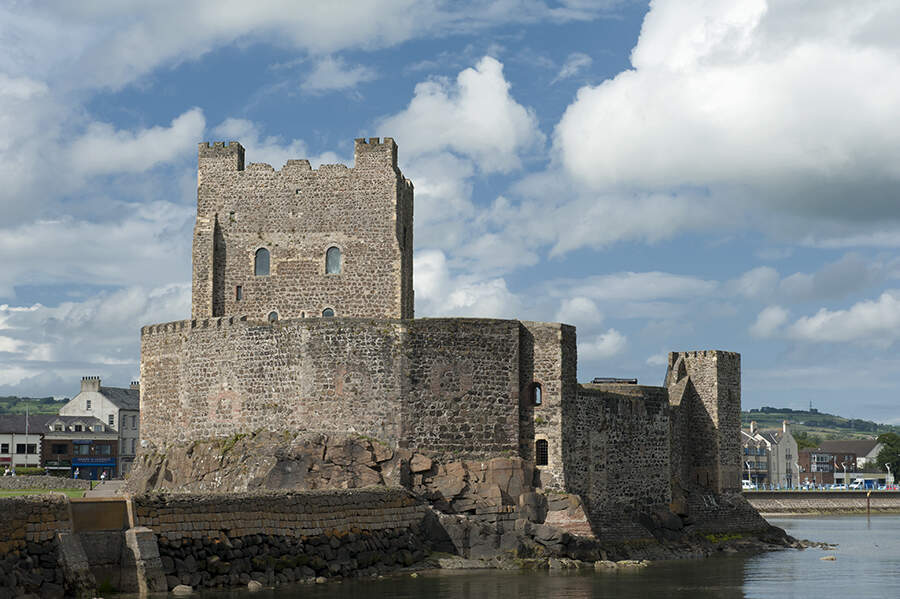
Guided experiences, marketed as the “Legends of Lecale Peninsula”, take visitors on a 2‑hour stroll through battle sites, shipwreck locations and folklore‑rich spots. Led by local experts such as seventh‑generation farmer Duane Fitzsimons, the tours weave together the story of Saint Patrick’s landing, medieval skirmishes and the hidden tales of the three saints’ burial.
| Experience | Duration | Price (per person) |
|---|---|---|
| Legends of Lecale (guided walk) | 2 hrs | £25‑£70 depending on inclusions |
| Private family/group tour (up to 15) | 2‑3 hrs | from £100 for groups |
Tours are suitable for families, couples, solo travellers and even corporate groups, with provisions for single‑sex parties and gay‑friendly environments. Prior booking is required and can be completed online via the Discover Northern Ireland portal.
Castles and Historic Sites
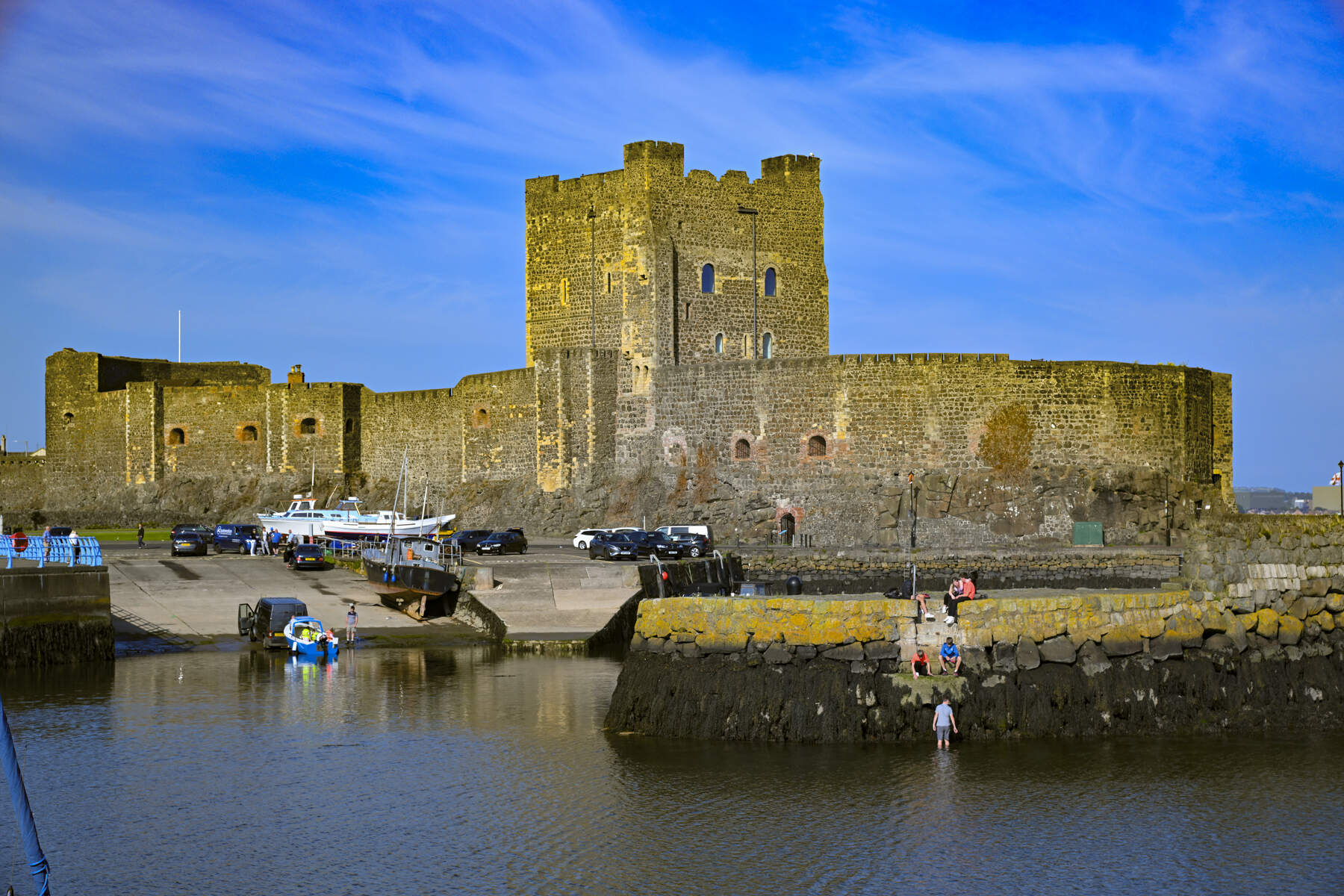
- Dundrum Castle – the former Templar stronghold, offering panoramic views over Strangford Lough.
- Ardglass – a historic fishing port with well‑preserved medieval walls and a 15th‑century tower house.
- Raholp Church – home to the granite statue of Saint Patrick and the commemorative slab marking the saints’ burial.
- Downpatrick – the town’s cathedral and the historic abbey yard where the saints’ relics were once kept.
- Inch Abbey – a 12th‑century Cistercian ruin near the mouth of the River Quoile, accessible via a short walk from Downpatrick.
- St John’s Point Lighthouse – an automated lighthouse at the tip of the peninsula, offering striking sea‑views.
- Ardtole Church – a 15th‑century parish church with a fine medieval tower, located just outside Ardglass.
- Clough Castle – an artificial mound and Norman earthwork guarding the historic entrance to Lecale.
- Slieve Patrick statue – a 1932 granite monument to Saint Patrick standing on the hill that overlooks the plain.
Walking the Lecale Way
The Lecale Way is a 75 km coastal long‑distance trail that begins in the heart of Downpatrick and finishes at the seaside resort of Newcastle. The route is divided into six sections, each linking villages, castles, beaches and nature reserves:
- Downpatrick → Audley’s Castle – passes the St Patrick Centre, Gallow’s Hill and the historic Audley’s Castle.
- Audley’s Castle → Kilclief – skirts the shoreline of Strangford Lough, offering views of Castle Ward and the village of Strangford.
- Kilclief → Ardglass – traverses the Killard National Nature Reserve and the sandy stretch of Ballyhornan Bay.
- Ardglass → Tyrella Beach – follows the rugged coastline past Ardglass Harbour, the historic Ardglass Castle and the wide sandy Tyrella Beach.
- Tyrella Beach → Dundrum – walks the unspoiled sands of Tyrella, then climbs to the Templar‑era Dundrum Castle.
- Dundrum → Newcastle – descends to the Irish Sea, passing the iconic Slieve Patrick statue before arriving in Newcastle.
The trail is well‑marked with way‑markers and offers a mix of easy coastal promenades and more demanding hill sections. Most sections are suitable for families with older children; sections 2 and 4 involve some uneven, unpaved paths. Dogs are welcome on the trail but should be kept on a lead near wildlife, especially in the nature reserve.
Nature and Wildlife
Lecale’s coastal heath and wetlands support a rich array of birds. Killard National Nature Reserve is a prime spot for wintering waterfowl such as Brent Geese, who feed on the salt‑marshes. The cliffs along Strangford Lough host colonies of guillemots and razorbills, while the inland drumlins provide habitat for hares and butterflies.
Paddlers can explore the fast‑moving currents of Strangford Lough – the inlet’s tidal flow can reach 350 m³ s⁻¹, creating impressive eddies that are popular with experienced kayakers. Seals are frequently sighted near the harbour entrances.
Beaches and Coastal Highlights
- Rossglass Beach – a small, pebbly beach near Ardglass, ideal for a quick dip or a picnic.
- Tyrella Beach – a long, sandy stretch backed by dunes, perfect for families and walkers.
- Dundrum Bay – a wide, sandy bay with a historic harbour, great for windsurfing when the wind picks up.
- Ballyhornan Bay – a quieter, crescent‑shaped beach within the Killard Reserve, accessible via a short car‑park walk.
Golf and Leisure
Golf enthusiasts can tee off at several nearby courses, including Bright Castle Golf Course, Ardglass Golf Club and Downpatrick Golf Centre, all within a short drive of the peninsula.
Practical Information
- Coordinates: 54.29215 N, ‑5.59822 W
- Getting There: About an hour’s drive from Belfast via the A2 coastal road. Regular Ulsterbus services run to Downpatrick; from there local taxis or bike‑rental schemes can take you to trailheads.
- Parking: Free on‑site parking is available at most trailheads, at Dundrum Castle, at the Killard Reserve car‑park and at the Tyrella Beach lay‑by. Spaces at popular sites (e.g., Dundrum Castle) fill quickly in summer – arrive early.
- Booking Tours: Experiences can be booked online at the Discover Northern Ireland website: Legends of Lecale Peninsula. Prices vary by inclusion; group discounts are available for parties of 10 or more.
- Accessibility: Most walking routes are unpaved and involve moderate inclines; they are best suited to visitors with a reasonable level of fitness. Historic buildings such as Dundrum Castle have limited wheelchair access.
- Seasonality: The AONB is beautiful year‑round. Guided legend tours run throughout the year, with a higher frequency in the summer months. The coastal climate can be brisk; layered clothing is recommended.
- Dog‑friendly: Dogs are allowed on most walks and beaches, but must be kept on a lead in the nature reserve and near nesting birds.
- Facilities: Public toilets are available at Downpatrick, Ardglass Harbour and the Tyrella Beach car‑park. A small café operates at the Ardglass Marina during the summer season.
Lecale Plain offers a rare blend of history, myth and natural splendour, making it a compelling destination for anyone seeking to experience the heart of County Down’s coastal heritage.