
Overview
Lisburn is a thriving city in the heart of the Lagan Valley, straddling the River Lagan which marks the historic boundary between County Antrim and County Down. With a 2021 population of just over 51,000, it is the third‑largest settlement in Northern Ireland. The city is best known as the birthplace of the Irish linen industry, but it also offers a surprising mix of Georgian architecture, Victorian parks, modern leisure facilities and easy access to Belfast via the M1 motorway and frequent rail services.
History
The settlement that became Lisburn began as a fortified farmstead in the early 17th century. Sir Fulke Conway received the lands of Killultagh in 1609 and, together with his brother Edward, laid out the street grid that still defines the town centre – Market Square, Bridge Street, Castle Street and Bow Street. A weekly market charter was granted by Charles I in 1628 and the market continues every Tuesday.
The town’s name evolved from the original townland of Lisnagarvy (or Lisnagarvey) to Lisburn around 1662, possibly meaning “ring‑fort stream”. Fires in 1641, 1707 and later conflicts scarred the settlement, but each time the community rebuilt, earning the motto Ex igne resurgam – “Out of the fire I shall arise”.
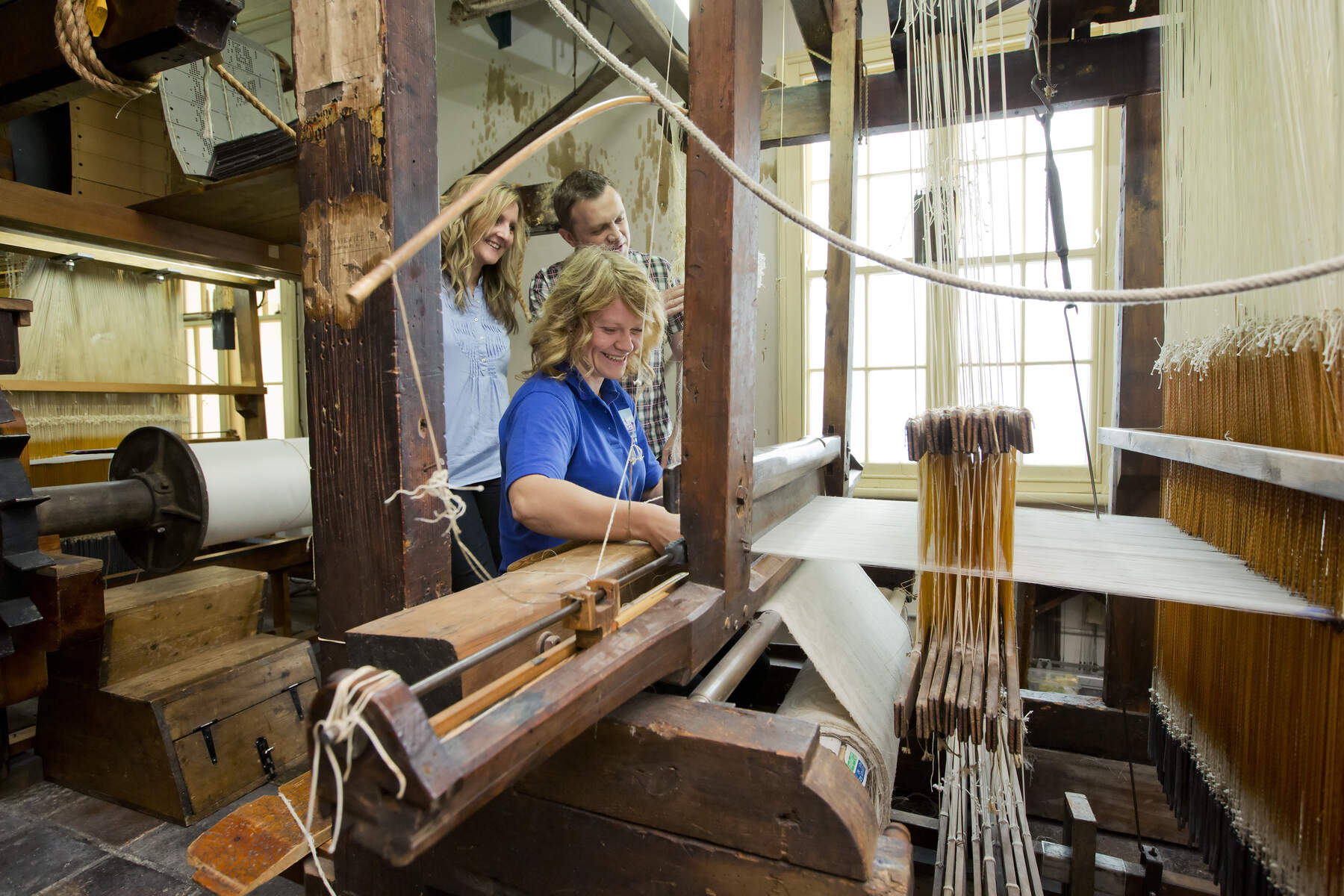
The arrival of French Huguenot refugees in 1698, led by the linen‑expert Louis Crommelin, transformed the local economy. Their expertise, combined with English and Welsh settlers, turned Lisburn into “Linenopolis”, a global centre for flax processing. By the mid‑19th century Barbour’s Linen Thread Company employed 2,000 workers and even built a model village for its staff.
Lisburn was granted city status in 2002 as part of Queen Elizabeth II’s Golden Jubilee celebrations. Today the city balances its industrial legacy with a vibrant cultural scene, extensive green spaces and a growing service sector.
What to See & Do
Irish Linen Centre & Lisburn Museum
Located in Market Square, the award‑winning Irish Linen Centre tells the story of linen from ancient Egypt to the modern runway. The permanent “Flax to Fabric” exhibition features live spinning, a recreated spinner’s cottage and a collection of damask textiles. Admission is free, though donations are welcomed. Visit the museum website
Christ Church Cathedral (Lisburn Cathedral)
Dominating the skyline with its distinctive octagonal spire (added in 1804), the cathedral dates back to 1622. It houses monuments to Jeremy Taylor and Lieutenant William Dobbs, and remains an active place of worship. Learn more
Castle Gardens & Wallace Park
Castle Gardens, the former site of Lisburn Castle, features a 1677 sandstone gateway, a historic bandstand and a war memorial. Just a short walk away, Wallace Park offers expansive lawns, a Victorian‑style playground and a duck pond – perfect for a family picnic.
Lagan Towpath & Lagan Valley Regional Park
The towpath follows the River Lagan for 11 km from the historic Lagan Canal lock in Lisburn down to Belfast. It is a flat, well‑maintained route ideal for walking, cycling or a leisurely jog. The wider Regional Park (4,500 acres) links urban parks, heritage sites and wildlife reserves, providing a green corridor through the city.
Hillsborough Castle & Gardens (15 min drive)
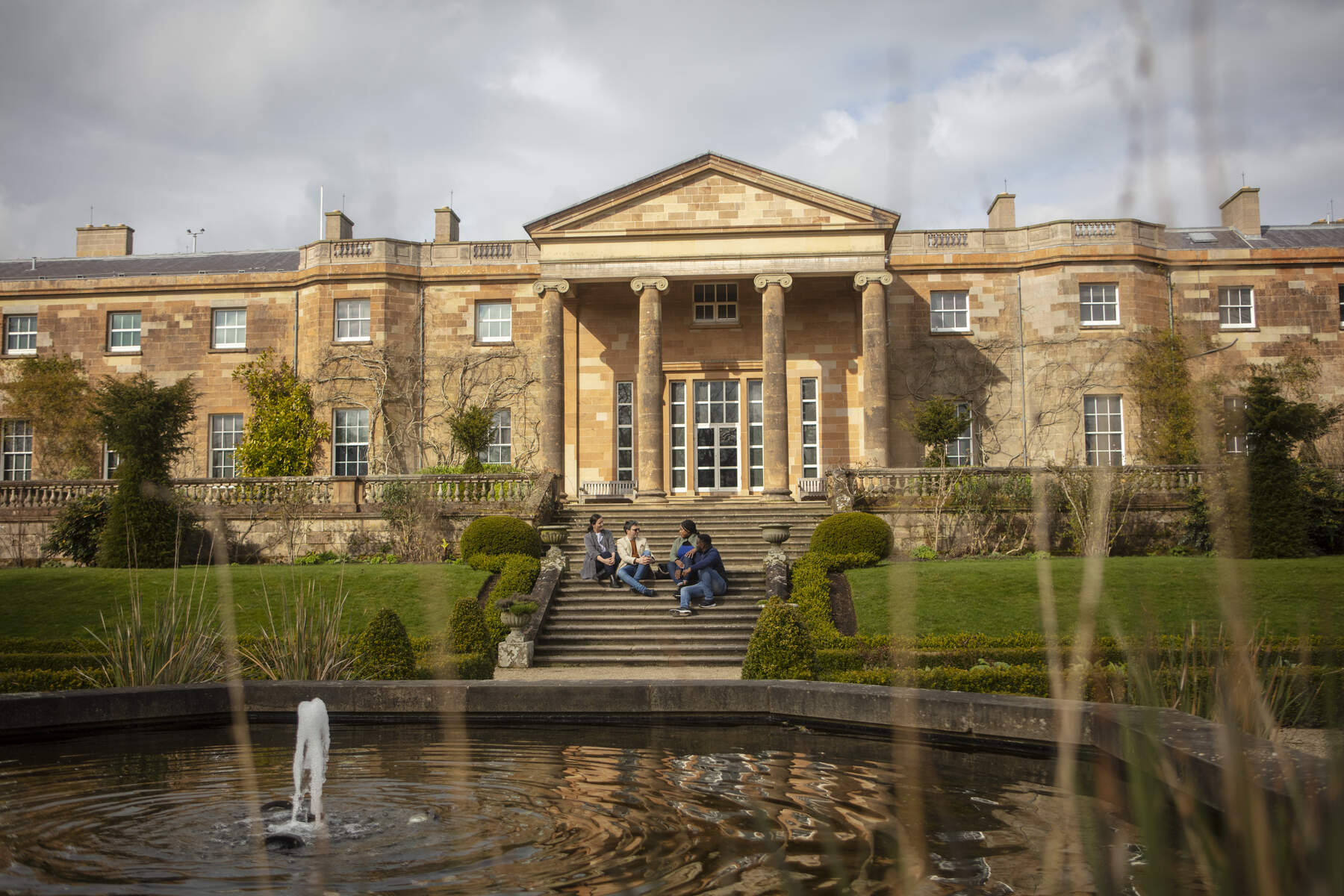
The official residence of the Secretary of State for Northern Ireland, Hillsborough Castle is open to the public. Guided tours reveal the State Rooms, while the 100‑acre gardens offer lakes, orchards and a children’s interactive play trail. Book tickets online
Family‑Friendly Attractions
- High Rise Indoor Adventure Centre – Northern Ireland’s largest indoor clip‑‘n‑climb, with sensory rooms and a café.
- Ultimate Challenges (Airtastic Lisburn) – Interactive team‑game arena with 30 challenge rooms.
- Ulster Aviation Society – Restored WWII aircraft housed in a former RAF hangar at Long Kesh.
- Lagan Valley LeisurePlex – Water slides, swimming pools and a fitness suite.
Shopping & Food
Lisburn’s city centre is car‑free and packed with independent boutiques, specialty coffee houses (e.g., Windsor, Jeffers) and a bustling Bow Street Mall. For a taste of local flavour, try the Indian restaurant Spice, the modern bistro The Square, or the classic pub Lizzie Drakes.
Practical Information
Lisburn is well‑connected by road and rail. The Lisburn railway station offers a 10‑15 minute service to Belfast’s Great Victoria Street and onward connections to Newry, Portadown and Dublin (three trains per day). Ulsterbus routes link the city to Belfast, Craigavon and the airport, while the M1 motorway provides rapid car access to Belfast and Dublin.
The city’s main visitor hub is the Lisburn Visitor Information Centre, housed inside the Irish Linen Centre. Staff can provide maps, accommodation advice and event listings.
| Service | Details |
|---|---|
| Opening Hours (Visitor Information Centre) | Monday‑Saturday: 09:00‑17:15 Sunday (April‑September): 11:00‑16:00 Closed on Christmas Day, Boxing Day and New Year’s Day |
| Admission (Key Attractions) | Irish Linen Centre & Museum: Free (donations welcome) Hillsborough Castle & Gardens: £10 adults, £5 children (check website) High Rise Indoor Adventure Centre: from £12 per person Wallace Park, Castle Gardens, Lagan Towpath: Free |
| Accessibility | Designated parking and disabled toilets at the Visitor Information Centre; guide‑dog access and disabled facilities at Hillsborough Castle; wheelchair‑accessible platforms at Lisburn railway station; sensory rooms and accessible toilets at High Rise Indoor Adventure Centre |
| Transport Links | Train: Lisburn (2 platforms, wheelchair‑accessible) Bus: Ulsterbus routes 551, 538, 23, 109A, 26B Road: M1 (junctions 3‑8), A1 to Newry/Dublin, inner city one‑way system |
Website: https://www.visitlisburncastlereagh.com/ Museum website: http://www.lisburnmuseum.com/ Coordinates: 54.51148, -6.04355
Whether you are tracing the threads of linen history, strolling through Victorian gardens, or seeking adrenaline‑pumping indoor adventures, Lisburn offers a compact yet diverse itinerary that can be enjoyed in a day or explored over a longer stay.