
Overview
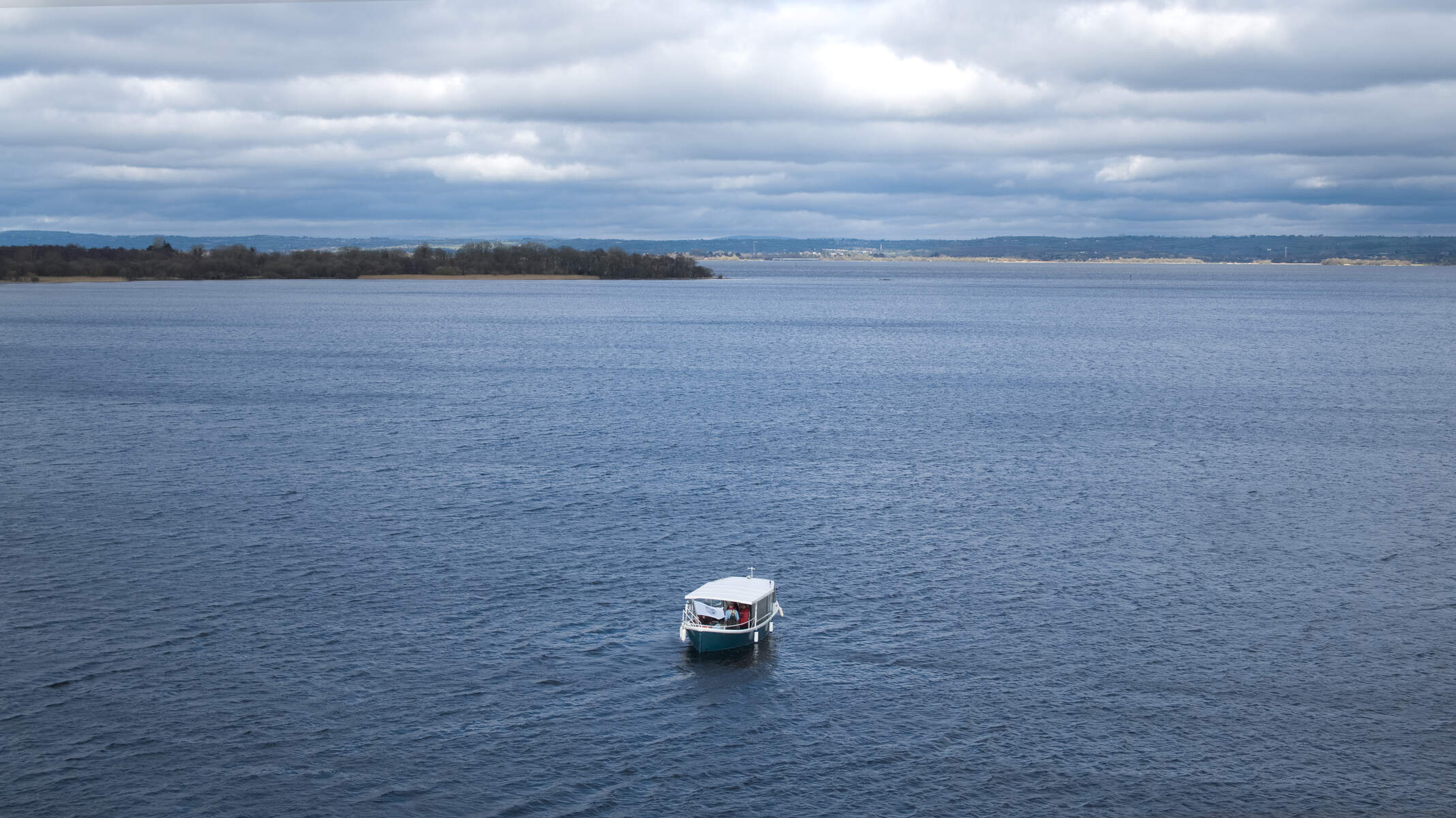
The Lower Bann forms the final 52 km (32 mi) of Ireland’s longest river, flowing north‑west from the southern tip of Lough Neagh at Toome (County Antrim) to the sandy inlet of Barmouth behind Portstewart Golf Club. The waterway marks most of the border between County Antrim and County Londonderry and is a designated canalised route with five navigation locks – Toome, Portna, Movanagher, Carnroe and Castleroe – and six major road bridges plus a railway crossing. Seven towns, including Coleraine, Kilrea and Portglenone, line its banks, making the river a hub for leisure craft, angling and wildlife spotting.
Just outside Coleraine, the Cutts – often called the “Salmon Leap” – is a striking river feature where lock gates, a massive weir and sluice flood‑gates create a dramatic flow and a natural viewing platform. The site is the launch point for the celebrated Best of the Bann river cruise.
History & Background
The Bann has been a vital artery since antiquity; Ptolemy’s 2nd‑century geography records the estuary as Argita (“shining”). In the mid‑19th century the Board of Works, under engineer Charles Ottley, carried out a massive drainage and navigation scheme (1847‑1859) that straightened the channel, added swing bridges and installed the five locks that still regulate water levels today.
The Cutts dates back to around 1660 when the Honourable Irish Society cut a channel through the rock to bypass the rapids that had made navigation impossible. Before the lock’s construction, goods travelling between Coleraine and Lough Neagh had to be off‑loaded, carried overland and re‑loaded. The new lock turned the Bann into a reliable trade route and, for centuries, the river was one of Ireland’s most prolific salmon rivers. Remnants of the old salmon traps – closed in 1995 after catching up to 2 500 salmon per year – remain visible on the far bank.
What to See & Do
Boating & Cruises
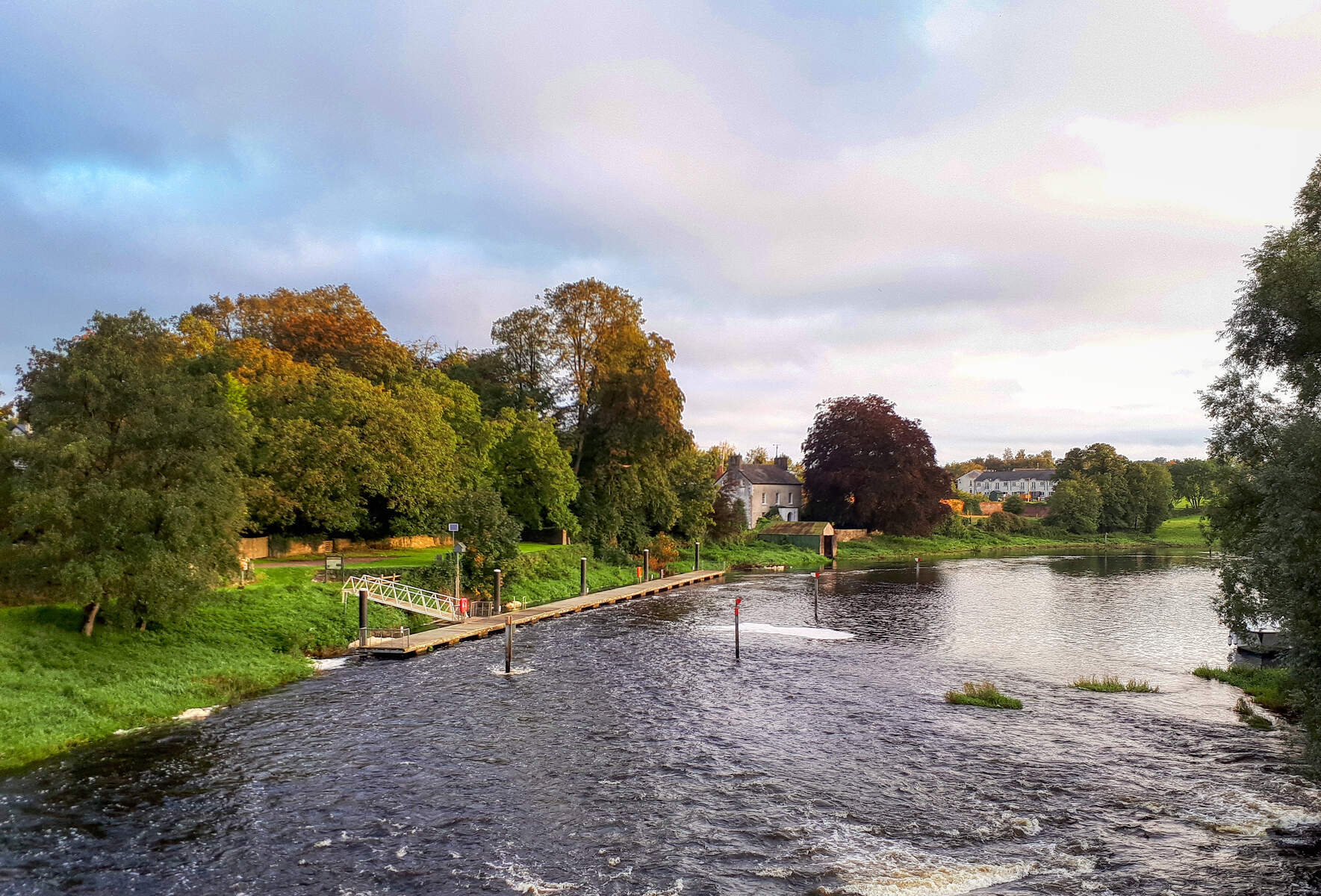
- Best of the Bann – A two‑hour round‑trip aboard the historic 1947 M.V. Kingfisher, restored by White River Charters. The covered deck offers plush cushions, binoculars and a tea‑and‑cake service while a guide narrates the river’s natural and cultural heritage.
- River Bann Tours – 12‑ and 47‑seat vessels provide 60‑minute (Toome‑Lough Neagh) and 90‑minute (Portglenone‑Lough Beg) trips, with family‑friendly commentary.
- Abhainn Cruises – Private RHIB charters for wildlife‑focused outings, including the “Patrick’s Pilgrimmage” from Lough Neagh down the Lower Bann.
- Causeway Boats – Offers a 1 hour, 15 mi cruise that highlights the historic bridges and lock system.
Walking & Cycling
The riverbank is threaded by a network of public footpaths that link the towns and locks. The Lower Bann Trail follows the waterway from Toome to Coleraine, providing easy‑gradient walking and cycling sections and connecting to the National Cycle Network (NCN 9). Trailheads are sign‑posted at each lock, and the route is suitable for families and casual cyclists.
Wildlife & Nature
- The Cutts is a hotspot for river birds: herons perch on the far bank, kingfishers flash iridescent blue‑green along the edges, and swans glide over the deep, fast‑flowing water.
- Otters and, during spawning runs, salmon can be spotted in the turbulent currents beneath the weir.
- The surrounding flood‑plain supports a network of walking trails that link to Mountsandel Fort, an earthen Norman‑era fort surrounded by forest that contains Ireland’s earliest known settlement (c. 7600‑7900 BC).
Fishing
Anglers can try their luck for salmon, sea trout and eel in the lower reaches. A Northern Ireland Angling Licence is required, and the salmon season typically runs from April to September, with peak runs in late summer. Local angling clubs operate from the towns of Portglenone and Coleraine and can provide advice on access points and catch‑and‑release guidelines.
Recreation
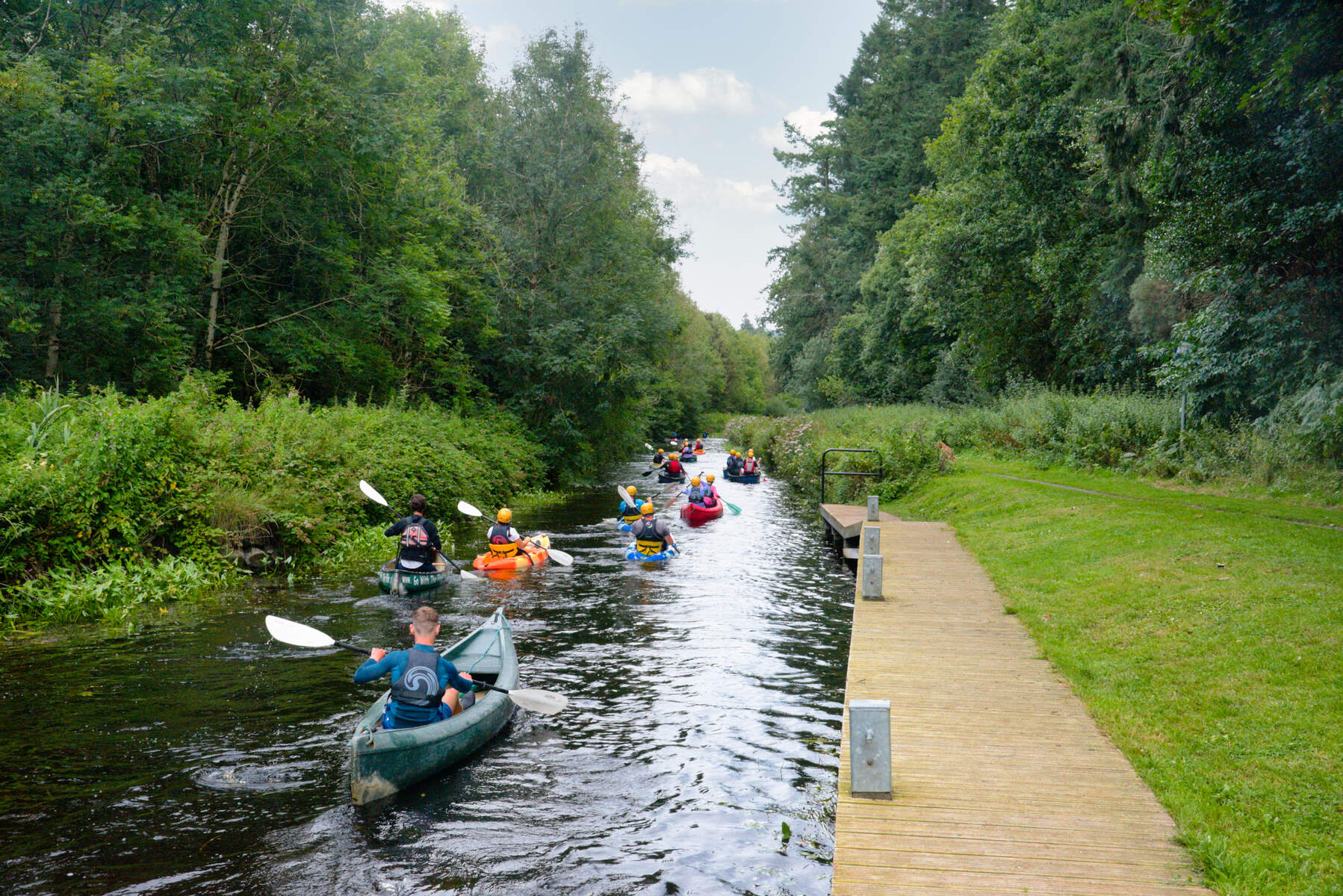
- Watersport clubs use the calm stretches for kayaking, paddle‑boarding and rowing.
- Photographers are rewarded with sweeping river vistas, mist‑lit mornings at the Cutts and historic bridges that frame the landscape.
Seasonal Highlights & Events
- Salmon Run (September‑October) – The autumn salmon run draws wildlife enthusiasts to the Cutts, where the leaping fish can be seen navigating the weir.
- Bann River Festival – An annual community event held in late summer, featuring guided walks, local music, craft stalls and river‑clean‑up activities. Dates vary each year; check local council listings.
- Bird‑watching Week – Hosted by the Royal Society for the Protection of Birds (RSPB) in spring, with guided spotting tours focusing on migratory waders and raptors along the Lower Bann.
Practical Information
- Boat tours run from March to December; exact days and times differ between operators, so book in advance.
- Parking – A small free car‑park is available beside the Cutts lock. Additional roadside parking exists in Coleraine and Portglenone.
- Public transport – The railway line and regular bus services connect Coleraine with Belfast and Derry, making it a convenient base for exploring the Lower Bann.
- Dog‑friendly – Dogs are allowed on the walking trails and in the car‑park, but must be kept on a lead near wildlife.
- Accessibility – Most lock‑viewing platforms have level access; however, some older bridges have steps. Check individual bridge signage for details.
- Moorings – All five locks have designated mooring points; there are 13 official moorings along the stretch for private boats.
- Nearby attractions – The Bann Estuary offers coastal bird‑watching, while the historic town of Coleraine provides museums, shops and eateries.
Whether cruising the historic waterway, watching kingfishers dart over the weir, or tracing the steps of 17th‑century engineers, the Lower Bann and the Cutts offer a uniquely Irish riverside experience.