Overview
Lullymore is a tiny civil parish and village set on a 60‑acre mineral island in the middle of the Bog of Allen, County Kildare. The R414 links the settlement to Rathangan (6 mi) and Allenwood (3 mi), making it an easy day‑trip from Dublin. The island is famous for recording Ireland’s lowest 20th‑century temperature – ‑18.8 °C on 2 January 1979 – a reminder of the stark climate that shapes the surrounding peatlands. Today the site is home to the award‑winning Lullymore Heritage & Discovery Park, a social‑enterprise that turns visitor fees into conservation and education programmes.
History / Background
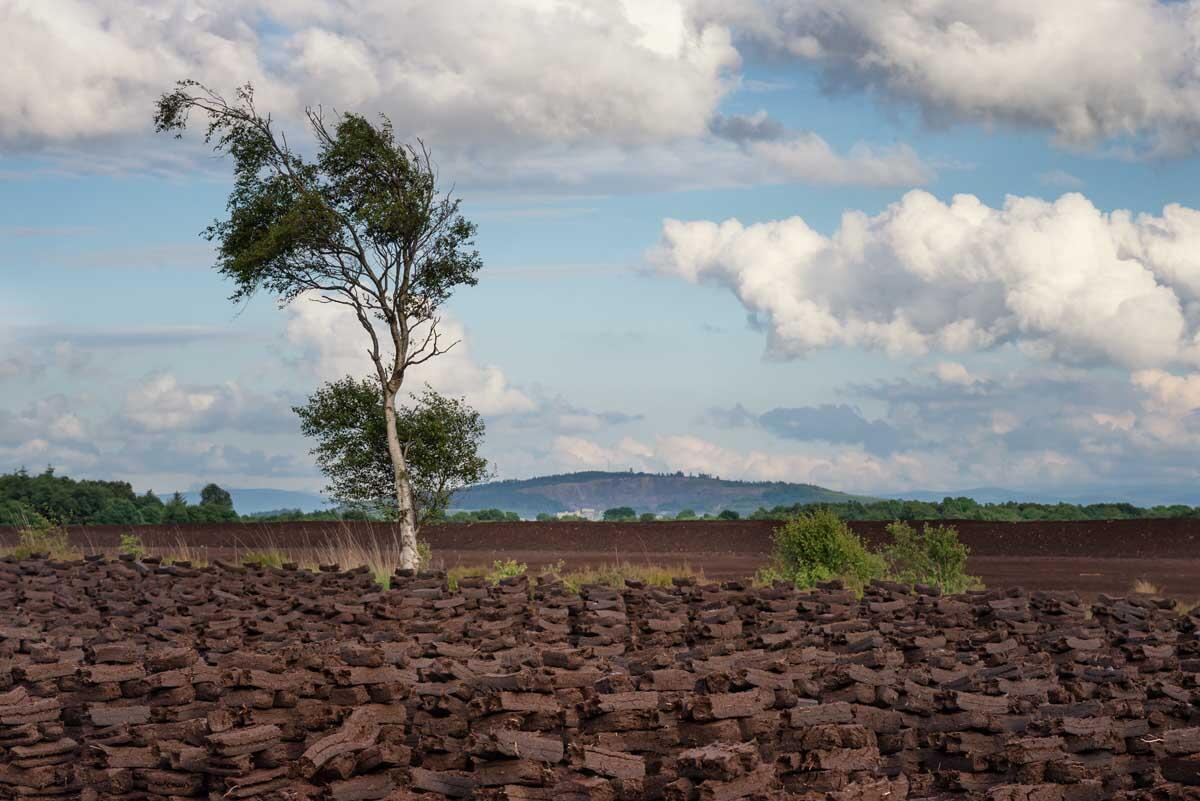
Archaeological evidence shows human activity on the island since the Mesolithic period, when hunter‑gatherers first crossed the nascent bog over 9,000 years ago. Over the centuries the island served as a ritual landscape for pre‑Christian peoples, a secluded monastic settlement for a millennium, and a refuge for rebels during the 1798 Rebellion. In the 20th century the island hosted a Bord Na Móna briquette factory (1936‑1992) that supplied peat‑based fuel.
After the factory closed, the Irish Peatland Conservation Council (IPCC) acquired the neighbouring Lullymore West Bog in 2005 and began restoring it as a wildlife reserve. Simultaneously the community launched the Heritage & Discovery Park, weaving together the island’s natural and cultural story into a nine‑thousand‑year narrative.
What to See & Do
Lullymore Heritage & Discovery Park
- Biodiversity Boardwalk – a 1 km raised trail winding over glassy lakes, birch scrub and heather‑covered peat. Interpretive panels highlight flora such as bog cotton, sundews and the island’s largest garden of carnivorous plants, as well as rare dragonflies, damselflies and other fauna.
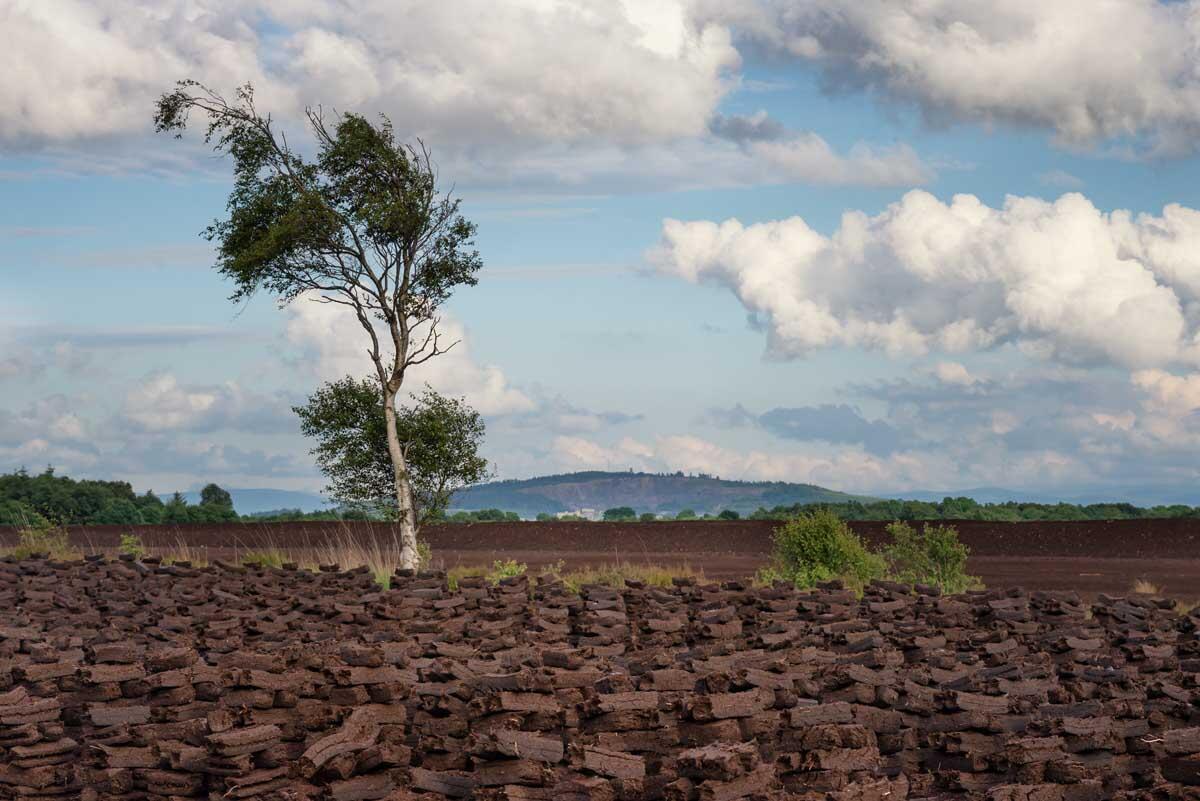
- Peatlands Exhibition – multimedia displays trace the formation of the raised bog over 10 000 years and explain modern conservation efforts.
- Interactive Historical Galleries – immersive rooms cover Mesolithic settlers, early Christian monasticism, the 1798 Rebellion, the Great Famine, and mass emigration. Personal stories of emigrants like Michael Rush (1820) and Katie Gorey (1908) bring the past to life, while a replica rebel hide‑out and a Famine & Emigration Cottage add tangible detail.
- Family Fun Zones
- Funky Forest – a state‑of‑the‑art indoor play area for younger children.
- Outdoor Adventure Play Area – climbing frames, rope course and a treasure‑hunt that ends in a monthly prize draw.
- 18‑Hole Mini Golf – set amid the peatland scenery for a gentle challenge.
- Pet Farm – goats, rabbits, chickens and other friendly animals.
- Road‑Train Ride – a guided circuit of the island with commentary on natural and cultural heritage.
- Guided Tours & Seasonal Events – regular walks led by knowledgeable guides, plus butterfly‑watching days, heritage festivals, leprechaun‑themed family days and other programmes throughout the year.
Education & Community Programs
The park runs a dedicated Education Hub for primary and secondary schools, offering curriculum‑aligned workshops on peatland ecology, Irish history and sustainable living. Classroom‑style sessions can be booked in the indoor learning suite, and outdoor field trips make use of the boardwalk and exhibition spaces. Seasonal Community Days invite local volunteers to assist with habitat restoration, seed‑sowing and citizen‑science surveys, reinforcing the park’s social‑enterprise model.
Sustainability & Conservation
Restoration work led by the Irish Peatland Conservation Council has re‑wet large sections of Lullymore West Bog, creating habitats for rare invertebrates and peat‑specialist plants. The boardwalk is lit during the Winter Lights event with low‑energy LED fixtures, reducing the park’s carbon footprint while offering a magical evening experience. All visitor facilities aim for minimal environmental impact – water‑saving toilets, recycling stations and a café that sources locally produced food where possible.
Wildlife & Conservation
The park sits on the edge of the Bog of Allen, one of Ireland’s largest peatland complexes. Restoration work by the IPCC has created habitats for a range of species:
- Invertebrates – notable dragonfly species such as the Black‑tailed Skimmer and the Emerald Damselfly.
- Plants – rare carnivorous plants (sundews, butterworts) and peat‑specialists like bog cotton and cross‑leaved heath.
- Birds – peatland‑associated birds such as curlew, snipe and the occasional golden plover during migration seasons. Visitors can join the park’s Butterfly‑Watch sessions (typically held in late spring) to see emerging species and learn about their role in the bog ecosystem.
Events & Seasonal Highlights
- Heritage Festival (June) – live music, traditional storytelling and craft workshops that celebrate the island’s 9,000‑year narrative.
- Butterfly‑Watch Days (April‑May) – guided walks focusing on lepidopteran life cycles.
- Leprechaun Treasure Hunt (July) – a family‑friendly scavenger hunt culminating in a prize draw.
- Winter Lights (December) – the boardwalk is illuminated with low‑energy LED lighting, creating a magical evening stroll. All events are listed on the park’s website and many require advance booking.
Getting There & Practical Tips
- Location & Access: Lullymore lies on the R414 between Rathangan and Allenwood, about 60 km south‑west of Dublin. The island is reachable by car; a large free car park sits opposite the visitor centre, with disabled spaces close to the entrance.
- Public Transport: The nearest train station is Kildare (≈15 km). Regular Bus Éireann services run through Rathangan and Allenwood; a short taxi ride completes the journey to the park.
- Parking: Free parking is available for cars and coaches. Disabled bays are provided near the main entrance.
- Opening Times: Monday‑Sunday 10:00 – 18:00 (last admission 16:00). Hours may vary seasonally – always check the official site before you travel.
- Admission: Standard adult and child rates are published on the website; family tickets and group discounts are often available. (Ticket‑price details pending verification.)
- Facilities: On‑site café, picnic areas, wheelchair‑accessible boardwalk sections and restroom facilities. The indoor play area and pet farm are also fully accessible.
- Booking: Online booking is recommended, especially in peak summer months, to secure entry and any guided tours or special events.
Nearby Attractions
While you’re in the area, consider adding a short visit to other Kildare highlights:
- Bog of Allen – the extensive peatland network that surrounds Lullymore. Walks and bird‑watching opportunities are available from several access points. (Bog of Allen)
- Donadea Forest Park – a 300‑acre woodland with walking trails, a lake and historic ruins, just a 15‑minute drive north. (Donadea Forest Park)
- Carbury Hill – the mythic summit with panoramic views over the county and the historic Carbury Castle ruins. (Carbury)
- Irish National Stud – world‑renowned thoroughbred breeding centre, located near Kildare town, offering guided tours and a beautiful Japanese Gardens. (Irish National Stud)
- Barrow Way – a long‑distance walking and cycling trail that passes close to Lullymore, ideal for a scenic day‑long trek. (Barrow Way)
Lullymore offers a rare combination of dramatic peatland landscape, deep‑rooted history and family‑friendly attractions, making it a compelling stop for nature lovers, history buffs and anyone seeking an authentic Irish experience.