
Overview
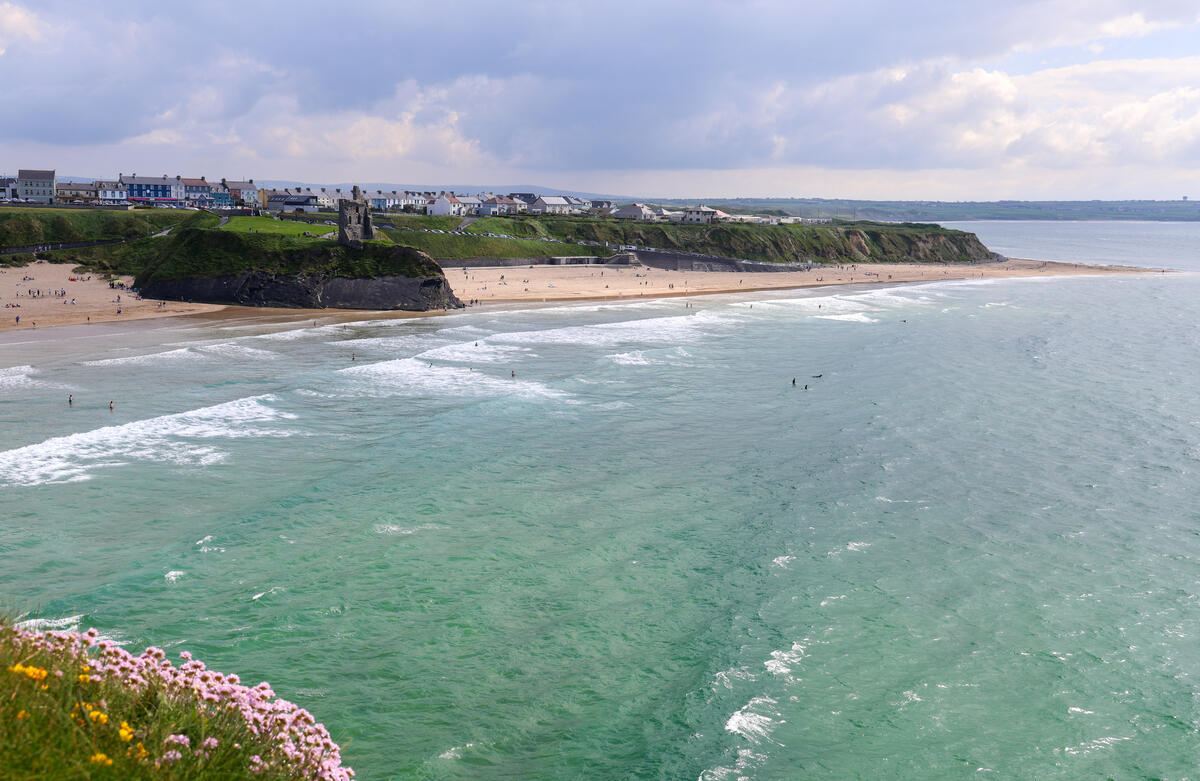
Magharees Sound (often written Maharees Sound) is the narrow stretch of water that separates the sandy tombolo of the Maharees peninsula from a cluster of uninhabited islands known locally as the Seven Hogs (or Magharee Islands). Stretching five kilometres northwards from the Dingle Peninsula, the Maharees offers a rare blend of long, white‑sand beaches, rolling dunes and a sheltered bay that is a magnet for surfers, wind‑surfers, divers and wildlife enthusiasts. The sound itself provides a tranquil backdrop for boat trips to the islands, where early‑Christian monastic ruins sit beside thriving seabird colonies.
History & Background
The islands have been known as The Seven Hogs (German: die sieben Schweine) since at least the 19th century, although the archipelago actually comprises eight islands:
- Gurrig Island (Gorach)
- Inishtooskert (Inis Tuaisceart)
- Illaunimmil (Oileán Imill)
- Illaunboe (Oileán Bó)
- Illauntannig (Oileán tSeanaigh) – the largest and the site of the early‑Christian monastic settlement founded by Saint Seanach in the 5th century.
- Reennafardarrig (Rinn na bhFear Dearg)
- Illaunturlogh (Oileán Traolaigh)
- Mucklaghbeg (An Mhuclach Bheag)
Illauntannig contains two stone oratories, three beehive (clochán) huts, a souterrain, a stone cross, a cross‑shaped slab and a bullaun – all dating from the 6th century. The islands are designated a National Monument and form part of a Special Area of Conservation and a Special Protection Area for birds.
The islands were inhabited until the 1980s; today they are used for summer grazing and occasional holiday‑house stays, but remain open to visitors. The sound has also witnessed historic shipwrecks, notably the Spanish Armada vessel Nuestra Señora del Socorro and the East Indiaman York (1758). These stories are highlighted along the Maharees Heritage Trail, a 2½‑hour circular walk that starts at Sandy Bay (Béal Geal) and passes sixteen points of interest, from ship‑wreck markers to the 14th‑century Killshannig church ruins.
Flora & Fauna
The Seven Hogs islands support a spectacular wintering bird population – over 20 000 birds, including Little Tern, Whooper Swan and Light‑bellied Brent Goose. The surrounding waters are a breeding ground for critically‑endangered angel sharks and white skates, and are frequented by seals and dolphins. On land, the dunes host rare marram grass, chestnut fencing and nesting sites for shore‑birds such as ringed plover. The Maharees is also home to Ireland’s largest amphibian, the natterjack toad.
Seasonal Highlights & Events
- Summer (June‑August) – Peak surf season and home of the Maharees Regatta (July), a sailing competition that draws local and visiting crews.
- Spring (March‑May) – Best time for bird‑watching, especially the arrival of Little Tern colonies on the islands.
- Winter (December‑February) – Calm, sheltered waters are ideal for kayaking and paddle‑boarding; the sound’s gentle swell also attracts experienced wind‑surfers.
What to See & Do
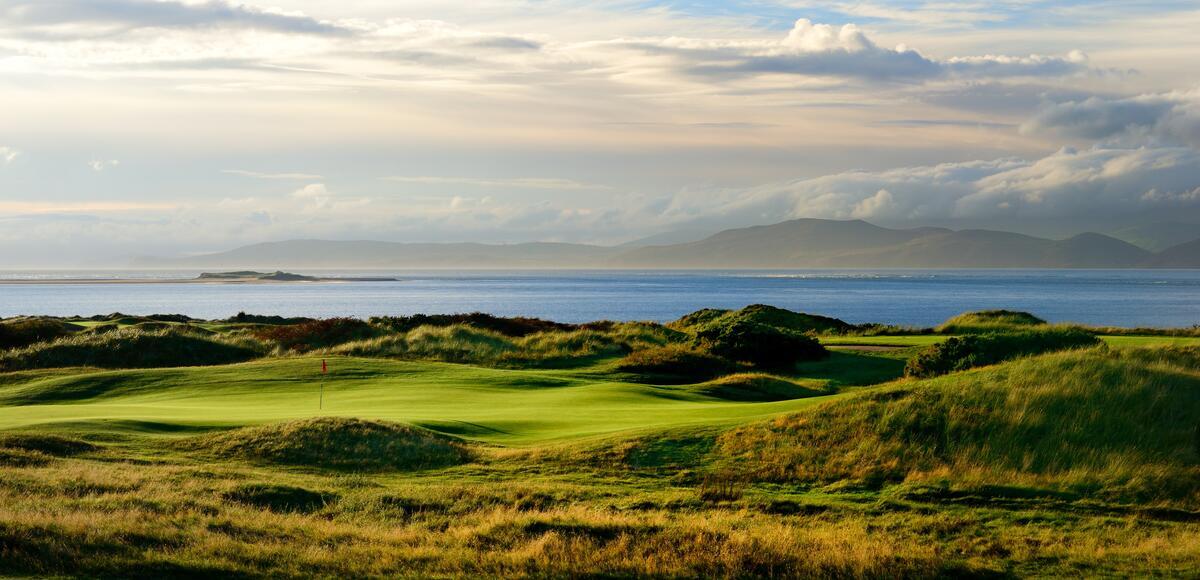
| Activity | Details | Provider |
|---|---|---|
| Surfing & Windsurfing | World‑class Atlantic swells; lessons for all levels | Jamie Knox – RYA school |
| Scuba Diving | PADI‑certified dives, wreck exploration and reef spotting | Waterworld |
| Kayaking / Paddle‑boarding | Calm waters of the sound, ideal for beginners | Local operators (see website) |
| Horse‑riding on the beach | Guided treks across dunes and shoreline | O’Connors Trekking & Horse Riding (beachhorseriding.com) |
| Ecotour boat trips | Visits to Illauntannig and its monastic ruins; also trips to nearby Beginish Island for snorkeling | Atlantic Eco Tours |
| Bird‑watching | Over 20 000 wintering birds, including Little Tern, Whooper Swan, Light‑bellied Brent Goose | Self‑guided, respect nesting areas |
The Maharees Heritage Trail is sign‑posted with illustrations by West Kerry artist Domhnall Ó Bric, and a pocket‑size map is available from the Castlegregory Information Centre (V92 FH32). The trail’s highest point offers sweeping views of Brandon Bay, Tralee Bay and the Seven Hogs islands – a photographer’s dream.
For families, the sound’s sheltered waters make it a safe playground for canoeing, kite‑boarding and beginner surf lessons. The dunes, managed by the Maharees Conservation Association, are a living classroom; volunteers guide visitors on how to stay on designated paths, avoid trampling marram grass and refrain from lighting fires.
Practical Information
Getting There
| Mode | Details |
|---|---|
| Air | Kerry Airport (50 km) – the closest international gateway |
| Train | Tralee station (32 km); timetables on Irish Rail |
| Bus | Bus Éireann service between Tralee and Castlegregory (5 km from the Maharees); stop in Castlegregory Village |
| Car | 28 km (≈½ hour) from Tralee via N86 → R560; 26 km (≈½ hour) from Dingle via the Conor Pass |
| Car Hire | Options at Kerry Airport – Irish Car Rentals, Car Hire Ireland |
| Ferry / Boat | Departures to the Seven Hogs islands from Scraggane Pier (north of the Maharees) and from the sandy launch at Sandy Bay. Sea‑safari routes also pass Brandon Bay, Tralee Bay and the monastic site on Illauntannig. |
Parking is available at the start of the Heritage Trail and near the main beach access points. Roads are narrow and can become sand‑blocked after winter storms, so allow extra time for arrival.
Conservation & Access
The Maharees is a Special Area of Conservation and a Special Protection Area (see the NPWS SAC page). Visitors are asked to:
- Use the designated beach entry points – the dunes are fragile and support the only natural barrier against Atlantic storms.
- Avoid walking on the shingle beaches of Oileán tSeannaigh between mid‑May and mid‑July to protect nesting Little Terns.
- Refrain from littering, illegal camping and driving on the dunes; official campsites are marked on local maps.
The Maharees Conservation Association runs regular beach clean‑ups, marram‑grass planting events and a community‑led Neart Na Machairí climate‑resilience project. Chestnut fences guide visitors along safe routes, while volunteers monitor the natterjack toad and bird colonies.
Food & Drink
- Spillanes Bar & Restaurant – fresh local produce, open March‑November (spillanesbar.com).
- The Green Room Bar – a cosy spot for a pint of Guinness, just under a kilometre from the sound.
- Castlegregory Village – a short 5 km drive offers a wider selection of pubs, seafood restaurants and cafés.
When to Visit
The sound is pleasant year‑round, but the summer months see the busiest surf competitions and the Maharees Regatta (July). Spring offers the best bird‑watching conditions, especially for the Little Tern colonies on the islands.
Nearby Attractions
- Beginish Island – a short boat ride away, popular for diving and snorkelling among kelp forests and historic wrecks.
- Banna Strand – a Blue‑Flag beach a few kilometres east, ideal for a longer coastal walk that links the Maharees with the Ring of Kerry trail.
- Brandon Bay – offers additional wind‑surfing spots and panoramic views from the cliffs above the Maharees.
Magharees Sound is more than a picturesque inlet – it is a living landscape where ancient history, vibrant wildlife and adrenaline‑filled water sports coexist. Whether you are tracing Saint Seanach’s monastic footsteps, catching a wave, or simply breathing in the salty air from a dune‑top bench, the sound promises an unforgettable slice of Ireland’s wild west coast.