
Overview
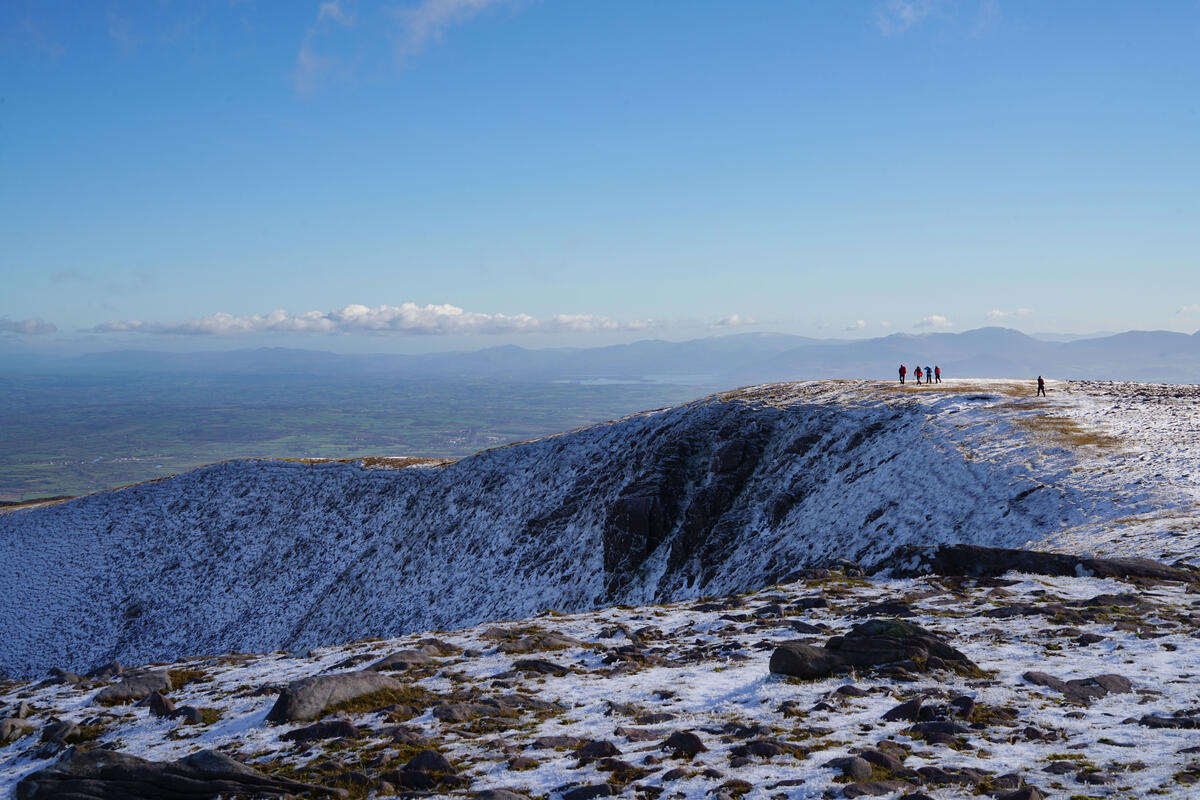
Maharee Spit (Na Machairí) is a striking three‑mile long sand‑filled tombolo that juts north‑west from the Dingle Peninsula into the Atlantic. It separates the sheltered waters of Tralee Bay from the wilder Brandon Bay, creating a unique micro‑climate that supports a mosaic of dunes, shingle beaches and salt‑marsh habitats. Designated as part of an 11,000‑hectare Special Area of Conservation, the spit is a haven for rare wildlife – from the endangered Natterjack toad to flocks of Whooper and Bewick’s swans that winter on its mudflats.
The landscape is punctuated by the Seven Hogs – a cluster of uninhabited islands that rise from Maharee Sound. The largest, Illauntannig (also called Oileán tSeannaig), bears the ruins of a 5th‑century monastic settlement founded by St Seanach. Together with the ruined 14th‑century church at Kilshannig, these sites give the peninsula a deep historic resonance that sits comfortably alongside its reputation as a premier surf and watersports destination.
History & Background
The Maharee archipelago has been a place of human activity for over a millennium. Early Christian monks established a settlement on Oileán tSeannaig, leaving behind a cashel wall, two oratories, three beehive huts, a souterrain and a stone cross. The site is traditionally linked to St Seanach, a 5th‑century missionary who is believed to have used the island as a retreat for contemplation and teaching. On the mainland, the Kilshannig graveyard preserves a 7th‑century Chi‑Rho cross slab, while the ruined church at Kilshannig reflects 14th‑century rebuilding of an earlier ecclesiastical site.
In more recent centuries the area became a hub for fishing, small‑scale agriculture (renowned for sweet carrots, parsnips and onions) and, from the 20th century onward, a summer retreat for caravanners. Community‑led conservation efforts – notably the Maharees Conservation Association and the Maharees Dunes Conservation Group – now protect the fragile marram‑grass dunes, manage coastal erosion and run education programmes that balance tourism with wildlife protection.
What to See & Do
Beaches and Watersports
- Sandy Bay (Béal Geal) – a Blue Flag beach with fine golden sand, perfect for families and for launching surfboards. The Atlantic swells here attract both local and international surfers; world championships have been staged on these waves.
- Surfing & Kite‑boarding – lessons are offered by Splash Sports Surfing School and Jamie Knox Watersports. All equipment and safety gear are supplied, catering for beginners to advanced riders.
- Wind‑surfing, Waterskiing & Canoeing – local operators such as Jamie Knox and Waterworld provide instruction and hire.
- Scuba Diving – Waterworld runs PADI‑certified courses and daily dive trips to the Maharee Islands, where divers can explore kelp forests, shipwrecks and abundant marine life.
Marine Life & Diving
The waters around Maharee Spit are rich in marine biodiversity. Divers regularly report sightings of conger eels, pollack and the occasional common dolphin. The kelp forests that fringe the islands provide habitat for seahorses and a variety of colourful nudibranchs. Notable wrecks include the 19th‑century cargo vessel Mona which lies in 20‑25 m of water and is a popular site for experienced divers.
Land‑Based Adventures

- Maharee Heritage Trail – a 10 km circular walk that starts and finishes at Sandy Bay. Sixteen way‑points highlight shipwrecks, the monastic site on Illauntannig, the Little Tern nesting area and the diverse dune flora. The trail is well sign‑posted, forms part of the wider Dingle Way network and takes roughly two and a half hours.
- Pony & Horse Trekking – O’Connor’s Riding School offers one‑hour beach rides and longer pony treks, a delightful way to see the dunes from a different perspective.
- Golf – Castlegregory Golf & Fishing Club, a 9‑hole links course overlooking Brandon Bay, is a short drive away and provides spectacular sea‑view fairways.
- Sandy Feet Farm – near Castlegregory, this family‑friendly farm features a zip‑line, sensory garden, wheelchair‑accessible swing and a café serving wood‑fired pizza.
Wildlife Watching
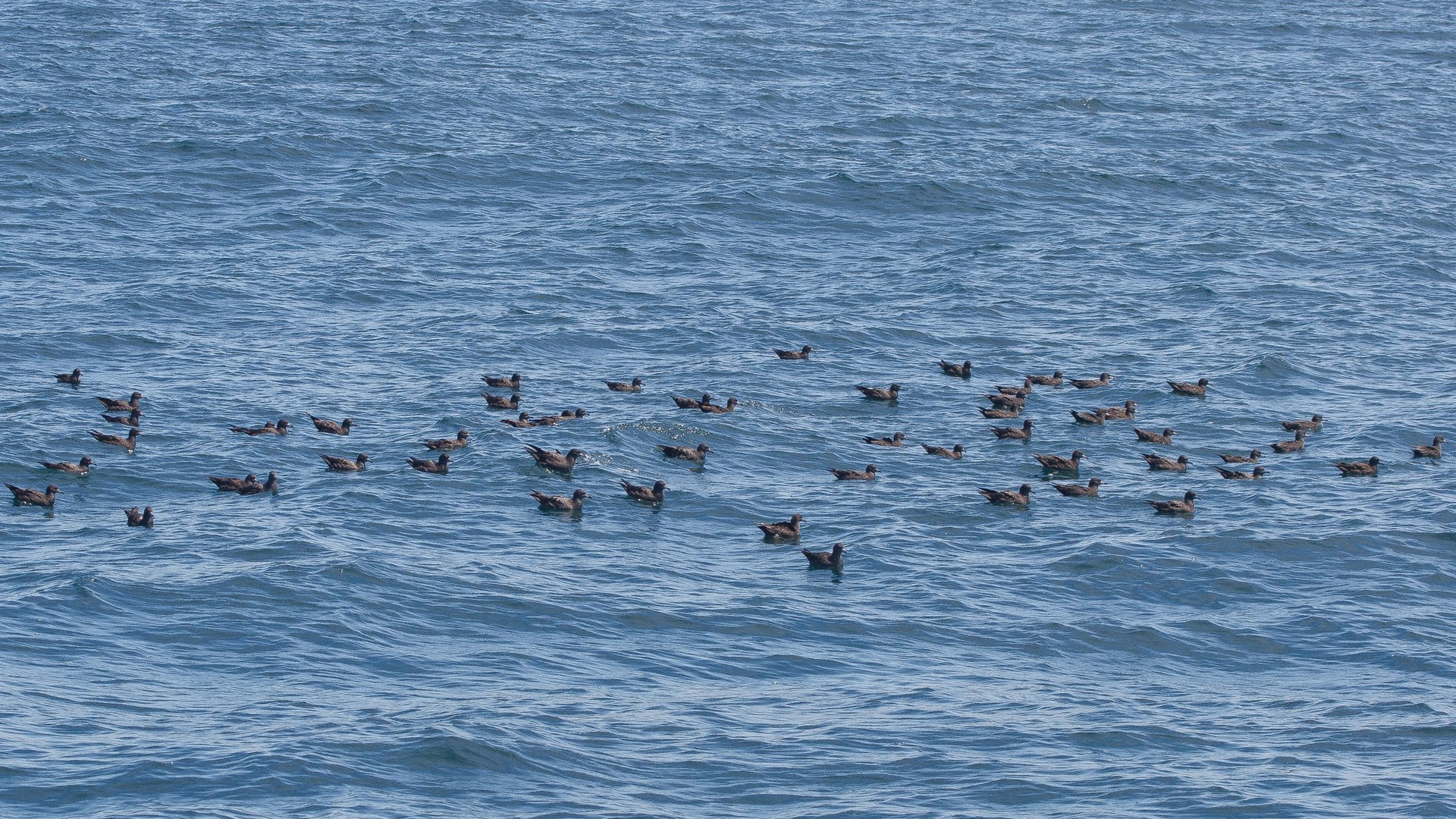
- Birds – The SAC supports internationally important numbers of Whooper Swan, Light‑bellied Brent Goose and nationally important waders such as Oystercatcher, Ringed Plover and Bar‑tailed Godwit. Gannets, Kittiwakes and Manx Shearwaters can be seen offshore in Brandon Bay.
- Little Tern – Oileán tSeannaig is the last nesting site for this rare tern in Kerry. Visitors are asked to avoid the rocky beach there from mid‑May to mid‑July to protect the birds.
- Natterjack Toad – The dunes host one of the few Irish populations of this endangered toad; specially created ponds near the golf course aid its recovery.
Birdwatching Highlights
Winter (November‑February) brings the peak of migratory waterfowl – flocks of Whooper and Bewick’s Swans, as well as large numbers of Brent Geese, feed on the mudflats. Spring sees the arrival of breeding waders such as the Oystercatcher and Ringed Plover, while the Little Tern colonies on Illauntannig are most active from late May to early July. Early‑morning walks along the board‑walks give the best chance of spotting these species.
Cultural Highlights
- Early Christian Monastic Ruins – explore the stone altars, beehive huts and cross on Illauntannig; the site is reachable by boat from Castlegregory Pier (see Atlantic Eco Tours).
- Maharee Regatta – held each July, this traditional naomhóg (currach) race draws crews from Clare, Galway and the Dingle Peninsula, offering a lively spectacle of maritime heritage.
Events & Festivals
- Maharee Regatta (July) – A week‑long celebration of the ancient currach boat, featuring competitive races, live music on the beach and family‑friendly activities. Entry is free and the event coincides with the peak of summer surf conditions.
- Surf Competitions – The spit regularly hosts national and occasional international surf contests, usually scheduled between May and September. Check local surf schools for the latest calendar.
Conservation & Education
The Maharees Dunes Conservation Group runs regular guided walks, school‑group visits and beach‑clean‑up days throughout the summer. Their aim is to raise awareness of the fragile dune ecosystem and the importance of protecting species such as the Natterjack toad and Little Tern. Information boards are positioned at the main access points, and volunteers are on hand during peak visitor periods.
Food & Drink
- Spillane’s Bar & Restaurant – located less than a kilometre from the beach, it serves fresh local seafood and has earned a Seafood Circle award.
- The Green Room Bar – a short walk away, ideal for a pint of Guinness and casual conversation.
- Castlegregory Village – just 5 km inland, the village offers a wider selection of pubs, cafés and shops.
Practical Information
| Item | Details |
|---|---|
| Access | From Tralee, take the N86 west, then the R560 at Camp Junction to Castlegregory (28 km, ~30 min). From Dingle, follow the Conor Pass (26 km, ~30 min) and turn left at Stradbally towards Castlegregory. |
| Parking | Free car parking is available at the Castlegregory Information Centre (Tailor’s Row, Castlegregory, V92 FH32). Roads are narrow and rural – drive cautiously. |
| Public Transport | Bus Eireann runs a service between Tralee and Castlegregory; the stop is in the village centre. The nearest train station is Tralee (32 km). Kerry Airport is 50 km away. |
| Accommodation | Official campsites and caravan parks are located at Sandy Bay and Anchor Caravan Park. Wild‑camping on the beach is prohibited and carries a fine (exact amount to be confirmed). |
| Dune Protection | The Maharees Dunes Conservation Group asks visitors to use designated access points, avoid walking on marram grass and refrain from lighting fires. |
| Wildlife Sensitivity | Keep dogs on a leash and stay on marked paths, especially during the Little Tern nesting season (mid‑May to mid‑July). |
| Boat Trips | Arrange island tours through Castlegregory Information Centre or Atlantic Eco Tours (https://www.atlanticecotours.com/). |
| Water‑sport Providers | Splash Sports Surfing School (https://kingdomofkerry.com/splash-sports-water-park/), Jamie Knox Watersports (http://www.jamieknox.com/), Waterworld (http://www.waterworld.ie/). |
| Dining | Spillane’s Bar & Restaurant (https://www.spillanesbar.com/), The Green Room Bar, plus numerous eateries in Castlegregory. |
| Opening | Open year‑round; entry is free. |
| Blue Flag Status | Sandy Bay holds Blue Flag accreditation, confirming high environmental and safety standards. |
Best time to visit
- Bird‑watching – Winter months (November to February) bring the highest numbers of migratory waterfowl, making it the prime season for ornithologists.
- Surfing & water sports – Late spring to early autumn offers consistent Atlantic swells and milder weather, ideal for surf festivals and kite‑boarding.
- Cultural events – The Maharee Regatta in July and occasional local music sessions create a lively summer atmosphere.
Accessibility & Visitor Tips
- Dogs are welcome but must be kept on a leash year‑round and especially during the Little Tern nesting period.
- The main beach and most of the Heritage Trail are wheelchair‑friendly, though some dune sections can be uneven.
- Always use the marked boardwalks to protect the delicate marram‑grass dunes.
- Follow any flag warnings on the beach; Atlantic conditions can change rapidly.
Nearby attractions
- Brandon Bay – A short drive north offers additional surf spots, sea‑cliffs and the iconic Mount Brandon pilgrimage route.
- Ballybunion – The famous seaside resort with a Blue Flag beach and historic castle lies about 45 km east and makes a pleasant day‑trip.
- Castlegregory – The charming village provides further dining options, a harbour for boat trips and easy access to the Maharee Heritage Trail.
- Kilmalkedar Church – A short drive inland, this early medieval church is renowned for its stone carvings and offers a quiet spot for reflection.
- Dingle Peninsula – The wider peninsula boasts sites such as the ancient Kilmalkedar Church and the rugged Slea Head Drive, perfect for extending your stay.
Getting the Most Out of Your Visit
- Seasonality – The best time for bird‑watching is winter, when the SAC hosts over 20,000 birds. Summer brings the regatta, surf festivals and the full swing of family‑friendly activities.
- Safety – The Atlantic swells can be powerful; always follow the guidance of local surf schools and heed any flag warnings on the beach.
- Cultural Respect – When visiting the monastic ruins, stay on the established paths and avoid touching fragile stonework.
Photography tip
The golden light of early morning or late afternoon brings out the rich colours of the dunes and the sparkle of the Atlantic. For the best shots of the Seven Hogs islands, position yourself on the boardwalk at Sandy Bay and look westward towards sunset.
Maharee Spit offers a rare blend of dramatic coastline, thriving wildlife and living history. Whether you arrive on a surfboard, a horse‑drawn carriage, or simply on foot, the peninsula rewards every visitor with unforgettable sights, sounds and the salty taste of the Atlantic.