
Overview
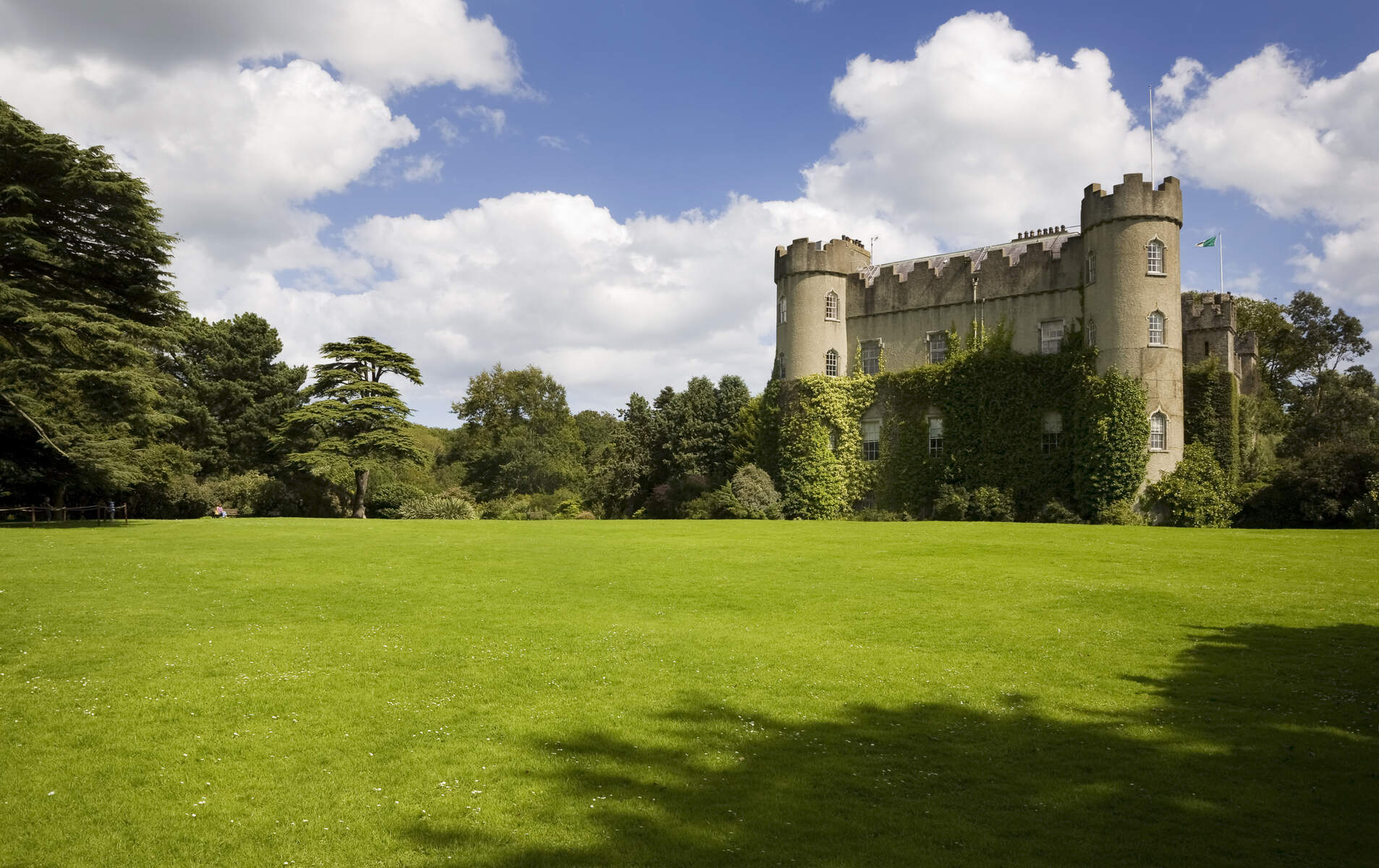
Malahide Botanic Gardens lie a short walk from the iconic Malahide Castle, set in the rolling parkland that stretches along Dublin Bay. Covering roughly twenty acres, the gardens were largely shaped between 1942 and 1973 by Lord Milo Talbot, a diplomat‑botanist whose globe‑trotting brought rare specimens from Laos, Chile and Australia. Today the site functions as a small botanic garden, home to over 5,000 plant varieties, Victorian glasshouses, a historic walled garden and sweeping lawns that frame the sea‑kissed horizon.
History
The Talbot family owned Malahide Castle from 1185 until the mid‑1970s. After the estate passed to the State in 1975, Lord Milo Talbot began an ambitious planting programme, importing exotic flora from his diplomatic postings. By the early 1970s the garden featured a Victorian‑era conservatory, seven specialised glasshouses and a 1.6‑hectare walled garden with heritage roses. A notable episode in the garden’s conservation story occurred in 1964 when a Tasmanian bushfire destroyed a native species; Lord Talbot rescued it by cultivating seed‑raised plants and later re‑introducing them to Tasmania.
Flora & Highlights
- Victorian Glasshouses – Seven glasshouses, including a classic conservatory, host tropical and subtropical collections. Look out for towering palms, colourful bromeliads and a thriving orchid collection. The glasshouses are open to visitors from May to September; they close for a short winter maintenance period (typically November‑January).
- Walled Garden – Formal bedding, herbaceous borders and a heritage rose garden change colour throughout the season. The garden’s pond, frequented by swans and cygnets, adds a tranquil water‑edge scene.
- Specialist Collections – Chilean and Australian sections showcase Southern Hemisphere species such as Nothofagus (Southern Beech) and rare Eucalyptus varieties.
- Heritage Roses – Over 200 varieties are planted within the walled garden, many of which date back to the 19th century.
- Interpretive Centre – Interactive displays detail Lord Milo Talbot’s botanical adventures and the garden’s role in Irish plant conservation.
Additional Attractions on the Estate
- Butterfly House – Ireland’s only butterfly house sits within the castle grounds. Open year‑round, it offers a tropical environment where visitors can observe dozens of free‑flying species. Entry is free with a garden ticket.
- Scale Railway Museum – Housed in a 19th‑century thatched cottage, the museum displays hand‑crafted model railways and tells the story of Irish railway heritage – a hit with families. Opening times: April‑September 9:30‑18:00, October‑March 10:00‑17:00 (Monday 13:00‑17:00).
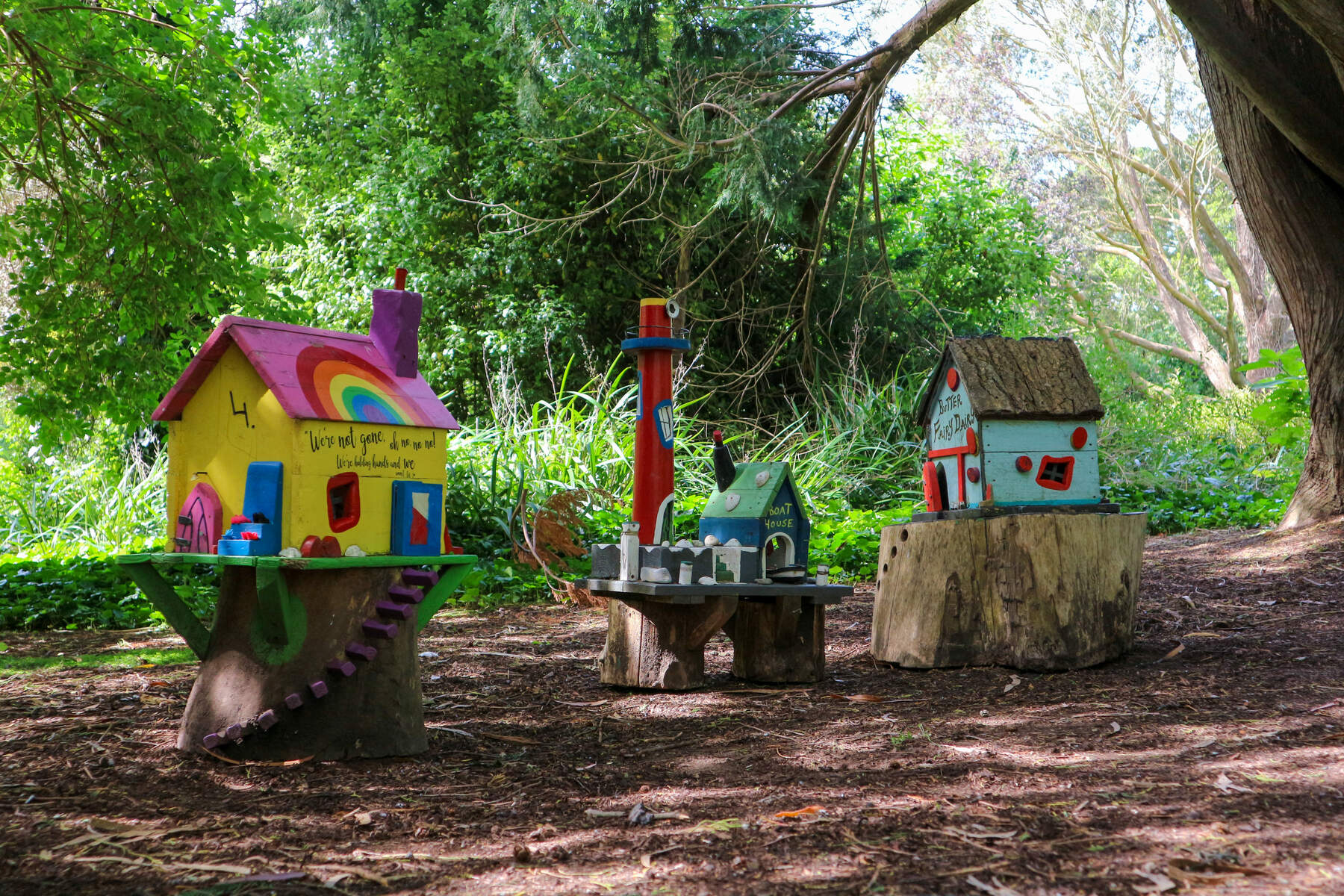
- Fairy Trail – A whimsical path dotted with fairy‑themed sculptures, perfect for children and photo‑ops.
- Dog‑Friendly Paths – Pathed walkways wind through the gardens, allowing leashed dogs to accompany their owners.
- Picnic & Pond – Lawns and shaded benches overlook the ornamental pond, a popular spot for families and sketchers.
Events & Seasonal Highlights
- Summer Festival (West Lawn) – Held each July on the West Lawn, featuring tribute bands, food stalls and family entertainment.
- Plant Fairs & Horticultural Workshops – Throughout the summer months, the garden hosts specialist talks, seed‑swap events and gardening workshops (check the website for the current programme).
- Guided Walks – Regularly scheduled tours in English, French, German, Italian, Portuguese, Russian and Spanish.
- TG4 Documentary Series – A six‑part series gives a behind‑the‑scenes look at the garden’s horticultural work and conservation efforts.
- Combined Day‑Trip Tours – Several local operators offer guided tours that pair the Botanic Gardens with a visit to Howth’s cliffs and harbour, providing a seamless north‑coast experience.
Arts & Sketching
The Botanic Gardens have long attracted artists. A popular blog post from 2021 describes sketchers gathering by the pond to draw swans, cygnets and water‑lilies. The tranquil lawns and colourful borders provide ideal subjects for watercolour, pencil and pastel work. Visitors are welcome to bring sketchbooks and enjoy the ever‑changing palette of the gardens.
Practical Information
Opening Hours
| Day | Opening | Closing |
|---|---|---|
| Monday – Sunday | 09:30 | 16:30 |
The main garden is open year‑round. The Victorian glasshouses operate from May to September and close for a short maintenance period each winter (typically November‑January).
Admission Fees
| Ticket Type | Price |
|---|---|
| Adult | €12 |
| Student / OAP | €8 |
| Child (under 12) | €6 |
| Family (2 adults + 2 children) | €26 |
Prices are subject to change; check the official site before you go.
Getting There
- By Train – DART to Malahide Station, a 10‑minute walk to the castle grounds.
- By Bus – Dublin Bus routes 32 and 42, plus the airport service (route 102), stop near the castle.
- By Car – Free on‑site car park with ample spaces and seven coach bays.
Accessibility
- Disability parking at the main entrance.
- Main pathways are level and wheelchair‑friendly; some historic sections of the walled garden have uneven surfaces – staff can advise on the most accessible routes.
Facilities
- Food & Drink – The Avoca restaurant in the visitor centre serves light meals, coffee and locally sourced pastries.
- Shop – Gifts, gardening books and Irish crafts.
- Guides & Audio – Multilingual guided tours and audio‑guide booklets available at the entrance.
Nearby Recommendations
A visit to Malahide Botanic Gardens pairs well with other north‑coast attractions:
- Ardgillan Castle – Just a short drive north, offering extensive parkland and sea views.
- Howth – Walk the cliffs, explore the harbour and enjoy fresh seafood.
- Velvet Strand Beach – A sandy stretch ideal for a post‑garden stroll.
Malahide Botanic Gardens provide a rare blend of horticultural excellence, historic charm and coastal serenity, making them a rewarding stop on any north‑side Dublin itinerary.