
Overview
Marlborough Hall dominates the leafy suburb of Glasnevin from its perch on Mobhi Road, overlooking the River Tolka. The imposing, twenty‑two‑bay, three‑storey structure is built of rock‑faced granite with slate roofs, gabled ends and a striking front porch that hints at a baronial past. Today it houses Whitehall College of Further Education, offering a range of courses to local learners while preserving a slice of Dublin’s institutional heritage.
Architectural Highlights
Designed by the eminent Irish architect James Franklin Fuller (1835‑1924), the building exemplifies Fuller’s baronial‑inspired institutional style. Key features include:
- Granite façade – rock‑faced granite walls give the hall a severe, monumental presence.
- Octagonal turrets – engaged on corbel supports at each gabled end, adding a medieval flavour.
- Baronial porch – a crenellated, pointed‑arch entrance framed by decorative cast‑iron columns and a flat roof.
- Clock face – set within a cut‑stone surround on the entrance gable, complete with hood‑moulding.
- Slate roofing – pitched slate roofs with copper ventilation lanterns and leaded valleys.
- Windows – square‑headed openings with angled granite sills, mullions and transoms; a mix of timber casements, sliding sashes and casements across the elevations.
These elements have survived largely untouched, making the exterior a rewarding subject for architecture enthusiasts and photographers.
Extended History
- 1905‑1908 – Constructed as the Marlborough Hall Teacher‑Training College, a non‑denominational institution under the Commissioners of National Education. The building was officially opened on 24 August 1908 by the Lord Lieutenant of Ireland after a prior ceremony by Lord Aberdeen.
- 1911 & 1919 – Extensions added, lengthening the hall and reinforcing its institutional character.
- 1914‑1918 – Served as a military convalescent home for soldiers wounded in the First World War and later for those injured during the Irish War of Independence.
- 1920s‑1930s – Continued as a teacher‑training college; from 1926‑1938 it operated as Coláiste Caoimhín, an Irish‑language preparatory college, reflecting the national push for Irish language education.
- 1939‑1988 – Occupied by the Department of Defence, first as the finance branch and later as the headquarters of the Defence Forces Medical Corps.
- 2014 – The Defence Forces vacated after 75 years, and the building was handed over to the City of Dublin Education and Training Board.
- 2014‑present – Re‑opened as Whitehall College of Further Education, restoring its original educational purpose while retaining the historic fabric.
The hall’s layered past mirrors Dublin’s social and political changes, from non‑denominational education reforms to wartime service and modern further‑education provision.
What to See & Do
Visitors to Marlborough Hall can appreciate a wealth of architectural details that have survived largely untouched:
| Feature | Description |
|---|---|
| Facade | South‑facing, full‑height gabled three‑bay ends with engaged octagonal turrets on corbel supports. |
| Porte‑cochère | Crenellated, pointed‑arch entrance surrounded by decorative cast‑iron columns and a flat roof. |
| Windows | Square‑headed openings with angled granite sills, mullions and transoms; timber casements on the south elevation and a mix of sliding sash and casement windows elsewhere. |
| Clock Face | Set within a cut‑stone surround on the entrance gable, complete with hood‑moulding. |
| Roofing | Pitched slate roofs with angled ridge tiles, leaded valleys and copper ventilation lanterns. |
| Grounds | 27 acres of former Bank Farm, bordered by hedges, mature trees and the River Tolka; includes a car park, tennis courts and a warden’s booth. |
Guided tours are occasionally offered by Whitehall College students, providing insight into the building’s layered past. In 2014, local resident Louis O’Flaherty delivered a talk titled “From Marlborough to Whitehall”, followed by a short tour and tea, highlighting the hall’s role as a community landmark.
Nearby Walks & Attractions
- River Tolka Linear Park – A pleasant riverside walk runs alongside the hall’s western boundary, offering bird‑watching and views of the historic grounds.
- Arbour Hill – Just a short walk north, this historic military cemetery and the site of the 1916 Rising’s execution barracks provides a poignant complement to the hall’s Defence Forces history. (Arbour Hill)
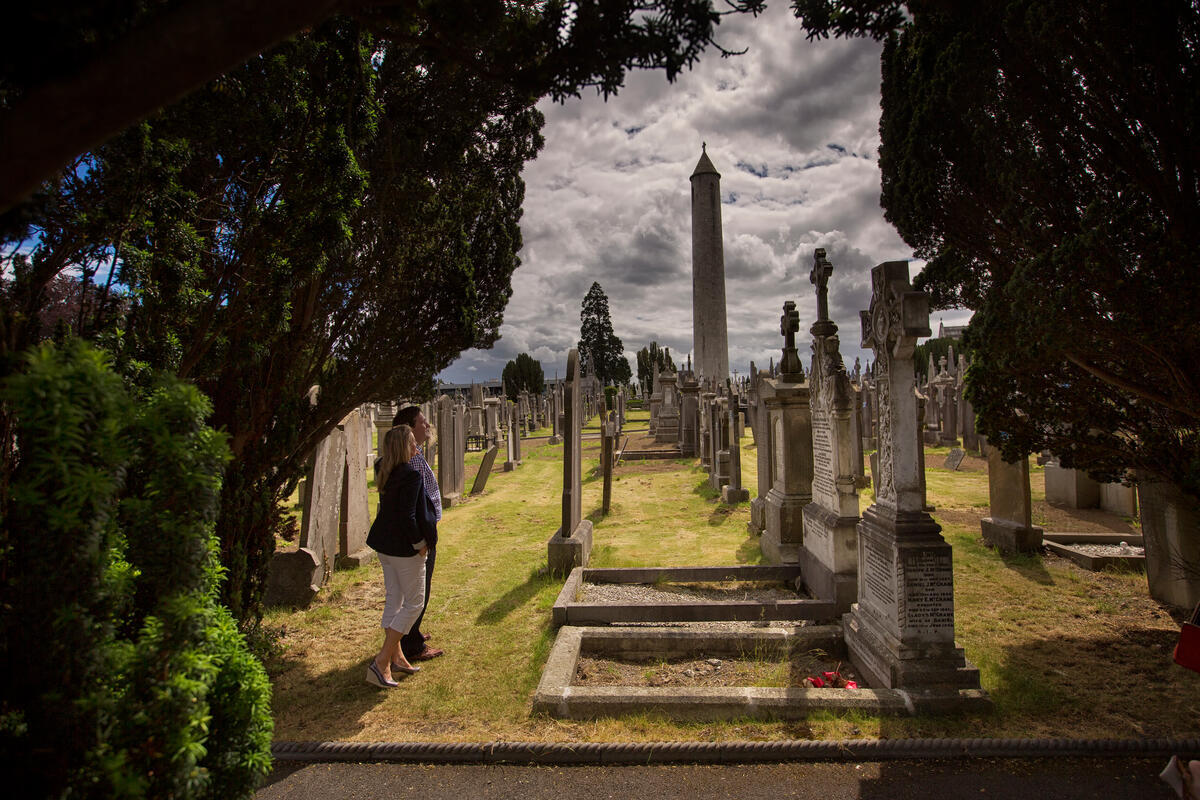
- Glasnevin Cemetery – Ireland’s most famous Victorian cemetery is a 10‑minute walk away, ideal for those interested in genealogy and Irish history.
These attractions make Marlborough Hall an excellent anchor point for a half‑day heritage walk in north‑side Dublin.
Visiting Information
Address: Whitehall College of Further Education, 9 St. Mobhi Road, Glasnevin, Dublin 9 (formerly Marlborough Hall).
Phone: 01 837 6011 / 01 837 6012 (source: college website).
Website: https://whitehallcollege.com/
Opening hours: The exterior and grounds are open daily from 08:00‑18:00. Interior access is limited to scheduled tours or college‑run events; visitors should check the college’s website or contact the college for tour dates.
Access & Parking: The building is set back from Mobhi Road behind a low stone wall topped with ornamental cast‑iron lamps. A paved drive leads to a modest on‑site car park (recommended for drivers). Limited on‑street parking is also available.
Public transport: A 10‑minute walk from Glasnevin DART station. Served by Dublin Bus routes 27, 27A and 27B.
Accessibility: The main entrance features a flat‑roofed porte‑cochère and a raised timber door. Specific wheelchair‑ramp provisions are not detailed on the college site; visitors requiring assistance should contact the college via the website’s contact form.
Visiting etiquette: As the building remains an active college, keep noise to a minimum, respect students and staff, and refrain from entering interior spaces unless a guided tour is in progress.
Events: Whitehall College periodically opens the hall for community heritage talks, open‑day tours and cultural events. Keep an eye on the college’s Events page for the latest schedule.
Marlborough Hall stands as a testament to Dublin’s architectural ambition and adaptive reuse. Whether you are an architecture enthusiast, a history buff, or a local resident curious about the grand stone façade that has watched over Glasnevin for more than a century, a stroll around this landmark offers a tangible connection to the city’s layered past.