
Overview
Mealagh Valley lies just outside the coastal town of Bantry in West Cork, a short 1½‑hour drive from Cork Airport. The valley is defined by the meandering Mealagh River, which springs from Nowen Hill and winds through a landscape dotted with Celtic ringforts, standing stones and megalithic tombs. Its Irish name, Mealach, means “honey”, a nod to the abundance of wild bees that still buzz among the hedgerows and wildflowers.
The valley is not only a repository of prehistoric monuments; it is also a vibrant community hub. A single local school serves families, while the Mealagh Valley Community Centre hosts events, classes and a thriving Facebook group that kept the valley connected during the pandemic.
History & Heritage
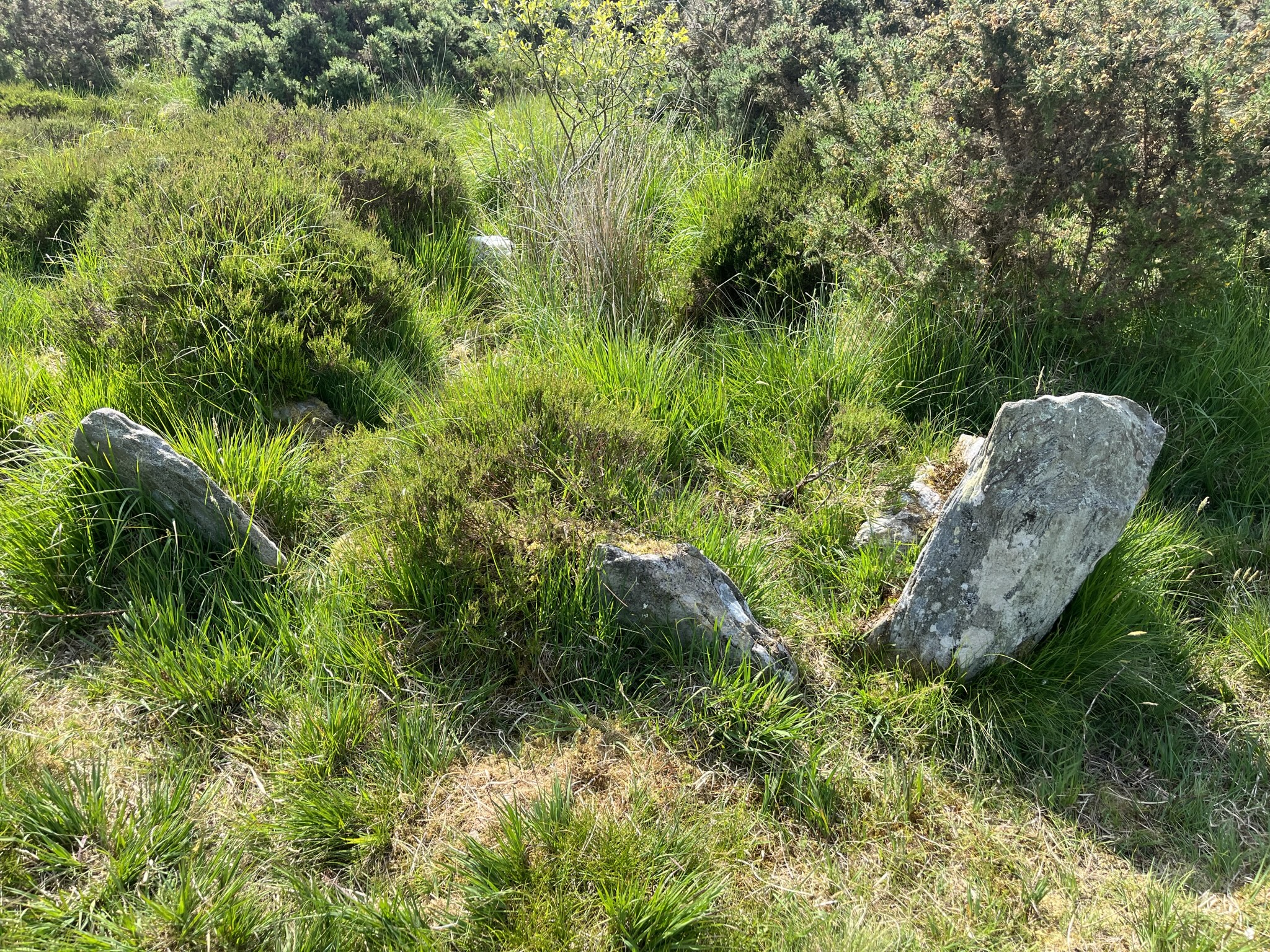
The archaeological record of Mealagh Valley stretches back to the Neolithic, when early settlers erected stone circles and burial cairns that still punctuate the countryside. Notable sites include:
- Ardrah ringfort (Árd Rath) – a high‑status early medieval fort overlooking the valley, likely dating to 500‑1000 AD.
- Ardrah stone row – a five‑stone alignment (originally four) oriented ENE/WSW, typical of Bronze Age ceremonial rows.
- Barnagowlane wedge tomb – a classic Bronze Age wedge tomb, oriented towards the setting sun; the capstone remains in situ.
- Four‑poster monument – one of only five such monuments in Ireland, consisting of three surviving upright stones forming an irregular quadrilateral.
- Booley (summer pasture), hedge school and mass rock – remnants of the valley’s social history, illustrating traditional seasonal farming, clandestine education and penal‑era worship.
These monuments are part of a broader Celtic landscape that includes ringforts and standing stones, offering a tangible link to Ireland’s ancient past.
In recent years the valley’s cultural story has been amplified through the award‑winning documentary Voices of the Valley. Produced in 2025, the film captures the recollections of twelve local elders, preserving oral histories that speak of once‑common sounds such as the corn‑crake’s “summer song”. The documentary earned a National Heritage Week Award and is available via the Mealagh Valley Heritage website.
A new guidebook, Walking With Stones, by local archaeologist David Myler (2023), brings together the valley’s most accessible sites with photographs and practical notes for families. Myler’s earlier, out‑of‑print survey remains a key reference for serious researchers.
What to See & Do
Walking & Heritage Trails
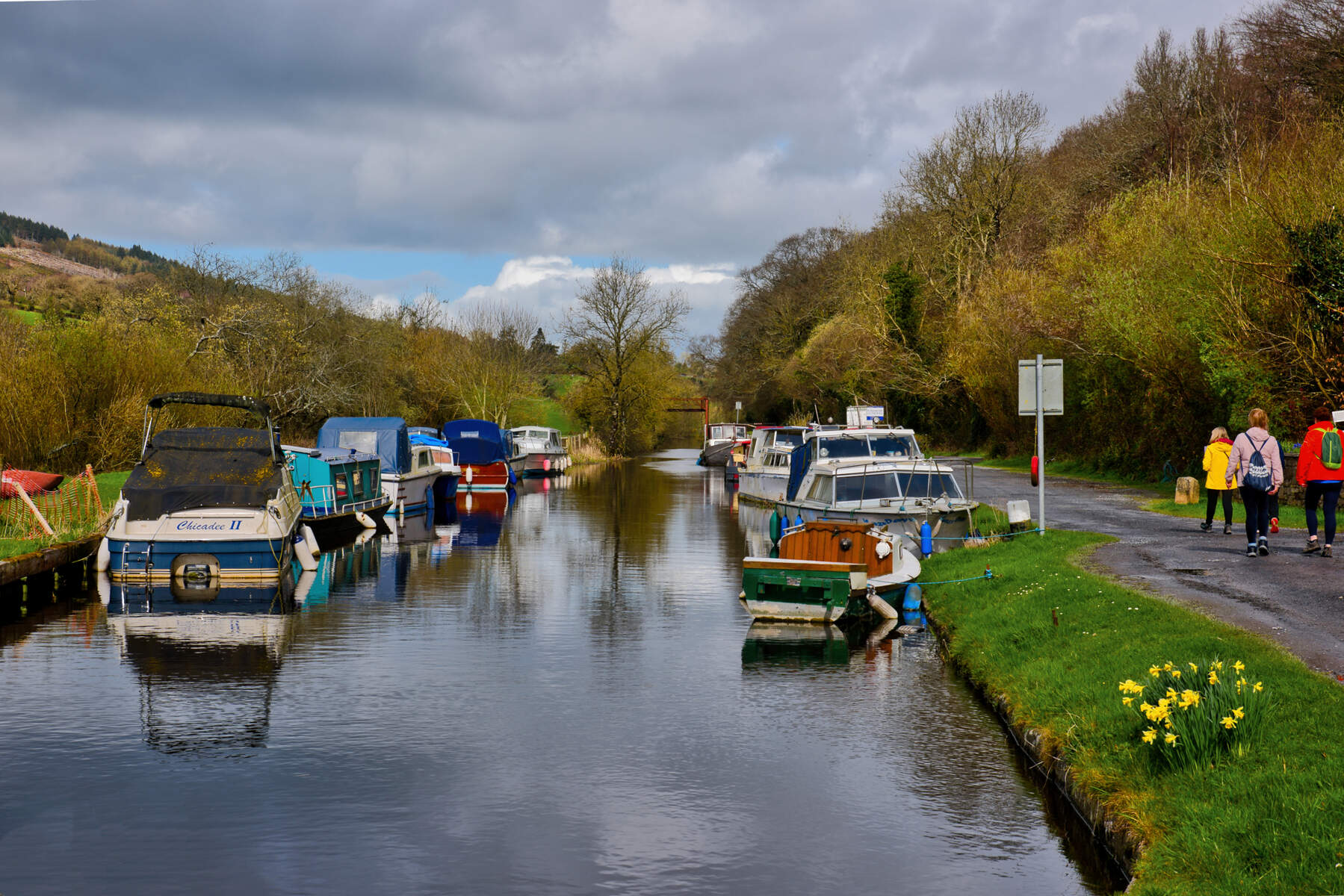
- Mealagh Valley Loop (11 km, easy) – A mostly level road walk that circles the eastern half of the valley, crossing fields, riverbanks and the Mealagh Woods. The route includes a detour to the Barnagowlane Wedge Tomb. According to HiiKER the loop is rated 4.58 / 5, takes about 2 hrs 30 min and has an elevation gain of 185 m, making it suitable for most walkers. The trail is noted as wheelchair‑friendly on most sections.
- Mealagh Valley Woods Loop (3.5 km, gentle) – A quiet woodland circuit that follows the river’s edge, showcasing native flora and the occasional otter. Dogs are welcome off‑lead in the woods but must be kept on a lead near the water.
- 10‑km Mealagh Valley Walk – Part of the Drimoleague Heritage Walkways, this longer trek combines tarred road sections with rugged mountain scenery. Highlights include a megalithic tomb, a stone circle, the village of Kealkill and the striking silhouette of Carriganass Castle at the terminus.
- St Finbarr’s Pilgrim Path – This historic pilgrimage route passes directly in front of the Wild Hideaways gate, offering walkers a spiritual and scenic corridor through the valley.
- Ardrah Ringfort & Stone Row Walk – A short 1 km walk from the community hall to the Ardrah ringfort and adjacent stone row, ideal for families interested in early medieval and Bronze Age sites.
- Mealagh Valley Walk (20 km) – linking Beara Way & Sheep’s Head Way – Opened in April 2010, this newer route creates a continuous 500 km walking corridor from Allihies on the Beara Peninsula to Kilcrohane on Sheep’s Head. The walk passes the Knockenalora wedge tomb, several standing stones and stone circles, and offers panoramic views of Bantry Bay, the Beara and Sheep’s Head peninsulas. The opening ceremony was led by local historian Seán O’Brien, who unveiled a map board at the community hall. The route is sign‑posted and maps are available from the Ardnashee Walks website.
All routes can be downloaded as GPX files from the Sheeps Head Way site, and printed PDFs are available at the Mealagh Valley Heritage Centre.
Wild Hideaways Eco‑Spa & Glamping
John and Amy O’Sullivan’s Wild Hideaways is a six‑cabin luxury glamping resort perched on a three‑acre site with panoramic views of Bantry Bay, the Borlin Valley, Beara and Dunmanway. Each cabin features:
| Feature | Details |
|---|---|
| Bedroom | Private en‑suite bedroom with large panoramic windows |
| Living Area | Open‑plan lounge with seating and fire‑pit outside |
| Kitchen | Fully equipped kitchen for self‑catering |
| Bath | Secluded sea‑weed infused hot tub |
| Spa | On‑site Echo Spa with sauna and cold‑water therapy suite |
The cabins are arranged in a semi‑circle to maximise views while preserving privacy. The resort’s ethos is “re‑wilded” – the surrounding bog was replanted with native grasses and a pond was constructed to encourage wildlife.
Flora & Fauna
The valley’s hedgerows are alive with wild bees, giving the Irish name Mealach its meaning. Birdwatchers can hope to spot the elusive corn‑crake during the summer months, a species highlighted in the Voices of the Valley documentary. The River Mealagh supports otters, and the re‑wilded bog attracts a variety of native grasses, wildflowers and occasional butterflies. Spring brings a carpet of bluebells and primroses, making the woods especially photogenic.
Community & Culture
- Mealagh Valley Heritage Centre – Offers exhibitions, a native‑tree quiz and information on local biodiversity. The centre also promotes the West Cork Native Tree Quiz, an interactive way to learn about the region’s flora.
- Community Hall Events – Regular workshops such as the Christmas Craft Workshop (December 2025) and seasonal music sessions are advertised on PureCork.ie and the hall’s Facebook page.
- Voices of the Valley – The award‑winning documentary can be streamed via the Mealagh Valley Heritage website.
- Memorial Oak Seat – “Owen’s Kitchen” – A solid oak seat erected in October 2024 at Glencreagh in memory of local shepherd Owen O’Sullivan, who helped found the Drimoleague Heritage Walk. The seat provides a shaded rest point for walkers. Nearby is Tobar Úr, a well reputed never to run dry and praised for its icy, pure water.
Practical Information
Getting There
Mealagh Valley is accessed via the R585 road from Bantry. The nearest airport is Cork Airport (approximately 1.5 hours by car). Public transport options are limited; a rental car provides the most flexibility for exploring the valley’s dispersed attractions.
Parking & Access
- Wild Hideaways – Free on‑site parking for guests.
- Community Hall & Heritage Centre – Limited free parking beside the hall; arrive early during events.
- Trailheads – Most walking routes start from the community hall car park.
Accessibility
Cabins at Wild Hideaways have wheelchair‑accessible entrances and level interiors. Trail surfaces vary: the Mealagh Valley Loop is mostly level but includes uneven sections and a modest 185 m ascent; the Ardrah Ringfort walk involves low banks and may be challenging for mobility‑impaired visitors.
Accommodation & Booking
- Wild Hideaways – Bookings can be made directly on the resort’s website (currently unavailable; contact via the community centre for details). The cabins operate nine months of the year, with a seasonal break in the Irish winter when the owners return to Australia.
- Tig Micheál Bán – A renovated farmhouse offering views over the valley and the Kerry Mountains. Details and reservations are available at Discover Ireland.
Trail Resources
- GPX and PDF maps for the Mealagh Valley Loop are downloadable from the Sheeps Head Way site.
- The Drimoleague Heritage Walkways guidebook can be purchased at the Centra shop in Drimoleague.
Visitor Services
- On‑site parking is free at Wild Hideaways.
- Dogs are welcome off‑lead on the Mealagh Valley Woods Loop but must be leashed near the river to protect otters.
- For community events or hall hire, contact the Mealagh Valley Community Centre via their Facebook page.
Road Safety & Footpath Concerns
In November 2025 local councillor Danny Collins raised a motion for a road‑safety audit on the Newtown East road leading into the Mealagh Valley, citing the lack of a continuous footpath for the growing number of households. While sections of footpath exist near the Pairc Na Carraige estate, the route to the Cúl Na Gréine estate remains without a dedicated walkway. The council acknowledged the request and indicated that any new footpath would require land acquisition and planning permission, with potential funding from the National Transport Authority.
Sustainability
Both the glamping resort and the broader community emphasise local employment and environmentally‑sensitive practices. Massage therapists, cleaners and sea‑weed bath suppliers are sourced from the valley and nearby Beara, reinforcing the LEADER grant’s aim of rural community development.
Nearby Celtic Landscape
The valley sits close to the Gaeltacht village of Ballyvourney, another centre of Celtic heritage and traditional music, making it easy to combine a day‑trip exploring both areas.
Mealagh Valley offers a rare blend of ancient history, unspoiled nature and contemporary eco‑luxury. Whether you are tracing stone circles, strolling along river‑lined woods, or unwinding in a sea‑weed infused hot tub, the valley invites you to experience the wild magic that has inspired locals for generations.