
Overview
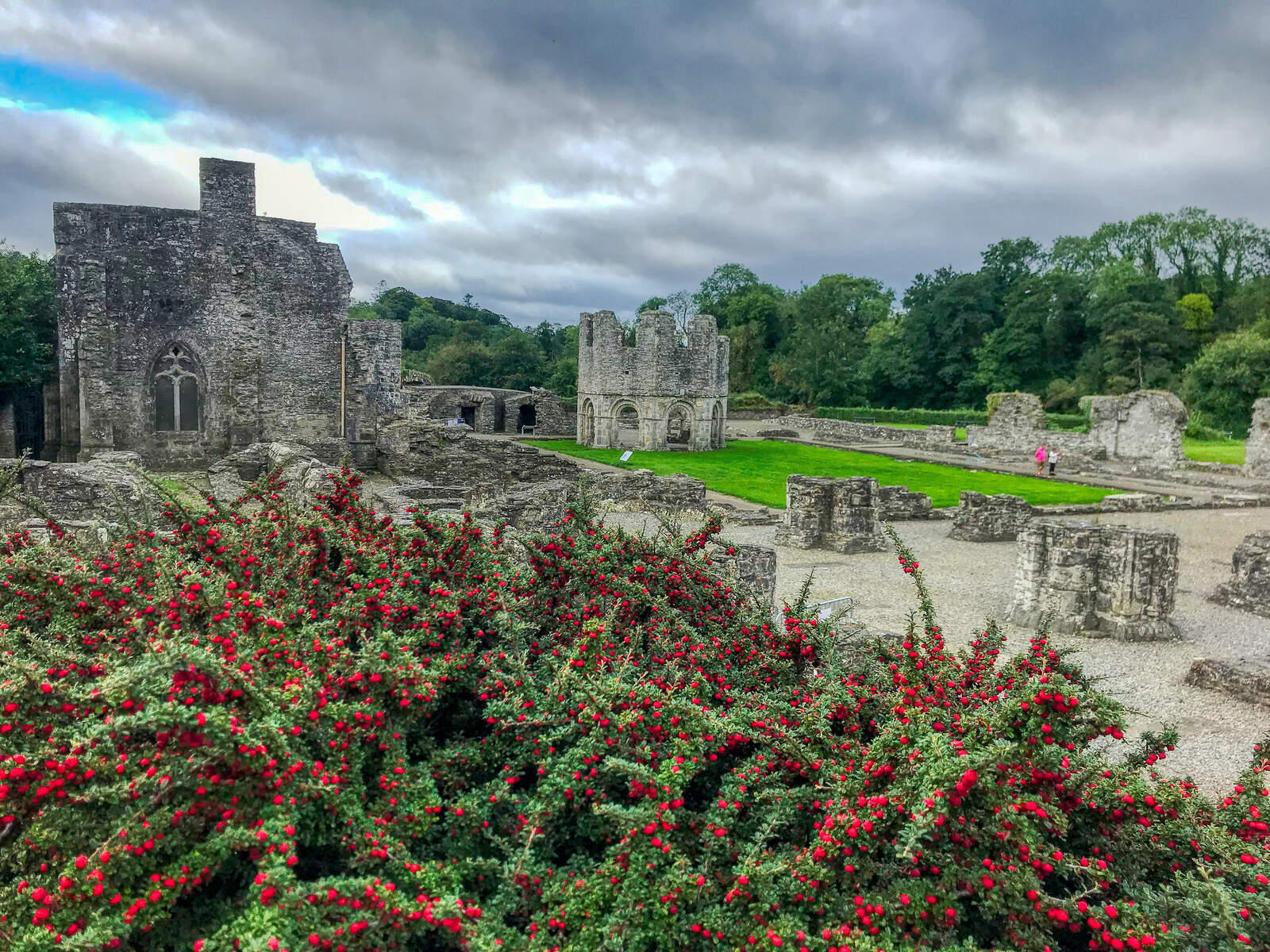
Mellifont Abbey sits on the gentle banks of the River Mattock, about 10 km north‑west of Drogheda in County Louth. As the first Cistercian foundation on the island, it became the architectural and spiritual model for a network of daughter houses that spread across medieval Ireland. The site now forms a key stop on the popular Boyne Valley Drive, offering a blend of dramatic stonework, a striking two‑storey octagonal lavabo, and a visitor centre that brings the medieval craft of masons to life.
History
The abbey was founded in 1142 at the behest of Saint Malachy, Archbishop of Armagh, who had trained briefly with the Cistercian reformers at Clairvaux in France. A small group of French monks arrived, and despite an early cultural clash they completed the monastery, which was consecrated in 1157 with great pomp. By 1170 the community had swelled to a hundred monks and three hundred lay brothers, and its formal French‑inspired layout set the standard for later Irish Cistercian houses – the so‑called “daughters of Mellifont”.
In 1152 Mellifont hosted a pivotal synod attended by bishops, kings and the papal legate Giovanni Paparoni. The abbey’s influence continued through the Norman period, and by the early 15th century it controlled more than 48 000 acres of grange land. The Dissolution of the Monasteries under Henry VIII reached Mellifont in 1539; the stonework was repurposed for a fortified house built by Edward Moore in 1556.
The grounds later played a diplomatic role when the Treaty of Mellifont was signed there in 1603, ending the Nine Years’ War. In 1690 William of Orange used the former abbey house as his headquarters during the Battle of the Boyne. Over the centuries the site fell into ruin, but the most evocative remains – the 13th‑century lavabo, Romanesque arches, and the 14th‑century chapter house – survived.
What to See & Do
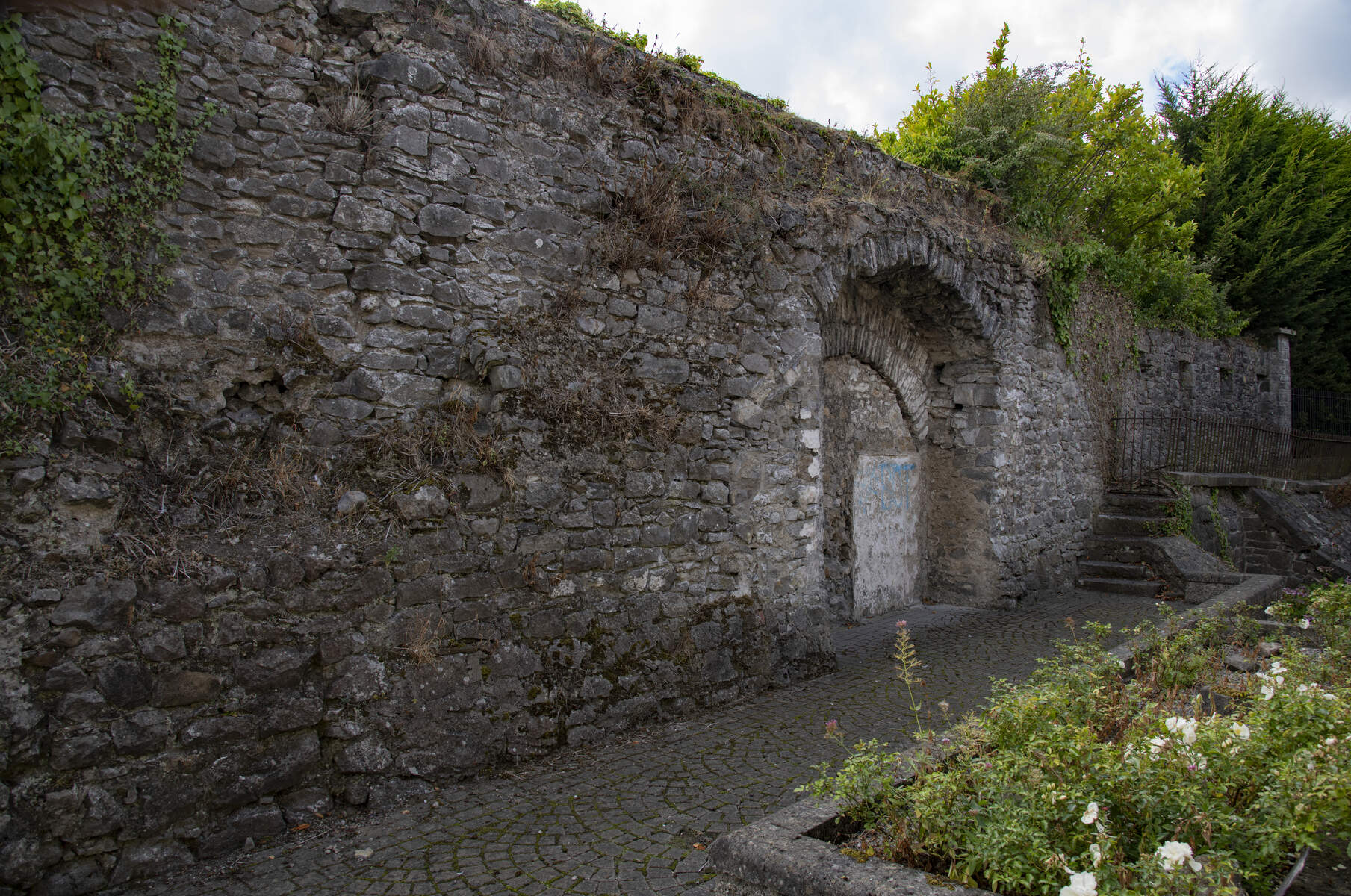
- The Gatehouse – The surviving three‑storey tower archway once controlled access to the monastic precinct. Its sturdy stonework hints at the defensive concerns of a medieval abbey.
- Ruined Church and Cloister – From the present entrance you can trace the footprint of the original east‑west church (58 m long, 16 m wide) and the surrounding cloister garth. Subtle wall fragments allow the imagination to reconstruct the once‑imposing complex.
- Chapter House – This east‑side building retains portions of its vaulted ceiling and was the heart of monastic administration. It later served as a dining hall, a pig sty, and the venue for the 1603 treaty and William of Orange’s 1690 headquarters.
- Octagonal Lavabo – Perhaps the most photographed feature, the two‑storey octagonal lavabo was used for ritual hand‑washing before meals. Its four surviving arches showcase the Cistercian skill in stone carving.
- Visitor Centre – Inside, a permanent exhibition displays fine examples of medieval masonry, a scale model of the abbey at its zenith, and audio‑guided stories of the monks, kings and battles that passed through the site.
- Guided Tours – During the summer months, knowledgeable guides lead 40‑minute tours (available in English, Irish, French, German, Italian and Spanish) that bring the chapter house’s 800‑year history to life.
- Nearby Attractions – The abbey’s location makes it easy to combine a visit with the Battle of the Boyne Visitor Centre (12 min drive), the World Heritage site of Brú na Bóinne (15 min), and the historic town of Drogheda.
Practical Information
Opening hours
| Season | Dates | Daily opening time |
|---|---|---|
| Summer visitor centre | 25 May – 03 September | 10:00 – 17:00 |
| Year‑round grounds | All year | Open daily (no closing time) |
The last admission to the visitor centre is 45 minutes before closing. An average visit to the ruins and centre lasts about one hour.
Admission fees
| Category | Price (€) |
|---|---|
| Grounds (self‑guided) | Free |
| Visitor centre & guided tour | Adult: 5 |
| Group / Senior: 4 | |
| Child (12‑17) / Student: 3 | |
| Family (2 adults + up to 3 children): 13 |
Parking – Free on‑site parking is available adjacent to the entrance. The site is fully accessible for visitors with disabilities; the visitor centre can be reached via a stone stairway and a level ramp.
Getting there – The abbey lies on the R168 (Drogheda‑Collon Road), 10 km north‑west of Drogheda. From Dublin, take the M1 north to the A92/K682 exit and follow signs to Tullyallen. Detailed directions are available on the Google Maps location.
Contact
- Phone (summer): +353 41 982 6459
- Website: Heritage Ireland – Old Mellifont Abbey
Accessibility – The site is fully wheelchair‑accessible, with tactile signage and audio guides for visually impaired visitors. Guided tours can be requested in advance for larger groups (maximum 35‑40 participants).
Visitor notes – The visitor centre exhibition is housed in a modern building that contrasts with the ancient stonework, offering a comfortable indoor space for families and school groups. Audio‑visual displays illustrate the work of medieval masons, making the technical aspects of Cistercian architecture understandable to all ages.
Latitude / Longitude – 53.7428, ‑6.46587
Mellifont Abbey remains a powerful reminder of Ireland’s medieval monastic renaissance and a vivid, accessible destination for anyone exploring the rich tapestry of the Boyne Valley.