
Overview
Mount Errigal (Irish: An Earagail) rises to 751 m (2,464 ft) and is the crowning point of the Derryveagh Mountains and the Seven Sisters range in County Donegal. Its conical shape, pink‑tinged quartzite and ever‑changing silhouette have earned it the title of Ireland’s Most Iconic Mountain (Walking & Hiking Ireland, 2009). The mountain looms over Glenveagh National Park, Dunlewey Lough and the rugged Atlantic coastline, offering a dramatic backdrop for photographers, hikers and cultural enthusiasts alike.
History & Legend
The name Errigal derives from the Old Irish airecal, meaning “oratory”. While no physical oratory survives, the mountain has long been regarded as a place of prayer. Legend tells that the Fir Bolg, an ancient people said to have arrived from Greece, named the peak after worshipping it as a local Mount Olympus. In recent years the official name has been clarified – the State tourism board apologised in 2016 for using the erroneous “Mount Errigal” in its brochure, reaffirming that the correct Irish name is An Earagail.
Errigal has also left its mark on popular culture: it appears in Clannad’s 1985 video In A Lifetime, The Chills’ 1990 video Heavenly Pop Hit, and the 2011 film Your Highness. Its pink glow at sunset has inspired composers such as Vincent Kennedy, who titled a piece “Snowfall on Errigal”.
What to See & Do
The Summit Hike
The most popular route starts from the purpose‑built car park on the R251, about a 20‑minute drive from Gweedore and a 35‑minute drive from Letterkenny. The trail is now a 4.5‑5 km round‑trip (depending on the source) of mixed terrain, classified as moderate to strenuous. Recent conservation work has added a 1.4 km gravel path over the formerly boggy lower section and installed steps near the summit, making the ascent more comfortable while protecting the fragile blanket‑bog habitat.
From the car park, hikers follow the clear path for roughly 1.4 km before the trail steepens. The ascent climbs about 525 m to the main summit, where on a clear day you can spot Slieve Snaght to the north and Ben Bulben in County Sligo to the south. The summit features two peaks: the higher main peak and a secondary peak accessed via the narrow “One Man’s Pass”, a ridge only wide enough for a single walker. The pass offers a unique perspective of the mountain you have just climbed and doubles the sense of achievement.
Post‑Hike Activities
- Dunlewey Lough – A short drive from the trailhead, the lough is ideal for guided kayaking tours that weave together local folklore and natural history.
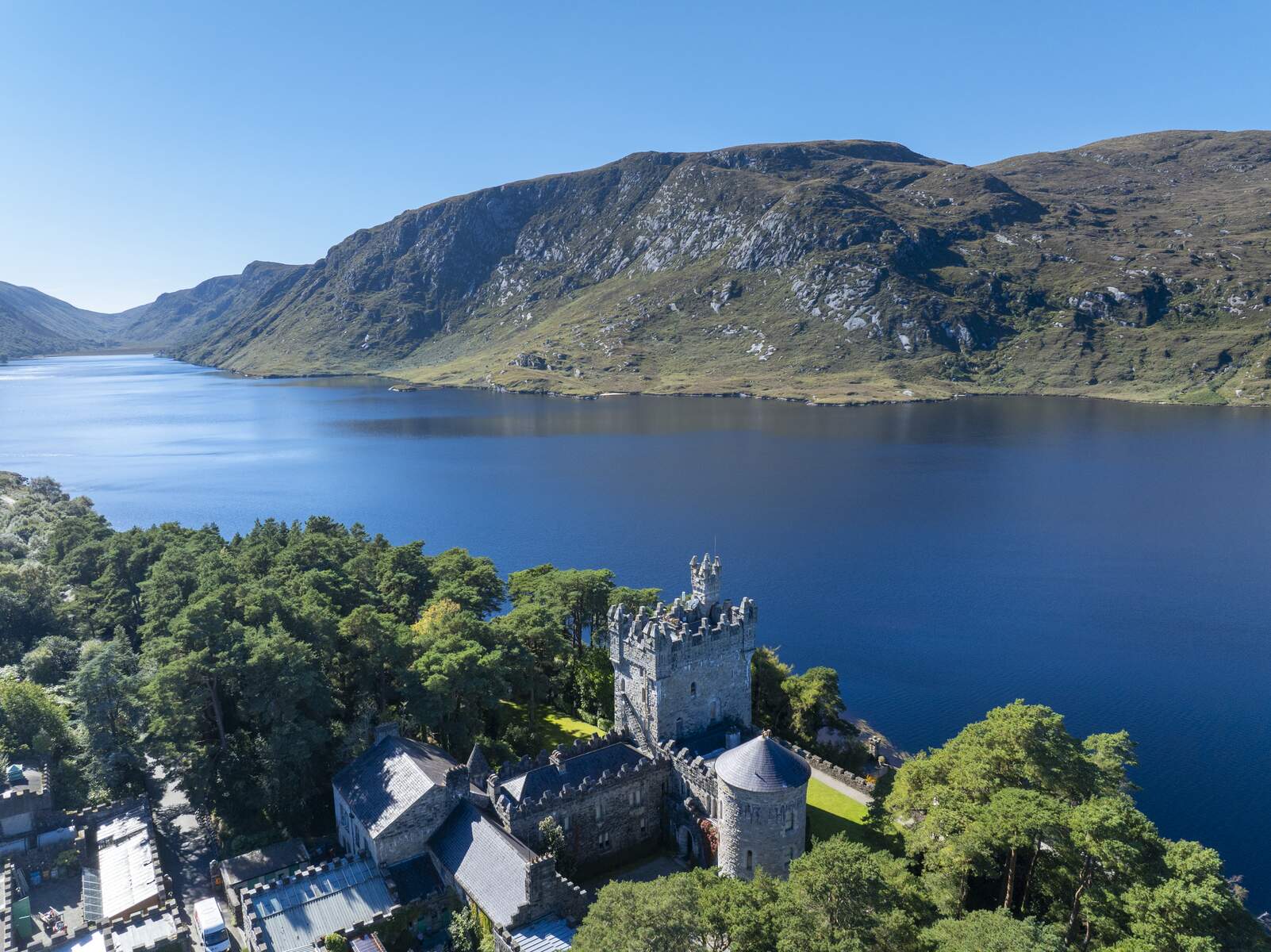
- Glenveagh National Park – The park’s walking trails, wildlife‑rich habitats and historic castle are just a few minutes away. Learn more on the Ireland.com page.
- Coastal Excursions – Beaches such as Carrickfinn and Killahoey are within a 30‑minute drive, offering a chance to unwind after the climb.
- Cultural Stops – Visit the nearby town of Letterkenny for live music, traditional Irish dance (a feis), and the Mount Errigal Hotel’s leisure facilities.
Conservation & Sustainable Visiting
Errigal’s popularity has led to erosion on the lower slopes and along the “Direct Approach” route. A 2018 conditional assessment highlighted damage to wet heath, blanket bog and peat hags. In response, the Errigal Stakeholders Group, supported by the ASCENT project, completed a sustainable access path in November 2022 and installed protective obstacles on vulnerable ridges. Visitors are encouraged to stay on the marked trail, which not only preserves the habitat but also enhances the walking experience.
Practical Information
- Parking: The designated car park on the R251 holds 10‑12 vehicles and can fill quickly on fine summer days.
- Trail Length & Time: Approximately 4.5 km (5.5 km on some guides) with an ascent time of 1.5‑2 hours and a descent of 40‑60 minutes.
- Difficulty: Moderate to strenuous; sections become steep and can be slippery, especially after rain.
- Access: The trail is free to use. No admission fee is charged for the mountain itself.
- Season: Open year‑round, but the youth hostel at the foot of the mountain operates from March to October for budget travellers; the main trail remains accessible in winter for experienced hikers.
- Facilities: Restrooms are available at the car park. The nearby Errigal Youth Hostel offers wheelchair‑accessible rooms, Wi‑Fi, electric‑car charging and a continental breakfast.
- Safety: The summit can be exposed and windy; the narrow One Man’s Pass should be negotiated with care. Check local weather forecasts and be aware of changing conditions.
- Website & Further Reading:
- Official mountain site: errigalmountain.com
- Detailed hike guide: The Irish Road Trip
- Loop walk with Mackoght: ActiveME
Mount Errigal is more than a climb; it is a cultural landmark, a geological classroom and a living example of community‑driven conservation. Whether you are chasing the pink quartzite glow at sunset, exploring the surrounding glens, or simply soaking in the panoramic vistas, Errigal offers a uniquely Irish mountain experience that stays with you long after you descend.