
Overview
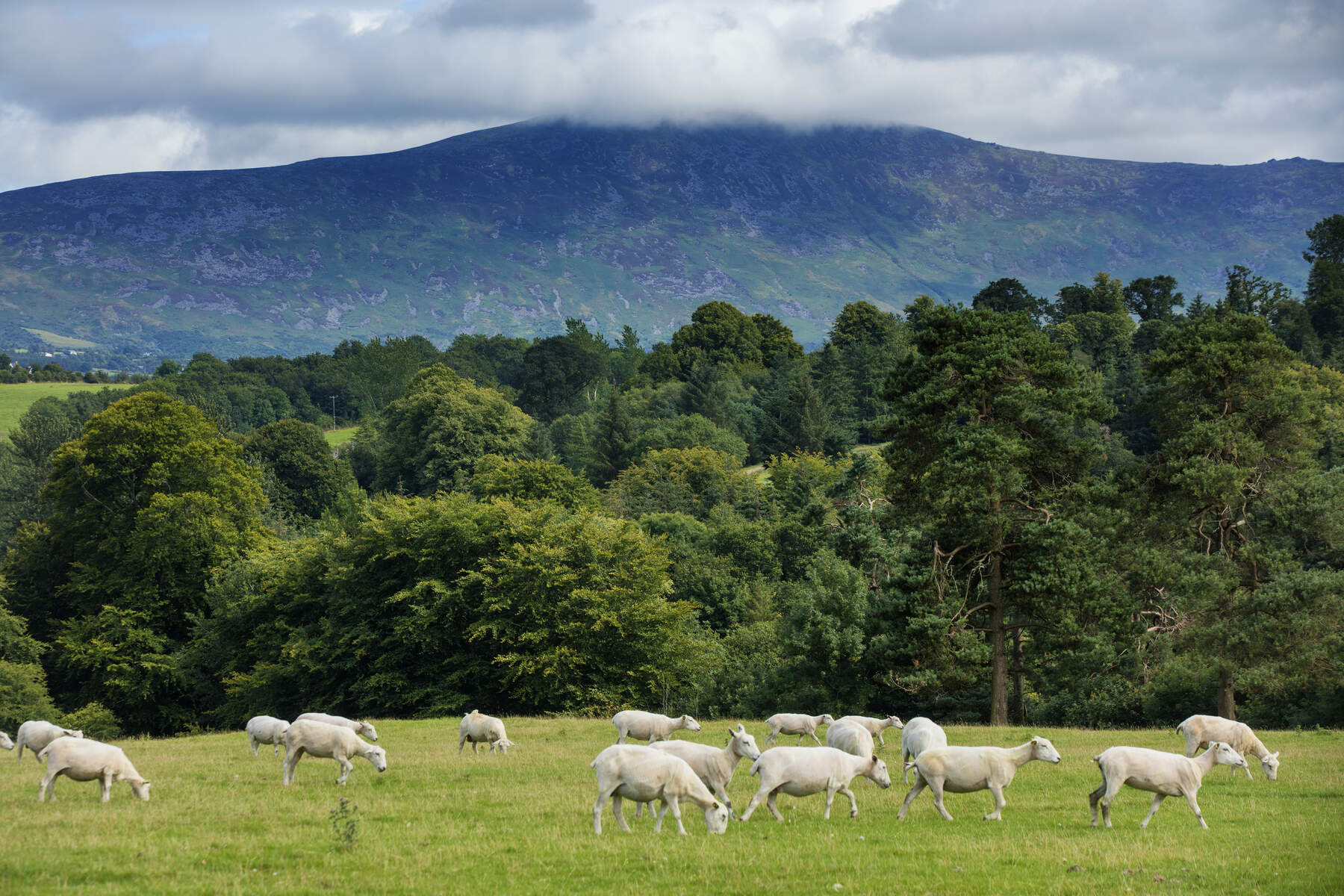
The Mount Leinster Heritage Drive is a 75 km (47 mi) circular touring route that showcases the unspoiled charm of rural south Carlow. Starting anywhere along the loop, the drive snakes through the friendly towns of Borris, Bunclody, Clonegal, Kildavin, Myshall, Fennagh, Bagenalstown and Bagenalstown, before looping back towards the imposing Blackstairs Mountains. The route’s highlight is Mount Leinster itself – the highest peak in the range at 795 m – which dominates the skyline and provides a dramatic backdrop to the rolling countryside.
Identifiable road‑signs mark the drive, while large map boards placed in the centre of each village give visitors quick reference to nearby attractions, walking routes and local amenities. The drive can be taken anti‑clockwise, but the direction is flexible; you may join at any point, make a quick loop in a single day, or linger for an overnight stay to truly soak up the relaxed pace of life in this part of Ireland.
History & Background
The Blackstairs Mountains, including Mount Leinster, sit on a massive granite formation that stretches from Dublin’s coastal suburb of Dun Laoghaire all the way to Brandon Hill in County Kilkenny. This ancient geological spine has shaped the landscape for millennia, creating dramatic cliffs, heather‑clad hills and a patchwork of fertile valleys. Over the centuries, the area has been home to small farming communities, grand country houses and a wealth of archaeological sites that hint at a long and varied human presence.
The heritage drive was conceived as a way to link these disparate yet complementary elements – natural beauty, cultural heritage and local hospitality – into a single, easily navigable experience. By promoting the route with clear signage and village‑based information boards, Carlow Tourism encourages visitors to explore beyond the usual tourist corridors and discover the region’s hidden gems.
Historical Highlights – St Columbanus and Early Saints
The area around Mount Leinster is part of the Trails of the Saints, a network of routes that trace the lives of early Irish missionaries. Notably, St Columbanus, often described as the “first European” missionary, is believed to have been born near the Slievebawn area that the drive passes. The Irish Times notes that local knowledge links the saint to the landscape, adding a spiritual dimension to the drive.
Visitors interested in early Christian history can look for interpretive signs along the route that reference the saint’s legacy, and the nearby Adelaide Memorial Church in Myshall (a miniature of Salisbury Cathedral) commemorates the region’s rich ecclesiastical heritage.
What to See & Do
| Town/Village | Key Highlights |
|---|---|
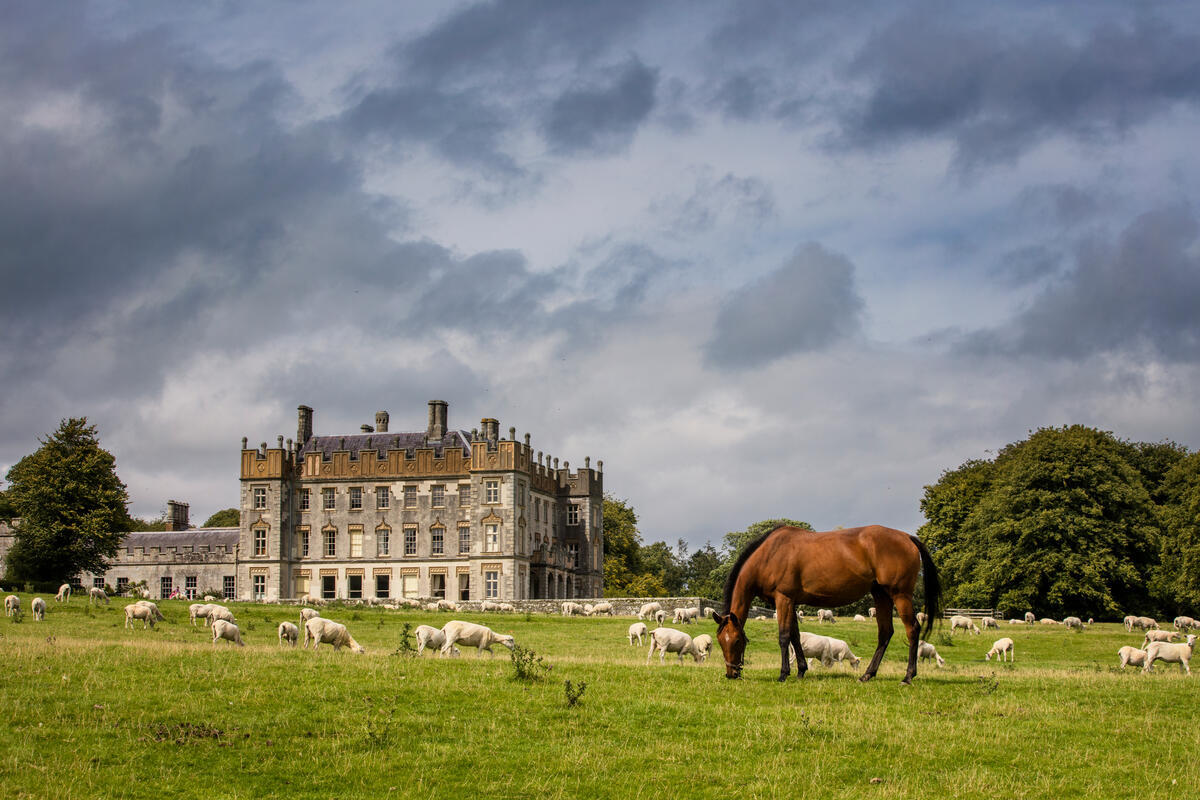
| Borris | Traditional pubs, historic church, scenic riverside walks, Borris House, Borris Railway Viaduct |
| Bunclody | Quaint streets, local craft shops, access to the River Barrow |
| Clonegal | Georgian architecture, pleasant riverside promenade |
| Kildavin | Gateway to the South Leinster Way, excellent cycling routes |
| Myshall | Ancient heritage sites, Adelaide Memorial Church (a miniature of Salisbury Cathedral), local folklore museums |
| Fennagh | Rolling farmland, opportunities for wildlife spotting |
| Bagenalstown | Vibrant market town, heritage centre, riverside cafés |
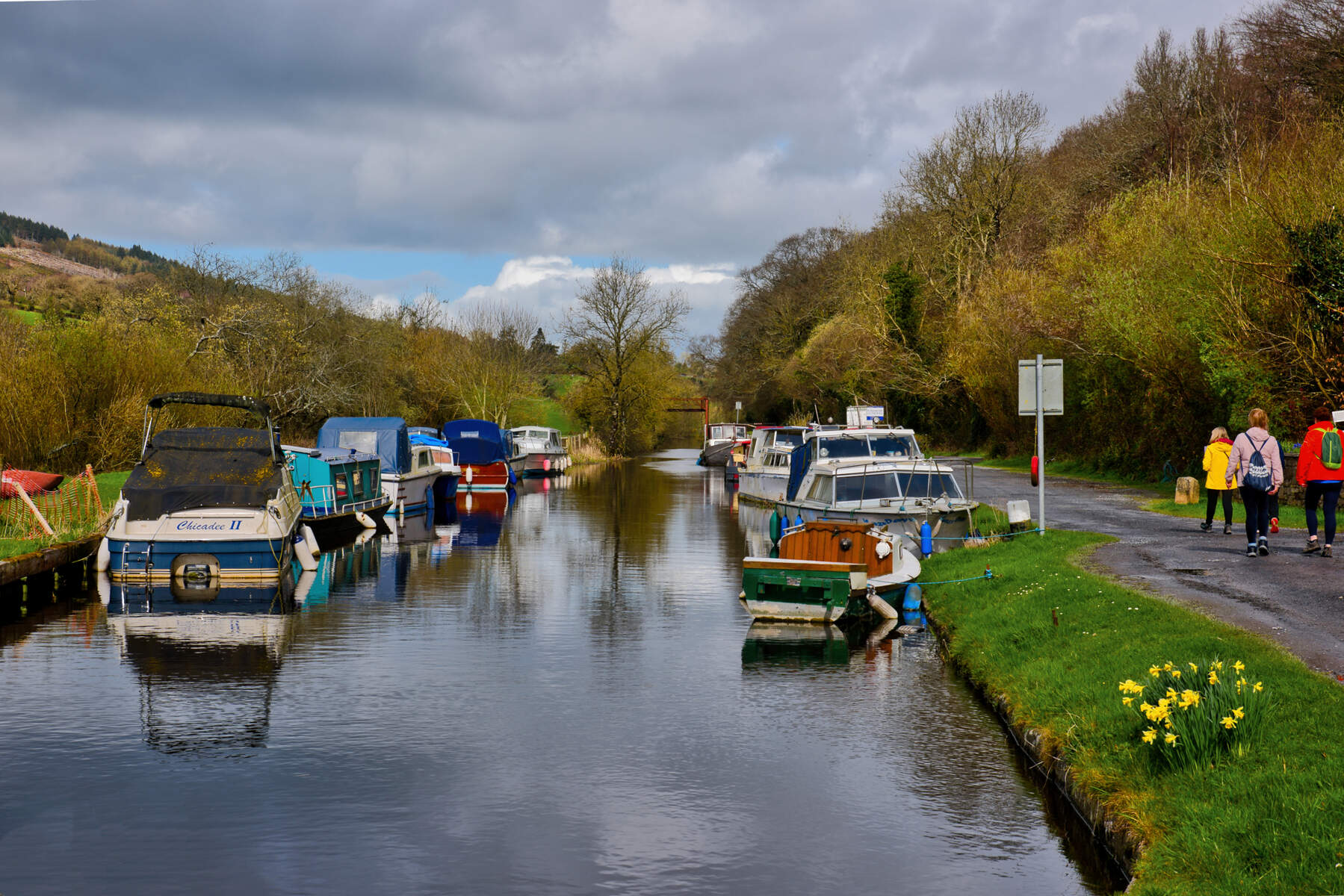
Beyond the villages, the drive offers a range of outdoor pursuits. The South Leinster Way, a long‑distance walking trail, threads through the area for those seeking a more immersive trek. Shorter, family‑friendly walks follow the River Barrow or wind through Kilbrannish Forest on the Blackstairs slopes, providing easy access to woodland scenery and birdwatching.
Adventure‑seeking visitors can try hang gliding from the summit of Mount Leinster, taking advantage of the strong thermals that sweep over the granite ridges. The gently undulating roads also make the drive popular with cyclists, who can enjoy both leisurely rides through the villages and more challenging climbs up the mountain passes.
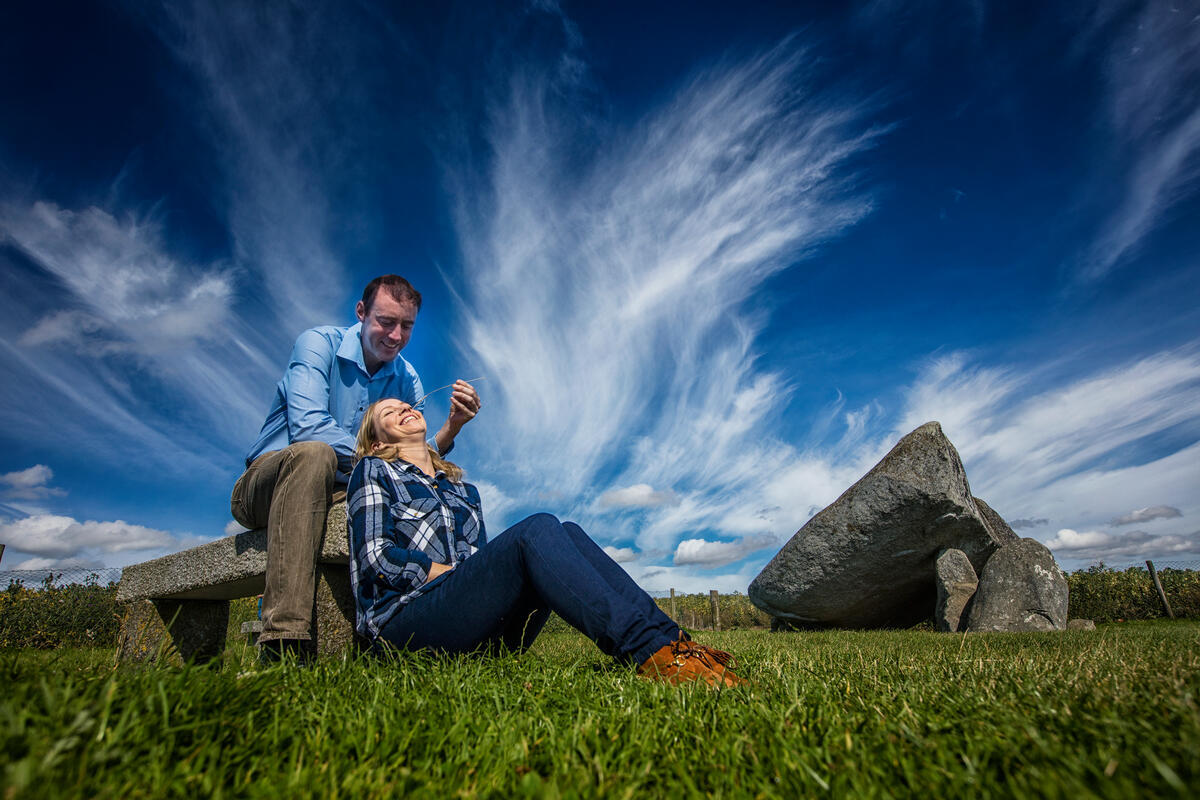
For history enthusiasts, the route passes several ancient heritage sites – from stone forts to medieval ruins – that are signposted on the village map boards. Grand country homes, many of which are still privately owned, add a touch of elegance to the landscape, while the ever‑present rock formations and heather‑clad hills provide endless photographic opportunities.
The Nine Stones Viewing Point
At the top of Mount Leinster lies the Nine Stones Viewing Point, a small stone alignment that gives the spot its name. Legend says the stones commemorate nine shepherds who were lost in a winter storm on the mountain. The alignment consists of nine low stones, each about 50 cm high, set in a straight line on the saddle between Mount Leinster and Slievebawn.
The viewpoint offers an unrivaled panorama: on a clear day you can see eight Irish counties – Carlow, Laois, Kildare, Wicklow, Wexford, Waterford, Kilkenny and the mountains of Tipperary – and even the coast of Wales across the Irish Sea.
Facilities
- Free car park with picnic tables
- Maps of two Coillte‑owned forest loops:
- 3 km (2 mi) loop – gentle woodland trails suitable for families.
- 5 km (3 mi) loop – a slightly longer walk that climbs onto the heather‑covered slopes (designated protected area).
- The surrounding forest is a mix of spruce, larch and fir with patches of native heather, forming part of the South Leinster Way.
Cycling the Drive – Detailed Climb Stats
Mount Leinster is one of Ireland’s most popular road‑cycling climbs. The ascent from Bunclody follows the Heritage Drive for about 13.3 km, gaining 778 m (2,565 ft) at an average gradient of 5.3 %. According to PJAMM Cycling, the climb includes short sections as steep as 30 %, with the final 2.7 km averaging 13 % before reaching the television transmitter.
- Road surface – good condition but narrow; expect occasional traffic on weekends and during the holiday season.
- Parking – a dedicated car park at the Nine Stones viewpoint provides easy access to the summit road.
- Scenery – panoramic views open up early in the climb and become spectacular as you near the top.
- Facilities – the same car park offers picnic benches and a map of the local forest walks.
Cyclists often combine the climb with a ride through the surrounding villages, making the Heritage Drive a full‑day adventure for both road‑bike enthusiasts and casual riders.
Conservation & Community
The Mount Leinster area is a designated Special Area of Conservation (SAC), supporting birds such as buzzards, kestrels, falcons and occasional hen‑harrier sightings. In 2023‑24 a proposal by Coillte (now operating as Future Energy Ireland) to erect seven 178 m wind turbines on the slopes of Mount Leinster sparked a strong local response. The plan would place turbines directly opposite the Nine Stones Viewing Point and within sight of the South Leinster Way, the Sky Road and the newly launched Turas Columbanus route.
Community groups, including SaveMountLeinster.com, have organised town‑hall meetings (e.g., Myshall Hall on 6 February 2024) and petitions, arguing that the turbines would dominate the landscape, damage the SAC, increase heavy‑vehicle traffic on the narrow L2026 (Mount Leinster Heritage Drive) and undermine the tourism economy that relies on the area’s unspoiled scenery. As of early 2024 the appeal against the planning permission remains under review by An Bord Pleanála.
Visitors who value pristine mountain vistas are encouraged to support local conservation efforts and to stay informed about any future developments that may affect the drive.
Getting There & Practical Tips
- Road status – The Heritage Drive is a local road (L2026) maintained by Carlow County Council. It is free to access year‑round and there are no entry fees.
- Parking – Free parking is available in each village and at the Nine Stones car park. The car park also provides picnic benches and maps of the forest loops.
- Public transport – The nearest bus services run through Bagenalstown and Bunclody; however, the most convenient way to experience the full loop is by car.
- Weather – The summit can be windy even in summer; a light jacket and waterproofs are advisable. Autumn often brings the clearest views, while winter can bring snow and ice on the higher sections.
- Dog‑friendly – The majority of the route is on public roads and open‑access forest walks, making it suitable for well‑behaved dogs on a leash.
- Family‑friendly – Short walks, picnic areas and easy road sections mean the drive works well for children.
- Cycling – Road‑bikes are suitable; the narrow sections can become busy on weekends, so early morning rides are recommended.
- Walking – The South Leinster Way and the two Coillte forest loops are clearly sign‑posted at the Nine Stones viewpoint.
For up‑to‑date information, route maps and additional suggestions, visit the Carlow Tourism page (currently unreachable – verify URL). The drive is suitable for families, outdoor enthusiasts, and anyone looking for a scenic, low‑key adventure away from the crowds. With its blend of natural beauty, cultural heritage and a welcoming local community, the Mount Leinster Heritage Drive offers a uniquely Irish road‑trip experience.