
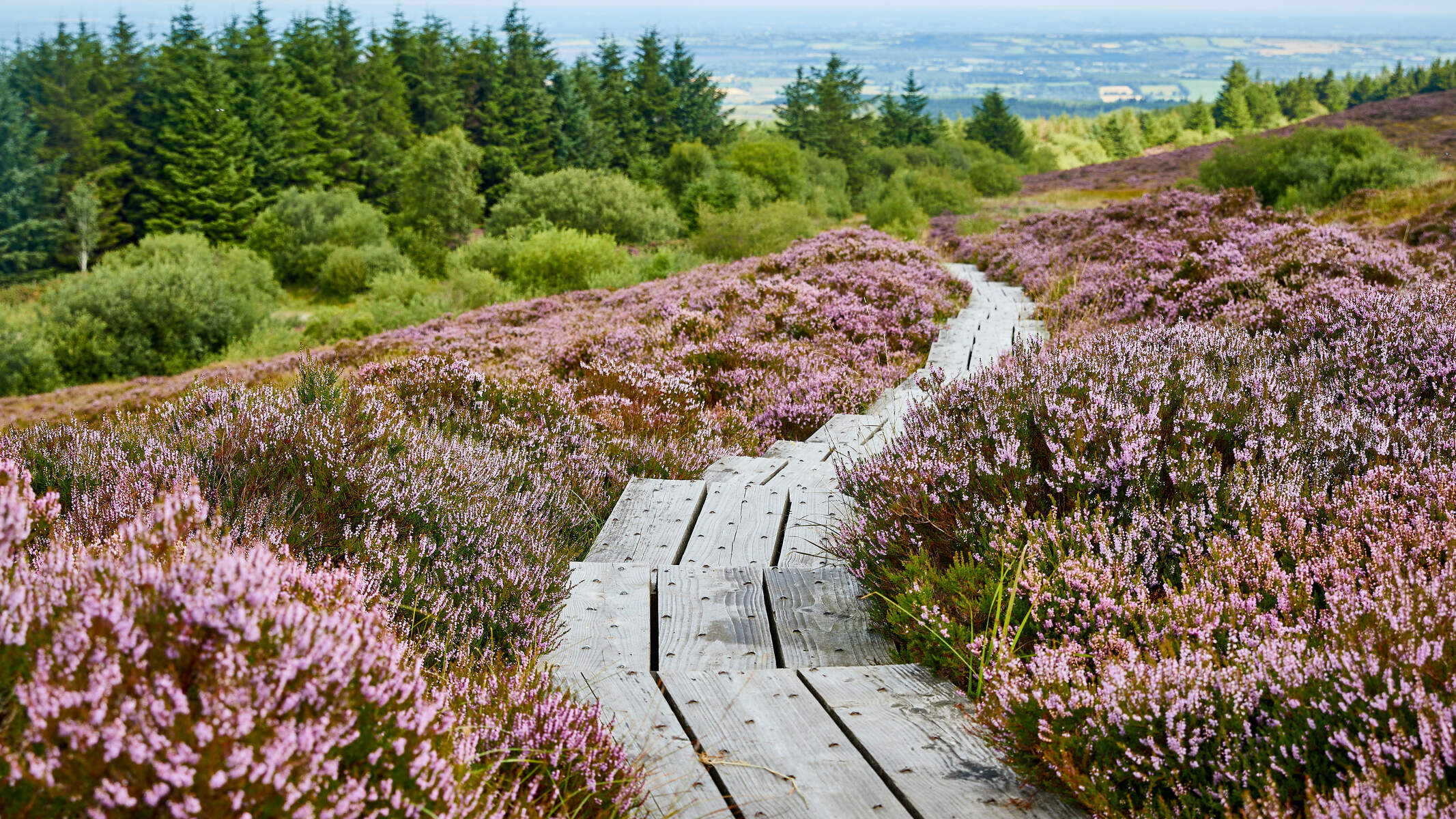
Overview
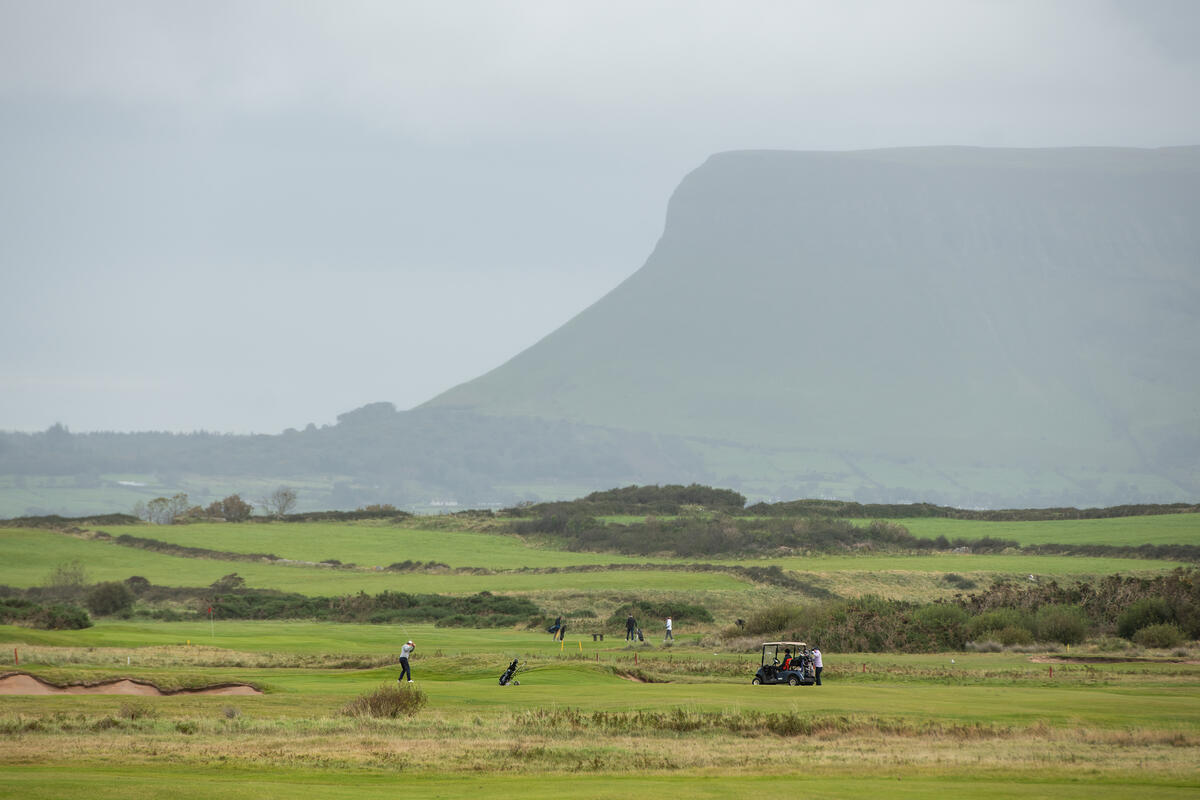
Moytura Ridge rises dramatically above the eastern shore of Lough Arrow in north‑west County Sligo. The plateau is a striking mix of barren limestone pillars, verdant grasslands and panoramic views that sweep across the mountains of Leitrim, the lakes of Sligo and the rolling hills of Tir Tuathal. Its remote, almost otherworldly character makes it a magnet for walkers, myth‑enthusiasts and anyone drawn to Ireland’s deep prehistoric heritage. The ridge is most easily reached from the small village of Castlebaldwin, where the award‑winning Bru Moytura ecolodge offers eco‑friendly accommodation with views of the foothills. The lodge’s own website confirms it is open year‑round.
History & Mythology
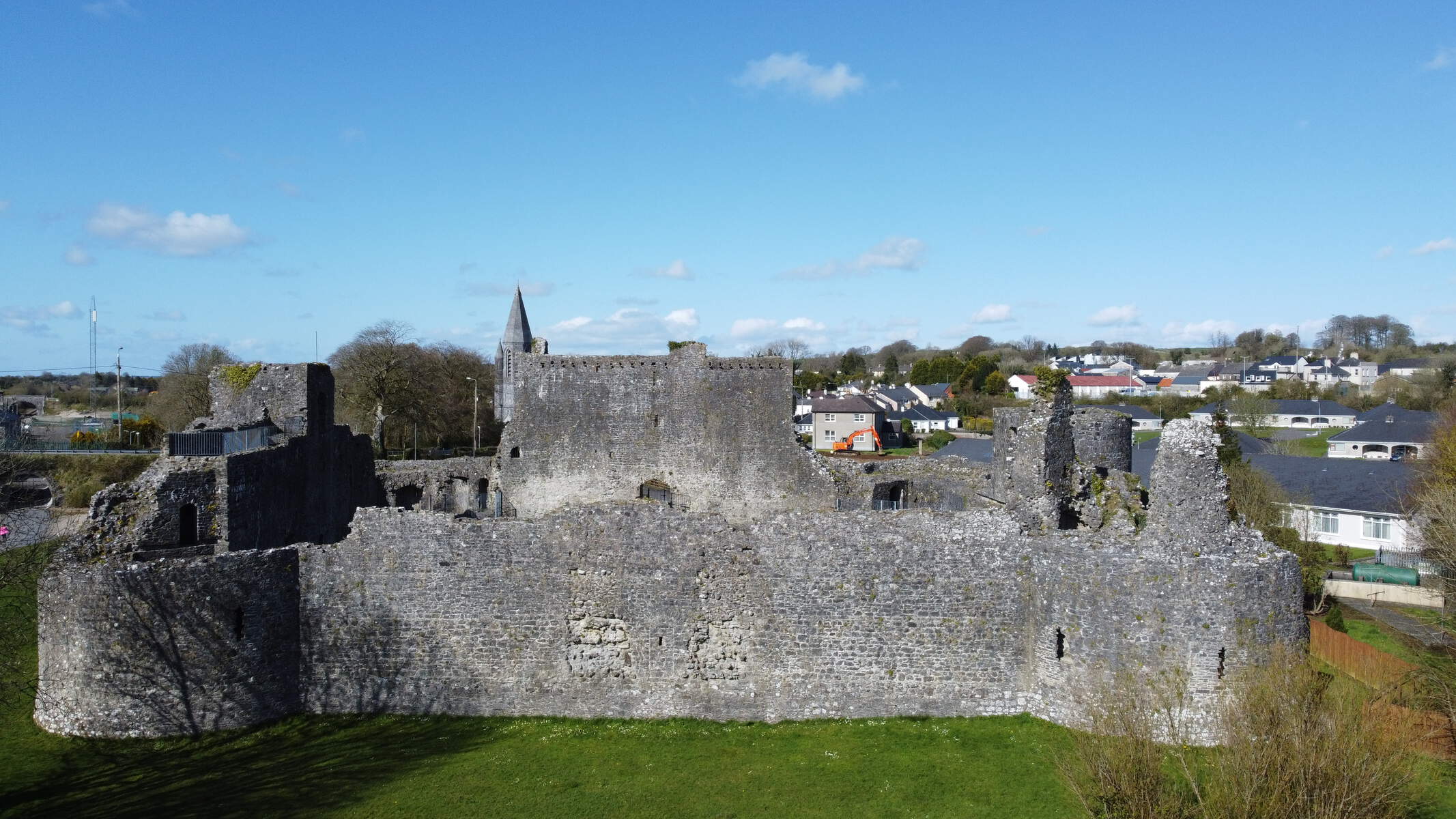
Moytura is famed as the setting of the Second Battle of Moytura, a cornerstone of the Irish mythological cycles. According to the ancient sagas, the Tuatha Dé Danann, led by Nuada, clashed with the Fomorians and the Fir Bolg on this ridge – a cosmic struggle between Light and Darkness that inspired later writers such as J.R.R. Tolkien and George Lucas. 19th‑century antiquarian George Petrie identified the ridge as the true battlefield after a field trip in August 1837, noting the concentration of massive glacial erratics that may have served as natural monuments to fallen warriors. Mythic figures linked to the site include Balor of the Evil Eye, whose petrifying gaze is said to have turned whole battalions to stone, and Lugh, the long‑armed god of skill, whose name survives in the cairn Shee Lugh.
What to See & Do
| Monument | Type | Notable Feature |
|---|---|---|
| The Eglone | Glacial pillar | Tallest limestone pillar on the ridge, traditionally linked to the graves of fallen warriors |
| Shee Lugh | Neolithic cairn | Encloses a huge erratic boulder and a later cashel; offers one of the most expansive summit views |
| Labby Rock | Portal dolmen | Massive capstone estimated at 70 tons; legend says it marks the spot where Nuada was slain by Balor |
| Heapstown Cairn | Unexcavated cairn | One of Ireland’s largest stone mounds, situated on private land (viewable from a distance) |
| Moytirra East Court Tomb (Giant’s Grave) | Court cairn | U‑shaped court leading to a four‑chamber gallery; 13 m long, 2.4 m wide, aligned 30° NE |
| Wedge monuments | Bronze‑Age wedge tomb | Well‑preserved example near the ridge’s southern edge |
Moytirra East Court Tomb (Giant’s Grave)
Located in a quiet field just west of Ballyfarnon and a short distance east of Lough Arrow, this Neolithic court cairn dates from roughly 4000–2500 BC. Visitors can walk the open U‑shaped court, glimpse the entrance to the four‑chamber gallery, and appreciate the monument’s precise north‑east alignment – a feature that may have held astronomical significance. An information sheet mounted beside the iron gate provides a concise overview of the tomb’s history and archaeological importance.
Walking & Photography
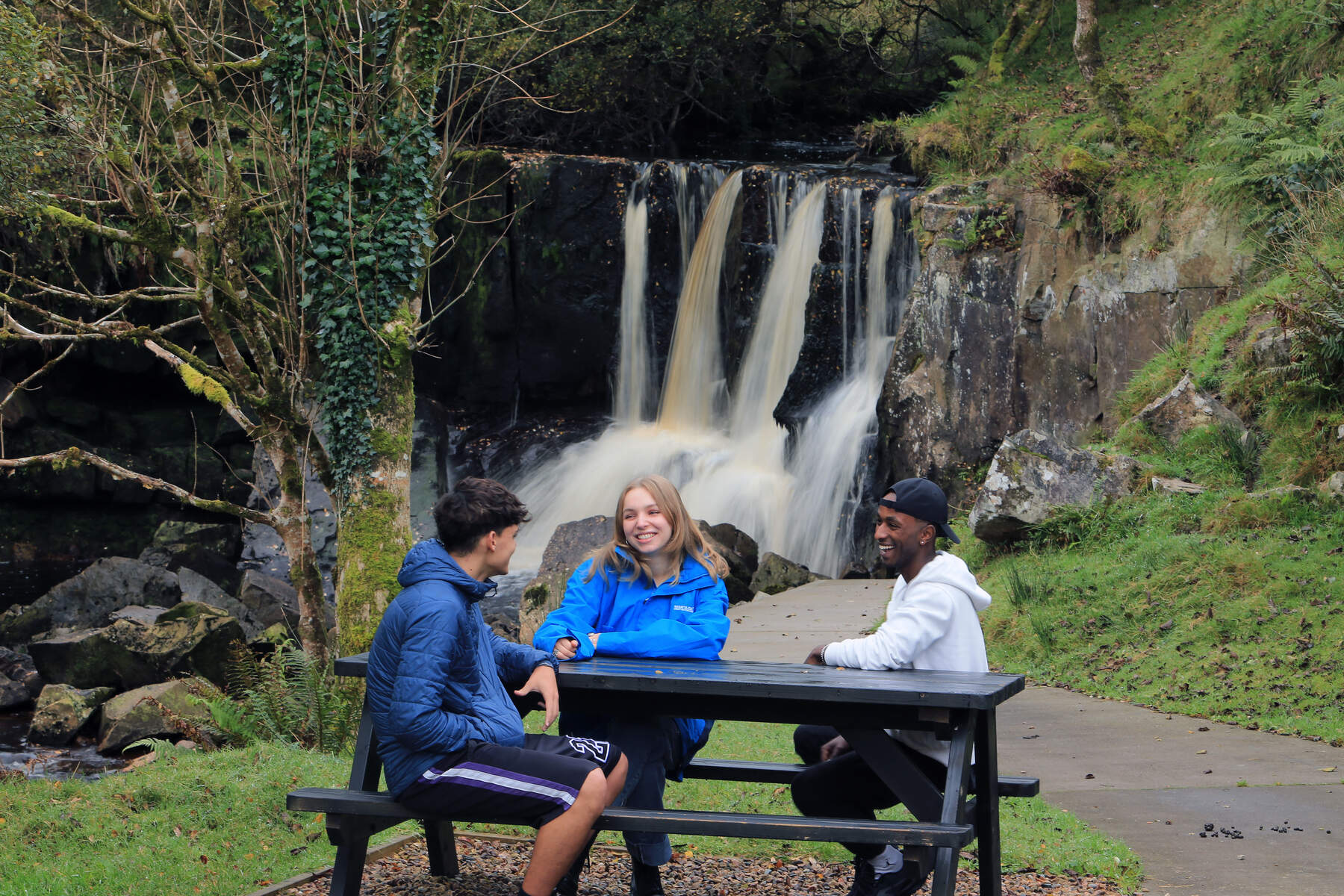
The ridge’s network of low‑grade paths links the monuments, allowing a leisurely circuit that rewards hikers with sweeping vistas of Lough Arrow, the surrounding mountains and the distant Atlantic coastline. The stark limestone pillars create dramatic foregrounds for sunrise and sunset photography, while the grass‑covered court cairns add a softer, ancient texture. The nearby Benbulben can be seen on clear days, offering an iconic backdrop for wide‑angle shots.
Practical Information
- Access: From the N4, turn off at Ballyfarnon, follow signs to Highwood and take the first right after the village. The site lies just after the first house on the right; an iron gate marks the entrance to the court tomb. From Castlebaldwin, follow the local road signs to the ridge plateau.
- Parking: Free parking is available along the minor road near the tomb and at the ecolodge’s car park in Castlebaldwin.
- Opening hours: The ridge and its monuments are free to visit and have no formal opening times; they are accessible year‑round.
- Facilities: The Bru Moytura ecolodge provides solar‑heated showers, a communal hall and a kitchen garden for visitors wishing to stay overnight. No visitor centre exists on the ridge itself, but the information sheet at the tomb offers essential context.
- Safety: The grass can be up to 80 cm high in summer, partially obscuring low stones; sturdy walking shoes and a waterproof jacket are recommended due to the exposed nature of the plateau.
- Nearby attractions: After exploring Moytura Ridge, consider visiting Carrowkeel Megalithic Cemetery, Lough Arrow, Ballinafad Castle, Kilronan Castle and the iconic Benbulben for a fuller day of Sligo’s heritage.
Enjoy the blend of myth, archaeology and sweeping scenery that makes Moytura Ridge one of Ireland’s most compelling outdoor destinations.