
Overview
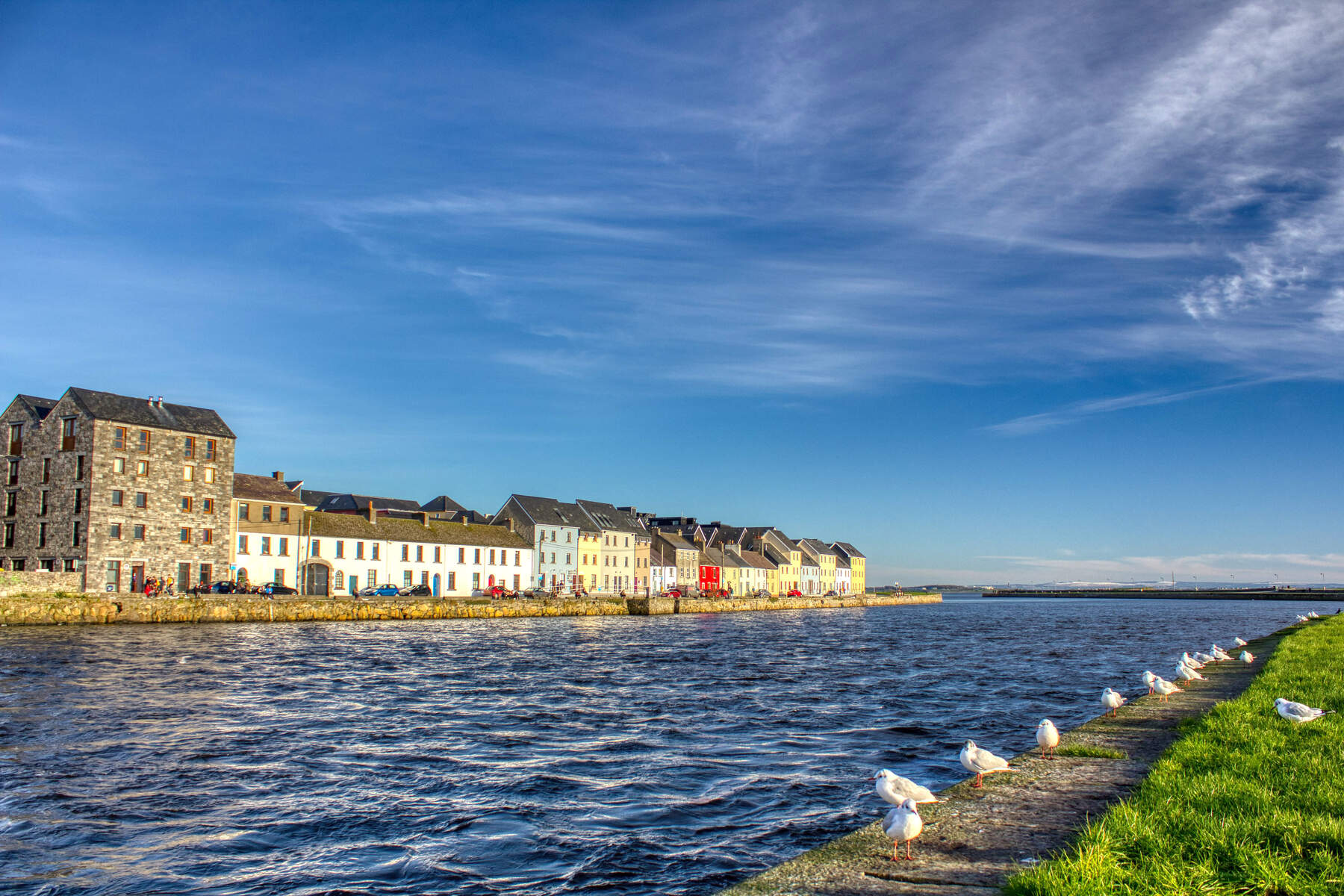
The National University of Ireland, Galway (NUI Galway), now branded as the University of Galway, dominates a 260‑acre (105 ha) riverside campus just a kilometre from Galway’s bustling city centre. The grounds stretch along the fast‑flowing River Corrib, offering leafy promenades, modern sports complexes and a series of public artworks that make it one of the most photographed outdoor spaces in the west of Ireland. With more than 90 buildings, the campus is a living showcase of Irish academic heritage, contemporary research ambition and striking architecture.
History / Background
Founded under a Royal Charter in 1845 as Queen’s College Galway, the institution opened its doors on 30 October 1849 to 68 students. The original Quadrangle, designed by John Benjamin Keane in a Tudor‑Gothic style and modelled on Christ Church, Oxford, was built from locally quarried limestone and became the heart of university life – housing lecture rooms, a library, museum and chapel.
Through the 19th century the college evolved: it joined the Queen’s University of Ireland (1850), later the Royal University of Ireland, and in 1908 became University College, Galway, a constituent of the newly formed National University of Ireland. Notable milestones include Alice Perry earning the world’s first first‑class honours degree in civil engineering (1906) and alumni such as President Michael D. Higgins and former Taoiseach Enda Kenny.
The 20th century saw rapid expansion. The 1970s introduced modernist blocks by Scott Tallon Walker; the 1990s repurposed an old munitions factory into a vibrant student centre; and the early 2000s launched a €400 million “campus of the future” programme that added state‑of‑the‑art science and engineering facilities. In September 2022 the university adopted the bilingual name Ollscoil na Gaillimhe – University of Galway, underscoring its commitment to Irish‑language education.
Campus Architecture & Design
The Quadrangle
Tudor‑Gothic limestone façades frame a cloistered courtyard that houses the Aula Maxima venue – a favourite spot for photography and quiet contemplation.
Hardiman Research Building (2013)
Designed by the Canadian firm Payette, the Hardiman Research Building features a distinctive cream‑limestone cladding that appears to glow when wet. It houses the Moore Institute and the Whitaker Institute, offering “stackless” reading rooms that encourage both individual study and collaborative research.
Alice Perry Engineering Building (2011)
This award‑winning structure showcases a sleek, glass‑and‑steel envelope that houses cutting‑edge engineering labs and flexible learning spaces.
Public Art Trail
Scattered across the campus are works such as the “River Stones” sculpture trail, rotating student installations, and site‑specific pieces commissioned for the Galway International Arts Festival. The trail is sign‑posted and offers a creative dimension to everyday walks.
What to See & Do
| Attraction | Highlights |
|---|---|
| The Quadrangle | Tudor‑Gothic limestone façade, cloistered courtyard, Aula Maxima venue – ideal for photography and quiet contemplation. |
| Hardiman Research Building (2013) | Cream limestone cladding that brightens when wet; home to the Moore Institute and Whitaker Institute for arts, humanities and social sciences. |
| Alice Perry Engineering Building (2011) | Award‑winning modern design; showcases cutting‑edge engineering labs and collaborative spaces. |
| James Mitchell Geology Museum | Over 15,000 fossils, rocks and gemstones displayed on the top floor of the Quadrangle – a hidden treasure for geology fans. |
| Zoology & Marine Biology Museum | 500+ preserved specimens, taxidermy displays and interactive exhibits on Irish wildlife and marine life. |
| Hardiman Library | More than 500,000 volumes, historic manuscripts and quiet study rooms; named after the university’s first librarian. |
| Riverside Walks & Green Spaces | Scenic paths along the Corrib, landscaped gardens and public sculptures – perfect for a leisurely stroll or a picnic. |
| Sports & Recreation | Modern sports complex with indoor swimming pool, gym, outdoor pitches and a climbing wall; public access during designated hours. |
| Public Art | Works such as the “River Stones” series and rotating student installations add a creative dimension to the campus landscape. |
Visitors can wander at their own pace, snap photos of the historic stonework, explore the museums tucked within the Quadrangle, and enjoy the tranquil riverside ambience.
Public Art Trail Details
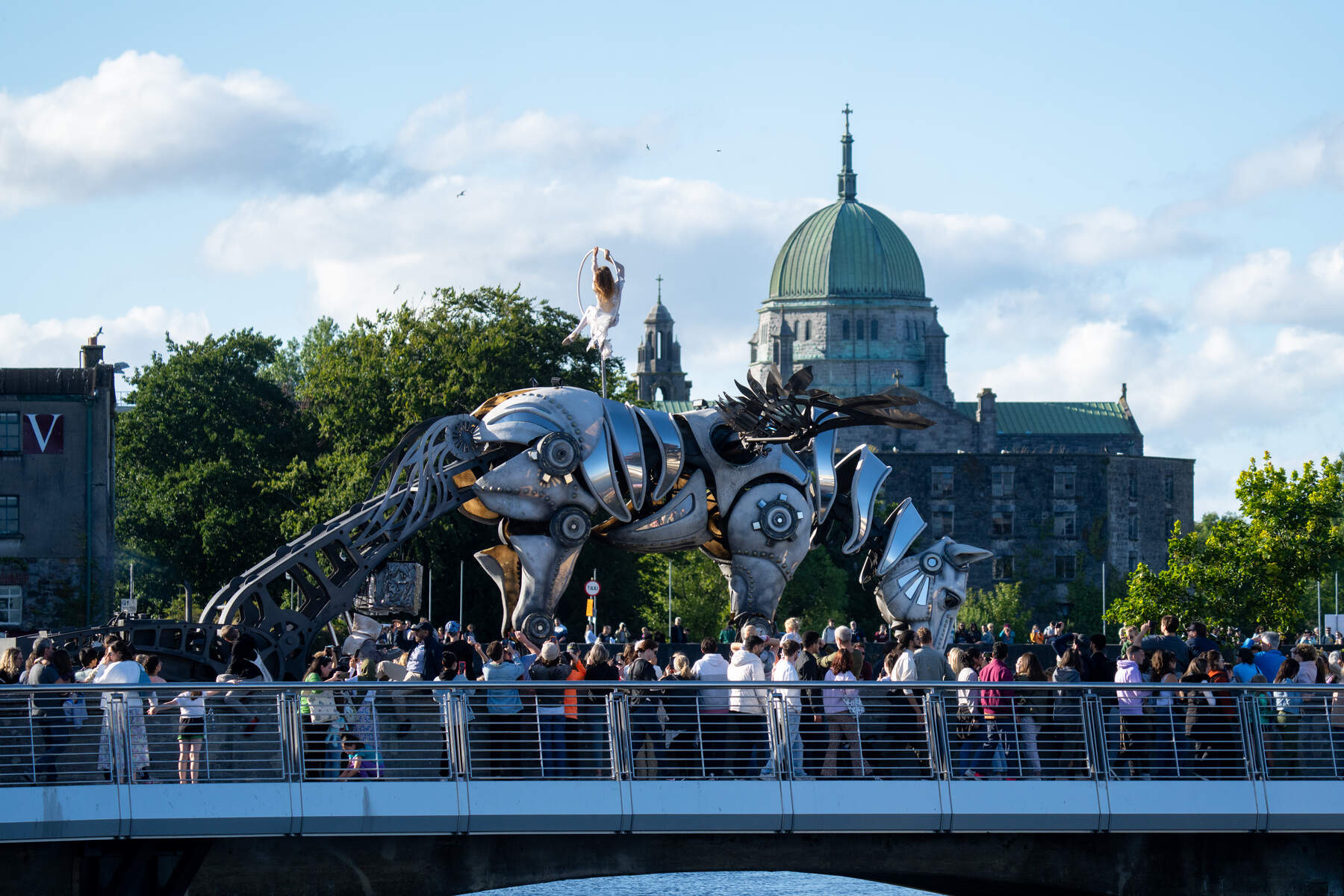
The campus art trail is free to explore and changes seasonally. Permanent pieces include the River Stones series – smooth limestone boulders engraved with poetry from local writers – positioned along the Corrib promenade. Temporary installations are often commissioned for the Galway International Arts Festival; the 2024 light sculpture on the Quadrangle’s cloister was a highlight and is documented in the image below.
Sports & Recreation Facilities
The University Sports Complex includes:
- A 25‑metre indoor swimming pool (open Mon‑Fri 08:00‑22:00, weekends 09:00‑20:00 for the public).
- Fully equipped gym and fitness studio.
- Outdoor football, rugby and Gaelic games pitches.
- A 15‑metre climbing wall.
All facilities are free to use for visitors during the public hours listed above; a short‑term visitor pass can be obtained at the Sports Reception on the campus.
Guided Campus Tours & Visitor Services
The university runs guided campus tours on weekdays during term time, typically at 10:30 am and 14:30 pm. Tours cover the historic Quadrangle, museums, the Hardiman Research Building and the riverside walk. Advance booking is recommended via the university’s events calendar.
Visitor services include:
- A Campus Information Desk (located near the main gate on University Road) offering maps and free Wi‑Fi.
- A bookshop selling university merchandise and academic titles.
- Several cafés serving coffee, light meals and vegetarian options.
Research & Innovation Highlights
Recent breakthroughs underline the university’s reputation for world‑leading research:
- Alzheimer’s disease – A 2026 study from the university’s medical school identified a potential therapeutic strategy targeting disease‑related pathways.
- Med‑tech innovation – The university was highlighted in April 2026 for its role in a national centre of excellence supporting medical‑technology startups.
- AI & Future of Work – In March 2026 the Cairnes School of Business hosted a Business Summit exploring artificial intelligence’s impact on employment.
- Partnerships – In April 2026 the university announced a naming ceremony for a partnership with TE Connectivity, strengthening industry‑academic collaboration.
These examples illustrate why the campus is not just a historic site but a living laboratory of discovery.
Events & Festivals
The campus frequently hosts cultural events, especially during the Galway International Arts Festival. In summer, the university’s open spaces become venues for performances, installations and outdoor cinema screenings, attracting both students and the wider community. The festival’s 2024 programme featured a site‑specific light installation on the Quadrangle’s cloister, captured in the image above.
Other recent events include:
- University of Galway Spring Open Day (March 2026) – guided tours of research facilities and student life showcases.
- 41st Annual Sports Awards (April 2026) – celebrating athletic achievement across the university’s sports programmes.
- Tax Clinic Launch (March 2026) – a free tax‑support service run in partnership with local credit unions.
Check the university’s events calendar ahead of your visit to see if a concert, lecture or exhibition coincides with your trip.
Student Life & Campus Culture
With a vibrant student community of over 19,000, the campus buzzes with clubs, societies and media. The university hosts around 150 active societies, ranging from the historic Literary and Debating Society (founded 1846) to cultural groups, sports clubs and special interest collectives. Student‑run media include Flirt FM, a campus radio station, and The Sin, the university newspaper. The annual GUMS musical society stages full‑scale productions, while the An Cumann Gaelach promotes Irish language and culture. These activities give visitors a lively glimpse of campus life beyond the academic buildings.
Nearby Attractions & Day Trips
While the campus itself offers plenty to see, its central location makes it a convenient base for exploring Galway’s wider attractions:
- Aran Islands – A short ferry ride from Galway Harbour brings you to the rugged beauty of Inis Mór, Inis Oírr and Inis Meáin. Ideal for a day‑trip or an overnight stay. (Aran Islands)
- Galway Cathedral – A striking neo‑Romanesque landmark a 15‑minute walk from the campus, offering impressive stained‑glass windows and a peaceful interior.
- Galway City Museum – Located on the historic Spanish Arch, this museum showcases the city’s maritime heritage and archaeological finds.
- Galway Atlantaquaria – Ireland’s largest aquarium, situated on the waterfront, perfect for families and marine‑life enthusiasts.
Combining a campus walk with a stroll to the city centre, a quick ferry to the Aran Islands, or a visit to the aquarium makes for a varied and satisfying day.
Practical Information
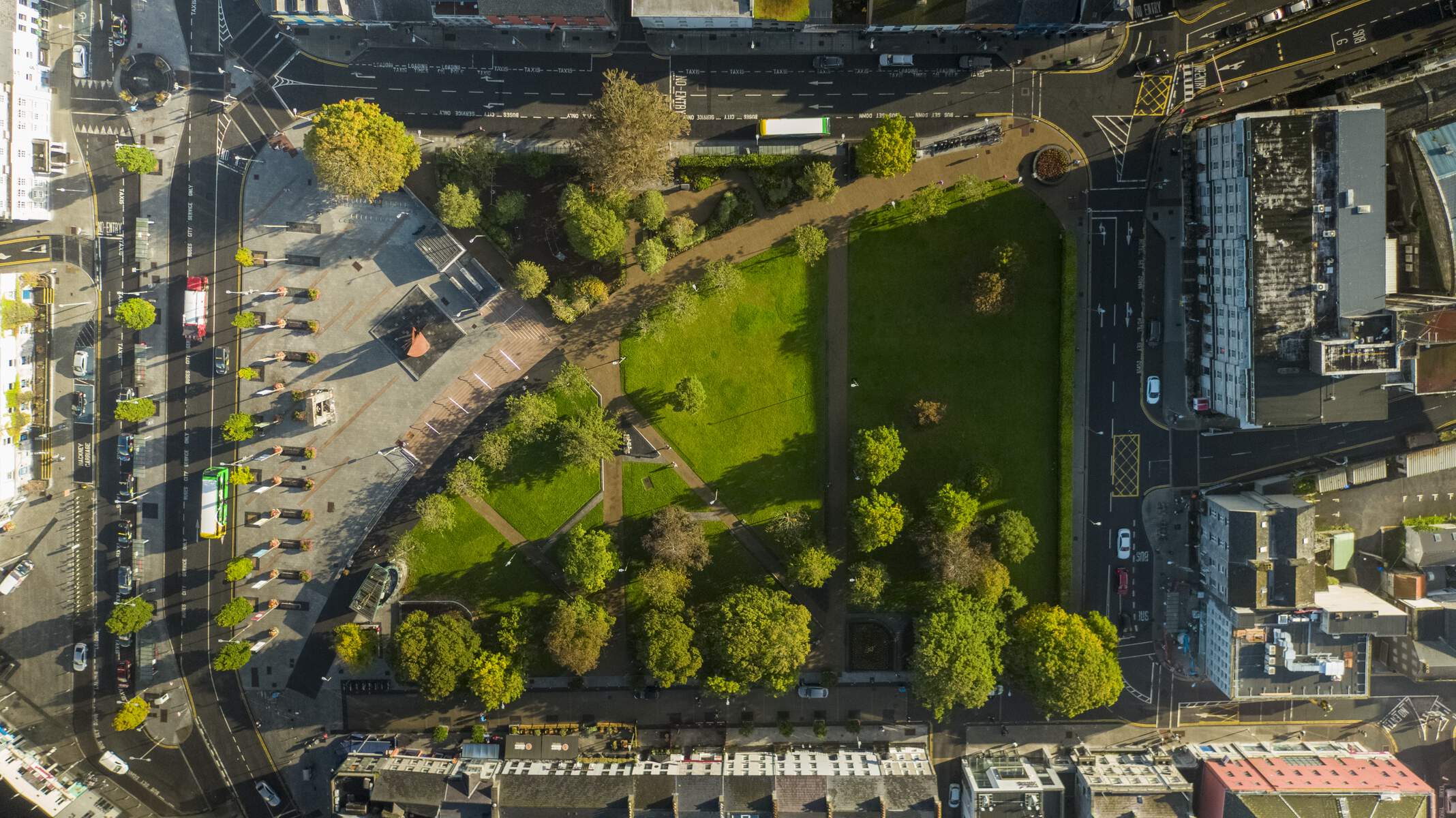
- Location: About 1 km (15‑minute walk) west of Galway city centre, on the banks of the River Corrib.
- Access: Easily reached on foot, by city bus (routes 401, 402) or by car – limited on‑site visitor parking is available on University Road (exact capacity not confirmed).
- Opening times: Public areas, including the Quadrangle, museums and libraries, are generally open Mon‑Fri 09:00‑17:00. Individual buildings may have separate opening hours, especially during exam periods or for special exhibitions.
- Admission: Free entry to the campus, museums and most public buildings; special exhibitions may require a ticket.
- Accessibility: The campus is wheelchair‑friendly, with ramps and lifts in major buildings and smooth pathways along the riverside.
- Facilities: Cafés, a bookshop and free Wi‑Fi are available throughout the grounds, making it comfortable for a day of exploration.