Overview
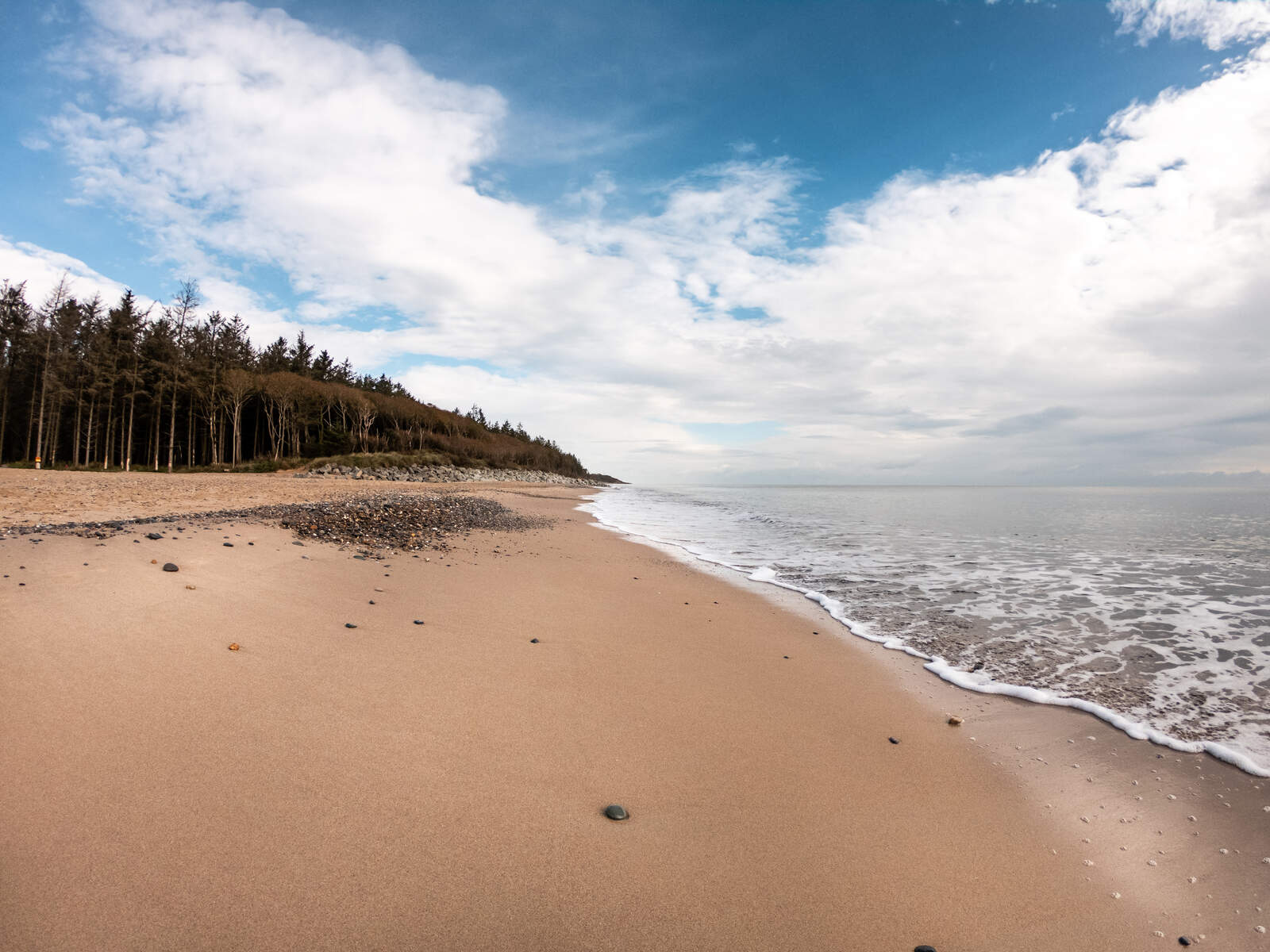
The Norman Way Trail is a 65 km heritage and cycling route that hugs the spectacular south‑coast of County Wexford. It is split into two sections: the completed Lady’s Island → Kilmore Quay leg (≈ 22 km) and the newer Kilmore Quay → St Mary’s Church, New Ross leg (≈ 43 km). Both form part of the EuroVelo 1 Atlantic Coast route, meaning the trail is sign‑posted, free to access and suitable for walkers, cyclists and motorists alike.
History / Background
In May 1169 a fleet of about 400 Norman knights, invited by the deposed Leinster king Diarmait Mac Murchada, landed at Bannow Bay. Over the following century the Normans founded towns, erected stone castles and introduced continental monastic architecture, wind‑powered grain grinding and systematic crop‑rotation. Their legacy is visible in the tower houses, cruciform churches and beacon towers that dot the landscape. Notable figures such as William Marshal and his wife Isabel founded St Mary’s Church in New Ross, while the de Lamporte family built the leaning tower on Lady’s Island. Later structures, like the 1846 Tacumshane Windmill, echo the agricultural innovations first introduced by the Normans.
Development & Funding
The trail was launched in two phases. Phase One opened in May 2017, covering the Lady’s Island → Kilmore Quay section. Phase Two was completed in September 2020, extending the route to New Ross. The project was funded by Wexford County Council and Fáilte Ireland under the Ireland’s Ancient East tourism initiative, with additional support from Creative Ireland. Local artists designed the interpretive panels that now guide visitors, and new benches and bike racks have been installed at each of the key sites to encourage rest and photography.
Educational Activities & School Visits
A dedicated teacher’s pack (PDF) produced by the trail’s developers provides classroom activities, timelines, and a set of 18 site‑specific worksheets. Schools can arrange guided tours that combine on‑site exploration with hands‑on history lessons, making the Norman Way a popular field‑trip destination for 5th‑ and 6th‑class pupils. The resource includes a multilingual word‑search, a tapestry‑making exercise and a “battle at Baginbun” game, all aimed at bringing the Norman story to life for young learners.
What to See & Do
| Site | Highlights | Approx. Distance from Trailhead |
|---|---|---|
| Lady’s Island | Leaning stone tower, medieval pilgrimage shrine – the trail’s starting point | 0 km |
| St Iberius’ Church | Ruined doorway arch, 19th‑century surgeon’s grave, continuity of worship from early Irish saints | 3 km |
| Tacumshane Windmill | 1846 windmill built with ship‑wreck timber, a post‑medieval echo of Norman grain‑grinding | 7 km |
| St Catherine’s Church | Ornate windows, three limestone arches, bullaun stone holy‑water font | 11 km |
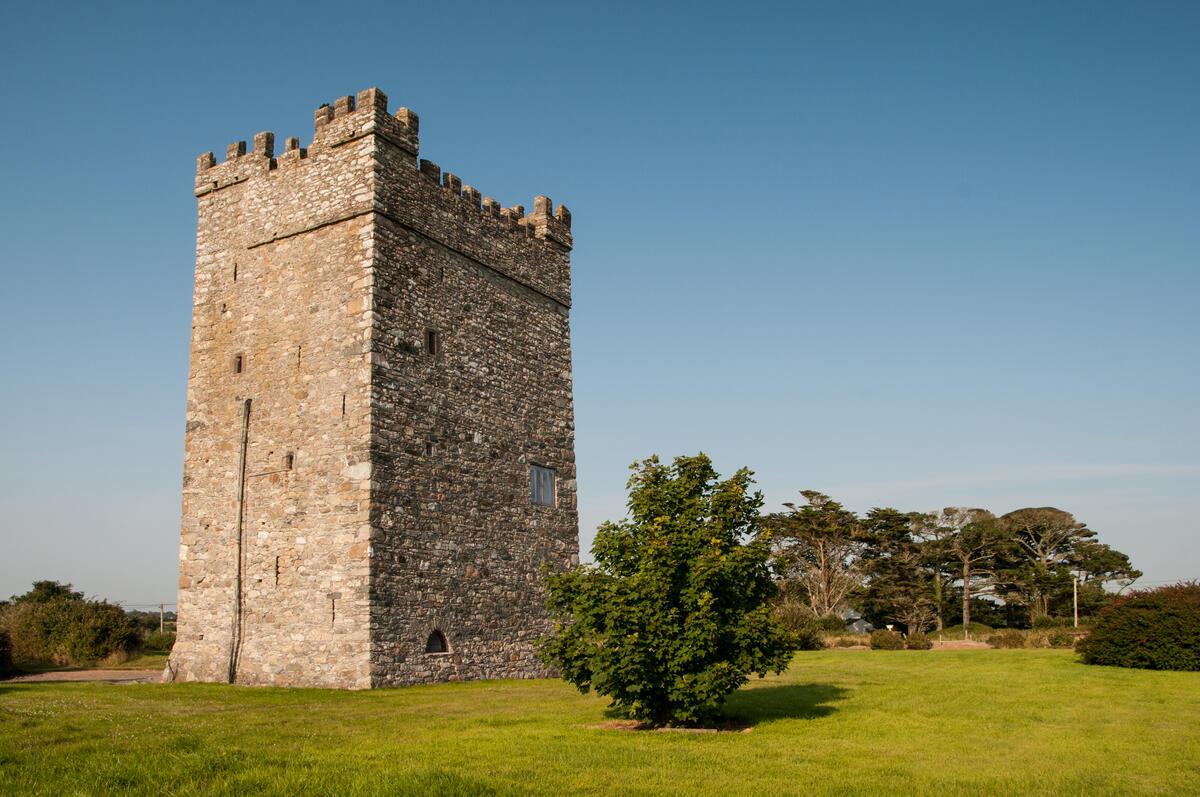
| Sigginstown Castle | Multi‑storey stone tower‑house, classic example of Norman “skyscraper” technique | 14 km |
| Ballyhealy Castle | Remains of a fire‑tower beacon offering views over the Barrow estuary | 17 km |
| Grange Church | Cistercian‑style ruins, evidence of Norman‑introduced organised farming | 20 km |
| Ishartmon Church | Double bellcote, pink‑granite holy‑water font, Boxwell family burial | 23 km |
| Tomhaggard | Historic St Anne’s well, marks the historic border of the Forth & Bargy baronies | 26 km |
| Kilmore Quay | “Graveyard of a thousand ships”, coastal caves and nearby Ballyteige Bay fire‑tower | 30 km |
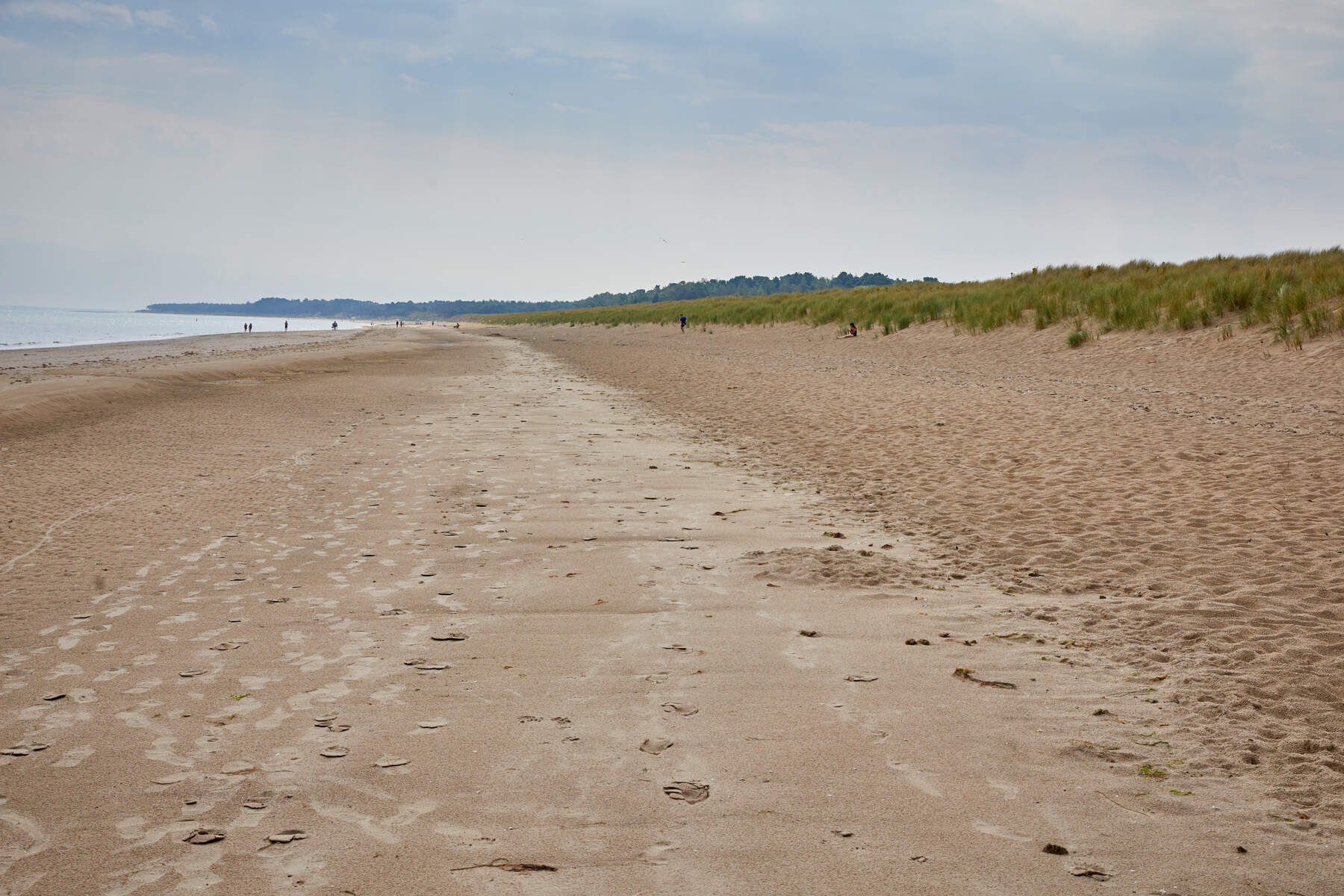
| Baginbun Head | Coastal headland with early Norman foothold, dramatic sea cliffs (see also Baginbun Beach) | 32 km |
| St Mary’s Church, New Ross | 13th‑century cruciform church, medieval funerary monuments and surviving crypt | 65 km |
Access from Rosslare Europort
The trail is less than a 30‑minute cycle from Rosslare Europort, the main ferry gateway for visitors arriving from the UK and France. A short, well‑sign‑posted road links the Europort car park to the Lady’s Island trailhead, making the Norman Way an ideal first‑day activity for cyclists landing in Wexford. Parking is available at the Lady’s Island car park (free, limited spaces) and at Kilmore Quay (free short‑stay, pay‑and‑display for longer visits). Bus Éireann routes 370/371 serve both Rosslare and the trailheads, and the Wexford town bus hub provides connections to the surrounding villages.
Practical Information
- Length: 65 km total (22 km + 43 km). The first section is fully completed; the second is already usable though some minor works continue.
- Surface: Predominantly quiet country lanes and paved paths; cliff‑side sections are well‑maintained.
- Way‑marking: EuroVelo 1 signage, local interpretive panels, benches and bike racks at each major stop.
- Visit duration: Individual sites can be explored in 1‑2 hours; a full walk or cycle of the Lady’s Island → Kilmore Quay segment typically takes 3‑4 hours, while the entire 65 km route can be tackled over a day or split into two shorter outings.
- Access & Parking:
- Lady’s Island – small car park adjacent to the ferry slip; free but limited spaces, especially in summer.
- Kilmore Quay – public car park near the harbour; free for short stays, with a pay‑and‑display option for longer visits.
- Rosslare Europort – large car park for ferry passengers; short shuttle or cycle ride to the trailhead.
- Public transport: Bus Éireann routes 370/371 stop near the trailheads; connections from Wexford town and Rosslare.
- Suitable for: Walkers, cyclists (road and hybrid bikes), and motorists (road‑side sections). Family‑friendly; uneven ground at some ruins may be challenging for wheelchair users.
- Facilities: Picnic areas at Kilmore Quay, restrooms at St Mary’s Church, cafés in New Ross and Kilmore Quay.
- Best time to visit: Late spring to early autumn for mild weather and full daylight on the coastal sections.
- Safety: Coastal cliffs can be windy; cyclists should wear helmets and keep to the marked lane. Check tide times when exploring low‑lying beach sections.
The Norman Way Trail offers a vivid, hands‑on journey through eight centuries of Irish history, set against some of the most striking coastal scenery in the country. Whether pedalling the EuroVelo route or strolling between ancient ruins, visitors walk in the footsteps of the Normans who reshaped Wexford’s landscape forever.