
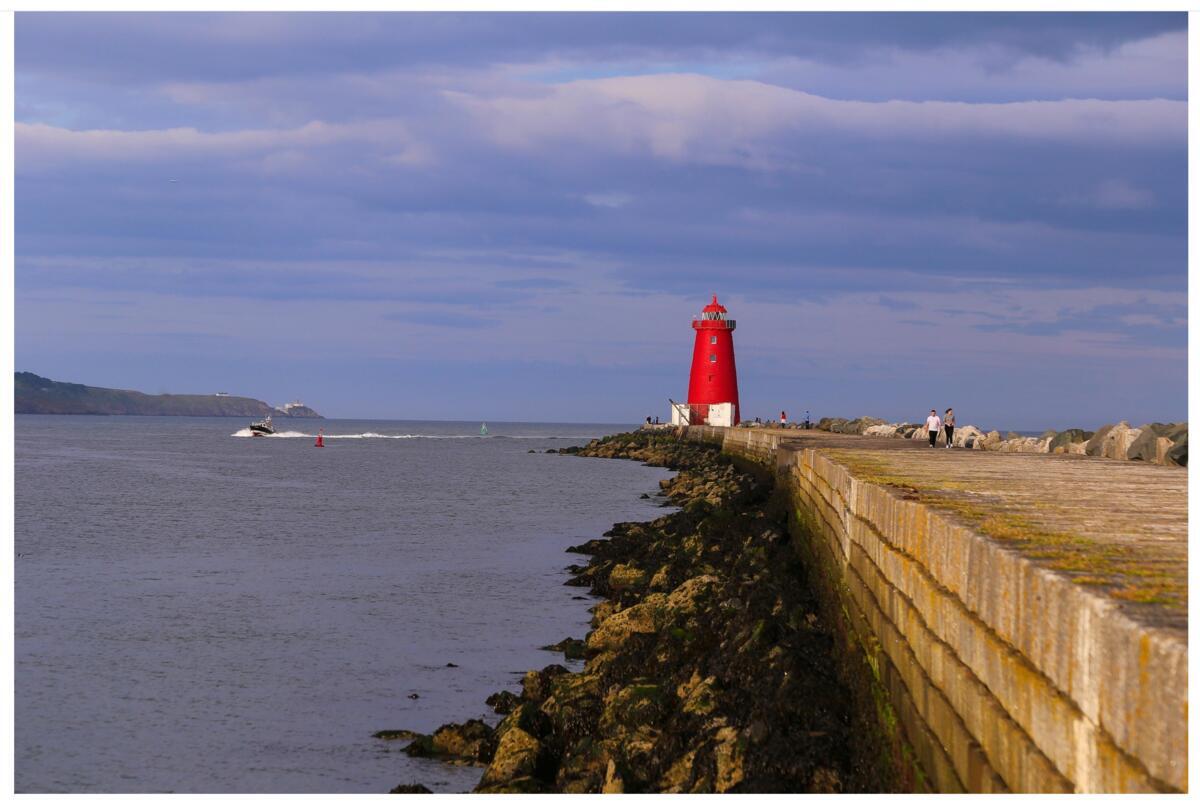
Overview
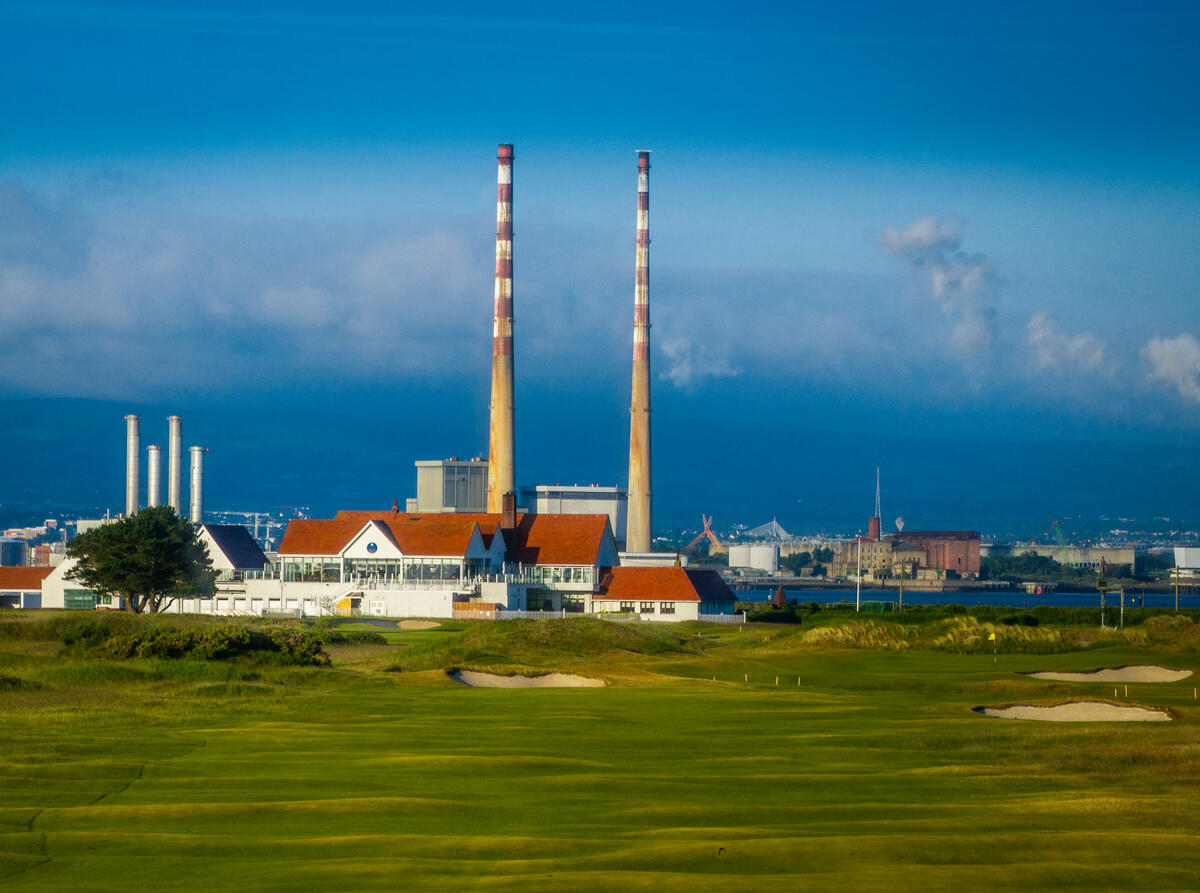
Pigeon House Fort sits on the south‑wall of the Poolbeg Peninsula, a jutting strip of reclaimed land at the mouth of the River Liffey. The site is framed by the iconic Dublin Towers, the towering Poolbeg chimneys, and a small, shaded beach that drops away onto a crumbling stone pier. From the remaining sea‑wall you can glimpse the sweeping expanse of Dublin Bay and the industrial silhouette of the old Pigeon House power station. The fort’s gatehouse, with its distinctive gun loops, provides a dramatic foreground for portrait and landscape photography, making the area a favourite spot for Instagram‑savvy travellers.
History
The story of Pigeon House begins long before the stone walls of the fort were erected. In the late 17th century the spot was known as the “Green Patch”, a modest landing place for small vessels. By the mid‑18th century the construction of the Great South Wall transformed the area into a functional harbour. In 1761 a man named John Pidgeon took charge of the landing stage, establishing a modest refreshment house that soon gave the whole precinct its enduring name. Contemporary accounts describe the customs process at the “Pigeon House” as a notorious ordeal – travellers spoke of “plucking the pigeons” as they were hounded by officials and highwaymen alike.
The commercial boom prompted the erection of the neo‑Palladian Pigeon House Hotel in 1793, a stylish building that catered to the increasing traffic between Dublin and Holyhead. The 1798 Irish Rebellion, however, turned the strategic value of the site on its head. The British military seized the precinct, and in 1814 the complex was formally converted into Pigeon House Fort. At its height the fort boasted drawbridge‑protected gates, officer’s quarters, a hospital for 12 men, an armoury, a magazine, and a garrison of 16 officers and 201 soldiers. A 1837 description records a basin 900 ft by 450 ft intended for packet ships – a plan that never materialised once Howth and Kingstown harbours proved more suitable.
The fort remained an active defensive installation until 1897, when the Department of War sold the property to Dublin Corporation. The northern section was soon subsumed by the Pigeon House generating station (1902‑03), later expanded into the massive Poolbeg power complex that dominated the skyline throughout the 20th century. Today only a fragment of the original gatehouse, a stretch of sea‑wall with its characteristic gun loops, and a few scattered stone blocks survive above ground.
Archaeological work carried out in 2009 confirmed the layered history of the site, documenting everything from the 17th‑century landing point to the Victorian‑era military installations. The report highlighted the western gatehouse as a viable candidate for a modest visitor‑orientation space, suggesting that modest interventions – signage, restored granite paving, and the relocation of historic cannons – could transform the ruin into a tangible narrative centre.
What to See & Do
- Western Gatehouse – The most intact surviving structure, its arched doorway and gun loops hint at the fort’s defensive purpose. The stonework, though weathered, still shows the precision of early‑19th‑century military engineering.
- Sea‑Wall and Gun Loops – Walk along the low sea‑wall that once formed the fort’s outer perimeter. The gun loops, cut into the masonry, offer a tactile connection to the artillery that once guarded the South Bull sands.
- Pier and Crumbling Stone Wall – A short stroll eastward leads to a pier backed by a deteriorating stone wall that fades into the sea. The juxtaposition of industrial decay and natural shoreline makes an evocative setting for photography.
- Panoramic Views – From the sea‑wall you can capture sweeping vistas of Dublin’s skyline, the modern Poolbeg chimneys, and the distant Dublin Towers. The contrast between historic ruins and contemporary infrastructure is a visual treat.
- Nearby Heritage – While the fort itself is closed, the surrounding Poolbeg precinct offers additional points of interest: the red‑brick Pigeon House power station, the iconic Poolbeg stacks, and the historic Great South Wall.
Getting There
Pigeon House Fort is permanently closed to interior access, but the exterior can be enjoyed from the public footpath that runs along the south‑wall of the Poolbeg Peninsula.
- Public transport – The easiest way is by Dublin Bus. Routes 33, 46A and 151 serve the Ringsend area; alight at the “Ringsend – Poolbeg” stop and walk south along the promenade (approximately 10 minutes).
- Car – Access by road is via the Ring Road (R131). Free street parking is available a few minutes’ walk from the footpath, though spaces fill quickly on sunny days.
- Cycling & walking – The site sits on the Dublin Port Greenway, a traffic‑free route that links the city centre to the Poolbeg area. Cyclists can follow the greenway from the city docks or from the nearby Ringsend promenade.
Seasonal & Accessibility Notes
- Tides – The sea‑wall is exposed at all tide levels, but the view of the pier is best at low tide when the water recedes and the stonework is fully visible.
- Weather – The location is exposed to the Atlantic wind; a wind‑proof jacket is advisable even in summer.
- Accessibility – The footpath is level and suitable for wheelchairs, but the gatehouse steps are uneven and not wheelchair‑friendly. Visitors are asked to stay on the designated path and avoid climbing on the ruins.
- Photography – Sunrise over the Poolbeg chimneys and sunset behind the Dublin Towers provide dramatic lighting. A tripod is useful for low‑light shots of the lighthouse.
Practical Information
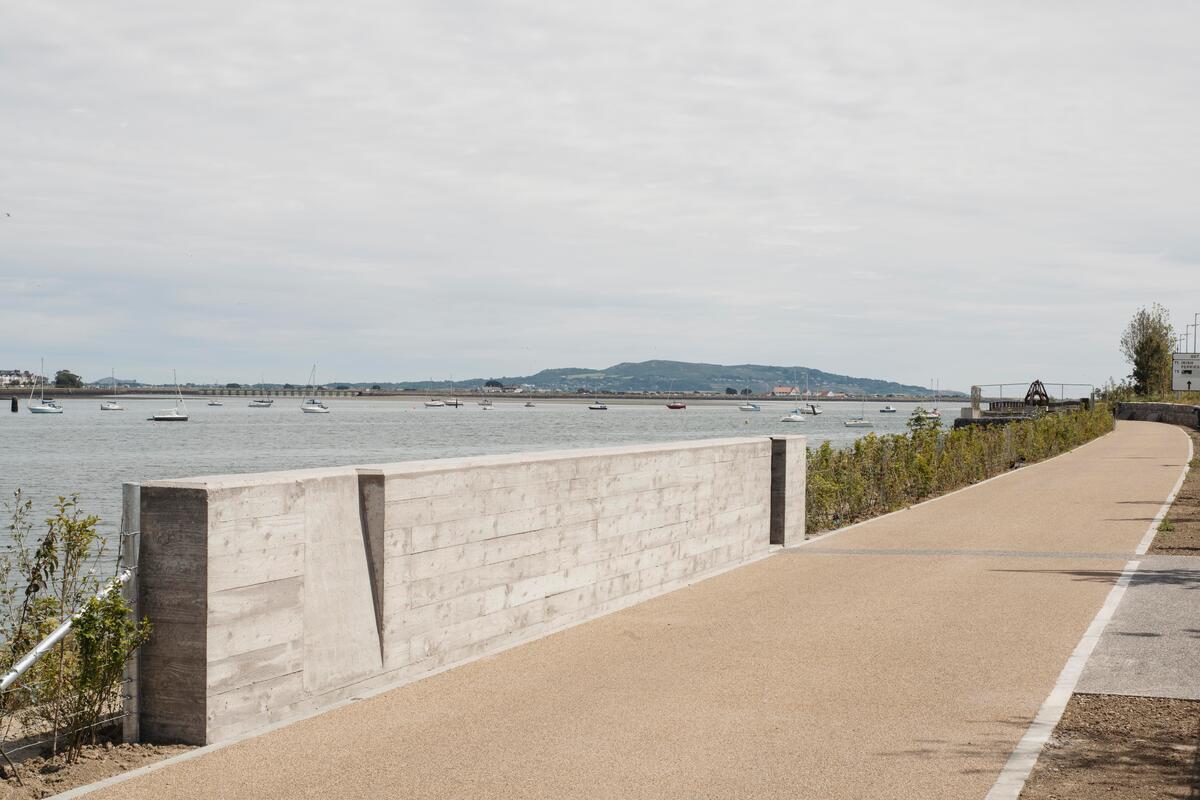
Pigeon House Fort is permanently closed to the public; there are no opening hours, admission fees, or on‑site facilities. The site can be viewed from the public footpath that runs along the south‑wall of the Poolbeg Peninsula. Access is easiest via the Dublin Bus routes that serve the Ringsend area (e.g., routes 33, 46A, and 151) and a short walk from the nearest bus stop. Parking is limited in the immediate vicinity, but free street parking is available a few minutes’ walk away on the Ring Road.
Because the fort is not staffed, visitors should respect the fragile nature of the remaining masonry and avoid climbing on the gatehouse. The area is open year‑round, and the sea‑wall offers unobstructed views regardless of tide. For those interested in deeper historical context, the 2009 archaeological report (Site No. DU019–027) is publicly available through the National Monuments Service and provides detailed plans of the surviving structures.
While no official visitor centre exists, the Dublin City Council has discussed the possibility of installing interpretive signage at the gatehouse. Until such amenities are realised, self‑guided exploration remains the primary way to experience the site’s atmospheric remnants.
Nearby Attractions & Walks
- Great South Wall – Walk the historic sea‑wall that extends out to the lighthouse; it offers excellent bird‑watching opportunities.
- Poolbeg Chimneys – The iconic red brick stacks of the former power station are a striking backdrop for photos.
- Ringsend – A lively coastal suburb with cafés, a small beach and easy access to the greenway.
- Dublin Port Greenway – A traffic‑free path linking the city centre to the Poolbeg area, ideal for cyclists and walkers.
- Arbour Hill – A short bus ride away, this historic site houses the Irish National War Memorial and a 17th‑century prison.
Coordinates: 53.339604 N, 6.194840 W