
Overview
Belfast Harbour, often referred to as the Port of Belfast, is a major trust port on the north‑eastern shore of Belfast Lough. It handles about 67 % of Northern Ireland’s seaborne trade and roughly a quarter of all maritime traffic on the island of Ireland. The harbour estate is home to the world‑renowned Titanic Quarter, the Harland & Wolff shipyards, the Odyssey complex and a bustling cruise terminal that can accommodate vessels of up to 6,000 passengers.
The port is a vital logistics hub, moving millions of tonnes of bulk cargo, containers and freight vehicles each year, while simultaneously serving as the gateway for cruise visitors eager to explore Belfast’s vibrant city centre and the dramatic landscapes of County Antrim.
History
The origins of Belfast Harbour stretch back to a 1613 royal charter that mandated a wharf at the confluence of the River Lagan and the River Farset. By the late 17th century the port already owned 29 vessels totalling 1,100 tonnes. Throughout the 18th century the harbour expanded, eventually supplanting Carrickfergus as Ulster’s principal port.
In 1785 the Irish Parliament passed the Ballast Act, creating the ‘Ballast Board’ to oversee improvements. The most transformative engineering project was the straightening of the Lagan into the Victoria Channel (completed 1849), which eliminated a troublesome bend and allowed larger ships to reach the quays. Subsequent docks – Clarendon (1851), Dufferin and Spencer (1897) – cemented Belfast’s status as a ship‑building powerhouse.
During World War II the harbour served as a Royal Navy base for Atlantic and Russian convoy escorts. The First‑World‑War light cruiser HMS Caroline, now a museum ship, is permanently berthed in the harbour and opened to the public in June 2016.
The modern era saw the creation of the Victoria Terminal 3 (1993) and the Belfast Container Terminal (2006), both equipped with state‑of‑the‑art gantry cranes. A £40 million upgrade announced in 2019 introduced remote‑controlled Kalmar rubber‑tyred gantry cranes and new Liebherr ship‑to‑shore cranes, keeping the port at the cutting edge of container handling.
What to See & Do
While the port itself is primarily a working harbour, its surroundings are packed with attractions that are easily reachable from the cruise terminal:
- Titanic Belfast – an award‑winning visitor experience on the very slipways where the RMS Titanic was built. Interactive galleries trace the ship’s design, construction, launch and tragic sinking.
- HMS Caroline – the restored World‑War‑I light cruiser offers a glimpse of early 20th‑century naval life.
- Odyssey Complex – home to the SSE Arena, the Odyssey Pavilion and the W5 science centre, providing entertainment for families.
- St. George’s Market – a historic indoor market where visitors can sample local food, crafts and live music.
- City Hall & Cathedral Quarter – a short 10‑minute walk from the terminal, showcasing Victorian architecture and vibrant street art.
- Cruise‑specific excursions – private tours arranged by local operators can include the Giant’s Causeway, Game of Thrones filming locations, or a Black‑Cab mural tour.
The port also supports two dedicated cruise berths:
| Berth | Length (m) | Depth (m) | Typical Use |
|---|---|---|---|
| Pollock Dock | 457 | 8.5 | Smaller ships and turn‑around vessels |
| Stormont Wharf | 177 | 10.2 | Larger cruise liners |
Nearby Attractions & Walks
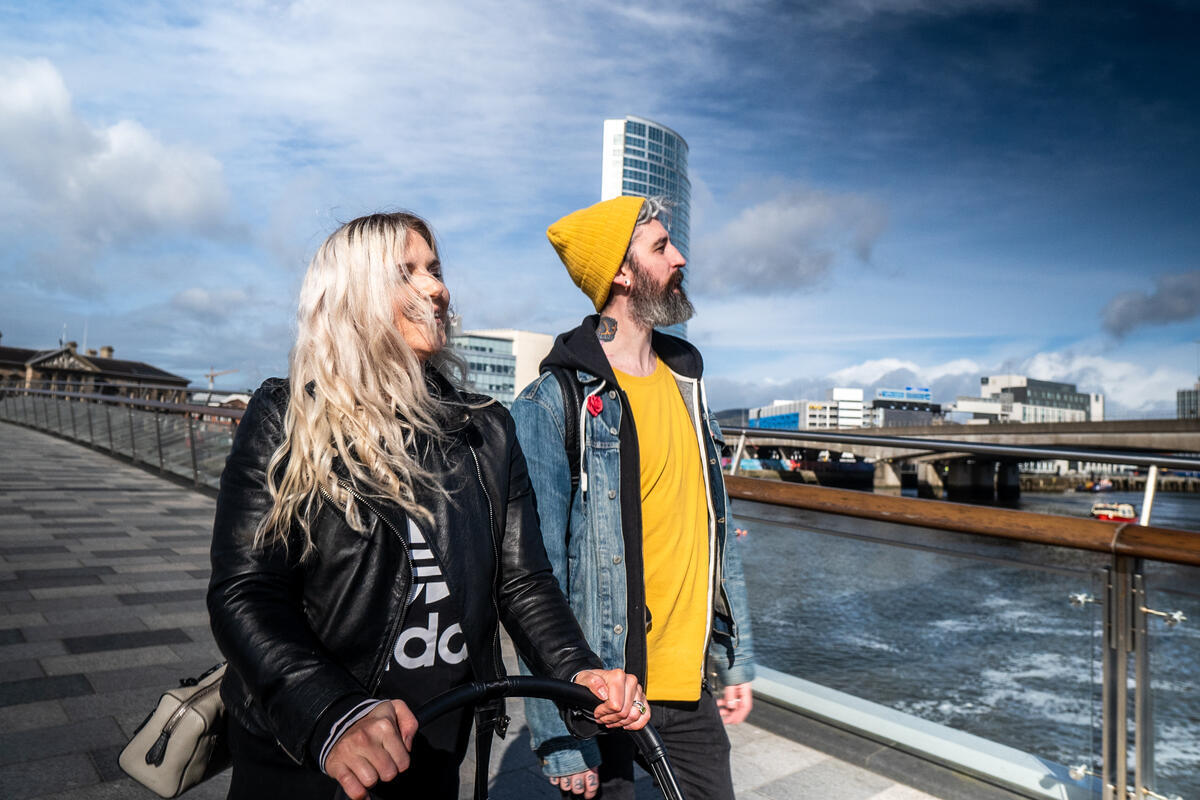
The harbour’s waterfront promenade – often called the Maritime Mile – links the cruise terminal to several of Belfast’s top sights and makes for an easy 30‑minute stroll:
- Belfast Botanic Gardens – a short 15‑minute walk north along the Lagan, famous for its glasshouses and the Palm House (see Belfast Botanic Gardens).
- Belfast Castle – perched on the slopes of Cave Hill, reachable by a quick bus ride or a pleasant 2 km walk through the Belfast Hills (see Belfast Castle).
- Belfast City Centre – just 2 km from the terminal, offering shopping, dining and cultural venues such as the Belfast City Hall and the bustling Donegall Square.
- St. George’s Market – open Friday to Sunday, a lively spot for local produce and live music.
- Titanic Quarter – beyond the cruise terminal, the area hosts the Titanic Belfast visitor centre, the historic shipyard cranes and a range of bars and restaurants.
These attractions are all within comfortable walking distance or a short public‑transport ride, making the Port of Belfast an ideal base for first‑time visitors.
Seasonal Events
Summer brings a lively calendar to the waterfront and city centre. The Belfast Mela Festival, held each August in the Botanic Gardens and surrounding streets, showcases world music, food stalls and family activities – a colourful event that many cruise passengers enjoy while docked. Throughout the season the Maritime Mile often hosts open‑air concerts, food markets and pop‑up art installations, especially during the Belfast Festival at Queen’s in early summer.
Note: Event dates can vary year to year; visitors should check the latest listings before travel.
Practical Information
Getting to the city centre – The cruise terminal sits about 2 km from Belfast’s heart. Most cruise lines provide complimentary shuttle buses that drop passengers at Donegall Square, a short walk from City Hall. Licensed taxis are readily available; a typical fare to the centre costs £7‑£15 depending on the dock. Public‑transport users can catch a Translink Metro bus from the terminal to the city’s main bus stations.
Facilities – The modern D1 terminal (opened 2019) offers a visitor information desk, free Wi‑Fi, a gift shop, ample seating and a large coach‑parking area. Left‑luggage services are provided by the Visit Belfast Welcome Centre, located opposite City Hall.
Parking – A short‑stay car park is situated adjacent to the terminal. Rates and exact opening times should be confirmed on arrival or via the port’s website.
Ticketing – Popular attractions such as Titanic Belfast and HMS Caroline often sell out during the cruise season (May‑September). It is advisable to book tickets online in advance via the official sites (e.g., Titanic Belfast).
Accessibility – Wheelchair access is available throughout the terminal, shuttle buses and most major attractions. Visitors requiring additional assistance should contact their cruise line or the port’s customer service ahead of arrival.
Currency & Payments – The United Kingdom pound sterling (£) is the legal tender. Credit and debit cards are accepted widely; a modest amount of cash can be useful for market stalls.
Opening hours – The cruise terminal operates 24 hours while ships are docked. Individual attractions follow their own schedules; most museums and the Titanic experience open from 09:00 to 17:00, with extended summer hours on select days.
Safety – Belfast is a safe city for tourists, especially in the well‑patrolled harbour and city centre. The Belfast Harbour Police, one of the oldest constabularies in the British Isles, provide security for passengers and port users.
Nearby accommodation – A range of hotels line the waterfront and city centre, from budget‑friendly chains to luxury boutique properties. Many offer shuttle services to the cruise terminal.
Useful links
- Visit Belfast – official tourism site
- Belfast Harbour – port authority page
- Cruise schedule for Belfast
- Public transport map (Translink)
With its blend of industrial heritage, modern amenities and proximity to the city’s top sights, the Port of Belfast offers cruise passengers a seamless introduction to Northern Ireland’s culture, history and natural beauty.