
Overview
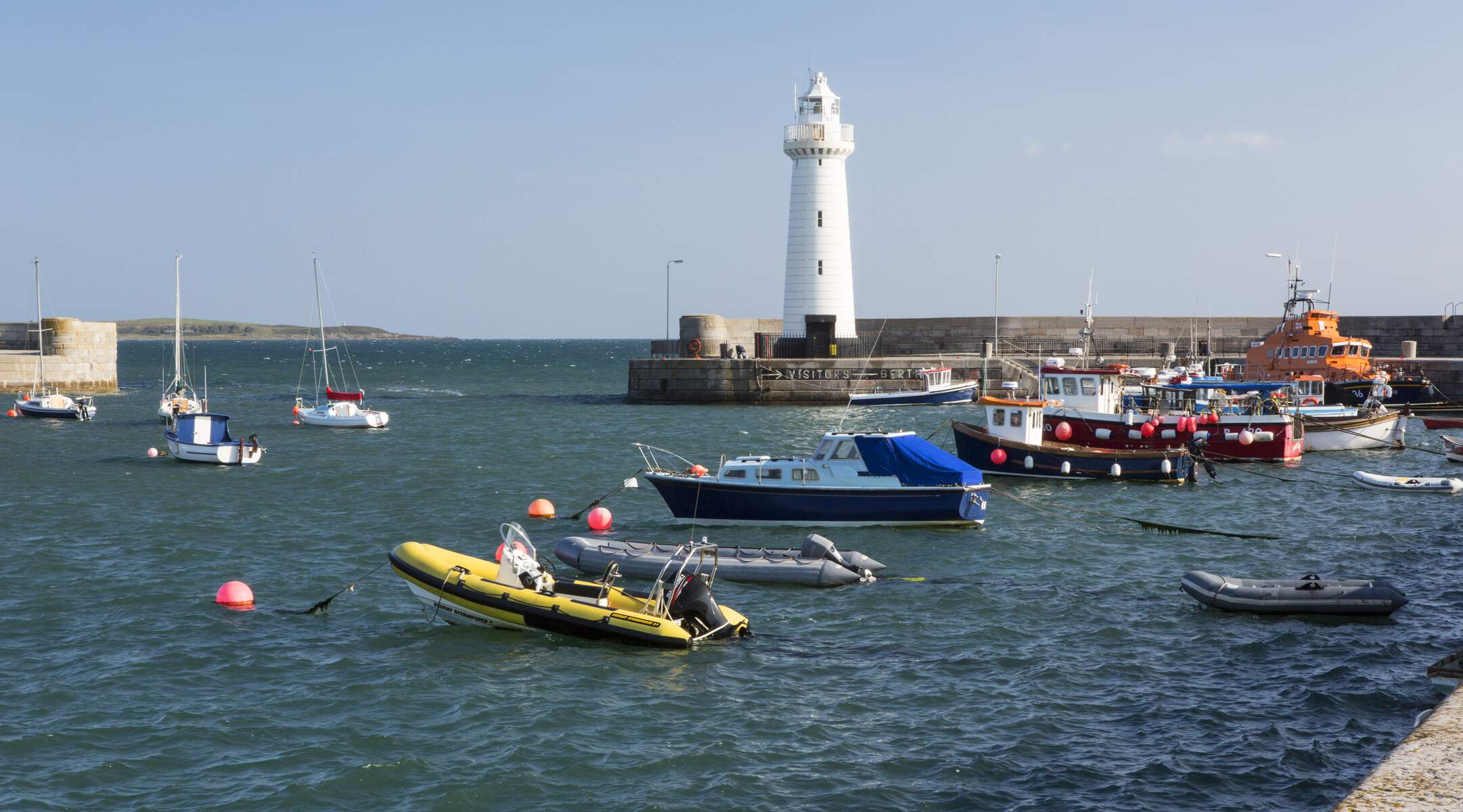
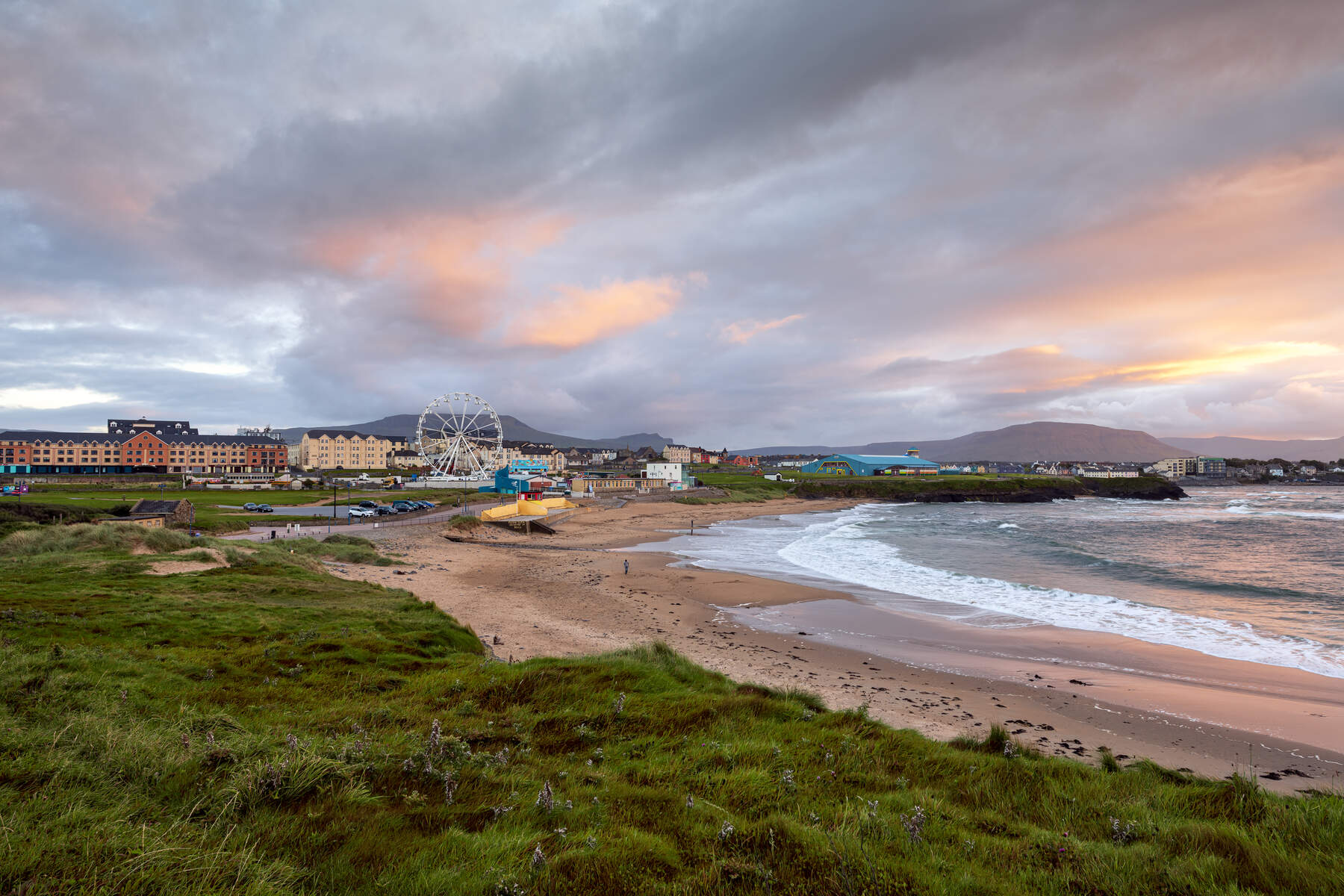
Port St Anne sits on the north‑west tip of County Donegal, a short drive from the iconic Slieve League cliffs and the bustling town of Donegal. The village is built around a natural harbour that has served fishermen for centuries, and today it provides a tranquil base for visitors exploring the Wild Atlantic Way. The streets are lined with colourful houses, traditional pubs, and a handful of craft shops, all set against a backdrop of Atlantic waves and rolling hills.
History
The origins of Port St Anne are tied to the ancient maritime traditions of Donegal. Historically, the harbour was a safe anchorage for local boats and a point of contact for trade with the Scottish islands. Over the years, the village retained its fishing heritage while gradually welcoming tourists drawn by the dramatic scenery of the north‑west coast. The legacy of the sea is still evident in the village’s architecture – low‑lying stone cottages with slate roofs that echo the rugged landscape.
What to See & Do
-
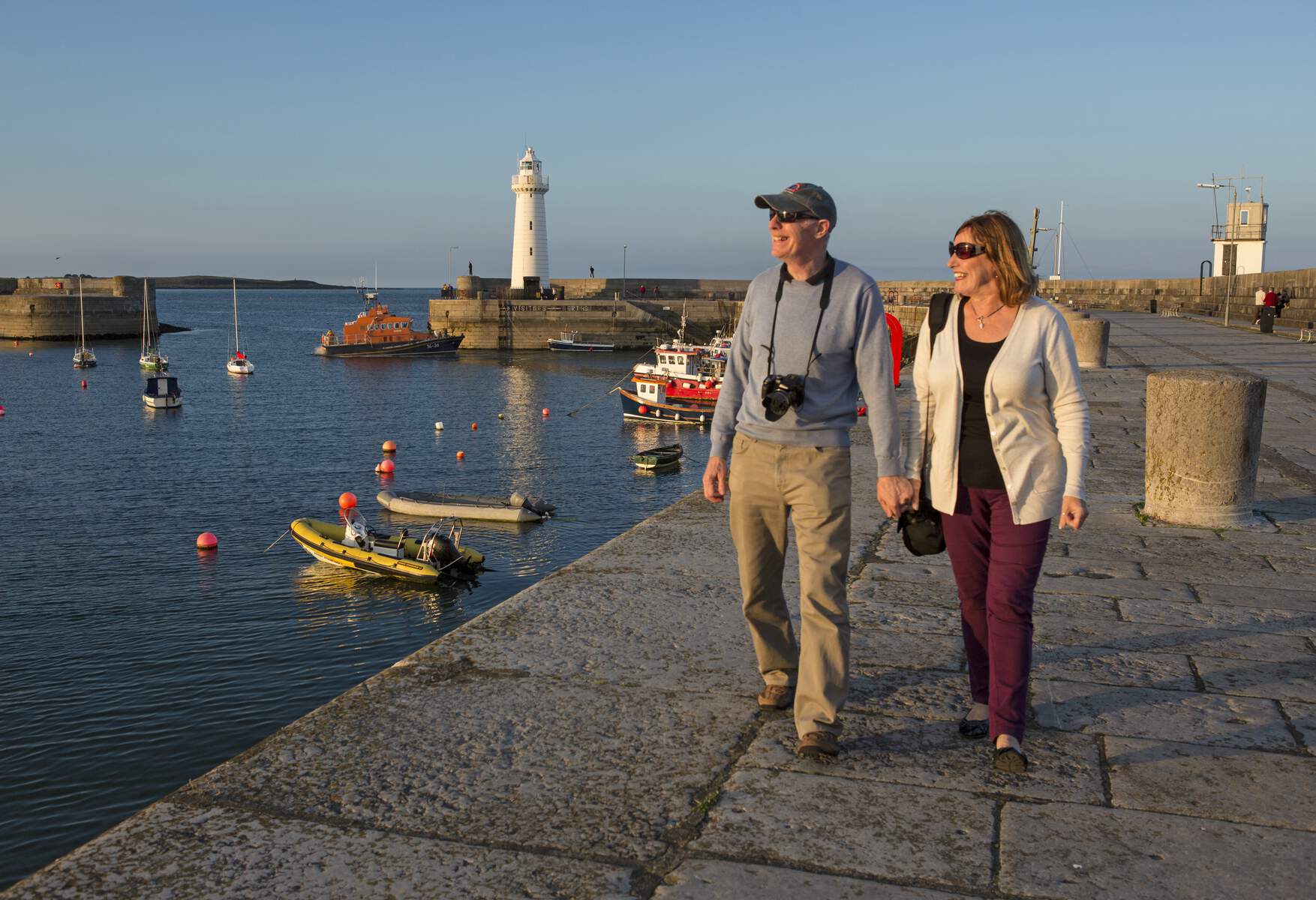
Harbour Walk – A leisurely stroll along the quay offers uninterrupted views of fishing vessels bobbing in the tide, seabirds wheeling overhead, and the occasional dolphin sighting. The walk is especially photogenic at sunrise when the light paints the water gold.
-
Coastal Trails – Port St Anne is a gateway to several marked walking routes that thread through heathland, cliffs and sandy beaches. The most popular loop heads south towards the dramatic cliffs of Slieve League, providing dramatic panoramas of the Atlantic and the iconic “sea cliffs of Ireland”.
-
Local Pubs & Music – After a day of exploring, head to one of the village’s traditional pubs. Live sessions featuring fiddles, bodhráns and Gaelic songs are a regular feature, giving visitors a taste of authentic Irish music culture.
-
Craft and Food – Small artisan shops sell locally woven textiles, hand‑carved wooden items and smoked salmon straight from the harbour. Sample fresh seafood chowders, locally brewed craft beers, and the famous Irish soda bread in the village cafés.
-
Wild Atlantic Way – Port St Anne lies on the celebrated Wild Atlantic Way, a 2,500‑km coastal route that showcases Ireland’s most spectacular seascapes. Whether you’re cycling, driving or walking, the village makes an ideal stop to refuel and soak in the scenery.
Practical Information
Port St Anne is easily reachable by road from the N56, the main artery that loops around Donegal. Public transport options are limited, so most visitors arrive by car or join a guided tour that includes the village as part of a broader Donegal itinerary. Parking is available near the harbour and is free of charge during most of the year, though spaces can fill quickly in the summer months.
While there is no formal visitor centre, information boards at the harbour provide details on tide times, walking routes and local wildlife. The village is generally accessible for visitors with limited mobility, though some of the coastal paths involve uneven surfaces and steep drops, so sturdy footwear is advisable.
For those planning to stay overnight, a range of B&Bs and guesthouses are scattered around the village, many offering rooms with sea‑view windows. Booking in advance is recommended during peak summer weeks, as the limited accommodation can fill up quickly.
Getting there:
- By car: From Dublin, take the M1 to the N2, then the N13 and N14 into Donegal. The journey is roughly 4.5 hours.
- By air: The nearest airport is Donegal Airport (CFN), about 30 km south‑west of Port St Anne, with regular flights from Dublin and Belfast.
- By ferry: Ferries run from Belfast to the nearby port of Derry, from where the coastal road leads to the village.
Seasonal notes: The village enjoys a mild maritime climate. Summer days are long and relatively warm, making the harbour walk and coastal hikes especially pleasant. Winter brings brisk winds and occasional storms, but the dramatic sea‑scapes remain striking, and the village’s cosy pubs provide a warm refuge.
Nearby attractions: A short drive north brings you to the towering Slieve League cliffs, often described as higher than the Cliffs of Moher. To the east, the historic Donegal Castle and the charming town of Ardara offer cultural excursions.
For up‑to‑date travel advice, ferry schedules and road conditions, consult the official Tourism Ireland website: Ireland.com – Travel.
Port St Anne may be small, but its blend of natural beauty, maritime heritage and warm hospitality makes it a memorable stop on any Irish adventure. Whether you’re a seasoned hiker, a lover of traditional music, or simply seeking a peaceful seaside escape, the village welcomes you with open arms and the sound of the Atlantic at your feet.
Nearby attractions & day trips
Port St Anne is ideally positioned for exploring some of Donegal’s most celebrated sights. Consider adding one of these short trips to your itinerary:
- Banba’s Crown – Ireland’s northernmost point, offering dramatic sea views and a chance to stand at the edge of the Atlantic. [/banbas-crown/]
- Ballymastocker Bay – A Blue Flag beach renowned for its white sand and clear waters, perfect for a family beach day. [/ballymastocker-bay/]
- Bloody Foreland – A rugged headland with striking cliffs and wildlife spotting opportunities. [/bloody-foreland/]
- Assaranca Waterfall – A hidden cascade set in a tranquil woodland walk, ideal for a quick nature escape. [/assaranca-waterfall/]
- Binion – A caravan site and hill walk that provides panoramic views over the surrounding coastline. [/binion/]
- Ardara Heritage Centre – Learn about the local craft and textile traditions in this small but informative museum. [/ardara-heritage-centre/]
- Ballybofey – A lively town with arts centre, shops and easy access to the River Finn for fishing or kayaking. [/ballybofey/]
Each of these destinations is reachable within 30‑45 minutes by car, making Port St Anne a convenient base for a varied Donegal adventure.