Overview
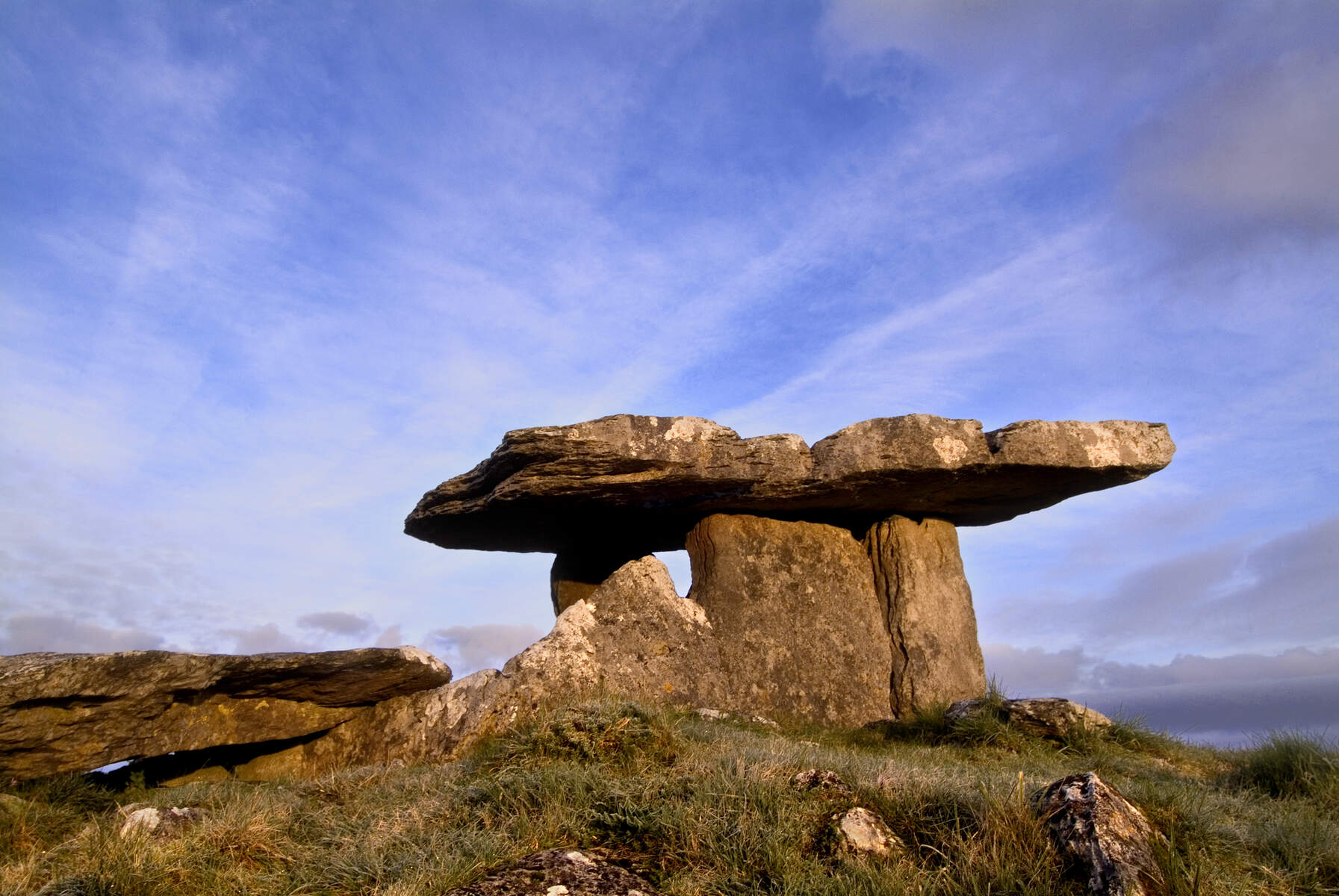
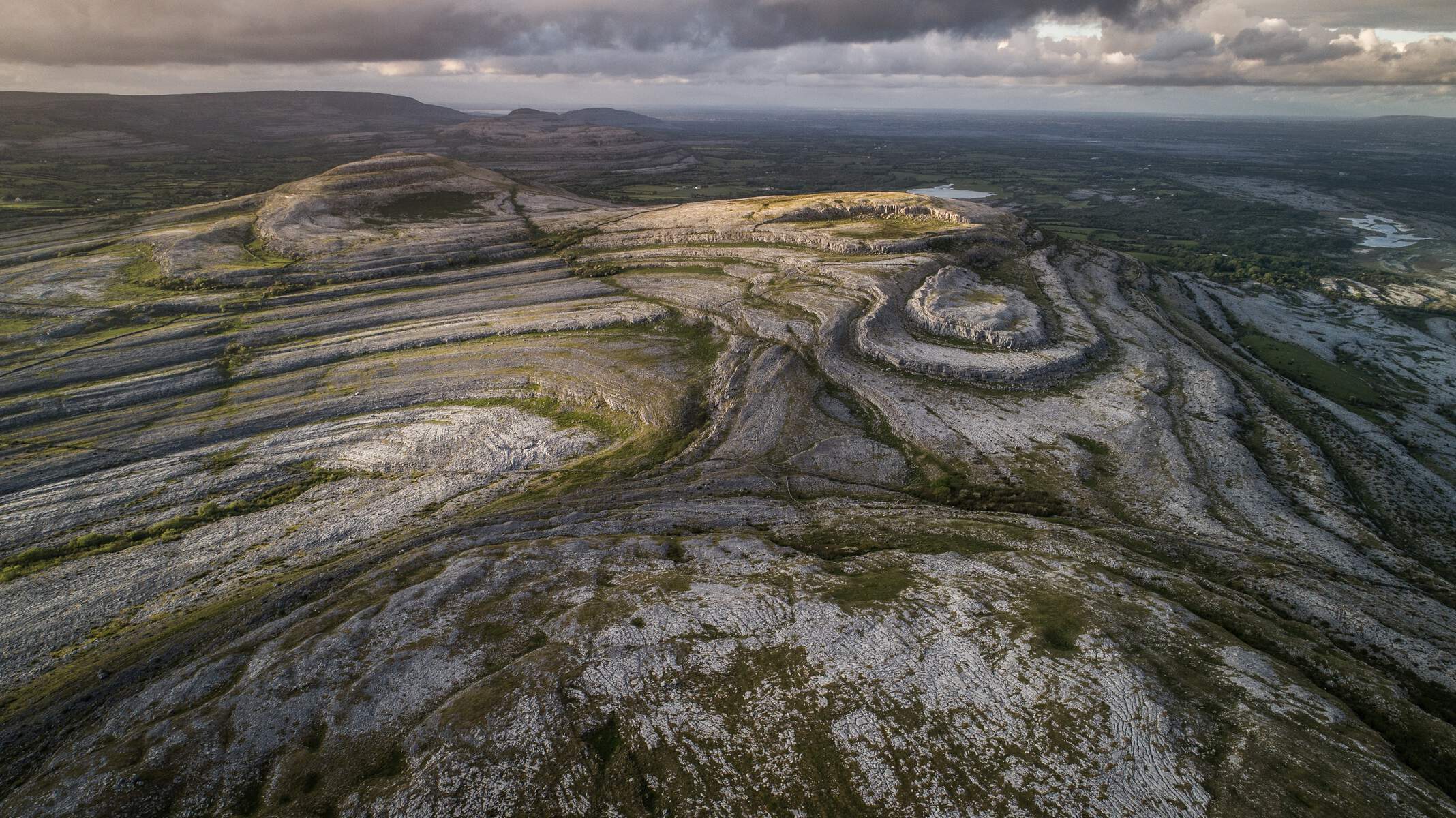
Poulnabrone Dolmen (Irish: Poll na Brón) dominates a windswept limestone plateau in the heart of the Burren, County Clare. The name translates to “hole of the quernstone” – a poetic nod to the stone‑working tools of the Neolithic farmers who erected the monument. Visitors are greeted by three massive portal stones supporting a slab‑like capstone that stretches almost four metres in length. The site is free to access year‑round and is one of the most photographed megalithic structures in Ireland, often featured in tourism campaigns.
History
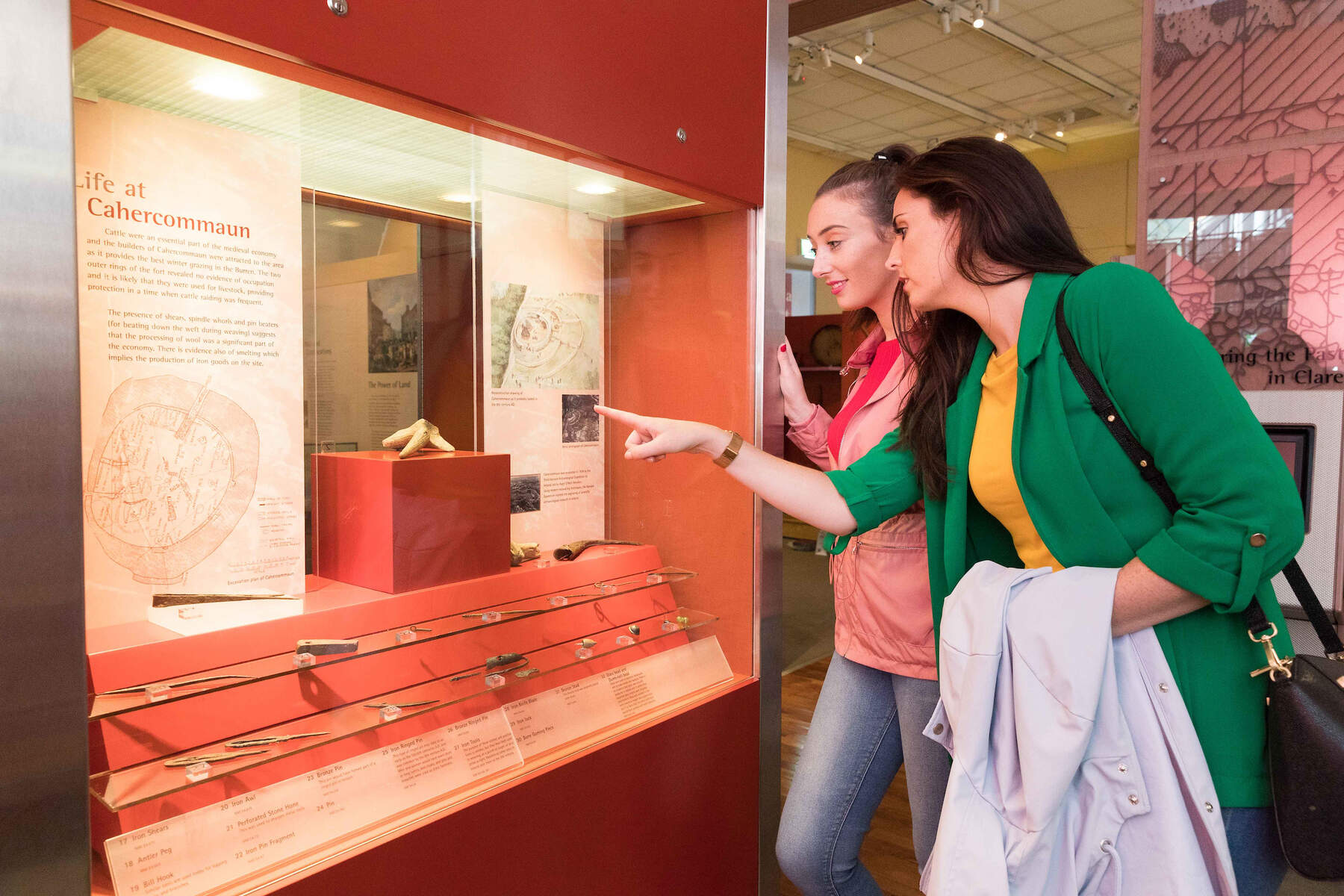
The dolmen belongs to the early Neolithic period, with radiocarbon dates placing its use between 3800 BC and 3200 BC – a span of roughly 600 years. Excavations in 1986 and 1988 uncovered the remains of about 33 individuals, ranging from infants to young adults, along with a suite of grave goods: a stone axe, arrowheads, beads, a bone pendant, quartz crystals and fragmented pottery. These finds are now displayed at the Clare Museum (https://claremuseum.ie/). The original structure would have been covered by a cairn of earth and stone, creating a collective burial chamber that also may have served as a territorial marker visible from the ancient north‑south route linking Ballyvaughan Bay to the area of present‑day Kilnaboy.
The capstone slopes upward toward the west – an unusual orientation for Irish portal tombs but typical of many Clare dolmens. The supporting pillars, each about two metres high, are set directly on the limestone bedrock, giving the chamber a stable, trapezoidal shape that tapers eastwards.
What to See & Do
- The stone skeleton – Walk around the three standing portal stones and the massive capstone to appreciate the engineering feat of moving stones that weigh up to 1.5 tonnes.
- Interpretive signage – A site warden is usually on hand to explain the archaeological significance and answer questions about the human remains and artefacts.
- Photography – The stark karst landscape provides dramatic backdrops, especially when the low‑angle light of sunrise or sunset highlights the capstone’s western slope.
- Nearby attractions – The dolmen sits a short drive from the iconic Cliffs of Moher, the Aillwee Cave, and the scenic Burren drive. A visit to the dolmen can easily be combined with a loop through the Burren’s limestone pavements, wildflowers and rare fauna.
Practical Information
| Item | Details |
|---|---|
| Opening hours | Open all year; no fixed opening times – the site is accessible whenever daylight permits. |
| Admission | Free entry |
| Parking | Free car park located beside the site (≈250 m walk to the dolmen). The ground is uneven; visitors with limited mobility may find the approach challenging. |
| Access | The dolmen lies off the R480 road, about 8 km south of Ballyvaughan. A short, level walk from the car park leads to the monument. |
| Facilities | A site warden is usually present to provide information. No visitor centre on‑site; nearby amenities are available in Ballyvaughan and Ennis. |
| Latitude / Longitude | 53.048672 N, 9.140042 W |
Getting There
The most convenient way to reach Poulnabrone is by car. From Galway, take the R480 south through the Burren; the turn‑off for the car park is clearly signposted. Public transport options are limited – the nearest bus stop is in Ballyvaughan, and a taxi or rental car is recommended for flexibility. For those driving, the free parking area was created in 2007 to alleviate roadside congestion and is large enough for cars and small coaches.
Accessibility
While the site is free and open, the uneven limestone ground and the 250 m walk from the car park can be difficult for visitors with reduced mobility. No wheelchair‑friendly paths are currently provided, and the dolmen itself is a standing stone structure that cannot be approached closely for safety reasons.
Further Reading & Resources
- Official tourism page: Ireland.com – Poulnabrone Dolmen
- Burren Geopark information: Burren Geopark
Poulnabrone Dolmen offers a rare window into Ireland’s deep past, set against the stark beauty of the Burren’s karst landscape. Whether you are a history enthusiast, a photographer, or simply a curious traveller, the stone‑skeleton of this portal tomb invites contemplation of the lives and rituals of the island’s earliest farmers.