Overview
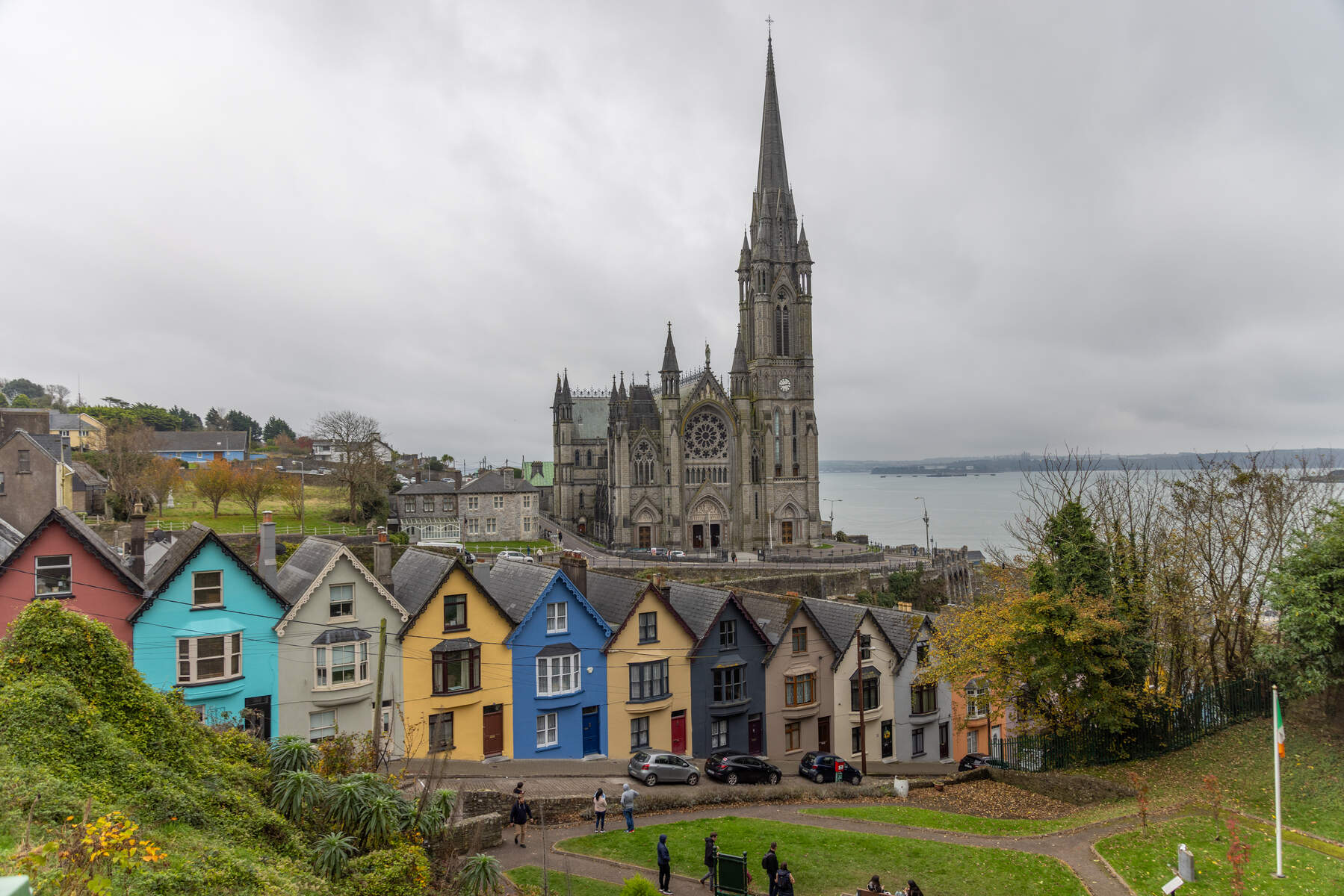
Cobh, the town that briefly wore the name Queenstown between 1849 and 1921, sits on the southern tip of Great Island in Cork Harbour. Its pastel‑coloured waterfront houses, bustling promenade and the soaring spire of St Colman’s Cathedral give the place a Mediterranean feel that belies its Irish latitude. The town is a gateway for cruise ships, a hub for heritage tourism, and a convenient base for exploring the surrounding islands and wildlife parks.
History
Originally a modest fishing village called Cove, the settlement grew dramatically after the British established naval fortifications in the early 19th century. In 1849 Queen Victoria visited the harbour, prompting the renaming to Queenstown. The new name marked the town’s ascent as a major trans‑Atlantic embarkation point. Between 1848 and 1950, roughly 2.5 million of Ireland’s six million emigrants set sail from Queenstown, many bound for North America.
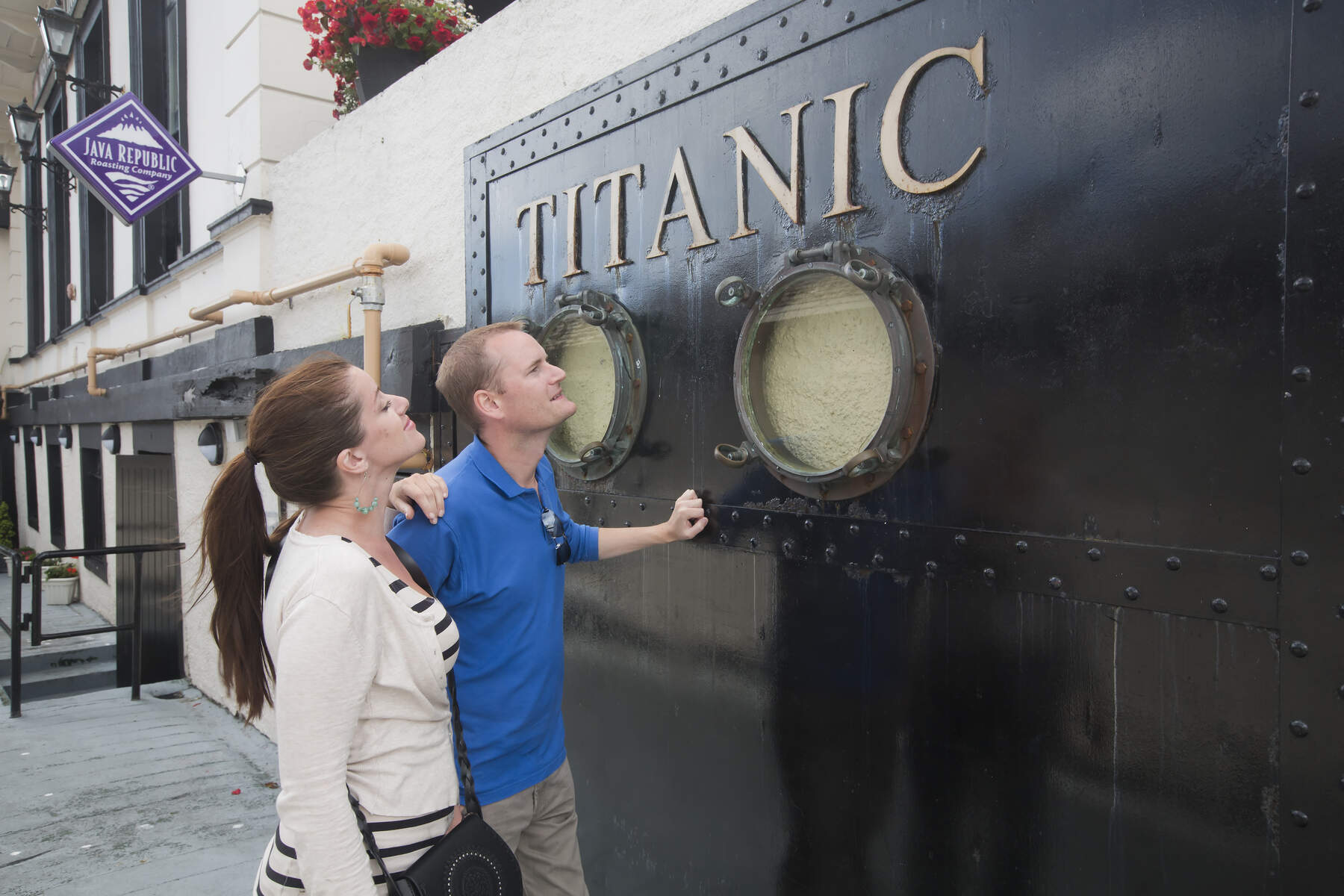
The town’s maritime legacy is punctuated by two tragic liners. On 11 April 1912, the RMS Titanic made its final stop at Queenstown, taking on 123 passengers before heading for its ill‑fated maiden voyage. A century later, the RMS Lusitania was torpedoed off the Irish coast; survivors and victims were brought to Queenstown, and over 100 of the dead lie in the Old Church Cemetery.
After Irish independence in 1921 the town reclaimed its Irish name, Cobh (pronounced “Cove”). Today, the former Queenstown name lives on in museums, heritage trails and the popular Queenstown Story exhibition housed in the restored Victorian railway station.
Motor‑boat Racing Legacy
Queenstown was a pioneer of early motor‑boat sport. In 1903 the town hosted the inaugural Harmsworth Cup, the first annual international award for motor‑boat speed. Competitors from the United Kingdom and the United States gathered in Cork Harbour, establishing the area as a world‑class venue for high‑performance water sport. The original trophy is displayed at the Cobh Heritage Centre, and occasional heritage events on the harbour commemorate the race with historic boat displays and talks about the town’s racing heritage.
World War I Naval Base
During the First World War Cork Harbour became a busy naval hub. A fleet of U.S. Navy SC‑1 class submarine chasers (including SC‑272) were stationed at Queenstown, supporting anti‑U‑boat patrols and later taking part in the North Sea mine‑sweeping operations. Photographs of these small war‑ships at Passage West survive in naval archives and illustrate the strategic role the town played in the war effort.
Father Francis Browne and Titanic Photography
Jesuit priest Father Francis Browne, S.J. boarded the RMS Titanic at Cobh in April 1912. He took his camera along and captured a series of striking images of the liner, its passengers and the harbour – photographs that were published worldwide and now form a key visual record of the Titanic’s final Irish stop. Browne’s work is celebrated in exhibitions both in Ireland and abroad, most recently in a major show at the Raclin Murphy Museum of Art in the United States.
Baseball Connection
Queenstown produced one of Ireland’s most successful baseball exports – Patsy Donovan. Born in Cobh in 1876, Donovan enjoyed a 17‑year Major League career, stealing over 500 bases and batting around .300. His story is highlighted in the town’s heritage centre, underscoring the surprising sporting links between this small Irish port and early 20th‑century American baseball.
Lusitania Funeral and Burial Site
When the RMS Lusitania was torpedoed off Kinsale on 7 May 1915, Queenstown became the centre of the official mourning ceremonies. Hundreds of coffins were brought to the town and interred in a mass grave at the Old Church Cemetery. A memorial stone marks the site, and the cemetery is included on the heritage trail for visitors wishing to reflect on this poignant chapter of World War I history.
Notable People
- Patsy Donovan – Major League baseball outfielder, 17‑season career, born in Queenstown (Cobh).
- Father Francis Browne, S.J. – Jesuit priest and photographer who documented the Titanic’s stop at Cobh.
What to See & Do
| Attraction | Why Visit | Link |
|---|---|---|
| The Queenstown Story (Cobh Heritage Centre) | Immersive exhibition on emigration, Titanic and Lusitania, set in a historic railway station. | cobhheritage.com |
| Titanic Experience | Interactive museum in the original White Star Line ticket office, focusing on the passengers who boarded at Queenstown. | visitcobh.com/the-titanic-and-cobh |
| St Colman’s Cathedral | One of the tallest buildings in southern Ireland; its 47‑bell carillon offers concerts and panoramic harbour views. | cobh/cathedral.html |
| Cobh Museum | Housed in a former Presbyterian church, it showcases the town’s maritime and social history. | cobhmuseum.com |
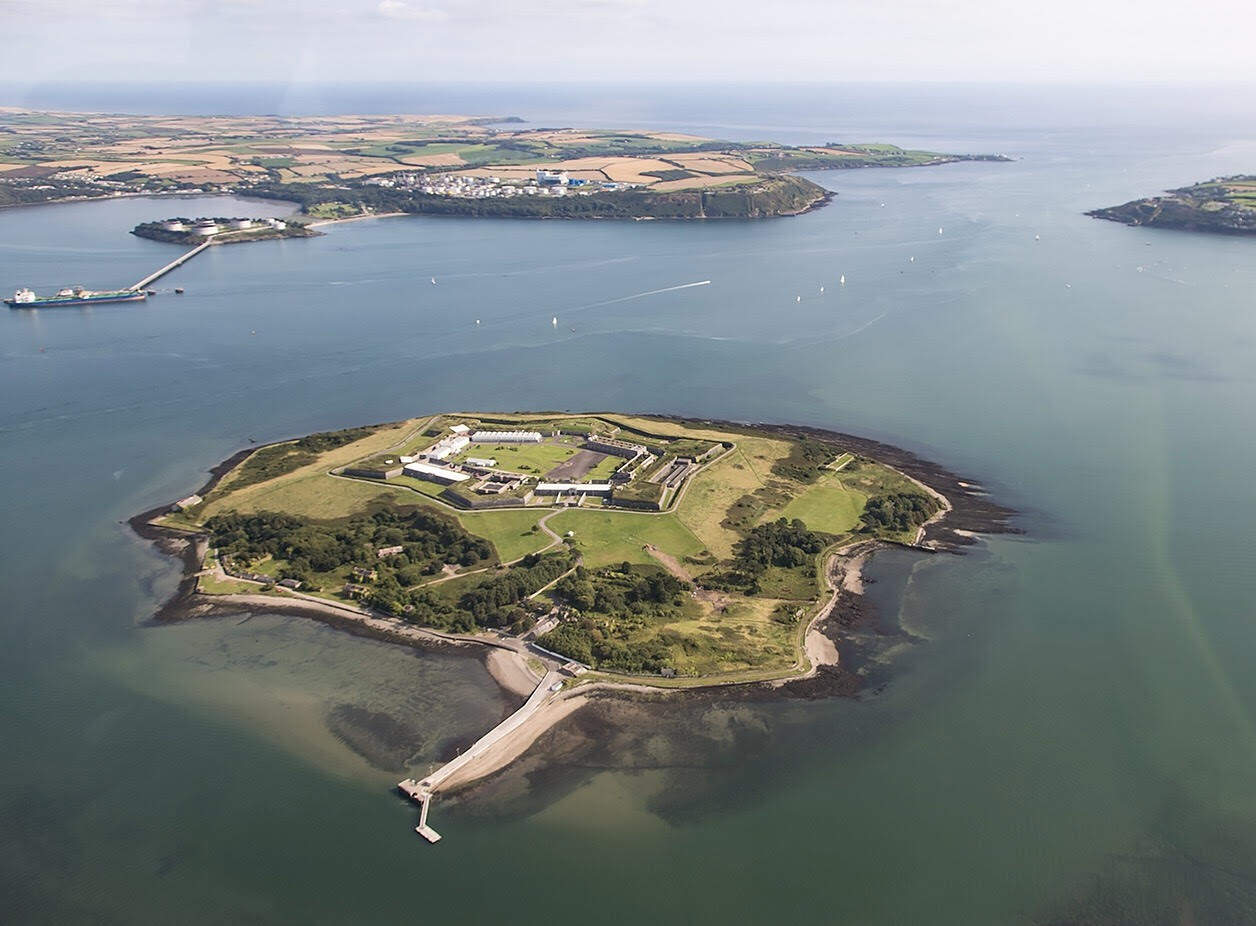
| Spike Island | A short ferry ride brings you to the former monastic settlement, star‑fort and prison – often called “Ireland’s Alcatraz”. | cobhroadtrain.ie/our-tour |
| Fota Wildlife Park | Just a few minutes from Cobh, the park lets animals roam freely in naturalistic habitats – perfect for families. | fotaisland.ie/fota-wildlife-park |
| Cobh Road Train | Open‑air carriage that circles the town, narrating its history and stopping at scenic viewpoints. | cobhroadtrain.ie/our-tour |
| Cork Harbour Boat Hire | One‑hour guided cruises give a different perspective on the harbour, Spike Island and the surrounding coastline. | corkharbourboathire.com |
| Local Pubs | Kelly’s (warm stove, rugby viewing) and the Rob Roy (traditional music) sit on the waterfront, offering authentic Irish craic. | — |
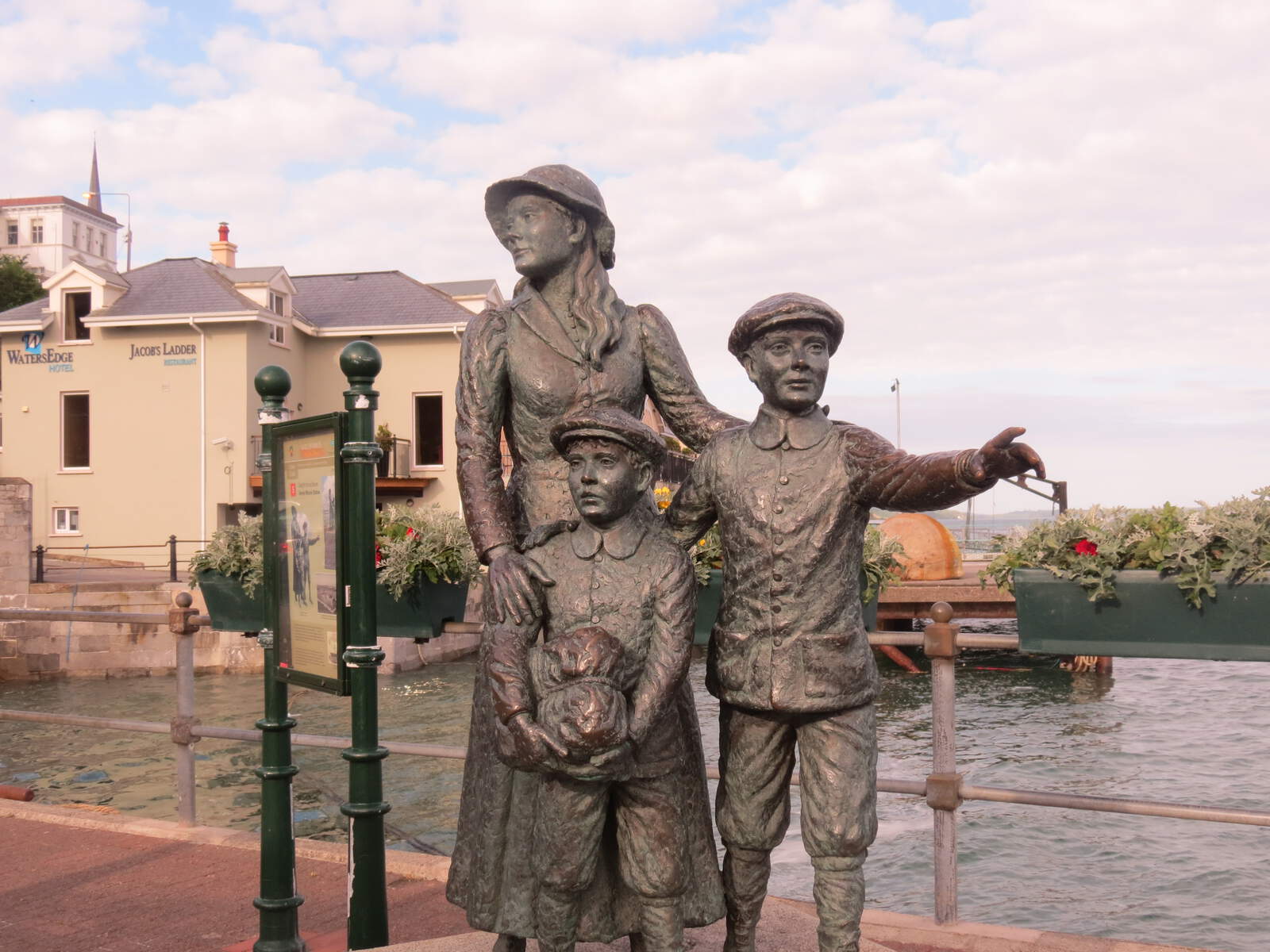
A stroll along the Cobh Promenade rewards you with colourful houses, street musicians and the occasional statue – notably the bronze figure of Annie Moore, the first Irish immigrant processed at Ellis Island.
Events & Festivals
- Cobh People’s Regatta – held each August, this traditional sailing regatta draws local and visiting crews for a day of racing and community festivities.
- Festival on the Hill – a summer music and arts festival set on the hill overlooking the harbour, featuring local bands, food stalls and family‑friendly activities.
- Harmsworth Cup Commemoration – heritage events on occasion showcase historic motor‑boats and tell the story of the 1903 inaugural race.
Practical Information
Getting There
- By Train: Irish Rail runs a frequent commuter service from Cork Kent Station to Cobh; the journey is under 25 minutes and drops you in the town centre.
- By Bus: The Cobh Connect service links the town with Cork City and surrounding villages.
- By Car: The N25 and R624 provide a direct 20‑minute drive from Cork. Parking is available in several free municipal bays near the harbour.
- By Ferry: Doyle Shipping operates a short car‑ferry between Carrigaloe (Great Island) and Glenbrook on the mainland, a four‑minute crossing.
- Nearest Airport: Cork Airport, about 30 km away, offers domestic and European flights.
Tickets & Admission
- Cobh Heritage Centre / The Queenstown Story – tickets can be purchased online; standard adult price is €12 (children under 12 free). Group rates are available.
- Titanic Experience – €10 for adults, €8 for children; online booking recommended during peak summer months.
- Spike Island Tours – ferry and guided‑tour combo costs €15‑€20 depending on the package.
- Fota Wildlife Park – €15.50 adult, €12.50 child (under 12). No advance booking required, but online tickets can shorten queue time.
- Genealogy Session at the Heritage Centre – €90 for a one‑hour research appointment (book in advance).
Opening Hours (selected attractions)
| Attraction | Mon‑Fri | Sat | Sun |
|---|---|---|---|
| Cobh Heritage Centre | 10:00‑17:00 | 10:00‑17:00 | 12:00‑16:00 |
| Titanic Experience | 10:00‑18:00 | 10:00‑18:00 | 11:00‑16:00 |
| St Colman’s Cathedral | 09:30‑17:00 | 09:30‑17:00 | 09:30‑16:00 |
| Fota Wildlife Park | 09:30‑17:00 | 09:30‑17:00 | 09:30‑16:30 |
Accommodation
Cobh offers a range of stays from seafront hotels to cosy B&Bs. The Commodore Hotel and The Watersedge are popular mid‑range options, while numerous guesthouses line the promenade. For budget travellers, the town’s hostels and Airbnb listings provide affordable alternatives.
Accessibility
Most major attractions – the Heritage Centre, Titanic Experience and St Colman’s Cathedral – have step‑free access and wheelchair‑friendly facilities. The road train and harbour boat tours also accommodate mobility‑impaired visitors, though it is advisable to confirm specific needs when booking.
When to Visit
Spring brings blooming gardens and fewer crowds, making it ideal for museum visits and harbour walks. Summer is the busiest period, with festivals such as the Cobh People’s Regatta and the Festival on the Hill adding extra vibrancy. Autumn offers crisp air and colourful foliage, while winter provides a quieter atmosphere for indoor attractions.