
Overview
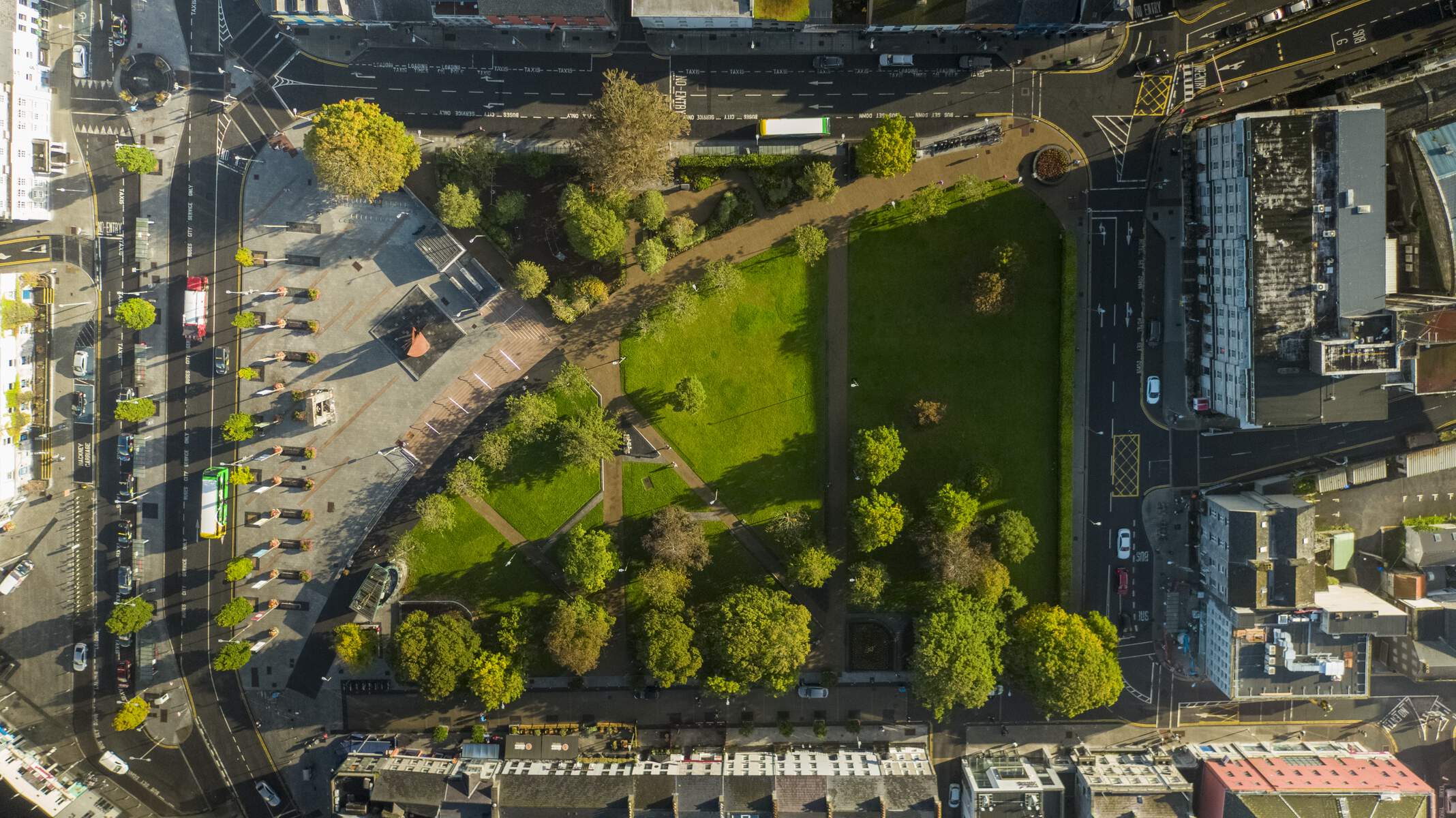
The Quincentenary Bridge, often called the Quincentennial Bridge by locals, is a striking concrete crossing over the River Corrib in Galway. It forms part of the N6 national route and marks the point where the city’s former northern bypass meets the expanding urban fabric. The bridge is a functional piece of modern infrastructure that also offers a clear view of the river’s flow and the surrounding cityscape.
History
Construction of the bridge began in 1984 under the auspices of Transport Infrastructure Ireland. During the build phase it was referred to as the New Corrib Bridge, a placeholder name that reflected its role in creating a new crossing over the Corrib. The structure was officially opened to traffic in 1987 and received its permanent name – Quincentenary Bridge – which is displayed on a commemorative plate on the northern parapet.
The bridge and its approach roads were originally intended to act as a northern bypass, diverting through‑traffic away from Galway’s historic centre. By the late 2010s, however, the city had expanded beyond the original bypass line, and the bridge now functions as an urban distributor, channeling traffic into the growing residential and commercial districts to the north. As of 2020, plans are under discussion to construct a new bypass further north, which would re‑position the Quincentenary Bridge within a broader network of river crossings.
Engineering & Design
According to the international structure database Structurae, Quincentenary Bridge is a girder bridge with a prestressed‑concrete deck supported on reinforced‑concrete piers and abutments. It carries two traffic lanes (2 × 2 m) and includes footpaths for pedestrians and cyclists on either side of the carriageway. The bridge’s concrete arches give it a clean, utilitarian aesthetic that contrasts with the older stone bridges downstream.
The bridge remains in active service and is maintained by Transport Infrastructure Ireland. Routine inspections are carried out in line with national road‑bridge standards, and any temporary closures are announced via the agency’s official channels.
Water Supply Infrastructure
The bridge sits close to a key element of Galway’s drinking‑water network. In 2023‑2024, Coffey Group, working for Uisce Éireann, constructed a new raw‑water intake on the east bank of the Corrib about 100 m downstream of the Quincentenary Bridge. The intake feeds the Terryland Water Treatment Plant and can supply up to 55 million litres per day, with provision for future expansion to 90 million litres. The works included a control building, fish‑screen systems and a 1.2 m diameter transfer main that was installed using trenchless micro‑tunnelling beneath the N6, passing directly under the bridge. The project highlights the bridge’s strategic location within the city’s wider utility infrastructure.
What to See & Do
While the bridge itself is primarily a vehicular conduit, its location offers several points of interest for visitors:
- River Corrib Views – From the bridge you can glimpse the swift currents of the Corrib as it winds through Galway, a perspective that is especially rewarding at sunrise or sunset.
- Photographic Opportunities – The concrete arches and the name‑plate provide a modern contrast to the historic stone bridges downstream, making for compelling photographs.
- Connecting Walks – Pedestrians can access the bridge via the N6’s footpaths and continue on to nearby riverside promenades, such as the walk along the western bank that leads toward the city centre.
- Urban Exploration – Because the bridge now sits within a developed urban area, a short stroll on either side reveals a mix of contemporary housing, local shops, and cafés that showcase Galway’s vibrant north side.
Nearby Attractions
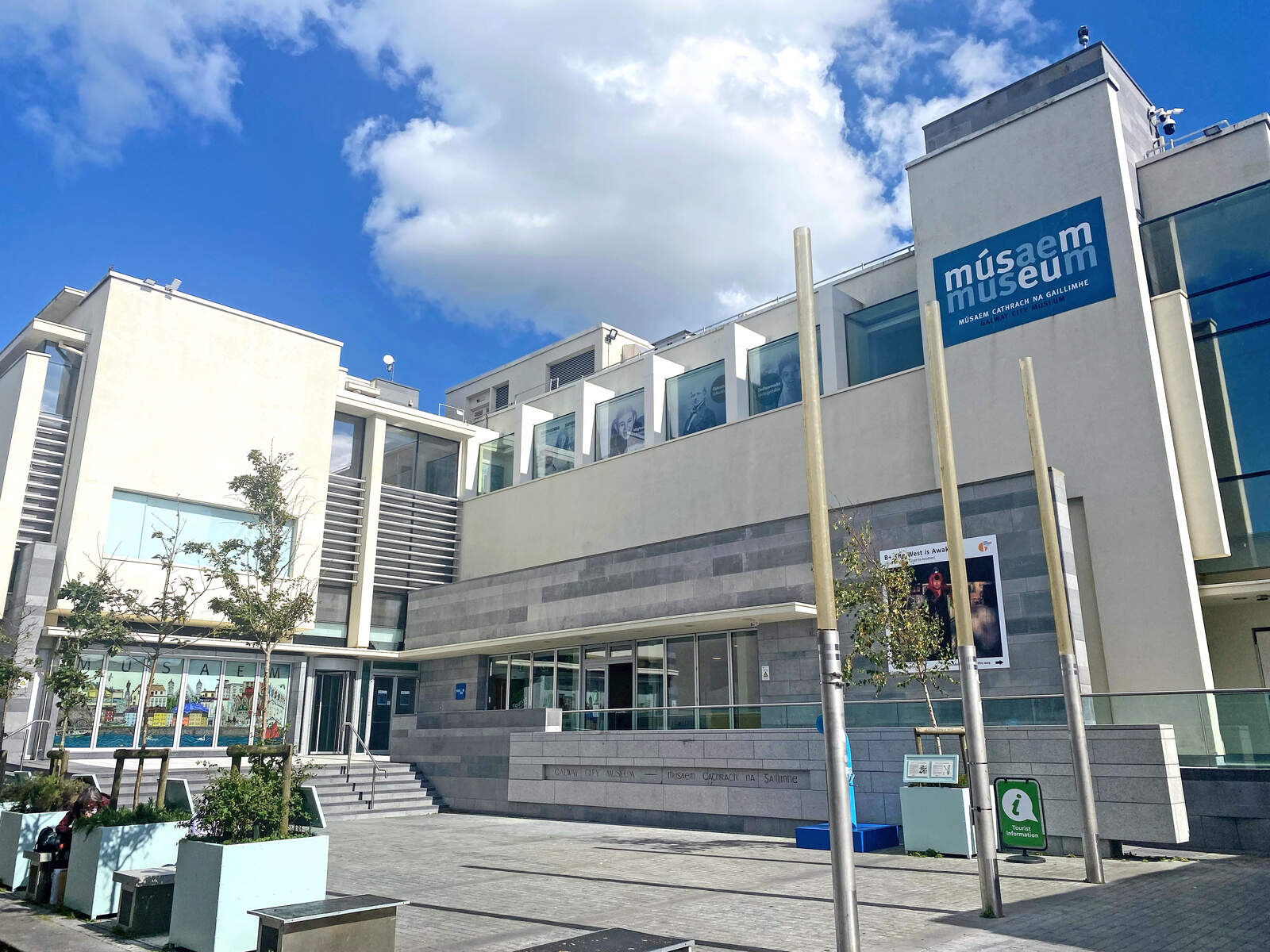
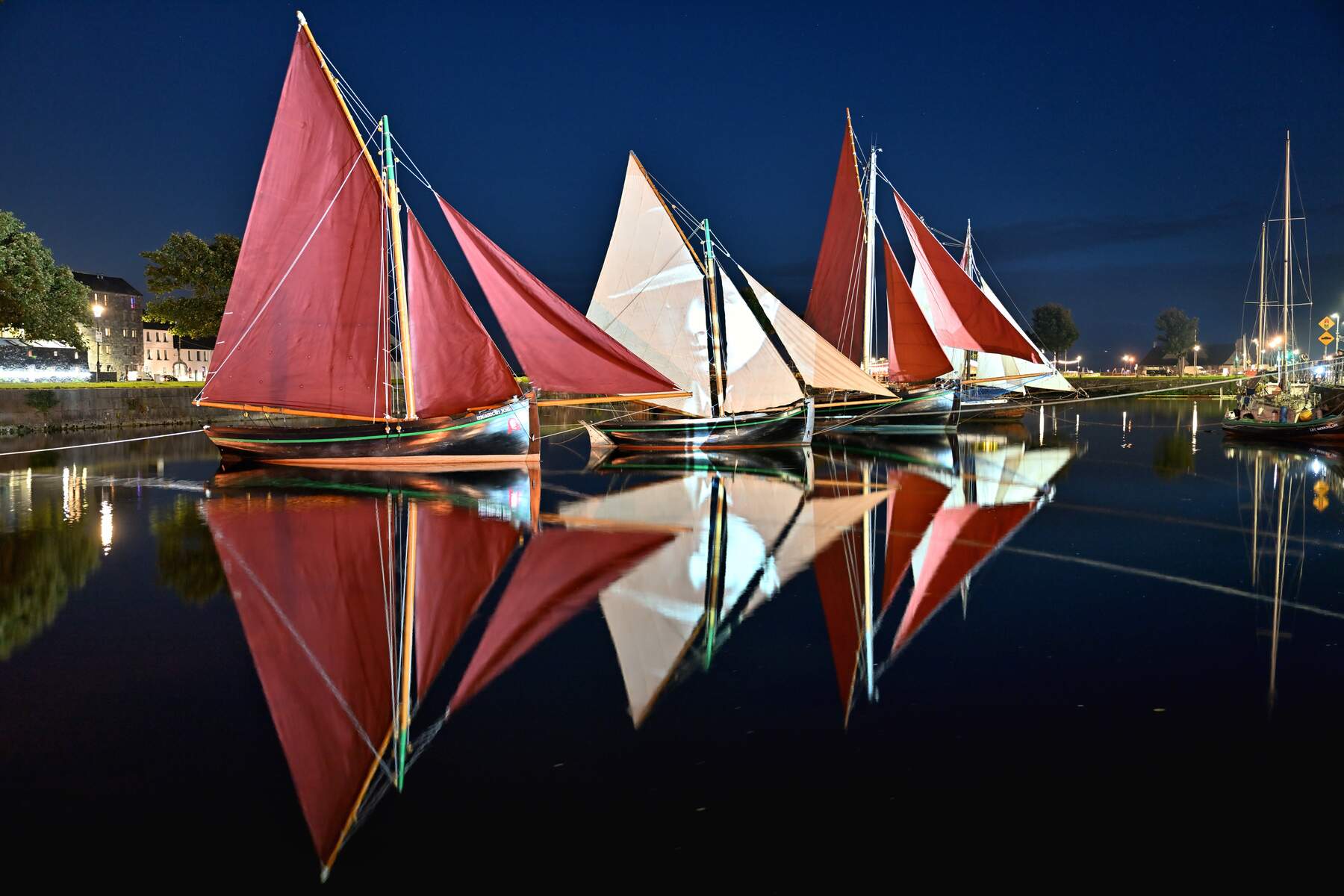
The bridge sits only a short distance from several of Galway’s key sights. A quick walk north brings you to the Galway City Museum, while heading south along the riverbank leads to the historic Spanish Arch, Eyre Square, and the bustling streets of the city centre. The river itself is popular with rowing clubs and traditional Galway hooker boats, offering an extra layer of activity for those interested in water‑based recreation.
Practical Information
The Quincentenary Bridge is a free‑entry, open‑air structure that is accessible 24 hours a day. As a component of the national road network, it is open to all motor vehicles, buses and cyclists using the N6. There is no admission fee and no formal opening hours – the bridge remains in use year‑round.
| Feature | Details |
|---|---|
| Opening date | 1987 |
| Bridge type | Concrete girder bridge |
| Road(s) | N6 (national route) |
| Coordinates | 53.282647 N, ‑9.060717 E |
| Access | Vehicle, bicycle, pedestrian (via footpaths) |
| Speed limit | 50 km/h (enforced by occasional Garda checks; no permanent speed‑camera installations) |
| Fee | Free |
| Public transport | No regular bus routes stop directly at the bridge; the nearest city‑centre stops are on the N6 (e.g., Bus Éireann route 401) |
| Parking | Limited on‑street parking in the surrounding residential streets; observe local signage |
The bridge is managed by Transport Infrastructure Ireland, and any road works or temporary closures are announced on their official channels. For drivers, the approach roads are well‑signed, and the bridge integrates seamlessly with the surrounding street network. Cyclists will find dedicated lanes on the N6 that lead onto the bridge, though the width of the carriageway is typical of a modern road bridge rather than a dedicated cycle path.
Getting there – The bridge is located just north of the city centre. From the main railway station (Galway Ceannt), follow signs for the N6 heading north; the bridge is encountered within a few kilometres. Parking is available in the surrounding residential streets, though visitors should observe local signage. Bus services operated by Bus Éireann and local operators stop near the bridge, making it easy to reach without a car, though exact routes should be confirmed locally.
Recent News & Safety
- Traffic‑light outage (2026) – In March 2026 the traffic lights at the Newcastle Road junction on the north‑side of the bridge failed, causing temporary delays. Motorists were advised to proceed with caution until the lights were restored.
- Serious collision (October 2024) – A lorry‑cyclist collision at the N6‑Quincentenary Bridge junction resulted in the cyclist being taken to University Hospital Galway with serious injuries. The incident prompted a temporary road closure and highlighted the importance of using the bridge’s dedicated footpaths where possible.
- Speed‑limit enforcement – While the bridge carries a statutory 50 km/h limit, local discussion forums confirm there are no fixed speed‑camera units on the bridge; enforcement is carried out by Garda patrols and occasional mobile speed‑checking equipment.
Visitors should remain aware of occasional traffic disruptions and follow any signage or live traffic updates from Transport Infrastructure Ireland.
The Quincentenary Bridge may not be a tourist attraction in the traditional sense, but its role in Galway’s urban landscape makes it a worthwhile stop for anyone interested in contemporary Irish engineering, city planning, or simply a different perspective on the River Corrib.