
Overview

The Quoile Estuary, situated just outside Downpatrick in County Down, is a tranquil nature reserve that blends wildlife, history and easy‑going recreation. Born from a tidal barrage built in 1957, the former marine estuary now forms a brackish pondage surrounded by grassland, scrub and mature trees. The reserve is open to the public 24 hours a day, 365 days a year and admission is free, making it an ideal spot for spontaneous bird‑watching, family picnics or a quiet walk along the water’s edge.
History & Background
Legends tie the Quoile Estuary to Saint Patrick, who is said to have landed in the area during his missionary journeys. Two historic quays and the timbers of an old sailing ship still hint at the estuary’s past as a bustling port serving the medieval town of Downpatrick. The 1957 tidal barrage transformed the tidal flats into a managed pondage, allowing floodwaters to collect until the tide turned. Over the decades, natural colonisation created a mosaic of habitats that now support a rich array of birdlife and plant species.
A modest 16th‑century tower, Quoile Castle, sits nearby on Strangford Road. Built at the end of the 1500s for Captain West, the stone tower marks the historic heart of the estate and adds a further layer to the landscape’s story.
What to See & Do
Bird‑watching
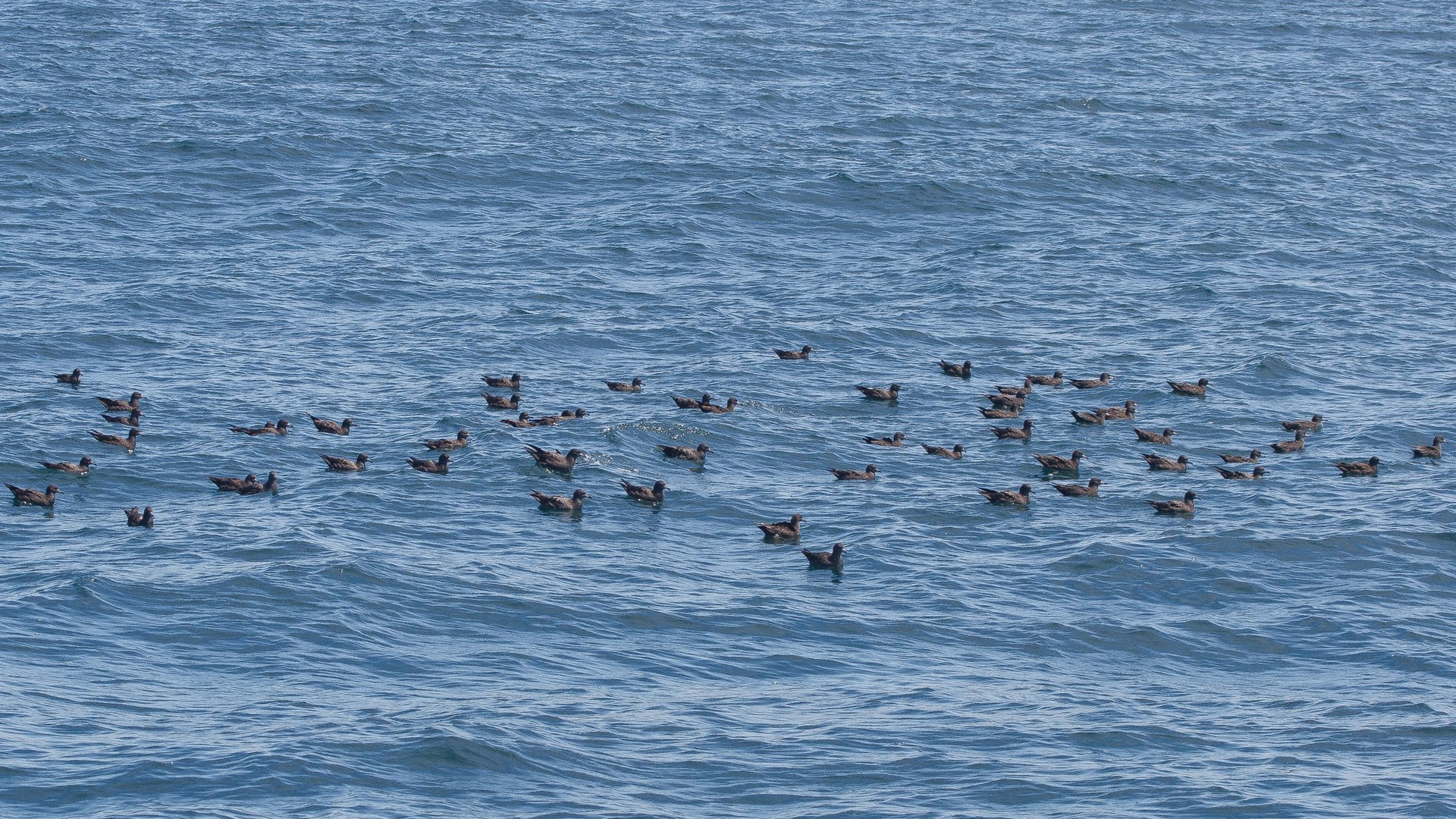
The reserve is a magnet for bird‑watchers year‑round. From the riverside path you can spot swans, mallards, tufted ducks and the elusive Gadwall during the summer months. Spring and autumn bring migrating waders such as black‑tailed godwit, while winter sees flocks of whooper swans, greylag geese and at least seventeen duck species, including wigeon, goldeneye, shoveler, teal, pochard, scaup and shelduck. Rare visitors such as smew and garganey have also been recorded. The purpose‑built bird hide overlooking the freshwater lake offers an unobstructed view for close‑up observation without disturbing the birds.
Walking & Accessibility
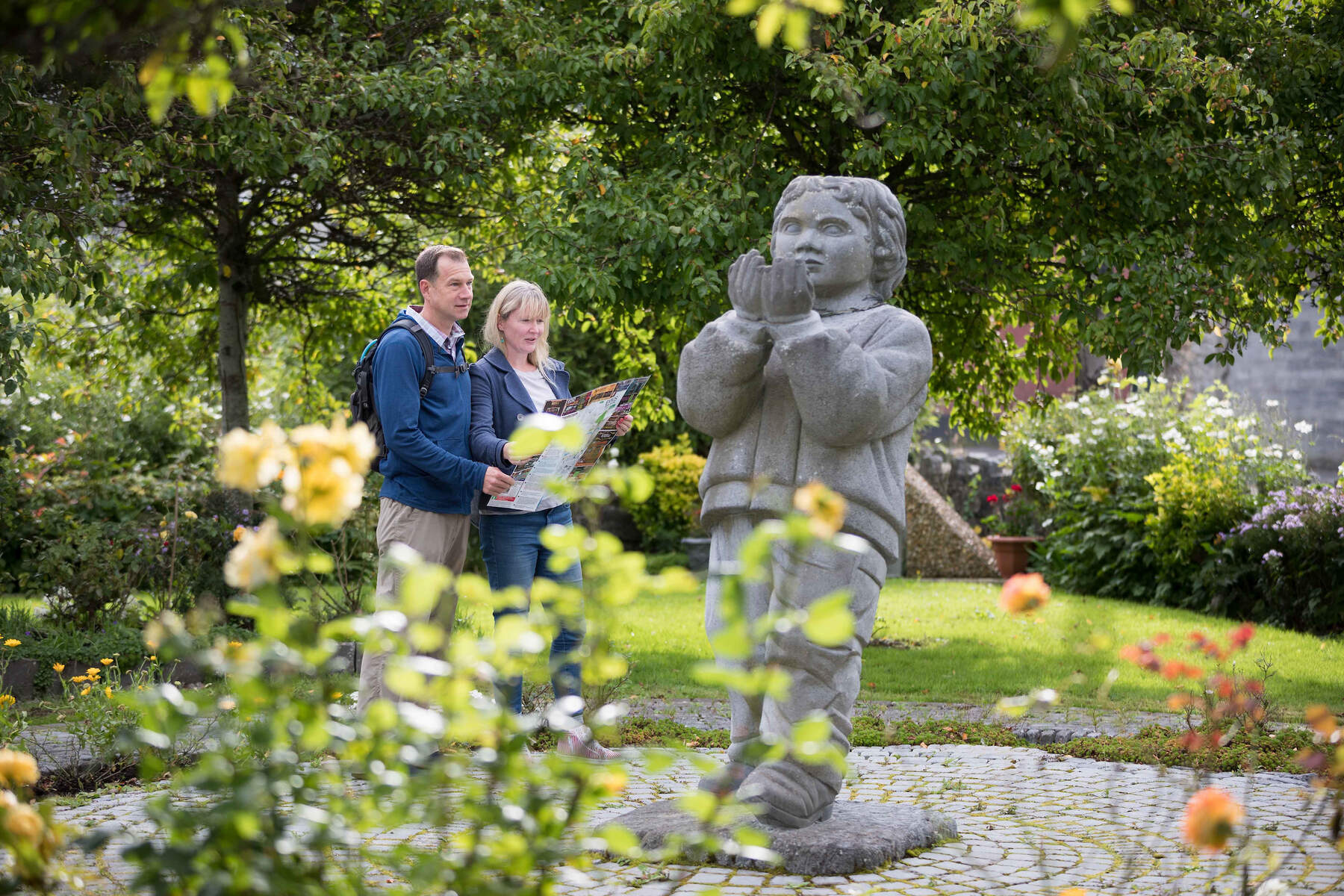
A gently‑graded ramble runs alongside the river, specifically designed for visitors with limited mobility. The path is wheelchair‑friendly and links to a wooded riverside trail that meanders through wild roses, willowherb, purple loosestrife and yellowcress in summer. Interpretative panels along the route explain the estuary’s ecological development and its historic connections to Saint Patrick.
Visitor Centre & Picnic
The attractive stone cottage visitor centre, open seasonally in July and August (10 am‑4 pm weekdays), houses a nature garden and displays on local wildlife and heritage. While the centre itself is closed outside those months, the surrounding picnic areas remain open year‑round, providing a pleasant spot to enjoy a packed lunch amid the scenery.
Fishing & Angling
Coarse fishing is permitted on the Quoile Pondage, with rudd and eels among the most common catches. Anglers should obtain a day permit from the Countryside Centre (available during the centre’s opening hours) and adhere to the catch‑and‑release policy for protected species. The water’s brackish nature supports a healthy fish population, which in turn attracts herons, cormorants and grebes.
Points of Interest along the Riverbank
The stretch between the Old Floodgates and Steamboat Quay has been developed as an attractive amenity area with scenic riverside walks, information points and additional seating. These landmarks echo the estuary’s maritime past and provide convenient spots for photography or a brief rest.
Ecology & Habitats
The DAERA description highlights a succession of habitats that have developed since the 1957 tidal barrier:
- Reed‑beds and rushy grassland along the former tidal flats, providing nesting sites for waders.
- Alder and willow scrub in the older muddy bays, supporting insects that feed fish.
- Developing oak‑and‑ash woodland on higher, stony shores, offering shelter for songbirds such as willow warbler and long‑tailed tit.
- Freshwater lake created by the pondage, now a focal point for waterfowl.
These varied zones also host a rich insect fauna, which underpins the food chain for fish, birds and occasional otters.
Conservation & Community Initiatives
The reserve is part of a wider effort to improve water quality in the River Quoile. The “Clean up the Quoile” campaign, launched in 2022 and coordinated by local stakeholders including Finnebrogue Artisan, the Anglers Association and several government agencies, targets high levels of E.coli, phosphates and other pollutants identified in 2020 water tests. Activities include:
- Litter‑pick events and dog‑waste awareness drives.
- Collaboration with farmers to manage slurry and fertiliser runoff.
- Monitoring invasive species and supporting native vegetation planting.
Volunteer clean‑up days are advertised on the reserve’s notice board, and the campaign encourages visitors to adopt a “take‑home‑your‑litter” approach.
Practical Tips
- Dog‑friendly – Dogs are welcome on the paths but must be kept on a leash. Waste bins are provided near the parking areas.
- Parking – Free car parking is available at four sites: Quoile Road, the Countryside Centre on Quay Road, and two additional bays further along Quay Road. All are open year‑round and do not require a permit.
- Public transport – The nearest bus stop is in Downpatrick town centre, a short walk from the reserve entrance. The closest train station is Downpatrick (Northern Ireland Railways), with regular services to Belfast.
- Facilities – Accessible toilets are open Mon‑Fri 10:00‑16:00. Wheelchair‑accessible parking spaces are located adjacent to the visitor centre.
- Angling permits – Day permits are sold at the Countryside Centre during its July‑August opening hours.
- Contact – For enquiries, event bookings or permission to organise a group activity, email nieainfo@daera-ni.gov.uk or call +44 (0) 28 4461 5520.
Nearby Attractions
A short drive brings you to Inch Abbey, the replica of St Patrick’s first church, and the historic Saul Church, both steeped in early Christian history. Down Arts Centre and St Patrick’s Golf Club are also within a mile, offering cultural and recreational options for a fuller day out.
Practical Information
The reserve is accessed via the A25 Downpatrick‑to‑Strangford road.
| Facility | Opening Times |
|---|---|
| Nature Reserve (pedestrians) | Open 24 hrs, 365 days |
| Visitor/Countryside Centre | Open July‑August weekdays 10 am‑4 pm |
| Toilets | Mon‑Fri 10:00‑16:00 |
| Parking | Free, open daily |
The site is fully wheelchair‑accessible, with dedicated accessible parking spaces and accessible toilet facilities. The limited‑mobility ramble ensures that visitors with reduced mobility can enjoy most of the trail without difficulty.