
Overview
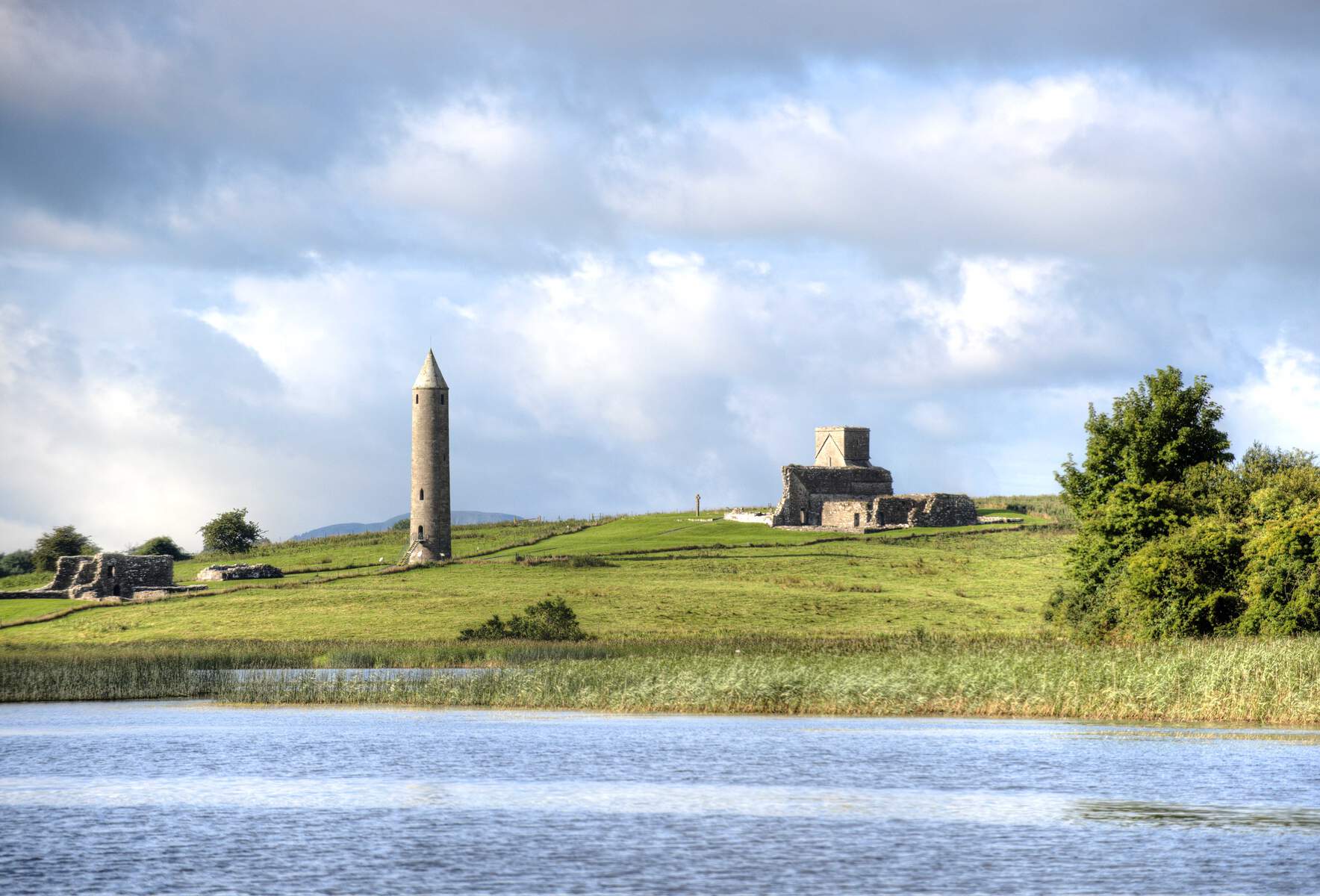
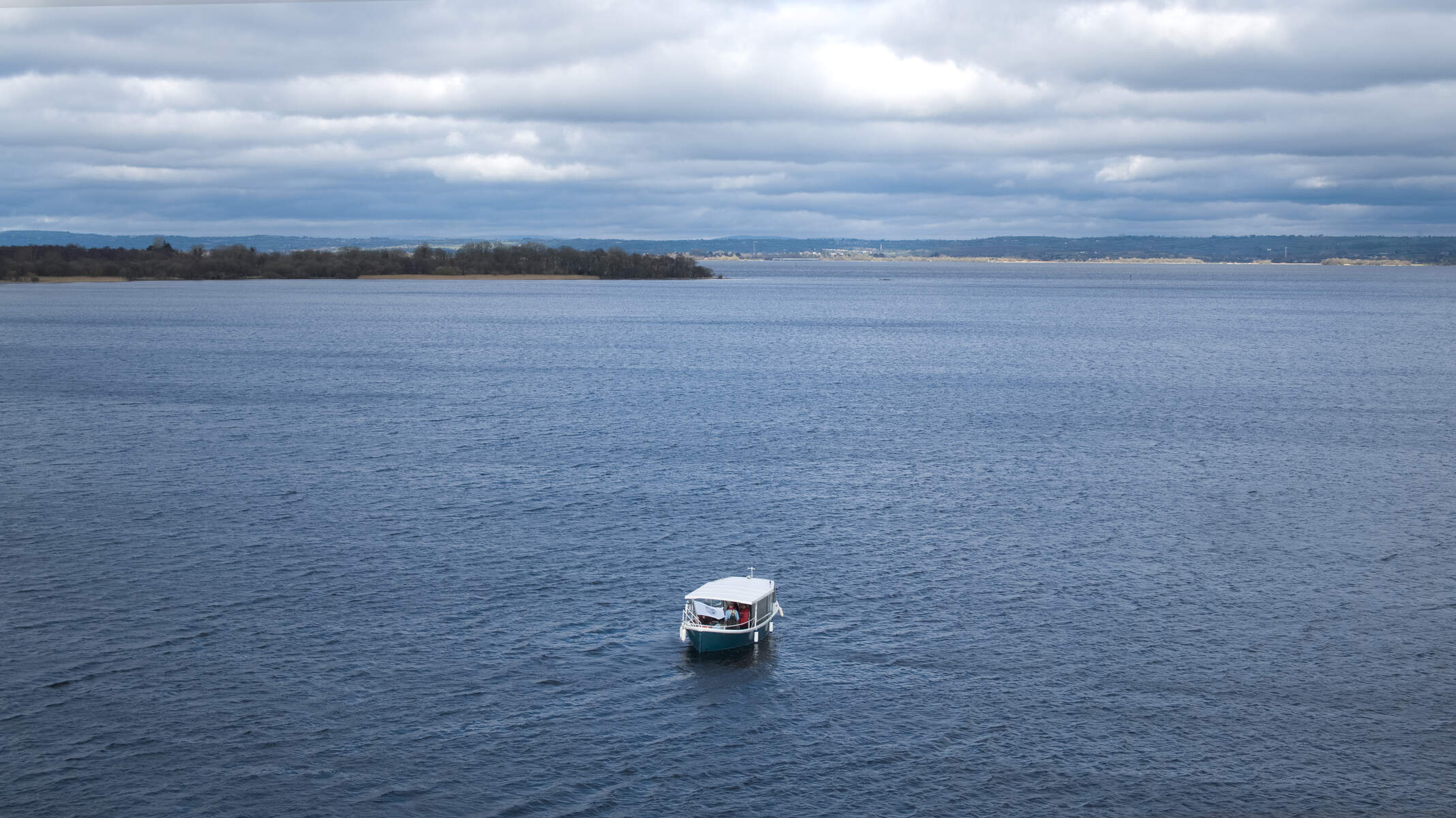
Ram’s Island sits about one mile offshore from Lennymore Bay and Sandy Bay on the eastern shore of Lough Neagh, the biggest freshwater lake in the UK and Ireland. Measuring roughly a mile long and a quarter‑mile wide, it is the largest island on the lake and a designated Area of Special Scientific Interest, Special Protection Area and Ramsar site. The island’s landscape is a patchwork of mature deciduous woodlands – oak, ash, alder, willow and even walnut – interspersed with open grassland that bursts into carpets of bluebells, primroses and, in spring, a sea of daffodils. Its remote, ‘lost‑in‑time’ atmosphere makes it a compelling destination for anyone seeking a quiet escape in the heart of Northern Ireland’s lake country.
History
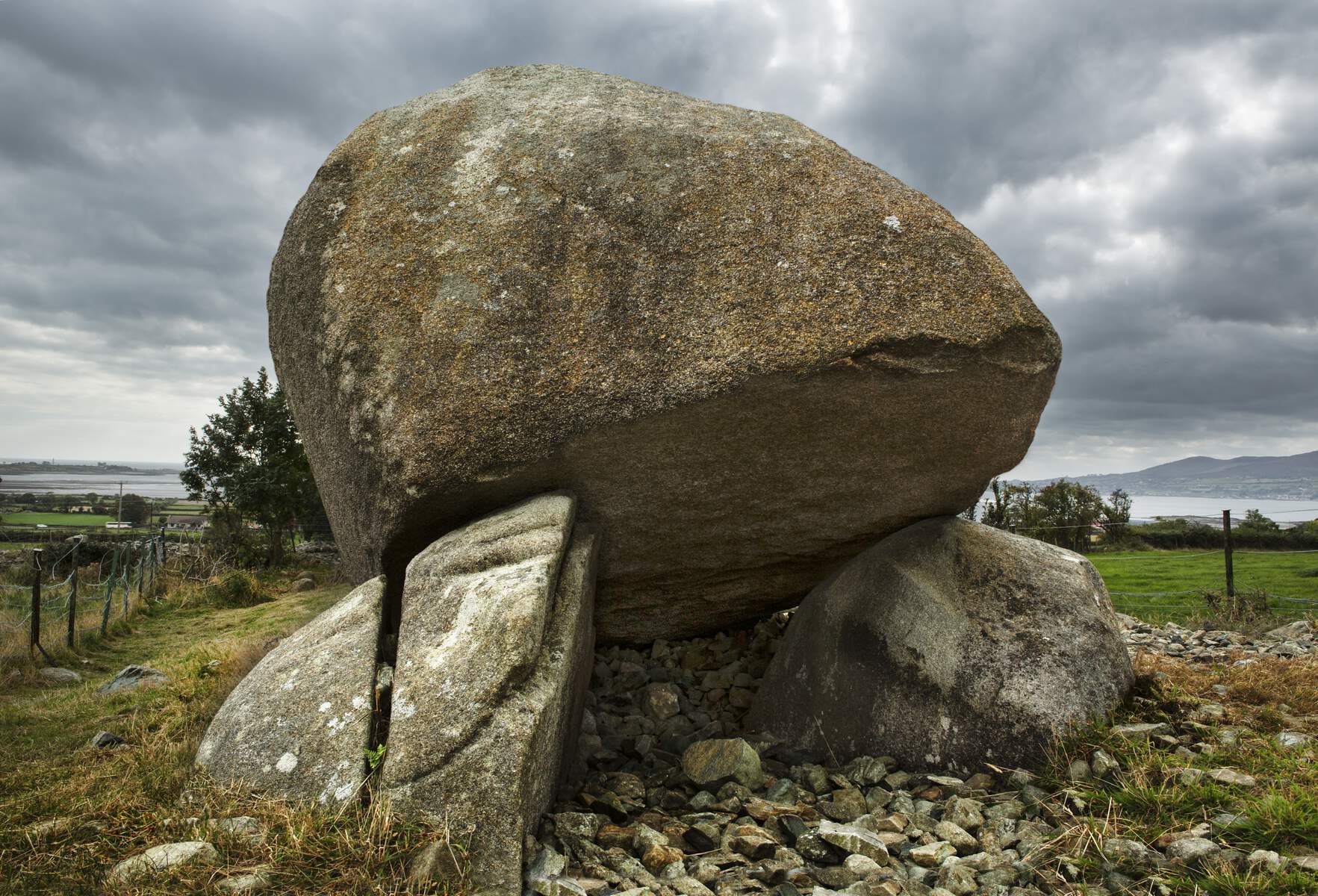
The island’s story stretches back over a millennium. At its southern tip stands a round tower, a scheduled ancient monument that marks the remains of a Celtic monastic settlement dating to around the 10th century. The tower is 43 ft high, 30 ft 5 in in circumference and its walls are 2 ft 8 ¼ in thick. A low‑water causeway has been reported to connect the island to the mainland near Gartree Point.
Historical ownership
In the early 19th century the island was owned by James Whittle, a Liverpool merchant who planted trees, shrubs and an orchard, creating the “handsome and picturesque object” described in contemporary accounts. Ownership later passed to the Earl O’Neill, who built the summer‑house that dominates the island’s skyline today. The O’Neills used the island as a private retreat; the summer house now lies in romantic ruin at the island’s centre.
The Cardwell family acted as caretakers for the O’Neills and were the last permanent residents, living on the island until the 1930s. Their modest harbour, now dry‑landed due to the lowering of Lough Neagh, can still be seen near the remains of their cottage.
During the Second World War the island served as a sheltered base for flying‑boat operations (RAF Sandy Bay). American servicemen left their names etched into the island’s trees, a reminder of the island’s wartime role.
19th‑century sale and local legends
Records from the early 1800s show that the island changed hands from local fisherman David McAreavy to Lord O’Neill for 100 guineas in 1804. The O’Neill family employed the Cardwells, whose matriarch Jane – known locally as “The Queen of the Island” – tended the gardens and livestock until her death at 99 years old in 1933. A funeral cortege of eight Lough Neagh fishing boats carried her remains to Glenavy for burial.
A memorial stone on the island now commemorates Sadie Cardwell (d. 2011), the last full‑time resident.
Geology and Formation
Lough Neagh and its islands were formed during the last glacial period. Ram’s Island is thought to be a glacial esker – a ridge of sand and gravel deposited by melt‑water streams beneath the ice. This explains its long, narrow shape and the mixture of soils that support the diverse woodland.
Visitor Numbers
A 2006 redevelopment funded by the Lough Neagh Partnership introduced the Island Warrior ferry, opening the island to the public. In its first year the island welcomed around 2,500 visitors; by 2009 that figure had risen to over 7,500, reflecting growing interest in its heritage and natural beauty.
What to See & Do
- Round Tower and Monastic Ruins – Climb the gentle slope to the base of the round tower and imagine the early monks who once called this place home.
- O’Neill Summer House Ruins – Wander among the stone walls of the 19th‑century summer house, a poignant reminder of the island’s aristocratic past.
- Walking Trails – Overgrown paths trace the island’s central spine and wind along the shoreline, offering varied viewpoints over Lough Neagh. The trails are unpaved and pass through pockets of oak, ash and birch, with occasional clearings perfect for a quiet picnic.
- Flora and Fauna – Botanists will delight in the diversity of wildflowers – snowdrops, bluebells, marsh marigolds and wild garlic – while birdwatchers can spot swallows, kingfishers and, in winter, occasional wading birds.
- Restored Barge – A small barge has been refurbished to provide toilet facilities and a sheltered spot for a quick break.
- Picnic Areas and Scenic Viewpoints – Designated spots near the ruins and along the western edge give sweeping views across the lake, ideal for a packed lunch.
- Camping & Glamping – From June to September, the island offers basic camping and glamping sites on most weekends. Details are available on the island’s Camping page.
- Boat Trips – The Island Warrior Vessel, a licensed 12‑seater passenger boat operated by the Ram’s Island Heritage Project, departs from Sandy Bay Marina. Trips run every Wednesday (June‑Sept) and Saturday (April‑Sept); private tours are available year‑round, weather‑dependent.
- Wishing Stone & Memorial Stone – Near the centre of the island visitors can find the “Wishing Stone”, a popular photo spot, and a memorial stone dedicated to Sadie Cardwell.
Wildlife and Conservation
The island is an important breeding ground for ground‑nesting birds such as skylarks and lapwings, which is why dogs are not permitted (see Dog Policy below). Regular sightings include swans, terns, cormorants, herons and occasional otters gliding through the shallows. Volunteers monitor bird populations and maintain the island’s habitats as part of the Lough Neagh Partnership’s conservation programme.
Volunteer Opportunities
The island’s upkeep relies on a dedicated team of volunteers. Michael Savage, who passed away in 2022, spent decades maintaining the paths, barge and historic structures. The Ram’s Island Heritage Project welcomes donations and occasional volunteer help, especially during the busy summer months.
Seasonal Highlights
- Spring (March‑May) – The island’s woodlands explode with bluebells, primroses and early daffodils, making it a favourite spot for botanists and photographers.
- Summer (June‑September) – Regular boat trips operate on Wednesdays (June‑Sept) and Saturdays (April‑Sept). This is also the main period for camping, glamping and family picnics.
- Autumn (October‑November) – Colours shift to gold and amber; quieter trails are ideal for reflective walks and bird‑watching as migratory species pass over the lake.
- Winter (December‑February) – While boat services are limited, the island can be visited on private tours. Winter brings the chance to see wading birds and enjoy the stark, windswept landscape.
Practical Information
Getting There
- Departure point: Sandy Bay Marina on the eastern shore of Lough Neagh.
- Boat operator: Ram’s Island Heritage Project (Island Warrior Vessel).
- Booking: Essential for all trips. Book via the island’s contact page or email info@ramsisland.org.
- Private tours: Can be arranged throughout the year; contact the heritage project for availability.
Schedule
| Day | Season | Typical departure times |
|---|---|---|
| Wednesday | June – September | 10:00 am (return ~1:00 pm) |
| Saturday | April – September | 10:00 am (return ~1:00 pm) and 1:30 pm (return ~3:30 pm) |
| Private tours | Year‑round (weather‑dependent) | By arrangement |
Facilities
- Restroom facilities are housed in the restored barge.
- Picnic tables are scattered near the ruins and along the main trail.
- Camping and glamping sites are available most weekends between June and September; bring your own equipment and check the camping page for any site‑specific rules.
- A small beach at the north‑east tip offers a chance for a quick dip when conditions permit.
Contact Details
- Website: https://www.ramsisland.org
- Phone: 028 9056 9615 (Island Heritage Project office)
- Email: info@ramsisland.org
Accessibility
The island’s terrain is natural and uneven; paths are unpaved and may be challenging for wheelchair users or those with limited mobility. No dedicated accessibility facilities are currently provided.
Dog Policy
Dogs are not allowed on Ram’s Island at any time. The restriction protects ground‑nesting birds and other sensitive wildlife that breed on the island.
Conservation Note
As part of a protected wetland complex, visitors are asked to stay on marked paths, avoid disturbing wildlife, and take any litter home. The volunteer team relies on donations to maintain the island’s historic structures and natural habitats.
Enjoy a day of quiet contemplation, historic exploration and lakeside serenity on Ram’s Island – a unique slice of Lough Neagh’s heritage.