
Overview
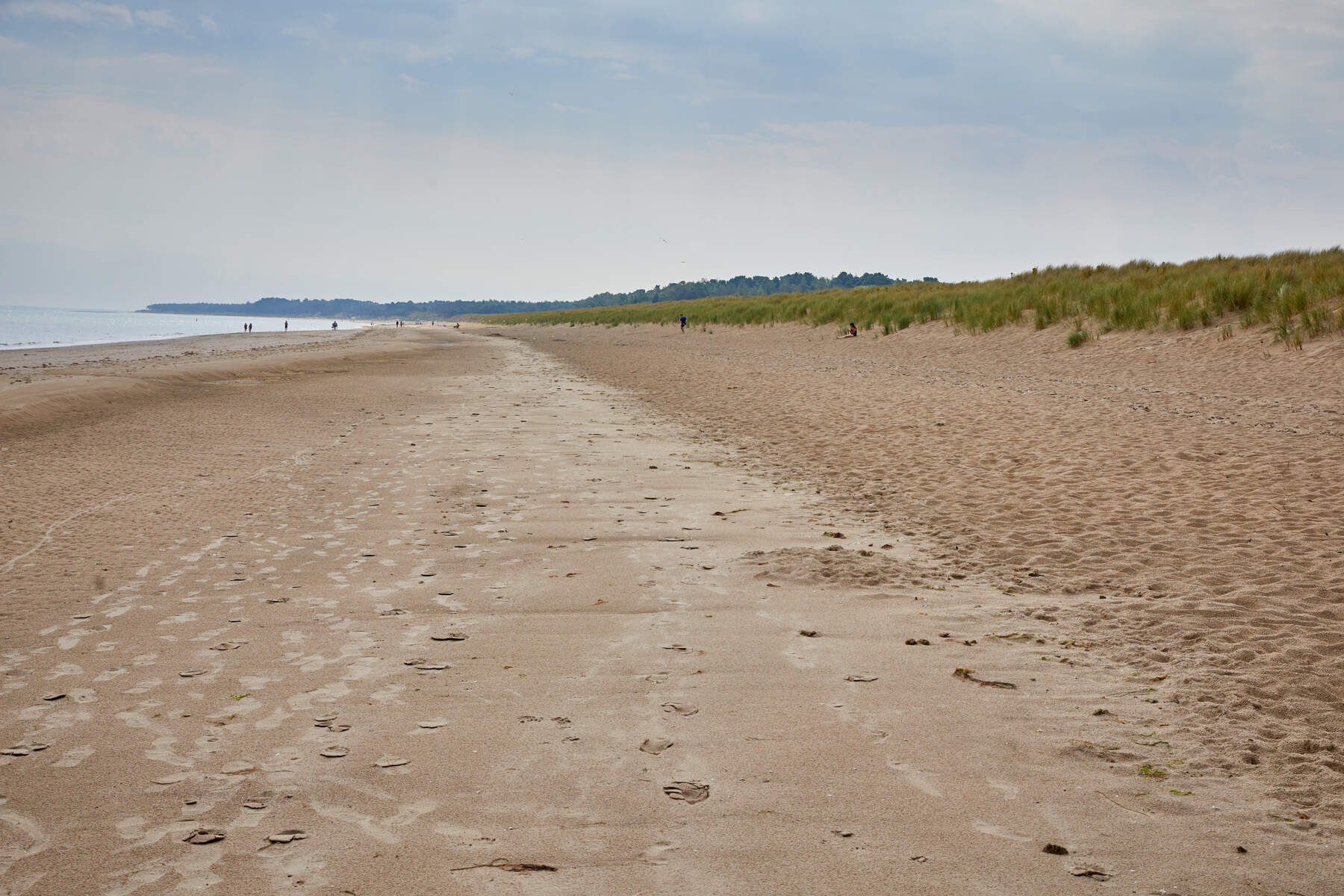
Raven Point sits on the eastern edge of the North Slob, just north‑east of Wexford town. The site comprises a 589 ha (≈600 acre) nature reserve of dunes, lagoons and conifer‑dominated woodland, a free‑parking car park, and the Raven Point Centre – a small museum and wildlife‑watching hub. From the car park begins the Raven Loop Walk, an easy, well‑marked 9 km circuit that finishes on the golden sands of Curracloe beach.
History & Background
The land began as a narrow sand spit protecting the entrance to Wexford Harbour; its Irish name Rabhainn describes the original spade‑shaped form. In the 1840s the adjacent North Slob was reclaimed as a famine‑relief project, turning the spit into a stable dune system. Private owners, notably the Toole family of Curracloe House, planted the first trees in the 19th century. The Irish State bought the area in 1930 and the National Parks & Wildlife Service oversaw a large‑scale planting of Corsican pine and other conifers to stabilise the dunes. Over the decades native willows, burnet rose and sycamore have become established.
Designated a national nature reserve in 1983, the site gained Ramsar, Special Area of Conservation (SAC) and Special Protection Area (SPA) status in the 1980s, reflecting its internationally important bird habitats. The Raven Point Centre, opened by the local authority in recent years, showcases the maritime heritage of the harbour – from 1798 rebellion routes to the historic fishing fleet – while providing viewing platforms over the Saltee Islands.
What to See & Do
Raven Loop Walk
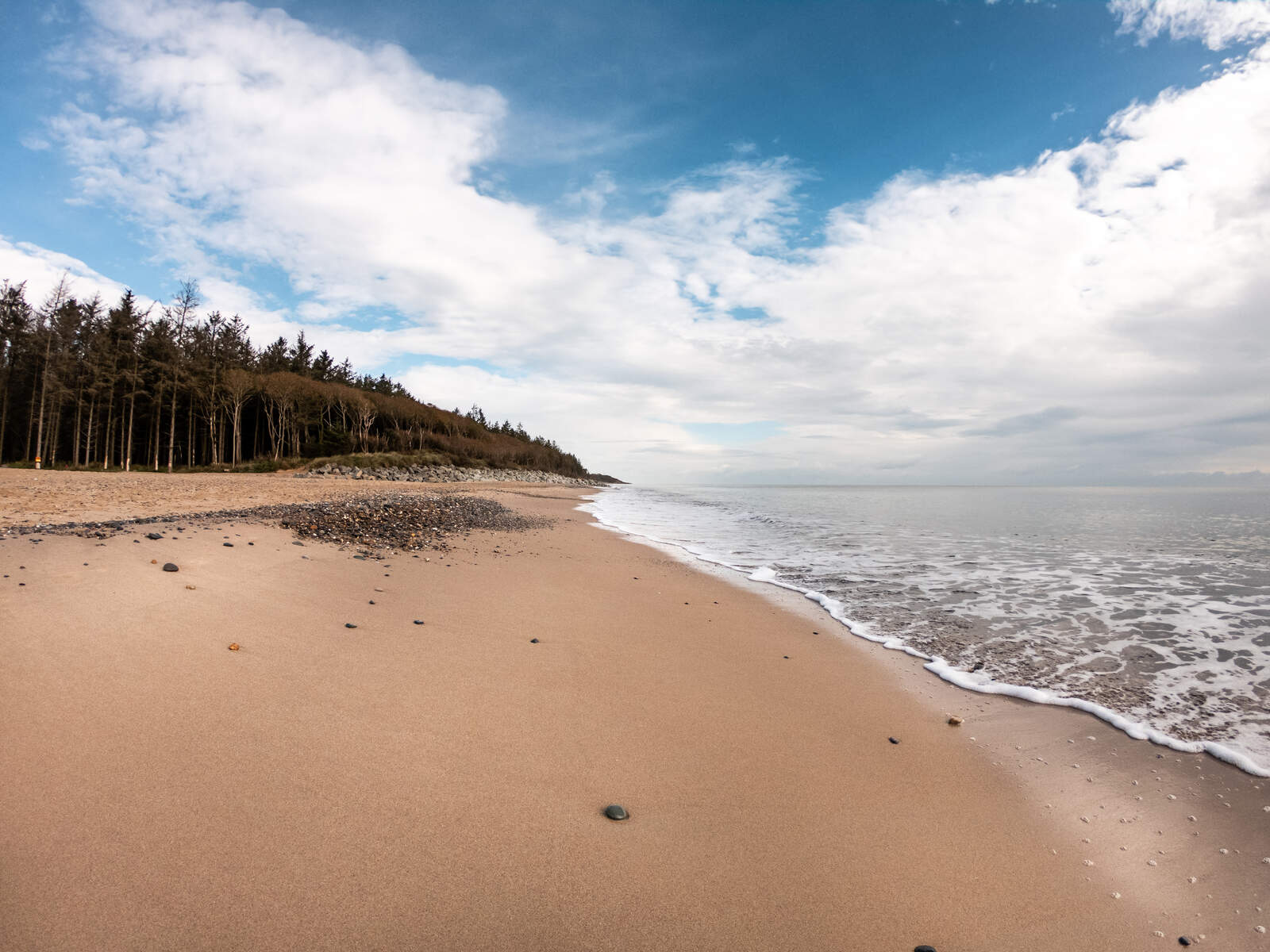
- Woodland section (≈4 km): Pine‑dominated trails weave past native willows, sycamore and burnet rose. Red squirrels are a regular sight, and the occasional pine marten helps keep grey squirrels at bay.
- Coastal edge: Exiting the woods, the path skirts the western fringe of the North Slob, offering sweeping views of mud‑flat estuaries and Wexford Harbour. In winter the area hosts up to 10 000 white‑fronted geese – about a third of the world’s population.
- Beach finish: The loop ends on Curracloe beach, perfect for a quick dip or a picnic.
Birdwatching
Raven Point is a winter haven for 35 % of the world’s Greenland and White‑fronted Geese. Other regulars include Red‑throated Diver, Bewick’s Swan, Golden Plover and the occasional Golden Eagle. The reserve’s SPA status protects these migratory flocks, especially between October and March.
Wildlife watching
Grey seals lounge on the sandbanks that fringe the centre year‑round, with pups appearing in late summer and early autumn. The surrounding waters also attract otters and a variety of marine birds.
Flora & Invertebrates
Beyond the conifers, native willow scrub and dune‑grass communities support the rare Ivy Mining Bee, first recorded here in 2021, as well as a host of other invertebrates.
Raven Point Centre
The centre’s glass‑enclosed viewing platforms provide panoramic vistas of the Saltee Islands. Inside, exhibits detail the region’s shipbuilding, fishing traditions and the strategic role of the harbour during the 1798 rebellion, making it a cultural complement to the natural attractions.
Getting there & Parking
- Road access: The reserve is reached via the R734 road from Wexford town. Follow signs for “Raven Point” – the turn‑off is well‑marked.
- Car parking: A free car park sits beside the reserve entrance, with space for several dozen vehicles. Parking is on a level surface and close to the trailhead.
- Public transport: Local Bus Éireann services run through Wexford town; the nearest stop is a short walk from the R734 turn‑off. Check the latest timetable for routes that serve the harbour area.
Practical Information
- Trail grading: Sport Ireland rates the loop as Easy – flat, well‑marked and suitable for families, older walkers and those with reduced mobility.
- Facilities: The centre offers restrooms, a small café and informational displays. Picnic tables are scattered along the walk.
- Best times to visit: Winter (October‑March) for geese and divers; late summer for seal pups; spring for wildflowers and migratory passerines.
- What to bring: Sturdy walking shoes, waterproof jacket, binoculars, and a reusable water bottle.
- Safety: Stay on marked paths, especially near the dunes, and keep a respectful distance from wildlife, particularly nesting birds and seals.
Note: The previously listed website (https://www.discoverireland.ie/wexford/raven-point-centre) is currently unreachable. Please verify the correct official site or contact the local authority for the latest visitor information.
Enjoy a day that blends gentle walking, world‑class birding, seal spotting and a touch of Irish maritime history – all within the unique landscape of Raven Point.