
Overview
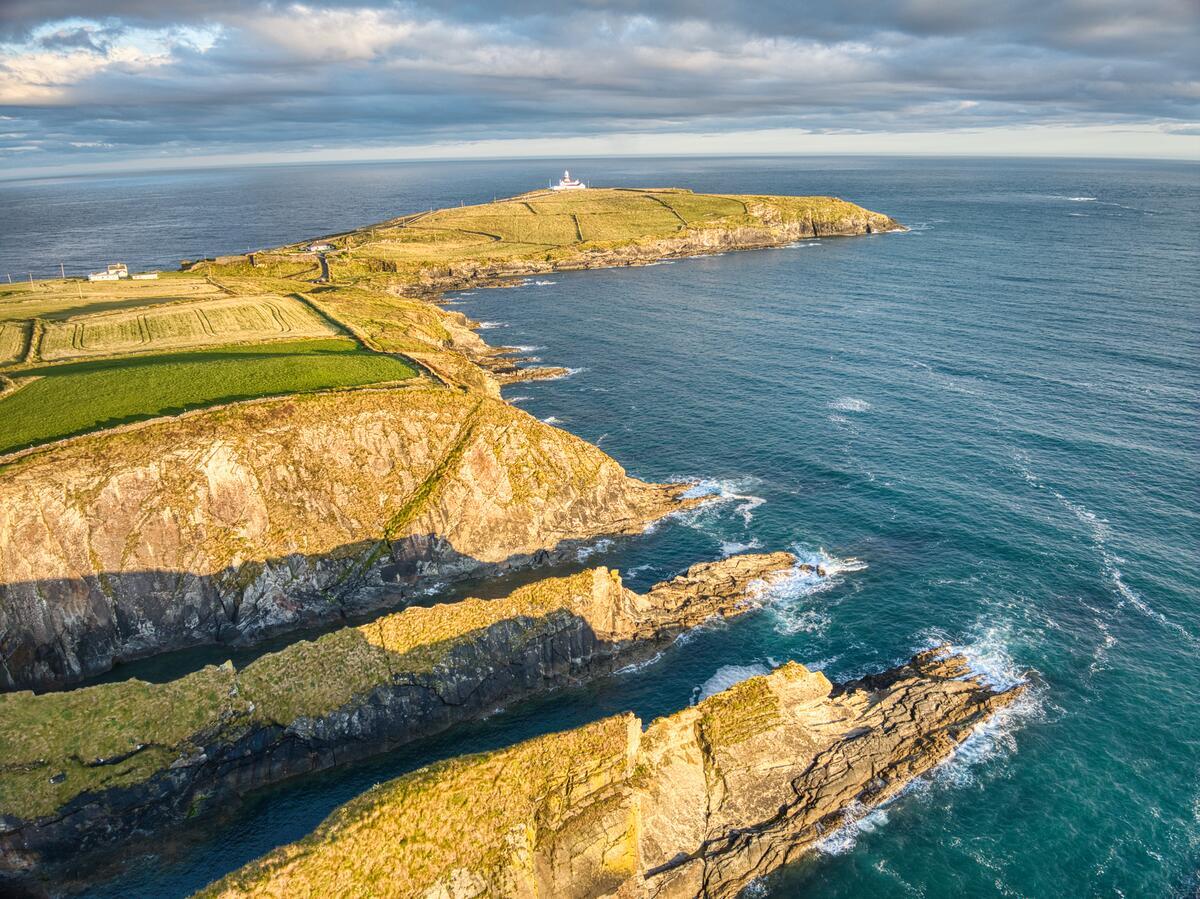
Ring Harbour – often simply called Ring – lies at the head of Clonakilty Bay on the southwest coast of Ireland, about twenty miles southwest of Kinsale. The inlet is tucked between the dramatic headlands of Galley Head and Seven Heads and is framed by the low‑lying island of Inchydoney. Its two drying piers and shallow bar make it a favourite quiet haven for small yachts, dinghies and anglers seeking the rich bottom‑fishing grounds of the bay.
The harbour is part of the larger Clonakilty Harbour system. At low water the mudflats expose a broad, sandy stretch that leads to a single, well‑maintained beach on Inchydoney Island – a Blue Flag beach that is a short walk from the harbour entrance. The surrounding countryside is a patchwork of gentle hills, dairy farms and historic stone walls, offering a quintessential West Cork landscape.
History & Background
The name Ring derives from the historic settlement that grew around the harbour. In medieval times the area was defended by a series of tower houses, one of which is believed to have been built by Lord Arundel near the present‑day pier. Over the centuries the silting of the inlet reduced the size of the commercial port, but the harbour retained its importance for local fishing and, more recently, for leisure craft.
Clonakilty itself – Cloich Na Coillte in Irish, meaning “stone of the woods” – grew from a 14th‑century settlement surrounded by woodland. The town’s historic streetscape, colourful shop fronts and lively pub culture provide a vibrant backdrop for visitors to Ring Harbour.
What to See & Do
Fishing
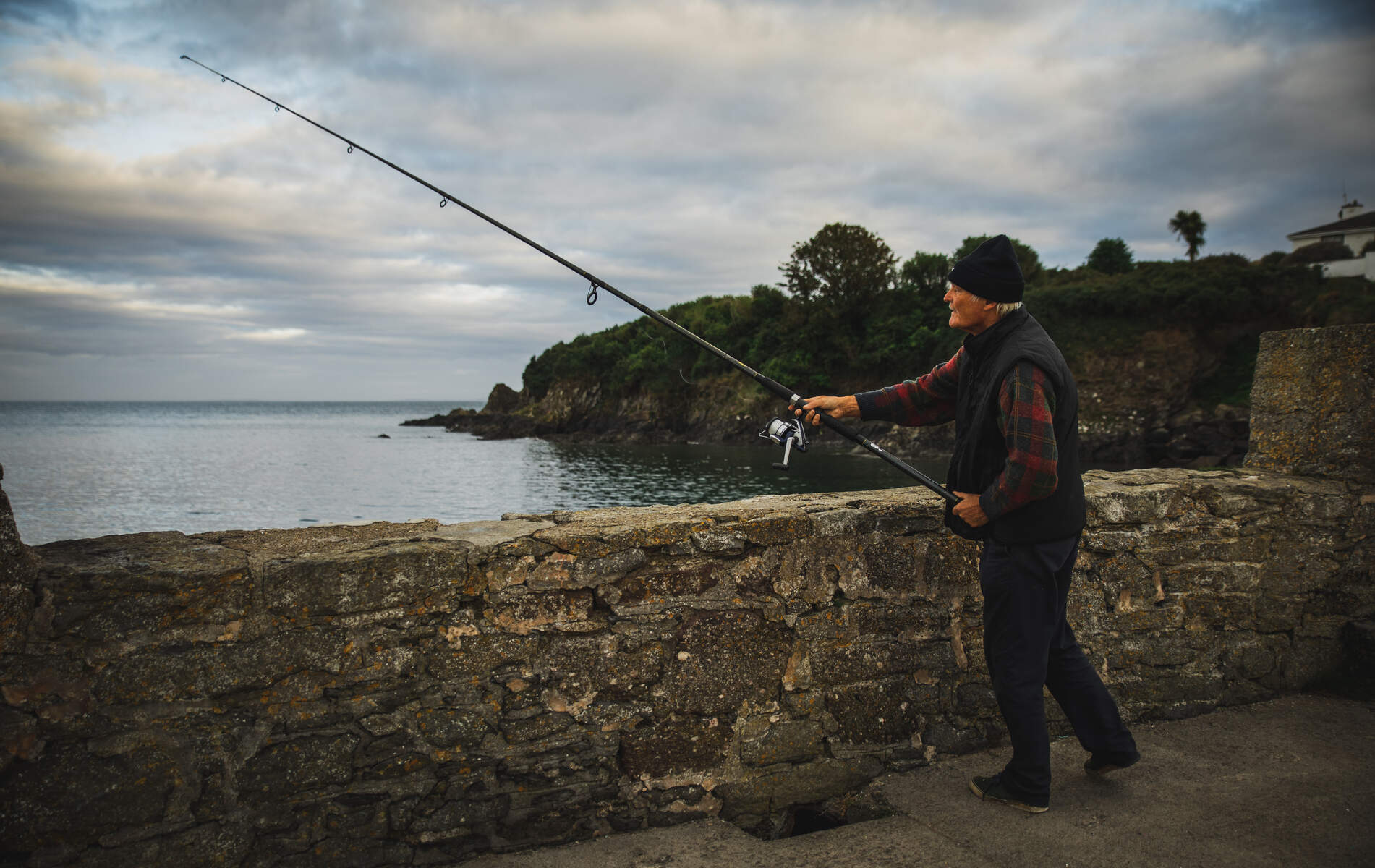
Ring is renowned among anglers for bottom fishing for bass and flounder. The mud‑holding seabed and the sheltered channel create ideal conditions for these species. Anglers typically launch from the two public houses that line the south pier, using either a small boat or a sturdy dinghy. The eOceanic guide notes that the channel offers water depths of 1.4‑2.1 metres, perfect for vessels with a draft of 1 metre or less.
Walks & Scenic Views
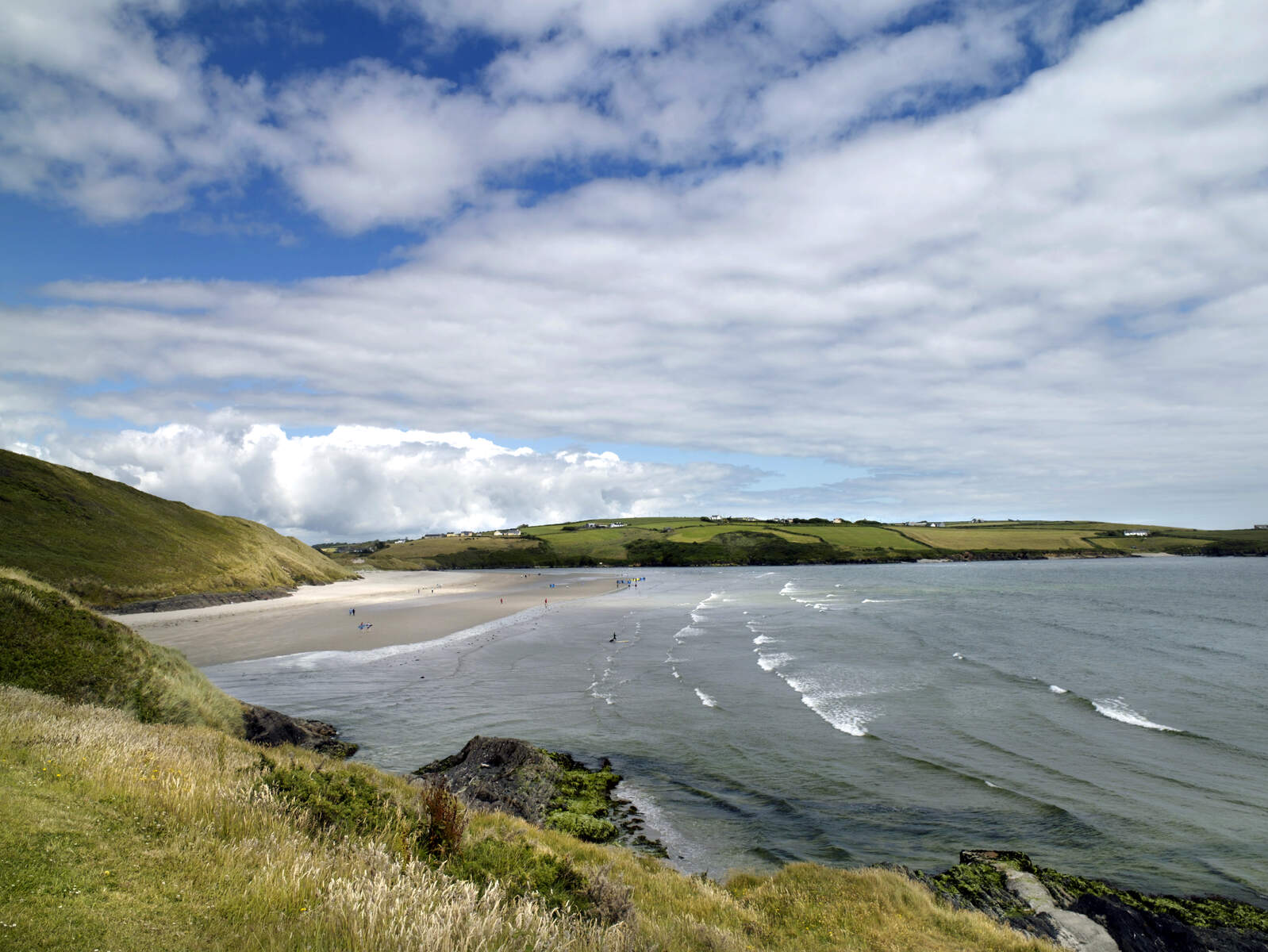
The harbour provides easy access to several marked walks:
- Inchydoney Beach Walk – a short stroll from the entrance to the Blue Flag beach, ideal for a post‑fish‑catch dip.
- Coastal Walk to Helvick Head – a 7 km route that starts near Mooney’s Pub on the R674, climbing to Helvick Head for sweeping vistas of Dungarvan Bay, the Knockmealdown and Comeragh Mountains.
- An Coinigéar (Cunnigar) Spit – an 11 km walk that follows the sand spit north of the harbour, offering excellent bird‑watching opportunities.
Food & Hospitality
Two public houses sit on the south pier. Both serve hot food, with one noted for “very good food” that rewards anglers after a day on the water. The pubs also provide basic toilet facilities and a friendly atmosphere where you can sample local craft beers and traditional Irish music during the summer months.
Nearby Attractions

- Clonakilty Town (≈ 4 km inland) – a bustling market town with cafés, a model‑train attraction, the Roman Catholic Church, and the annual Clonakilty Agricultural Show.
- Inchydoney Island Lodge & Spa – a luxury hotel perched on the island’s western tip, offering spa treatments, fine dining and a spectacular view of the harbour entrance.
- Historic Castles – remnants of tower houses dot the coastline, including the ruins near Ring Head that hint at the area’s Norman past.
- Ardfield – a nearby coastal village with a small harbour, sandy beach and a range of cafés, perfect for a quick stop on a day‑trip.
Practical Information
Ring Harbour is a free‑entry anchorage; there are no fees for berthing or anchoring. The harbour dries at low tide, leaving two piers that can be used by vessels that can take the ground. The minimum depth at the entrance bar is about 0.6 metres at low water, and the channel quickly deepens to 1.4‑2.1 metres. Vessels with a draft greater than 1 metre should time their entry with the tide and be prepared for the shallow bar.
Navigation – Approaching vessels should use the Wind Rock West Beacon (51° 35.677′ N, 008° 50.986′ W) as the initial fix. From there, steer a bearing of 30° T, pass the beacon starboard, and follow the marked channel along the eastern shore. The channel’s low‑water controlling depth is about 0.2 metres at the entrance, increasing to 1.7 metres further in, with occasional deeper pockets of 3.0‑3.7 metres.
Recent Issues & Dredging
Local news reports (Southern Star, 2024) note a build‑up of sand and silt at the harbour entrance, reducing the window of safe access to high tide only. West Cork councillor Noel O’Donovan has called on Cork County Council to carry out urgent dredging and to install additional navigational aids, as fishermen have recently been forced to use makeshift flash lamps in foggy conditions. Mariners should check the latest tide tables and be prepared for the possibility of grounding on the sand bar during low‑tide periods.
Facilities
The harbour itself offers:
| Facility | Availability |
|---|---|
| Public houses (2) | Food, drink, basic toilets |
| Slipway | Yes |
| Gas (top‑up) | Via local jerry cans |
| Mini‑supermarket | Nearby in Clonakilty |
| Cashpoint / Bank | In town |
| Post Office | In town |
| Internet café | In town |
| Doctor / Pharmacy | In town |
| Bus service | Bus Éireann routes serve Clonakilty; taxis are readily available |
| Car hire | Available in town |
| Tourist information office | Located in Clonakilty town centre |
| Parking | On‑site car park available near the harbour entrance (please confirm current status) |
Access – From Cork City, follow the N71 west for about 45 minutes to Clonakilty, then continue north on the R674 for roughly 4 km to the harbour entrance. The nearest airport is Cork International Airport (≈ 40 minutes by car). Public transport includes regular Bus Éireann services to Clonakilty, with local taxis providing the final leg to Ring.
Safety – The harbour is considered safe; no recorded security incidents are noted. However, entry is dangerous in Beaufort force 3 or higher from the south‑west quadrants, and the bar can become impassable in heavy seas. The recent silt build‑up has added an extra hazard, so checking local tide tables and weather forecasts is essential.
Seasonality – The best fishing conditions are during the summer months when bass and flounder are most active. The harbour remains accessible year‑round, though the shallow bar may limit entry during extreme low tides.
Local Culture – After a successful fishing outing, spend an evening in one of the harbour pubs for live traditional music, a staple of West Cork’s cultural scene. The nearby town of Clonakilty also hosts a vibrant café culture and occasional festivals that showcase local arts and crafts.
Ring Harbour offers a blend of quiet maritime charm, productive fishing grounds and easy access to some of West Cork’s most scenic walks. Whether you are a seasoned sailor, an avid angler, or simply a traveller seeking a peaceful slice of Irish coastline, Ring provides a memorable base from which to explore the rugged beauty of County Cork.