
Overview
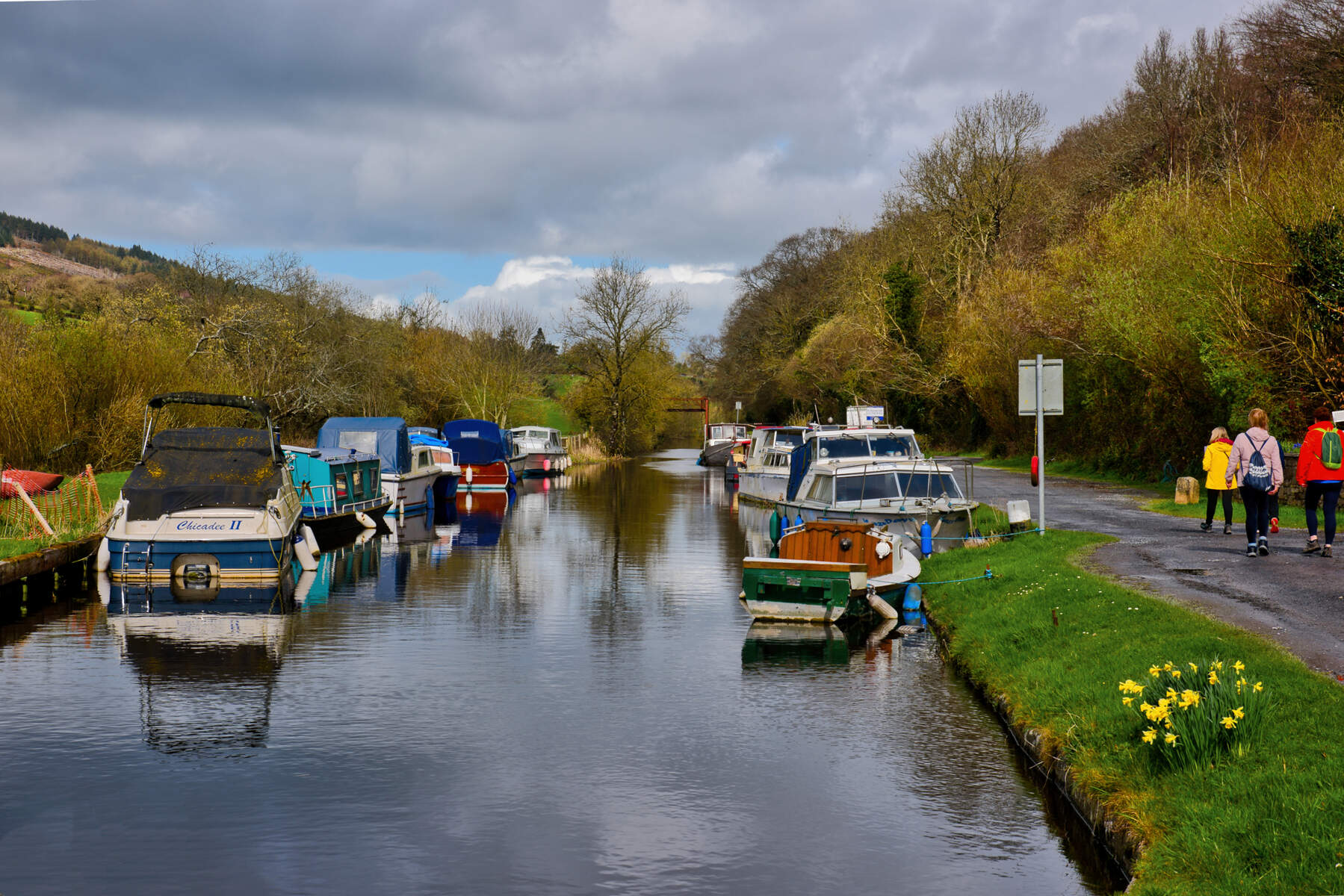
The River Camogue (also spelled Camoge) is a modest yet charismatic waterway threading the heart of Munster. Rising near Emly in County Tipperary, it slips south‑west into County Limerick, weaving past the villages of Herbertstown, Greybridge and the historic town of Croom before joining the Maigue River at Anhid East. Along its 30‑kilometre course the river is crossed by a series of rural bridges – the R513, R514, R516, R512 and R511 – each offering a convenient launch point for anglers and walkers alike. The Camogue’s gentle gradient and clean, oxygen‑rich waters create ideal conditions for brown trout, while its banks are lined with low‑lying fields that hint at a long agricultural past.
History
Although today the Camogue is best known for its trout fishery, its reputation stretches back nearly a millennium. Medieval records note that the river supplied “Camogue eels” which were exported to London as early as the 12th century, a testament to the river’s historic abundance. Over the centuries the waterway supported local subsistence fishing, powering small mills and shaping settlement patterns. In 2015 a slurry spill caused a severe fish kill, prompting community‑led clean‑up efforts and stricter water‑quality monitoring. The river’s resilience is evident in the rebound of its trout stocks, now celebrated by the Camoge Angling Club.
What to See & Do
Fly‑Fishing
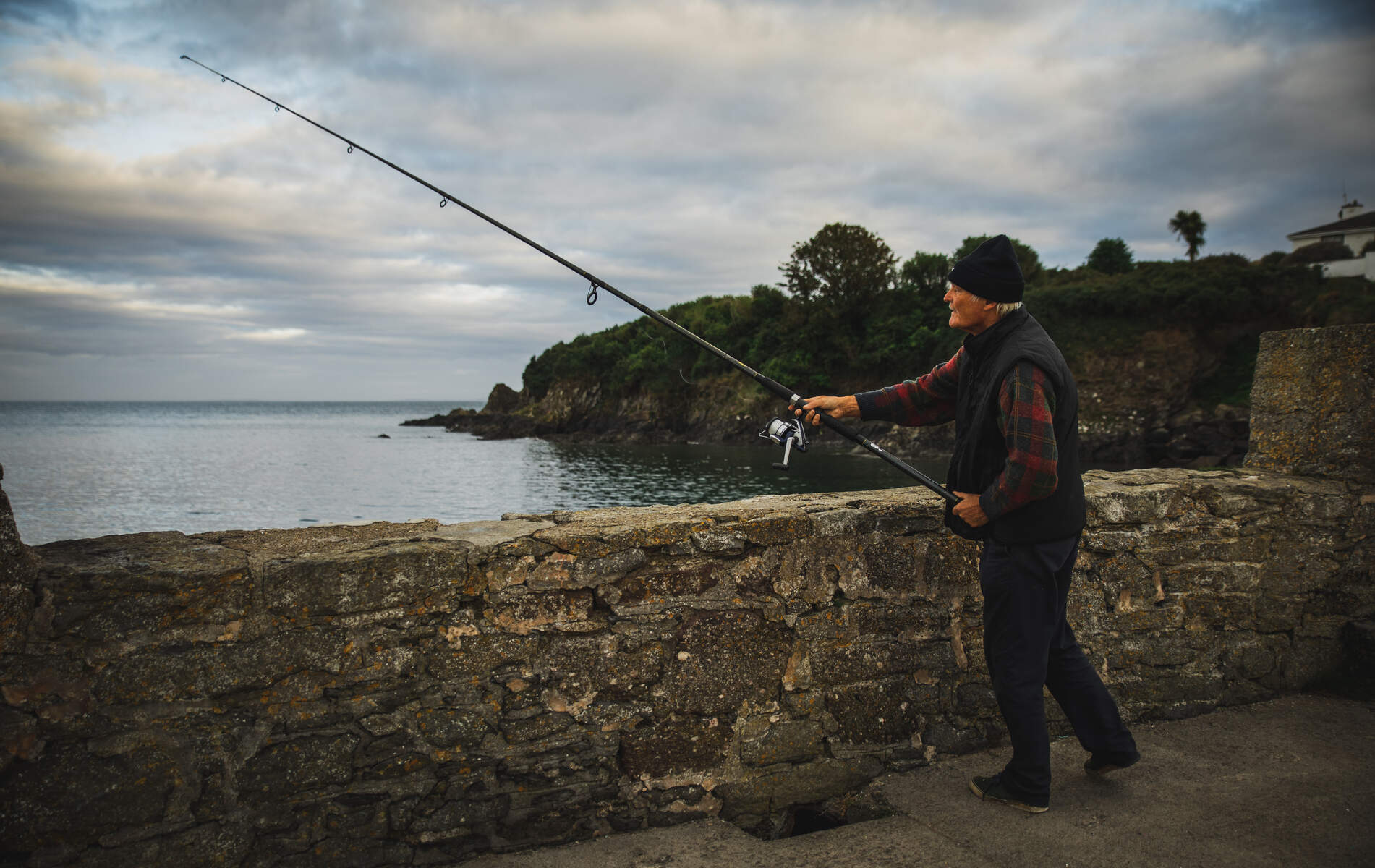
The Camogue is a dedicated fly‑fishing river, managed by the Camoge Angling Club. Brown trout dominate the fishery, and recent habitat improvements have boosted numbers, making the river a rewarding destination for both seasoned anglers and those learning the art of the cast. The official season runs from 15 February to 30 September, and only artificial flies are permitted, preserving the natural balance of the ecosystem.
Walking & Landscape
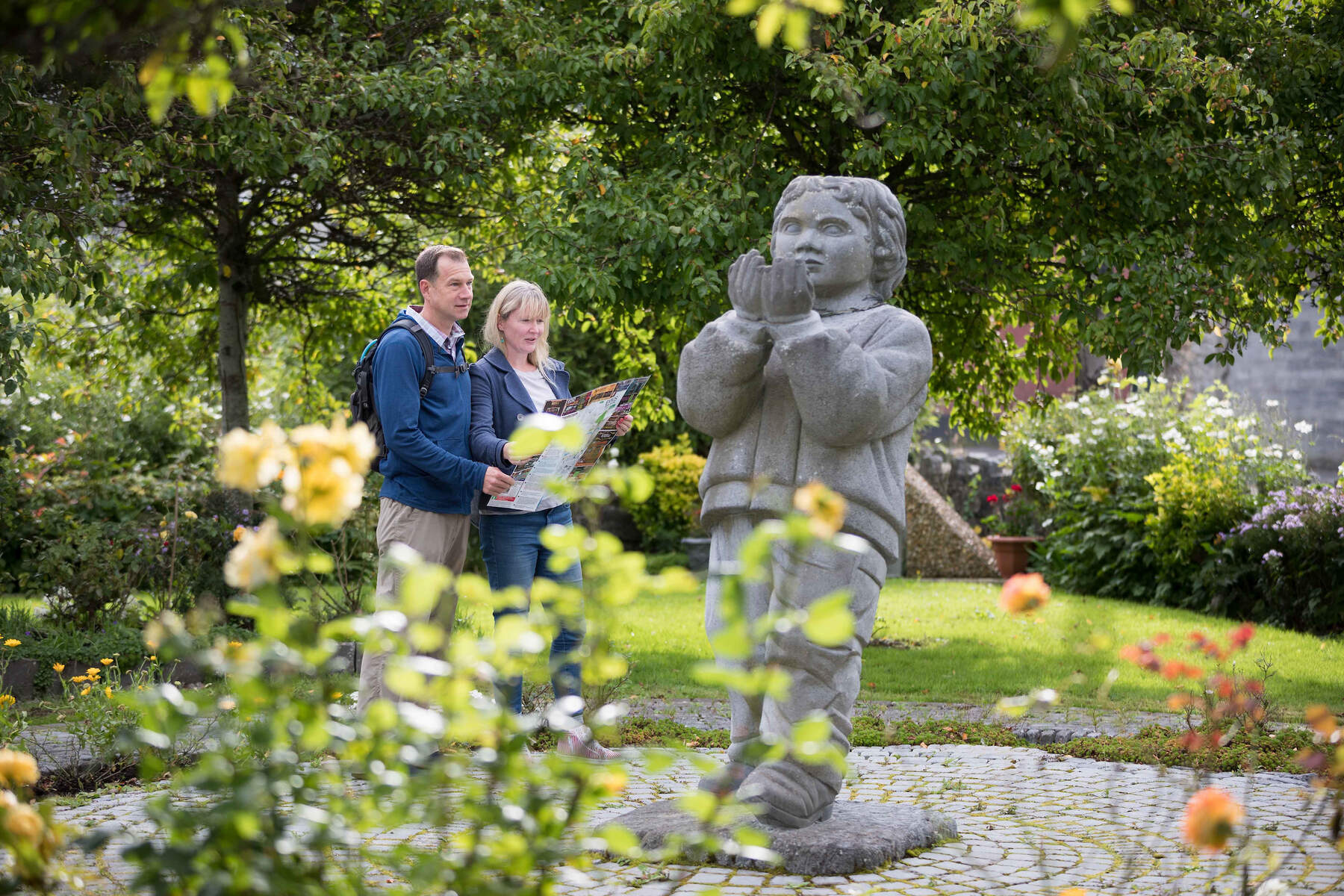
Beyond the water’s edge, the river corridor offers a series of short, well‑marked walks. Starting at the R513 bridge near Hospital, a gentle riverside path leads to the historic village of Greybridge, where the local GAA club – Camogue Rovers – bears the river’s name. Further downstream, the confluence with the Mahore River provides a tranquil spot for picnics, while the surrounding farmland showcases classic Irish hedgerows and stone walls.
Heritage Spotting
History enthusiasts can trace the old eel‑trade routes by following the river past the old mill sites near Croom. Although the eels are no longer harvested, the legacy lives on in local folklore and occasional interpretive signs placed by Limerick County Council. The river also flows beneath several 19th‑century stone bridges, each bearing the patina of time and offering photographic opportunities.
Recent News
In April 2026 a truck and trailer lost control on the icy road between Hospital and Knocklong and plunged into the River Camogue. The incident forced a temporary closure of the main Limerick road while rescue crews lifted the vehicle from the water. No injuries were reported, but the event highlighted the river’s proximity to a hazardous bend and underscored the importance of cautious winter driving in the area.
Community & Conservation
Local residents have been vocal about protecting the Camogue’s environment. A 2020 petition opposed the proposed “M20 teal and plum” motorway route, which would have cut close to the river’s floodplain and threatened its spawning grounds for Atlantic salmon and brown trout. The campaign, led by the Manister and Crecora community, stresses the river’s ecological value and its role in sustaining the rural way of life.
The Limerick and District Anglers Association continues to monitor water quality and publishes annual reports on trout numbers, making the Camogue a case study in successful community‑led river restoration.
Seasonal Events
During the summer months the association organises a guided “river‑health” walk along the Camogue. These walks, usually held in June or July, combine a gentle stroll with talks on water‑quality monitoring, habitat improvement projects, and the river’s historic eel trade. Participants can meet local anglers, learn about the artificial‑fly‑only policy, and enjoy the river’s scenery.
Practical Information
The Camogue is freely accessible; there is no admission fee. Anglers must be members of the Camoge Angling Club or obtain a day permit from the club secretary, Mr Dan Quain (11 Coshma Avenue, Croom). Equipment can be purchased or serviced at Steve’s Fishing Tackle (19 Catherine St., Croom, Tel: +353 61 413 484). The club’s contact number is +353 61 43762.
| Service | Details |
|---|---|
| Fishing season | 15 Feb – 30 Sep |
| Licence requirement | Angling Club membership or day permit |
| Fly‑only policy | Yes |
| Contact (Angling Club) | Dan Quain – 11 Coshma Ave, Croom |
| Tackle shop | Steve’s Fishing Tackle – 19 Catherine St, Croom – +353 61 413 484 |
Access & Parking
Primary launch points are located at the R513, R514 and R516 bridges. Each bridge has a modest lay‑by suitable for a car or small van, with space for a few fishing rods and a picnic blanket. No formal car parks exist, so early arrival in the summer months is advisable. The nearest larger car‑park is in Croom village, a short 5‑minute walk from the R511 bridge. The river’s shallow sections are ideal for wading; however, after heavy rain the water can rise quickly, making the banks slippery.
Wildlife & Environment
The river supports a healthy brown‑trout population and, historically, a prolific eel run. The surrounding riparian zone is a mosaic of wet grassland, alder scrub and hedgerows that provide habitat for kingfishers, herons and a variety of dragonflies. The Limerick and District Anglers Association monitors water quality and publishes annual reports on trout numbers, making the Camogue a case study in successful community‑led river restoration.
Nearby Attractions
A short drive downstream brings you to the historic town of Croom, where you can explore the ruins of Croom Castle and the medieval bridge over the Maigue River. To the north, the Ballyhoura Region offers mountain biking trails, forest walks and the Ballyhoura Way, a popular segment of the Limerick Greenway. Both destinations make excellent extensions to a day spent on the Camogue.
Visitors can also join the summer river‑health walk mentioned above, arranged through the Limerick and District Anglers Association’s website (link not provided in source material).
Overall, the River Camogue offers a blend of quiet angling, gentle countryside strolling, and a touch of medieval commerce history – all set against the rolling backdrop of Limerick and Tipperary’s pastoral heartland.