
Overview
The River Dee (Irish: An Níth) is a modest but scenic waterway in eastern Ireland. It rises near Bailieboro – often identified as the Teevurcher spring in County Cavan – and runs eastward for about 60.4 km (37.5 mi) through County Cavan, County Meath and County Louth before joining the River Glyde at the coastal village of Annagassan, where the waters eventually reach the Irish Sea via Dundalk Bay.
Geography & Course
- Source: Teevurcher spring, near Bailieboro, Co Cavan (approx. 53° 53′ N, 6° 45′ W).
- Length: 60.4 km (37.5 mi).
- Main tributaries:
- Killary River – joins south of Drumconrath (Co Meath).
- Gara River – merges west of Ardee (Co Louth).
- White River – enters north of Dunleer (Co Louth).
- Lake: Whitewood Lake near Nobber (Co Meath) is the Dee’s only lake, offering a quiet spot for picnics and bird‑watching.
- Mouth: Confluence with the River Glyde at Annagassan, after which the water flows into Dundalk Bay and the Irish Sea.
History & Legend
The river’s ancient Irish name, An Níth, means “combat”. In the epic Táin Bó Cúailnge, the hero Cú Chulainn meets his foster‑brother Ferdiad at a ford called Ath Carpat – the “chariot ford”. The settlement that grew around this crossing became Ardee (Baile Átha Fhirdhia – “town of Ferdiad’s ford”), and the river later adopted the Anglicised name Dee. The story is still retold on the Louth Heritage Trail, a self‑guided walk that passes the historic ford.
Wildlife & Angling
The Dee supports a healthy brown‑trout fishery; the clear, well‑oxygenated water also hosts pike, perch and a variety of coarse fish. Anglers can fish from the banks or hire local guides. A national fishing licence is required, and many stretches need an additional local permit – both are available online or at post offices in the area.
Bird‑watchers will find kingfishers, grey herons and occasional otters along the river’s reed‑fringed banks, especially near Whitewood Lake.
Recent Environmental Issues
In April 2024 the river suffered a temporary pollution incident that forced the Greenmount water‑treatment plant to shut down, affecting households in Castlebellingham, Kilsaran, Annagassan and Dunleer. Uisce Éireann worked with Louth County Council to identify the source – suspected uncontrolled agricultural run‑off – and water supplies were restored within days. The episode highlights the importance of ongoing water‑quality monitoring in the Dee catchment.
What to See & Do
Follow the River’s Course
- Whitewood Lake – a tranquil spot for picnics and bird‑watching.
- Tributary joins – each tributary creates distinct habitats worth exploring.
- Annagassan Bridge (R166) – a picturesque crossing where the road follows the lower Dee.
Angling
The Dee remains a favourite for brown‑trout anglers. Local guides operate from Ardee and Dunleer; fly‑fishing and spin‑fishing are both popular.
Ardee – The River’s Cultural Hub
- Louth Heritage Trail – self‑guided walk past the legendary ford and other historic sites.
- Fair Green Play Park – family‑friendly recreation.
- Whodunit Hunts – an outdoor murder‑mystery trail along the riverbank.
- Ardee Castle – a 16th‑century tower house overlooking the Dee.
(Ardee Castle)
Fairy Trees Winery
Just outside Dunleer, the Fairy Trees Winery offers guided tours of its vineyards on the Dee’s banks, ending with a tasting of three signature wines.
Nearby Heritage Sites
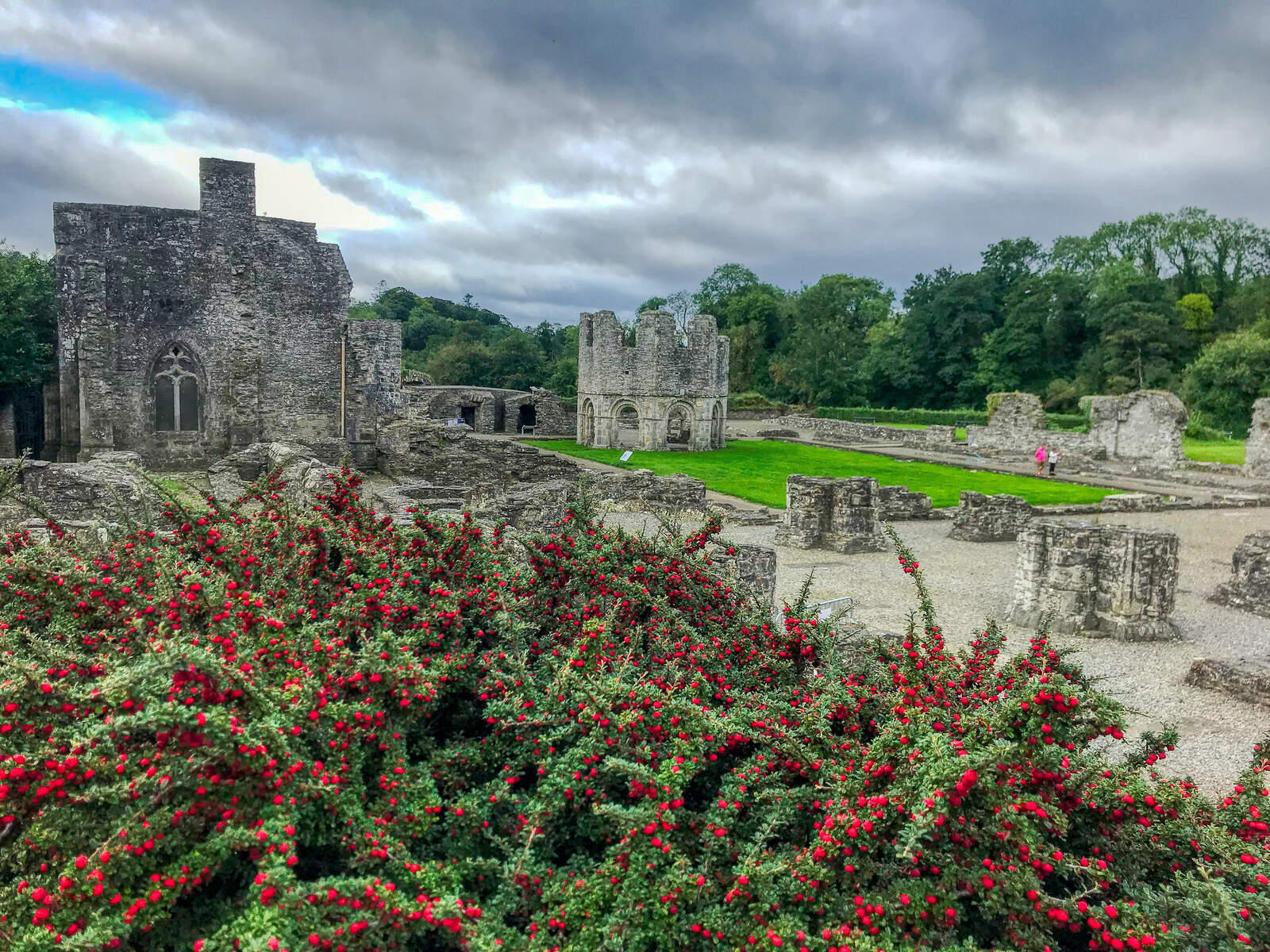
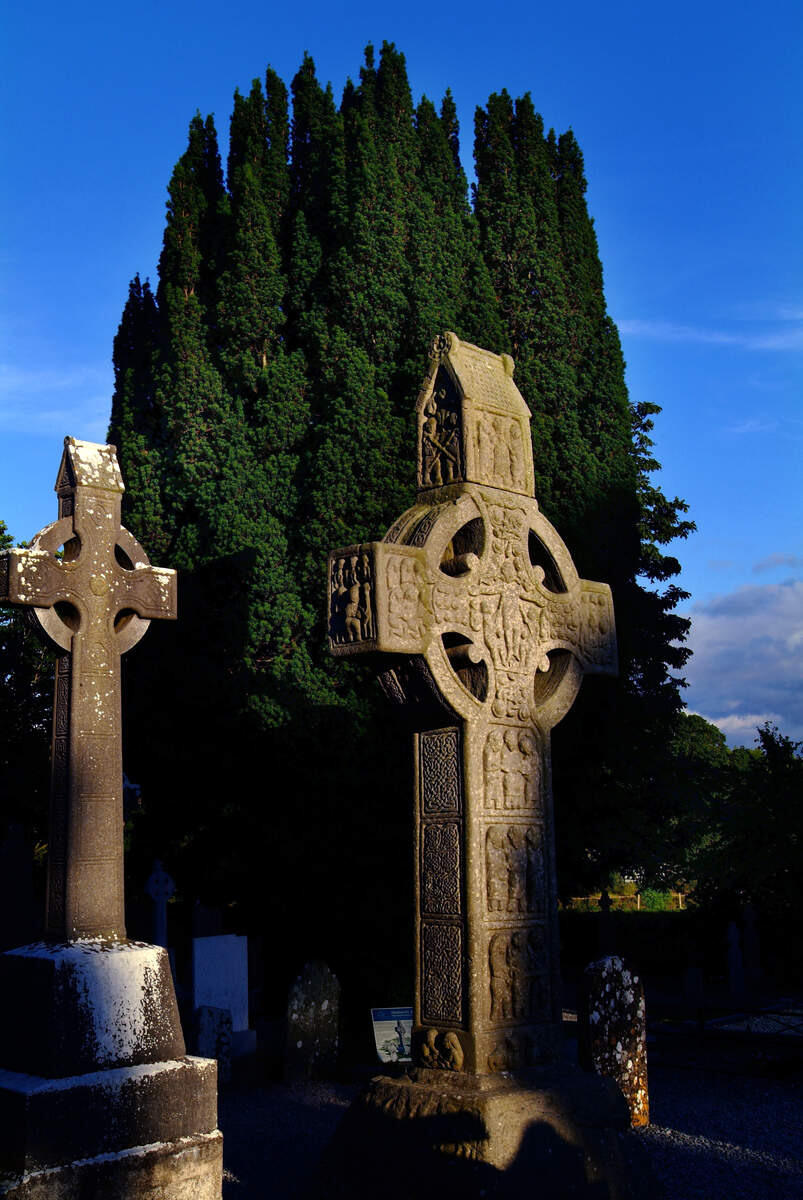
- Monasterboice – high crosses and a round tower.
- Mellifont Abbey – Ireland’s first Cistercian monastery.
- Kildemock Jumping Church – a quirky ruin with a storm‑legend.
Practical Information
- Access: Free along the whole length; most entry points are public rights‑of‑way.
- Parking: Lay‑bys at Whitewood Lake, Fairy Trees Winery and near the Annagassan bridge.
- Licences: National fishing licence required; local permits for certain stretches (obtainable online or at post offices).
- Transport:
- Road: The R169 and R173 run parallel to the Dee for much of its course; the R166 crosses at Annagassan.
- Rail: Nearest stations are Drogheda (Co Louth) and Dundalk (Co Louth).
- Bus: Local Louth County Council routes serve Ardee, Dunleer and Annagassan.
- Website: General visitor information is available on the Visit Louth site (visitlouth.ie).
A River of Stories
The Dee may be modest in size, but its blend of myth, wildlife and quiet countryside makes it a rewarding stop for anglers, walkers and anyone interested in Ireland’s ancient tales.