
Overview
The River Derreen (Irish: An Daoirín) is a substantial tributary of the River Slaney, rising on the southern slopes of Lybagh and Slievemaan before winding southwest through the pastoral landscapes of County Wicklow and County Carlow. It joins the Slaney just upstream of Aghade bridge, a short distance south of Tullow. The river’s sandy, gravelly bed creates ideal spawning conditions for salmon, while its clear, fast‑flowing sections support healthy brown‑trout populations and the rare freshwater pearl mussel.
The Derreen is designated a Special Area of Conservation (SAC) under EU legislation (Site Code 000781). This status protects its diverse aquatic habitats and the endangered pearl mussel, which is found only in a few Irish rivers.
History & Background
Although the Derreen is primarily a rural waterway, its bridges – many of them old hump‑backed stone structures – hint at centuries of local travel and trade. The towns of Hacketstown and Tullow grew up along its banks, benefitting from the river’s fertile floodplain for agriculture. Historically, the Derreen has been a vital source of food; local angling clubs still hold fishing rights on much of the river, preserving a tradition that dates back generations.
Historical Sites along the Derreen
- Acaun Monastic Site – The tiny townland of Acaun, the smallest in Carlow, contains the ruins of a 5th‑century monastic settlement beside a historic mill‑race and weir. The weir was likely built for eel‑fishing, and the site once supported a small community that tended to the river’s resources.
- Knocklow Bridge and Mills – Near Tullow, the early‑20th‑century Knocklow Bridge spans the Derreen and is associated with former water‑mills that harnessed the river’s flow.
- Eel‑Weir near Acaun – Visible on low water, this structure may have been used for eel‑catching and possibly for the now‑illegal collection of freshwater pearls, a practice recorded in the 1930s.
Conservation Designations
The Derreen’s SAC status reflects its high‑quality habitats:
- Freshwater Pearl Mussel – A protected species that requires clean, well‑oxygenated water. Conservation efforts focus on maintaining river quality and preventing siltation.
- Salmon and Trout Spawning – The river’s gravel beds provide ideal spawning grounds for Atlantic salmon and brown trout, supporting both commercial and recreational fisheries.
Recent Environmental Planning
In 2019 Irish Water applied for planning permission to dredge a 180 m stretch of leat off the Derreen that supplies water to the Hacketstown Water Treatment Plant. The proposal would remove up to 0.3 m of silt and spread it on the east bank. A Natura Impact Statement accompanies the application, highlighting the need to balance water supply reliability with the river’s protected status. The decision is pending with Carlow County Council.
What to See & Do
Angling
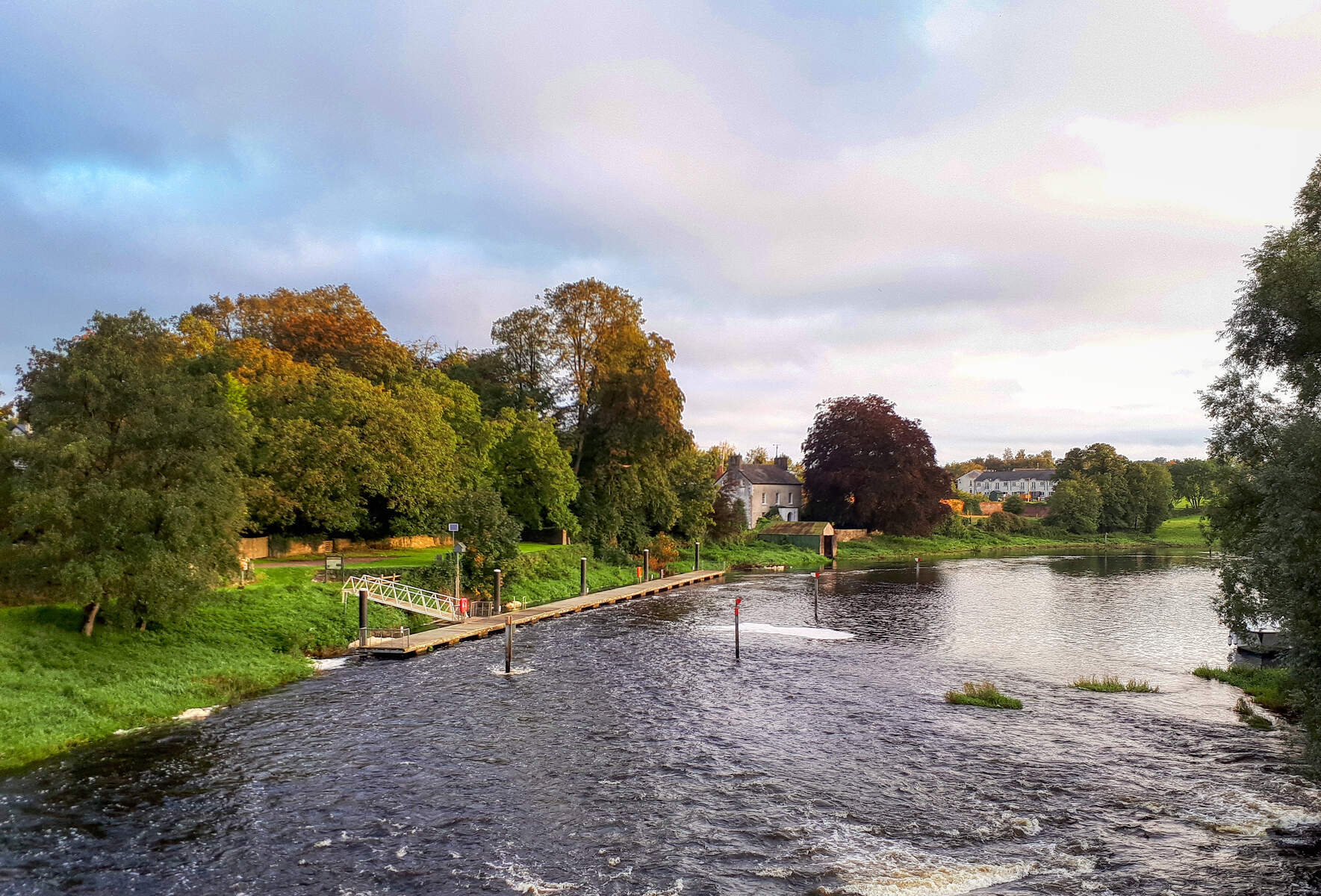
The Derreen is renowned for its brown‑trout fishery, with average catches around 0.5 lb. Spring brings occasional salmon runs, while sea trout and pike appear later in the season. The prime fishing window runs from March to June, when water levels are stable and trout are most active. Two local angling clubs manage most of the fishing rights, but sections remain in private hands and are open to day‑ticket anglers.
White‑water Kayaking
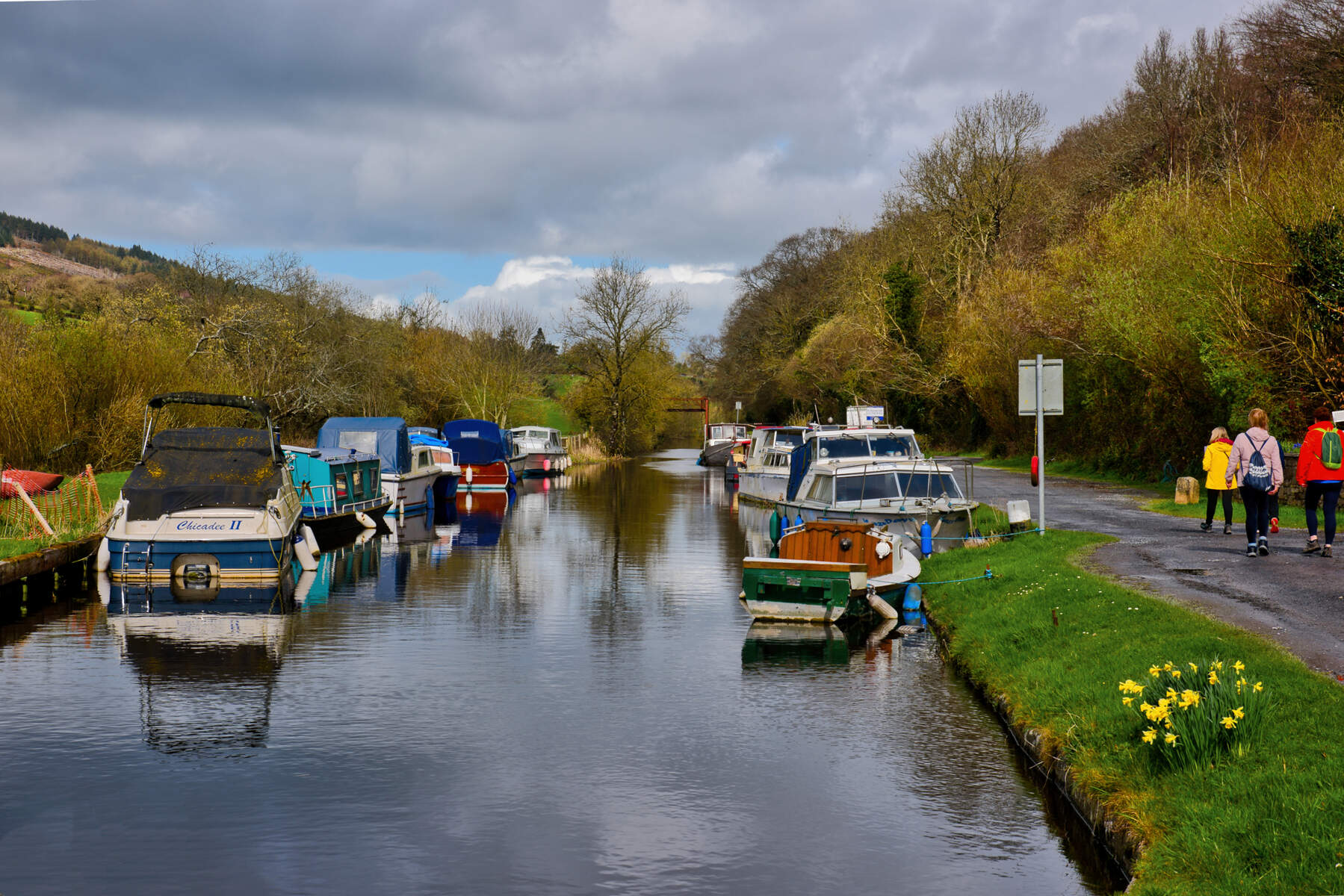
For paddlers, the Derreen offers a Grade 2‑4 experience, making it suitable for mixed‑ability groups. The river starts with a gentle flat stretch before deepening enough for rolling practice after about a kilometre. Highlights include:
- Rock garden and micro‑eddies (≈2 km from the put‑in) where high water creates playful waves.
- First drop – a safe, pool‑ended fall ideal for beginners.
- Gorge section – a narrow, technical run with multiple eddy options on either side. In high water the gorge can be challenging, but low‑to‑medium flows allow a fun boof on the left‑hand rock.
- Powers wave – a notable wave about 3 km downstream of the gorge, prized by experienced kayakers for its size and shape.
The river holds water for days after rain, often outlasting neighbouring streams, which makes it a reliable choice on a “no‑water” day elsewhere.
Wildlife Watching
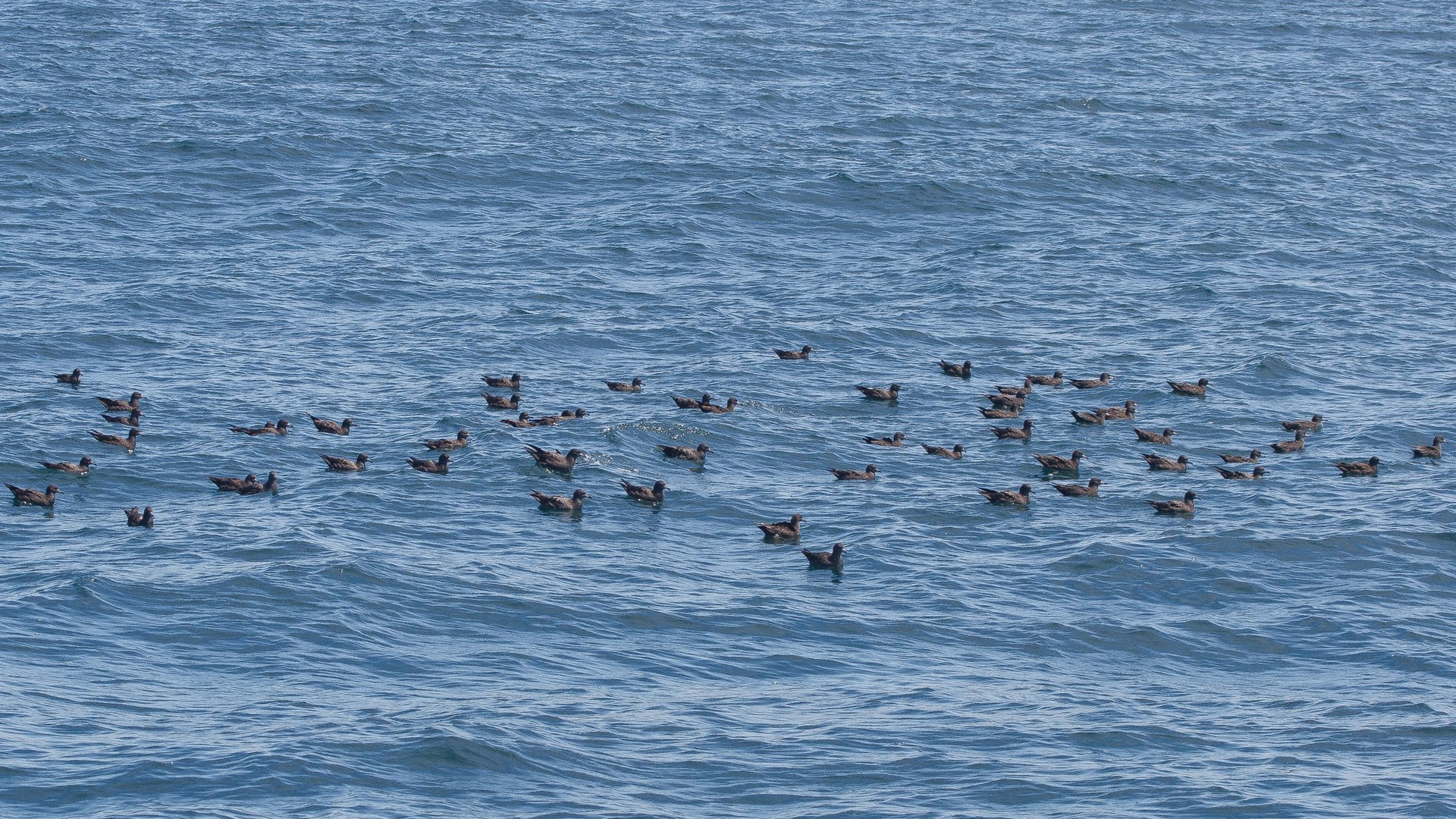
Beyond fish, the Derreen’s clean waters support the endangered freshwater pearl mussel. Birdwatchers may spot kingfishers, herons and occasional grey herons along the banks, especially in the quieter lower reaches where the river meanders through pastureland. The river’s riparian habitat also attracts dragonflies and other invertebrates.
Nearby Towns
The river is easily combined with a visit to Bagenalstown, a charming Barrow‑valley town a short drive north, offering additional dining and heritage attractions.
Practical Information
Access & Put‑in / Take‑out
- Put‑in: Rathglass, ~4 km north of Tullow. From the N81, turn left just before the Slaney bridge, pass the Mount Wollesley Hotel, then a concrete bridge with balustrades. A small parking area (≈4 cars) sits 20 yards to the right of the bridge. Coordinates: 52.776878, ‑6.709946.
- Take‑out: Aghade bridge, ~4 km south of Tullow. Follow the road from the put‑in for about 500 yards, turn right, then continue to the bridge. Parking is available against the stone wall on the right‑hand side. Coordinates: 52.758596, ‑6.730685.
Access is on farmer‑friendly land; paddlers should respect crop cycles and avoid the fields when they are in season.
Water‑Level Guidance
The Aghade bridge provides a quick visual gauge:
| Arch count | Water level |
|---|---|
| 1 | Low |
| 2 | Medium |
| 3 | High |
In high water, the gorge and Aghade bridge can become hazardous – the gorge may wash out, and a syphon on the left‑hand line after the gorge poses a risk for swimmers.
Safety
Key hazards include the gorge’s high‑water flow, the syphon near the post‑gorge drop, and the fast‑moving water at Aghade bridge during flood conditions. Paddlers should scout the run‑out before committing and keep a rescue line handy.
Fishing Regulations
The river is a Grade 2‑4 salmon and trout fishery. Anglers must hold a valid Irish Angling Licence and, where applicable, a club permit. Seasonal limits apply; check with the local angling clubs for the latest catch‑and‑release rules.
Getting There
The Derreen is easily reached from Dublin via the N81, which runs through Tullow. Car hire is recommended for flexibility, though local bus services stop in Tullow; a short taxi ride can then take you to the put‑in or take‑out points.
Nearby Amenities
Tullow offers a range of cafés, pubs and accommodation options, from B&Bs to self‑catering cottages. Hacketstown, a smaller village upstream, provides a quieter base for anglers seeking early‑morning access.
Note: The current article images depict unrelated rivers and wildlife. Suitable photographs of the River Derreen, its put‑in, or characteristic wildlife should replace them.