
Overview
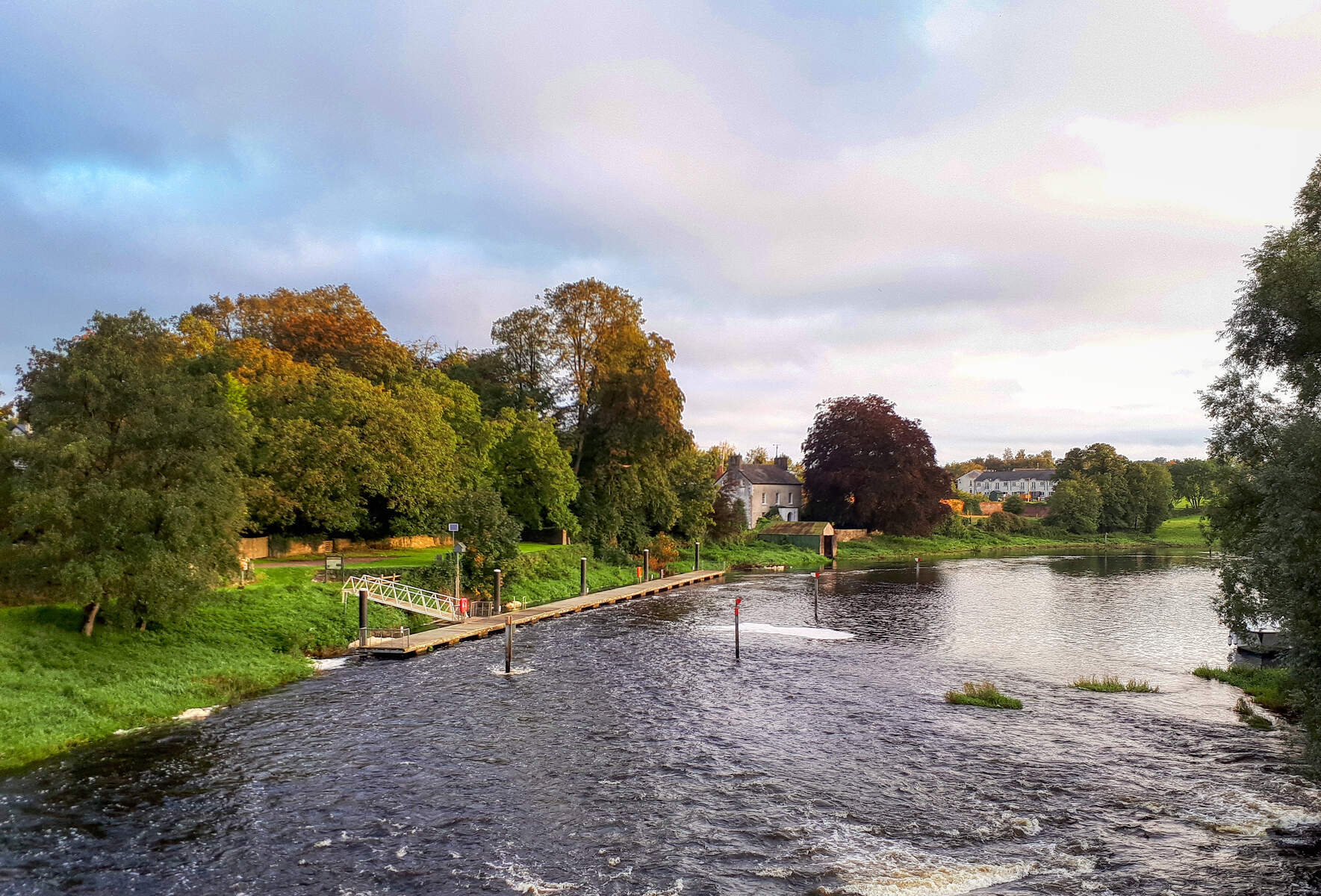
The River Fane is a 38‑mile (60 km) waterway that begins at Lough Ross on the Monaghan‑Armagh border and empties into Dundalk Bay at the seaside village of Blackrock, County Louth. It threads through three jurisdictions – Monaghan, Louth and Armagh – and passes the charming villages of Iniskeen, Knockbridge and Castleblaney before reaching the sea. The river’s catchment covers roughly 350 km², feeding both the local water supply (via the Cavan Hill pumping station) and a thriving angling scene.
History & Background
Historically the Fane has been a lifeline for the communities that line its banks. Its headwaters are fed by tributaries such as the Frankfort and Mullaghaduff, which flow into Lough Muckno before the river is known locally as the Clarebane – a deep, slow‑moving stretch between Lough Muckno and Lough Ross. The name “Fane” is applied from Lough Ross onward. Over the centuries the river supported subsistence fishing, and in the 19th century the estuary at Blackrock grew into a bustling holiday resort, drawing visitors from Belfast, Scotland and the surrounding counties.
What to See & Do
Angling
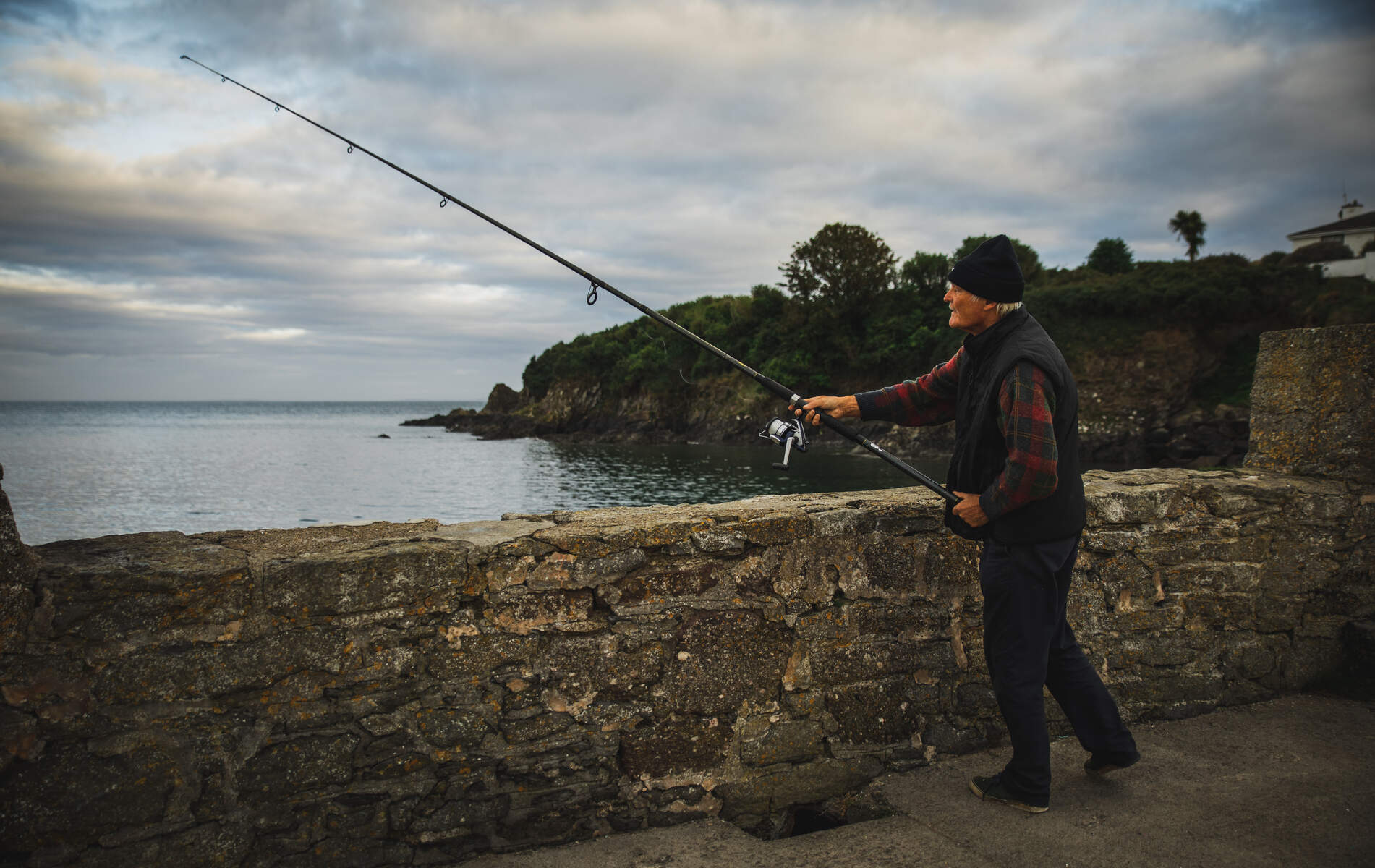
The Fane is celebrated for its wild brown trout, Atlantic salmon and sea‑trout. The upper reaches from Knockbridge to the border hold the best brown‑trout runs, with hatches of large dark olives, blue‑winged olives, grey‑flag sedges and plentiful black gnats. Salmon and sea‑trout concentrate in the middle to upper reaches – especially from Stephenstown Bridge to Iniskeen – with salmon typically weighing 8–10 lb and sea‑trout around 1 lb. The most productive salmon period runs from July to October, peaking in September and October.
Wildlife & Landscape
At its mouth the Fane forms a broad estuary and the Carrick Cultra wetlands, designated both a Special Protection Area (SPA) and a Special Area of Conservation (SAC). The mudflats and saltings support waders such as oystercatcher, redshank, lapwing, curlew and black‑headed gull year‑round, with winter visitors like the bar‑tailed godwit and golden plover. Bird‑watchers will find information panels along the Blackrock promenade describing the avian life of Dundalk Bay.
Birdwatching tips – The best time to see migratory waders is late autumn to early spring when the mudflats are exposed at low tide. Bring a pair of binoculars and a field guide; the wetlands are accessible via a boardwalk that is wheelchair‑friendly.
Heritage Walks
The Blackrock heritage trail highlights the Fane Estuary (point 7) alongside historic sites such as the 19th‑century lifeboat boathouse, the former sea‑water swimming pool and the iconic “Bradáin” salmon sculpture. A short walk from the estuary leads to the promenade where the sea wall offers sweeping views of the Cooley Mountains and the river’s final approach to the sea.
Practical Information
Fishing Permits & Clubs
Angling on the Fane is managed by several clubs, each offering day permits and membership options. The main bodies are:
| Club | Primary Stretch | Permit Link |
|---|---|---|
| Dundalk Brown Trout Anglers | Upper reaches (Knockbridge‑border) | Brown Trout Anglers |
| Dundalk Salmon Anglers Association | Middle to lower reaches (Stephenstown Bridge‑Iniskeen) | Salmon Anglers |
| Village Anglers (Iniskeen) | Select stretches around Iniskeen | Contact Paddy Keenan (+353 87 274 6755) |
| Eastern Regional Fisheries Board | Overall river management | ERFB |
All legitimate fishing methods are permitted, with a strong encouragement for catch‑and‑release, especially for salmon and sea‑trout. Day tickets are also sold at local tackle shops in Dundalk (Owen Watters, Terry Kelly Paint Shop, Fatima Stores, Lakeside Angling). Seasonal windows are:
- Brown trout: 1 March – 30 September
- Salmon & sea‑trout: 1 February – 12 October
Access & Parking
The R171 bridge at Knockbridge provides a popular launch point; vehicle access and disabled parking are available at Stephenstown Bridge, where concrete fishing stands have been installed for anglers with reduced mobility. The river is free to access along its public banks, and the estuary promenade in Blackrock offers free street parking.
Accommodation & Services
A convenient base for anglers is Gleneven Guesthouse in Iniskeen, Co Monaghan (Tel +353 42 937 8294, website: gleneven.com). The guesthouse provides easy road links to the upper Fane and to the Blackrock estuary. Local tackle dealers such as Island Tackle (53 968474, ‑6.495078) and Ruddys (Iniskeen) can supply bait, flies and equipment.
Getting There
The river is reachable by car from Dundalk (via the R171) or from Monaghan (via the N2 to the R179). The nearest railway station is Dundalk, with regular Irish Rail services from Dublin and Belfast. From the station, a short taxi ride brings you to the river’s lower reaches or to Blackrock’s promenade.
Accessibility
Stephenstown Bridge offers disabled‑friendly facilities: a paved approach, dedicated parking spaces and sturdy concrete stands that allow anglers to fish comfortably from a seated position. The estuary walkways are level and feature tactile signage for visually impaired visitors.
Conservation Note
Recent illegal fuel‑laundering runoff has introduced polycyclic aromatic hydrocarbons, impacting Atlantic salmon stocks. Anglers are urged to follow club guidelines and report any suspicious activity to the Eastern Regional Fisheries Board to help protect the river’s delicate ecosystem.
Seasonal Highlights
- Salmon run (July‑October) – Peaks in September; ideal for sight‑seeing and photography from the banks or from a boat.
- Brown trout season (March‑September) – Early‑spring hatches produce vigorous feeding activity, perfect for fly‑fishing enthusiasts.
- Winter bird migration (November‑March) – The Carrick Cultra wetlands host flocks of bar‑tailed godwit, golden plover and other Arctic‑bound species.
Nearby Attractions
While exploring the River Fane, consider extending your day to nearby points of interest:
- The Cooley Peninsula Scenic Route offers dramatic coastal views and passes close to Blackrock’s estuary. (Cooley Peninsula Scenic Route)
- The historic Mellifont Abbey lies a short drive inland, providing a glimpse of early monastic life in Louth.
- The Cooley Mountains are visible from the Blackrock promenade and provide opportunities for hill walking.
- The charming village of Baltray on the north side of Dundalk Bay is renowned for its bird‑watching hides and golf links.
Enjoy the River Fane’s blend of sport fishing, birdwatching and tranquil riverside scenery – a quintessential Irish river experience that straddles borders, history and natural beauty.