
Overview
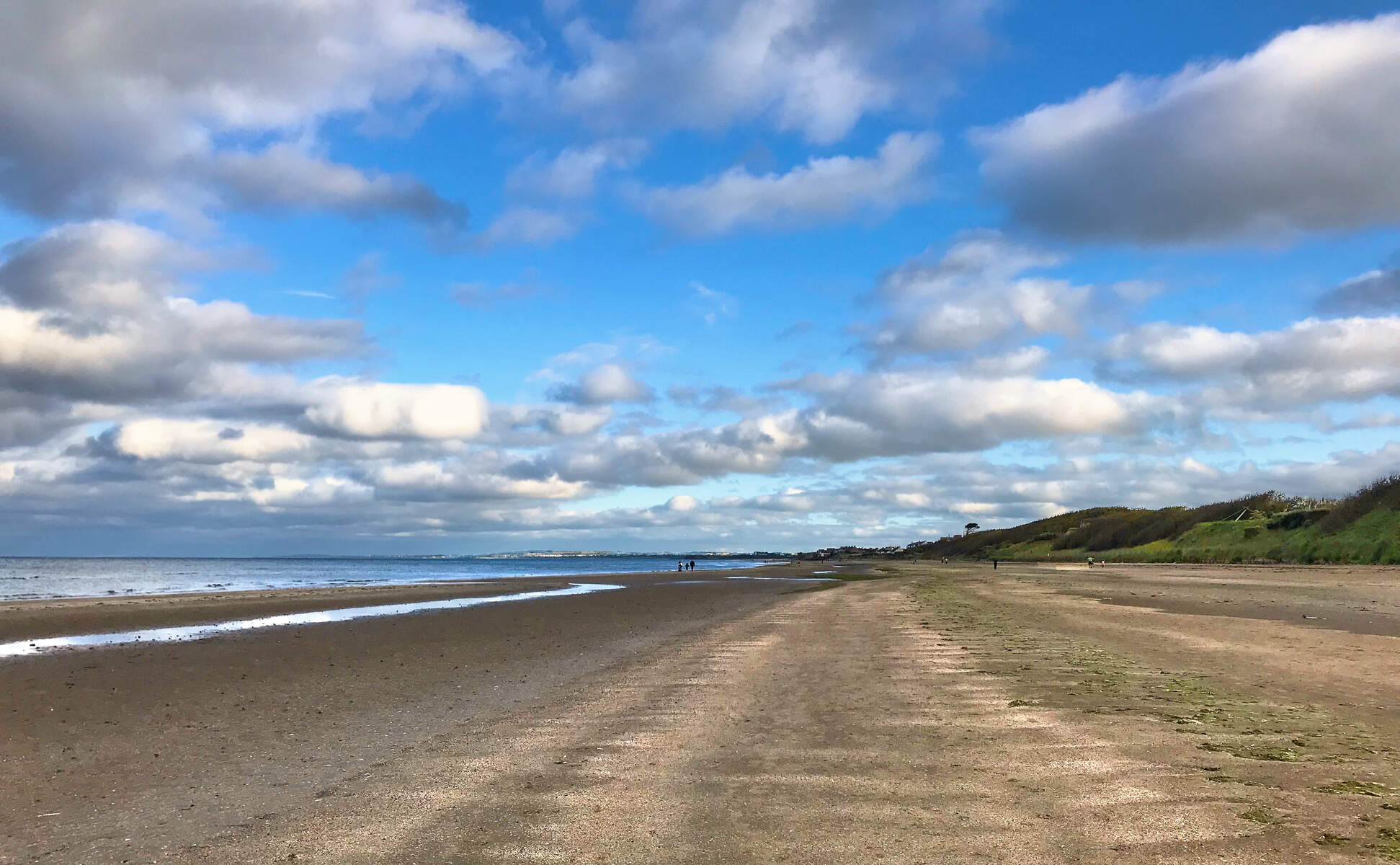
The River Nanny (Irish: An Fheithir), also known locally as the Nanny Water, is a modest yet charismatic river that cuts a winding path across County Meath before spilling into the Irish Sea at Laytown. Its source lies near Navan, close to Brannantowns, and it gathers water from tributaries such as the River Hurley before reaching the coastal plain. The river’s geology is striking – limestone cliffs and gray, thick‑bedded crystalline limestone line sections near Rock Bellew and Darduston, offering a visual treat for geology enthusiasts. The estuary, a narrow, sheltered channel, is a designated Special Protection Area (SPA) under the EU Birds Directive, providing a crucial wintering ground for a variety of wading birds.
History
River Nanny has been a silent witness to several pivotal moments in Irish history. Legend tells that in 848 the Norse‑aligned lord Cineadh was drowned in the river after a rebellion against Malachy, an event that gave the waterway its early name, the Ainge. Centuries later, during the Irish Rebellion of 1641, the Battle of Julianstown unfolded at the Nanny Water crossing, where an English Royalist relief force from Dublin was decisively beaten by Irish rebels. The river again featured in the Williamite Wars; after the famous Battle of the Boyne, Jacobite troops retreated toward the bridge at Duleek to cross the Nanny. These episodes have left subtle marks on the landscape – old bridges, fords, and place‑names that echo the past.
What to See & Do
Angling
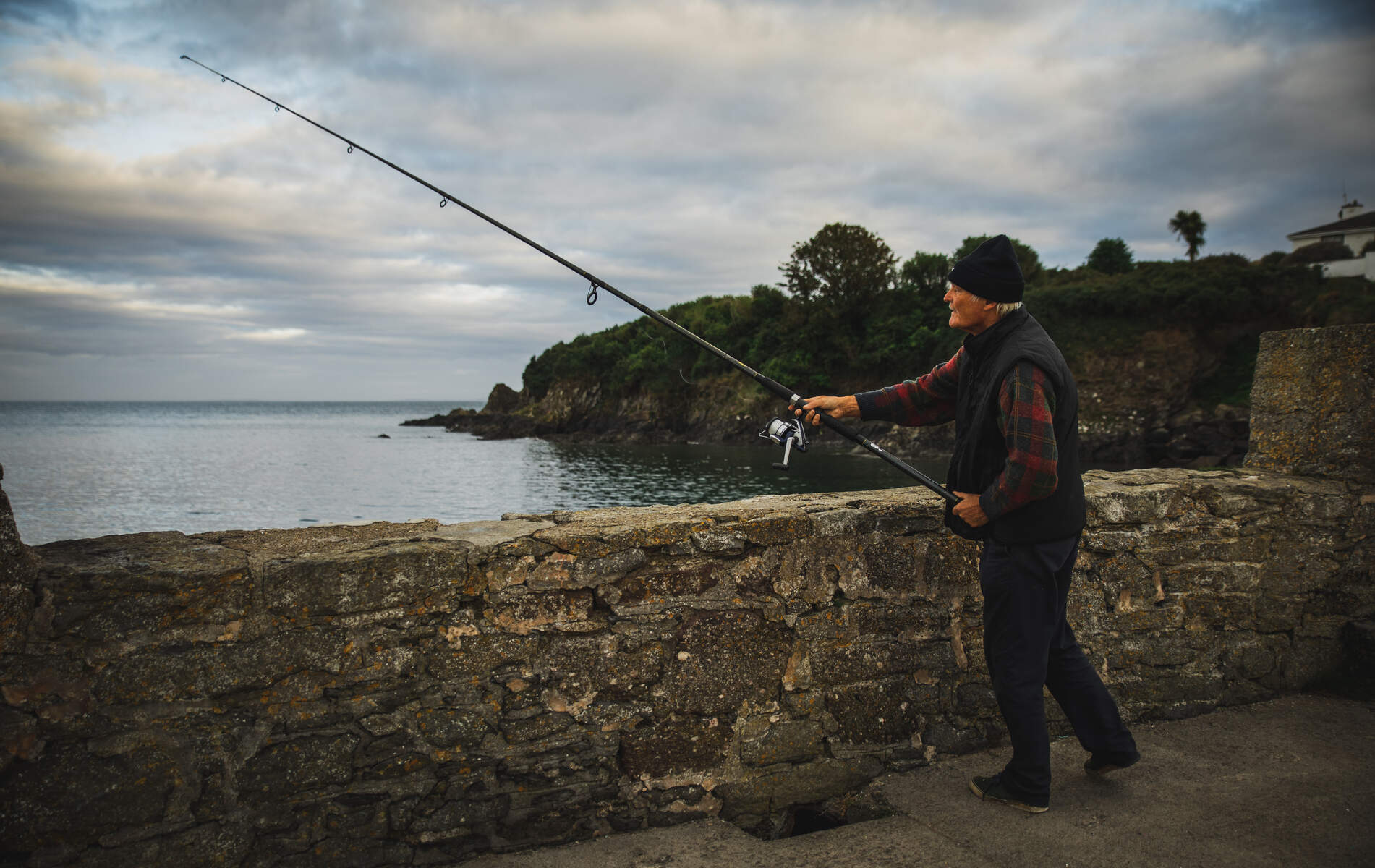
River Nanny is celebrated for its trout fishery. The water supports a healthy stock of wild brown trout, which makes up more than half of the annual catch, and a seasonal run of sea trout that can be pursued as far upstream as Julianstown. The prime stretch for fly‑only fishing runs from Julianstown to about a mile upstream of Balrath Bridge, with an additional fly‑only zone above Bellewstown Bridge. Anglers favour dry fly, wet fly, and nymph techniques, especially from February to September when the river is officially open for sport. The Duleek Anglers Club and the Drogheda and District Anglers Association manage most of the fishing rights, issuing day permits and memberships.
Birdwatching and Nature
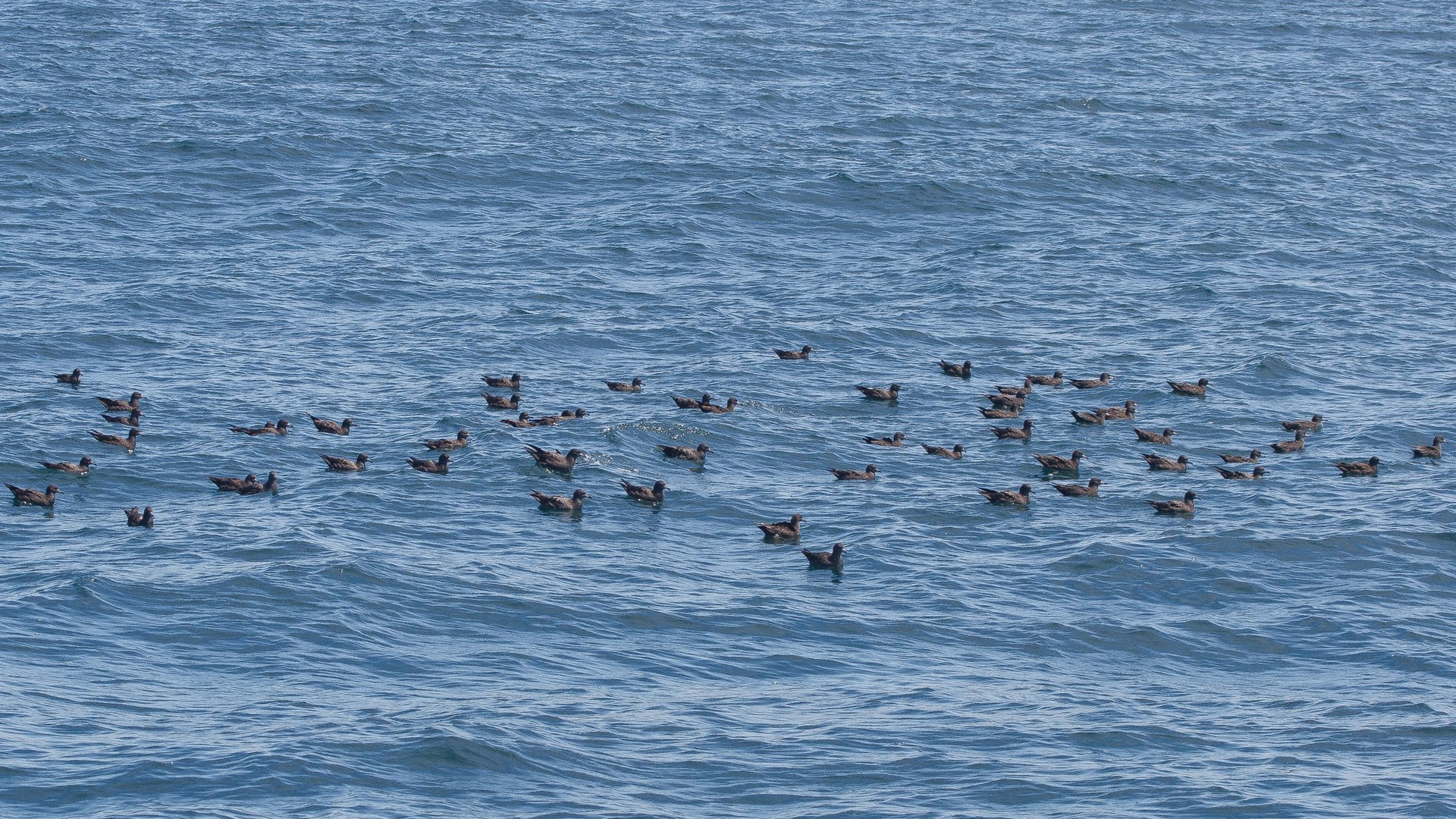
The estuary’s SPA status makes it a magnet for birdwatchers. Wintering waders such as golden plovers, oystercatchers, ringed plovers, sanderlings and knots regularly use the mud‑flats and salt‑marshes. Resident waterbirds include brent geese, bar‑tailed godwits, great black‑backed gulls, common gulls, Eurasian curlews, dunlins and great cormorants. The surrounding marsh supports sea plantain, sea aster, red fescue, sea purslane, bulrush and yellow flag, creating a mosaic of habitats that change with the tide.
Geology and Landscape
Walk along the river’s lower reaches to see exposed limestone cliffs at Rock Bellew, where the stone takes on a blue‑gray hue. Near Dardustown bridge and St Columbkille’s Well, evenly bedded limestone offers a textbook example of the region’s Carboniferous geology. The river’s meanders create tranquil spots ideal for picnics or quiet contemplation, while the estuary’s sandy shoreline at low tide provides a natural beach that meets the sea at Laytown.
Practical Information
Fishing permits – Day permits and club memberships are available from the Duleek Anglers Club. The club’s secretary, Dominic Gallagher, can be reached at 087‑4153781. Permits are required for the stretch from Julianstown to Balrath Bridge and for the tributary Hurley River at Dean’s Bridge.
| Section | Season | Method | Permit required |
|---|---|---|---|
| Julianstown → ~1 mi upstream of Balrath Bridge | Feb – Sep | Fly (dry, wet, nymph) | Yes |
| Bellewstown Bridge (fly‑only zone) | Feb – Sep | Fly only | Yes |
| Hurley River (Dean’s Bridge) | Feb – Sep | Fly & spin | Yes |
| Sea‑trout run (up to Julianstown) | May – Sep | Spin or fly | Yes |
Wildlife observation – The estuary is most rewarding for birdwatching between October and March, when wintering waders congregate. There is no formal visitor centre, but the SPA’s official site provides downloadable conservation objectives and a site synopsis (see NPWS links). Access points include the Laytown beach promenade and small car parks near the river mouth; parking is free and unrestricted.
Getting there – The river runs parallel to the L1610 road for much of its course and crosses under the M1 motorway near Julianstown. From Dublin, take the M1 northbound and exit at the Julianstown roundabout; the river mouth is a short walk eastward along the coastal path. For anglers travelling from the north, the N2 bridge near Balrath offers a convenient crossing point.
Contact & further information – For detailed fishing regulations, permit purchase or membership queries, contact the Duleek Anglers Club secretary (087‑4153781). For ecological data, the National Parks and Wildlife Service SPA page (https://www.npws.ie/protected-sites/spa/004158) offers PDFs of conservation objectives and site synopses.
Seasonal considerations – The river’s trout run peaks from March to May, making early spring the most productive period for brown trout. Sea‑trout become more prevalent from May onward, especially after the first warm spell. Flood‑affected stretches can still produce good catches, as noted by local anglers.
Nearby attractions – After a day on the water, visitors can explore the historic town of Laytown, famous for its beach and the annual Laytown races, or venture inland to the historic sites of Duleek and Julianstown, where remnants of the 1641 battle still echo. A short drive north brings you to Bective Abbey, a well‑preserved Cistercian ruin set in tranquil parkland.
Enjoy the blend of sport, nature and history that makes River Nanny a uniquely Irish experience.