
Overview
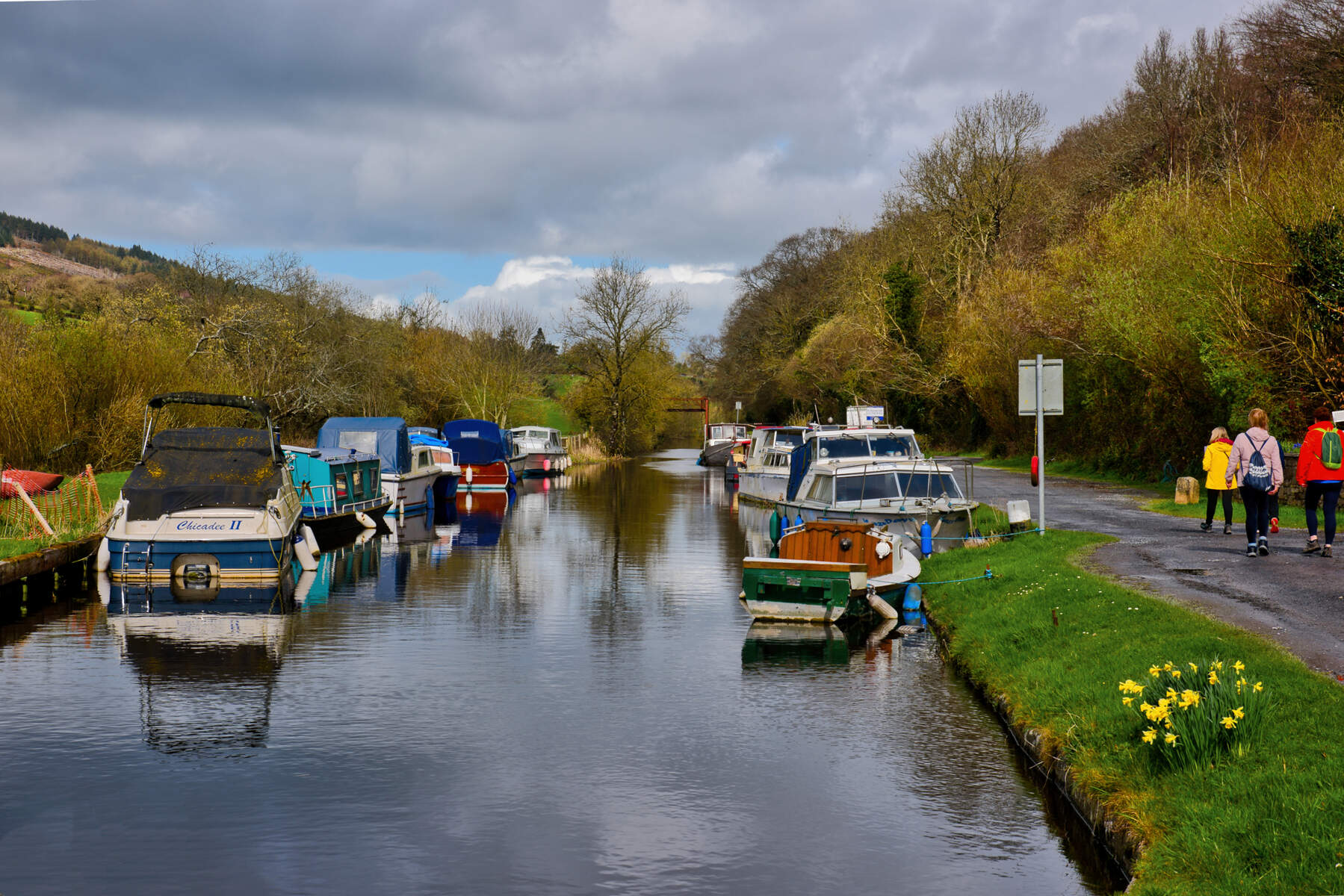
The Rye River – often called Rye Water – rises in the lowlands of County Meath and runs roughly 19 miles (≈30 km) southeast before joining the River Liffey at Leixlip. Its fast‑flowing, stony bed supports healthy stocks of brown trout and pike, making it a favourite for anglers, while its scenic banks attract walkers, history lovers and nature enthusiasts alike.
History & Background
The river has shaped the Kildare landscape for centuries. North of Kilcock and Maynooth it skirts the medieval Maynooth Castle, flowing between the Lyreen and the Joan Slade River. Further downstream the waterway enters the historic Carton House estate, where it was deliberately widened to create an ornamental lake set within Georgian parkland. An elegant bridge and a boathouse were added, turning the lake into a focal point for aristocratic leisure.
In the 18th and 19th centuries the Rye powered industry. A linen‑printing mill was established in Leixlip in 1758, later replaced by the Rye Vale Distillery, which produced over 20,000 gallons of whiskey a year by 1837. The distillery closed in the 1890s; its stone buildings have been converted into modern apartments that retain the industrial silhouette.
A striking engineering feat crowns the river’s journey: the Royal Canal aqueduct, built in the 1790s, carries the canal about 30 m (≈100 ft) above the Rye near Leixlip. After passing under the aqueduct the river flows through the historic centre of Leixlip, crossing under the iconic Rye Bridge before meeting the Liffey.
Since 1989 Intel Ireland has been based behind the river, monitoring water quality and contributing valuable data that underline the Rye’s reputation as a well‑managed watercourse.
What to See & Do
Scenic Walks & Heritage Sites
- Carton House Lake – Walk the perimeter of the ornamental lake, admire the Georgian landscaping, the ornamental bridge and the historic boathouse. The lake’s calm surface contrasts with the rapid flow upstream.
- Leixlip Heritage Trail – Follow the river through Leixlip to see the foundations of the linen‑printing mill and the converted Rye Vale Distillery apartments, offering a tangible link to the town’s industrial past.
- Royal Canal Aqueduct – View the impressive earth‑embankment that carries the canal high above the river – a must‑see for engineering enthusiasts.
- Louisa Bridge & Leixlip Spa – Near Louisa Bridge, warm waters from the historic spa mingle with the Rye, providing a pleasant spot for a short rest.
Angling
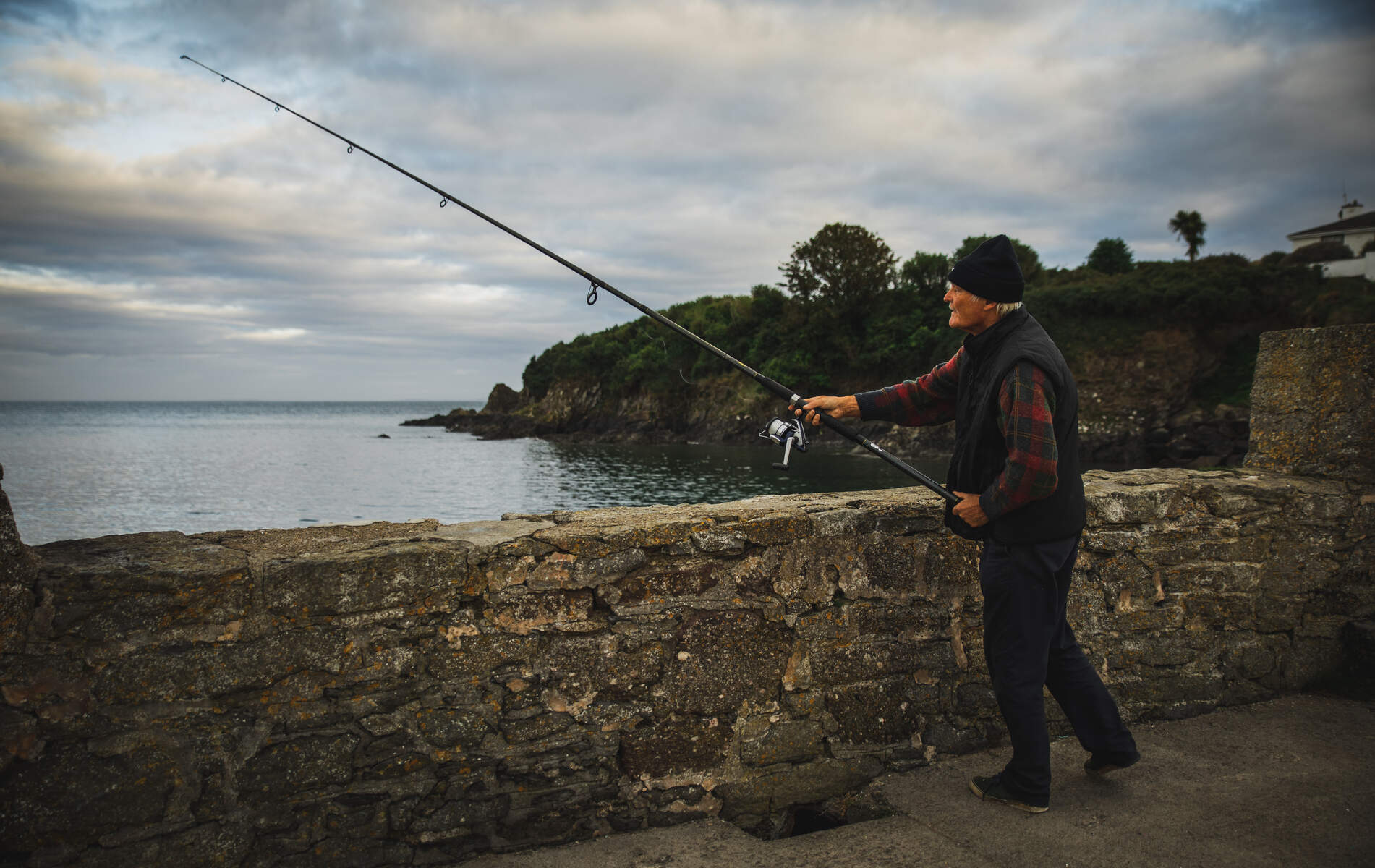
The Rye supports robust brown trout and pike fisheries. Key stretches include:
- Intel stretch (Sandford’s Bridge to Leixlip Aqueduct) – Managed by Intel Ireland Ltd. and leased to the Leixlip & District Angling Association. Access via Kellystown Lane or the towpath beside the aqueduct.
- Open sections near Carton House – Free‑access stretches suitable for fly fishing.
Angling operates under a strict catch‑and‑release policy and Bye‑law No 982 / 2020, allowing only single or double barbless hooks; worms are prohibited. Fly‑only fishing is the norm, with excellent hatches of olives and sedges (sizes 14‑16) and gold‑head wet flies (sizes 12‑16).
| Feature | Details |
|---|---|
| Season | 1 March – 30 September |
| Method | Fly‑only, catch‑and‑release |
| Best Flies | Dry: olives & sedges; Wet: gold‑head patterns |
| Permit | Required – obtain from Leixlip & District Angling Association |
| Typical Catch | Trout ~10 oz, occasional 3 lb specimens |
Wildlife & Nature
The river corridor hosts a variety of wildlife. Kingfishers and grey herons are regular sights along the banks, while the surrounding woodlands support badgers, foxes and a range of songbirds. In spring the banks are carpeted with wild garlic and bluebells, offering a colourful walk for nature lovers.
Cycling & Water Sports
The towpath that runs alongside the Royal Canal forms part of the Royal Canal Towpath – a popular off‑road cycling route that links the Rye to the wider canal network from Dublin to Longford. Cyclists can enjoy gentle gradients and scenic river views.
While the Rye’s rapid flow makes swimming unsafe, the calmer stretch at Carton House lake is suitable for paddle‑boarding and kayaking. Local outfitters on the nearby River Barrow often include the Rye’s lake in their guided trips.
Practical Information
- Access points: Kellystown Lane (Intel stretch), towpath beside the Royal Canal aqueduct, Carton House car park for lake walks.
- Parking: Limited spaces at Carton House (pay‑and‑display) and public car parks in Leixlip town centre.
- Facilities: Picnic tables at Carton House lake, public toilets at Leixlip town centre, and a café near the spa.
- Safety: The river’s fast flow can be hazardous; stay on designated paths and avoid swimming near the aqueduct.
- Permissions: Angling permits must be displayed on the rod; check the latest regulations on the Leixlip & District Angling Association website.
Nearby Attractions
- Carton House
- Castletown House
- Donadea Forest Park
- Maynooth Castle and the historic town of Maynooth
- The broader Royal Canal towpath network for longer cycling or walking routes
Enjoy the Rye River’s blend of natural beauty, historic intrigue and vibrant angling – a quintessential Kildare experience.