

Overview
Roe Valley Country Park stretches along a 3‑kilometre stretch of the River Roe, just south‑west of Limavady in County Londonderry. Managed by the Northern Ireland Environment Agency, the park combines steep‑sided gorges, mature deciduous woodland and flat grassland pockets into a landscape that feels both wild and carefully curated. The river’s rapid rise after heavy rain creates dramatic water‑spouts around the visitor centre, while quieter stretches provide ideal spots for picnics, wildlife watching and gentle riverside strolls.
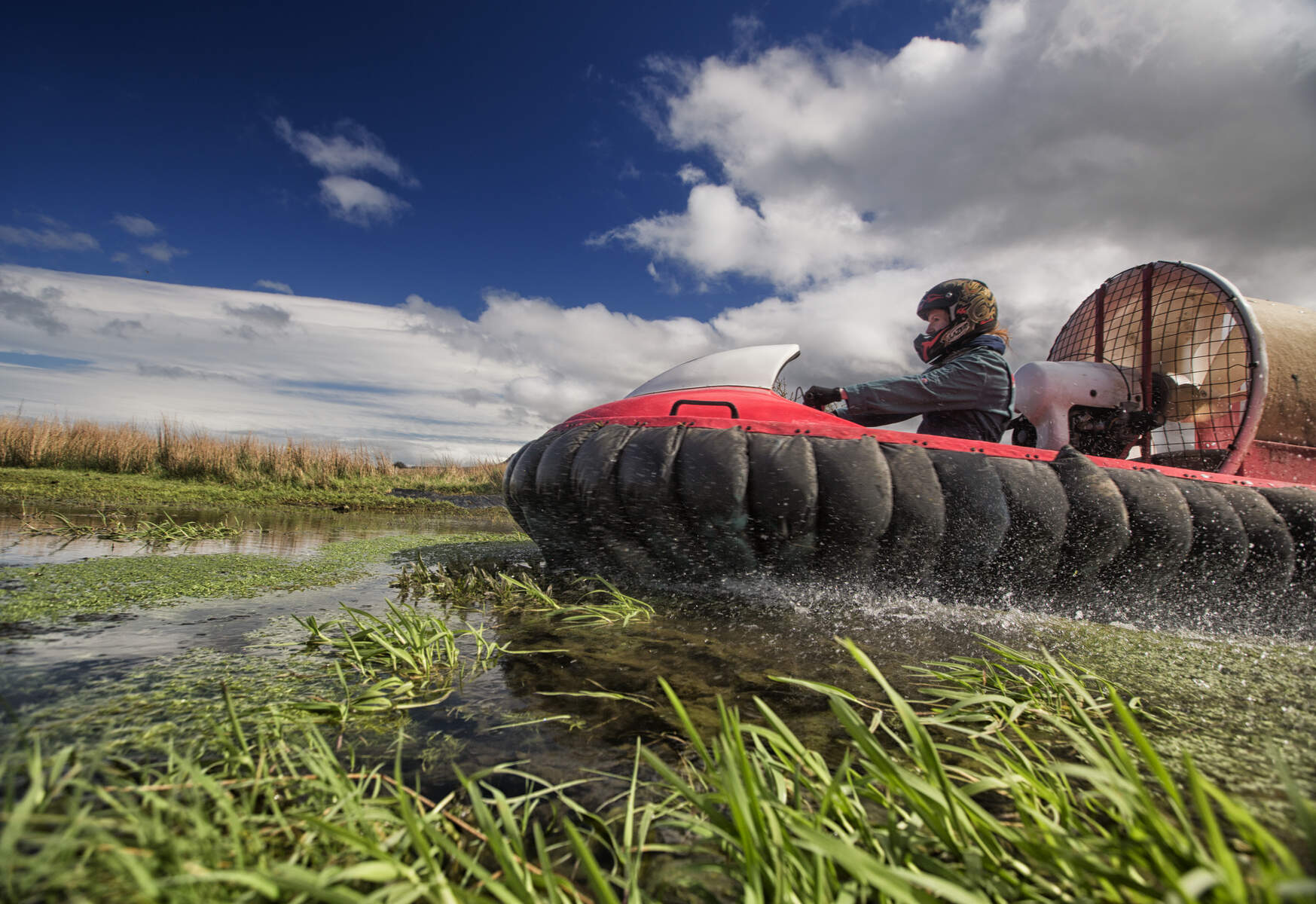
The park is freely accessible year‑round and is equipped with a modern visitor centre, a café called AL’s Coffee, a sensory trail for the visually impaired, and a range of historic artefacts that tell the story of the Roe Valley’s industrial past.
History
The Roe Valley has been a conduit for human activity for centuries. In the 18th century the valley became a hub of the linen industry, a cornerstone of the local economy. Remnants of that era survive as flax‑drying fields, watch‑towers and a restored water‑wheel that once powered the mills. A disused hydro‑electric generating station, commissioned in 1896, marks the valley’s early foray into renewable power.
The Green Lane Museum, housed within the visitor centre, curates artefacts from the linen trade, agriculture and everyday rural life. Its exhibitions give visitors a tangible sense of how the valley’s natural resources shaped the livelihoods of the O’Cahans and other local families. Folklore also enriches the park’s narrative – the legend of the “Black Dog of Limavady” tells of a canine messenger that leapt the river to warn the O’Cahans of danger.
What to See & Do
- River Roe & Water Features – Walk along the well‑maintained riverside path to watch the river plunge through a narrow gorge and over a historic weir. The bridge beside the visitor centre is the only vehicle‑accessible crossing; footbridges at O’Cahan’s Rock, Carrick Mills and Carrick Church link both banks for pedestrians.
- Green Lane Museum – Explore displays on the linen industry, local trades and rural artefacts. The museum is seasonal, closing for winter and reopening around Easter; a quick call to the council can confirm current hours.
- Industrial Heritage – Follow the trail past the derelict mill buildings, the restored water‑wheel and the 1896 hydro‑electric station. Interpretive signs explain how water power drove the valley’s early industry.
- Wildlife Watching – The riverbanks support otters, badgers, foxes and a variety of bird species. A disabled angler’s jetty provides a safe spot for fishing; permits are required for salmon and brown trout.
- Walking Routes – The main circular walk starts at the Dogleap Countryside Centre car park and loops for approximately 3.6 km. The path is mostly flat and firm‑surfaced, hugging the riverbank before crossing a footbridge (steps required). If the steps are a barrier, the route can be enjoyed as an out‑and‑back walk on the same side of the river.
- Café & Picnic Facilities – AL’s Coffee offers hot drinks and light meals daily (10:00‑17:00). Picnic tables and BBQ facilities sit close to the main car park, making it easy to combine a meal with a riverside walk.
- Accessibility Features – The park provides a wheelchair‑accessible café, disabled toilets, a mobility scooter loan from the café building, and a specially designed sensory trail with an audio guide for blind and partially sighted visitors.
Practical Information
Opening hours The park itself is open daily. The visitor centre and café operate from 10:00 to 17:00, while car parks and toilet facilities follow a seasonal schedule:
| Season | Opening | Closing |
|---|---|---|
| October – End February | 08:00 | 16:00 |
| March | 09:00 | 17:00 |
| 4 April – End August | 09:00 | 21:00 |
| September | 09:00 | 17:00 |
All times are subject to review; checking the latest information on the official website is advisable before a visit.
Admission – Entry to the park and its walking routes is free. Museum admission follows the museum’s seasonal schedule and may incur a modest fee; contact the council for details.
Parking – Free parking is available at four locations: the main car park at the Countryside Centre (Dogleap Road), O’Cahan’s car park (Roemill Road), Carrick Mills car park (Ballyquin Road) and Carrick Rocks car park (Drumrane Road). An electric‑vehicle charging point is situated in the main car park.
Accessibility – Most of the circular trail is firm‑surfaced and level. A flight of steps at the midway footbridge and a few gentle ascents are the only significant barriers. If the steps are impassable, walkers can simply turn back at the bridge and complete the route on the same side. Disabled toilets, a wheelchair‑accessible café and a mobility scooter loan are provided on‑site. The sensory trail includes tactile surfaces and an audio guide.
Path closures – As of early 2026, two temporary closures affect the West Bank footbridge (closed 2 March – 30 March) and the Roe Mill footbridge access via wooden steps (closed 23 February – 22 March). Alternative routes remain open; signage in the park directs visitors accordingly.
Getting there The park is 1.8 miles (≈3 km) from Limavady town centre and is reachable by car via the Dogleap Road entrance. Public transport options include local Translink bus services; the nearest major airport is Belfast International Airport, about 38 miles (≈62 km) away, with onward taxi or hire‑car connections.
Contact – For the most up‑to‑date information on museum opening times, event permissions or accessibility queries, email the Northern Ireland Environment Agency at nieainfo@daera-ni.gov.uk.
Nearby attractions – While you’re in the area, consider a short drive to the historic Roe Park Resort Golf Club, the Broighter Gold Économusée, or the iconic Mussenden Temple.

Enjoy the blend of natural beauty, industrial heritage and family‑friendly amenities that make Roe Valley Country Park a standout destination on the north‑west Irish landscape.