
Overview
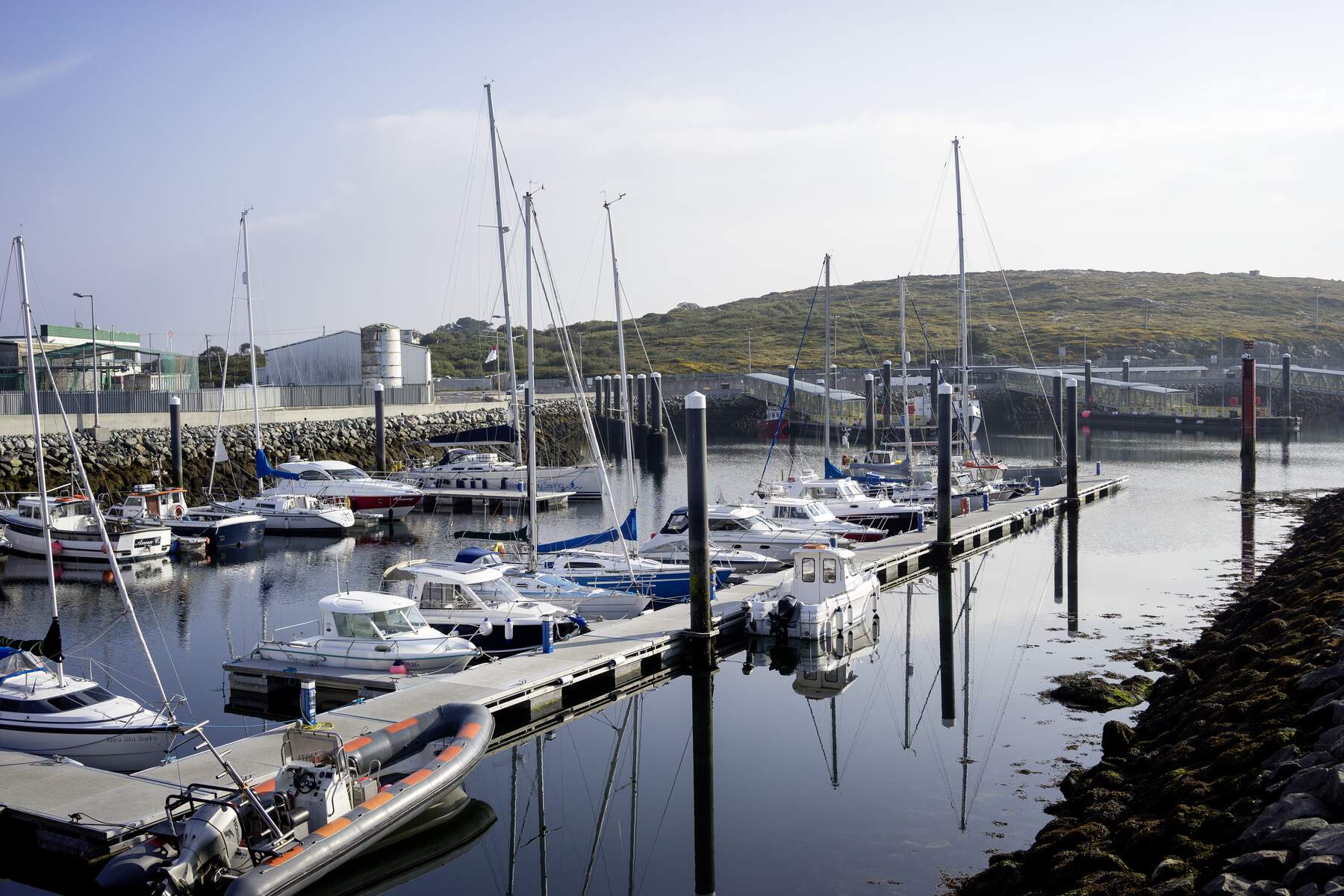
Rogerstown Harbour sits at the mouth of the Rogerstown Estuary on Ireland’s east coast, roughly 25 km north of Dublin. The inlet is a designated nature reserve, a Special Area of Conservation and a Ramsar wetland of international importance. Covering about 3.63 km², the estuary comprises salt‑water marshes, raised salt marsh, wet meadows and a network of riverine shallows and creeks fed by the Ballyboghil River, Corduff Stream and several smaller tributaries. A 19th‑century railway causeway and bridge – built in the 1840s to carry the Dublin‑Belfast line – bisects the water, giving the harbour a distinctive split‑water character.
The surrounding landscape is dominated by the newly‑opened Rogerstown Park, a reclaimed former landfill that was landscaped and reopened in 2019. The park offers sweeping views of the north‑Dublin coastline and the privately owned Lambay Island, home to Ireland’s only wild wallabies. The estuary’s mouth separates the beaches of Portrane and Rush, a narrow channel that, according to local legend, once supported a footbridge before it was dismantled after a series of tragic incidents.
History & Heritage
The estuary has long been a lifeline for the local community, supporting traditional fishing practices that date back centuries. Its strategic position made it a hub for trade and transport, a role cemented when the Dublin‑Belfast railway line was laid across the inlet in the 1840s. The stone bridge and causeway remain a visible reminder of that industrial era, while the surrounding area bears traces of older heritage – ancient stone walls, traditional Irish cottages and the mythic tale of Goban Saor, the legendary son of Tuirbe Tragmar, whose magical axe was said to hold back the sea at “Tuirbe’s Strand”.
In recent decades the focus has shifted from industry to conservation. Designated a statutory Nature Reserve and a candidate Special Area of Conservation under the EU Habitats Directive, the site is now managed primarily for its ecological value. The 2019 transformation of the former Balleally landfill into Rogerstown Park underscores the community‑led effort to restore biodiversity and provide public amenity.
Wildlife Highlights
Rogerstown Harbour is a magnet for wintering wildfowl and migratory waders. The estuary supports an internationally important population of Brent Geese and provides feeding and roosting sites for species such as oystercatchers, curlews, redshanks and dunlins. During the spring and autumn migration periods, birdwatchers can also spot barnacle geese, teal and various gulls. Several hides and observation points are positioned along the marshes, offering unobstructed views of feeding flocks and the occasional raptor.
What to See & Do
Birdwatching Paradise
Rogerstown Harbour is a magnet for wintering wildfowl and migratory waders. Birds arrive from the Arctic, and the estuary supports an internationally important population of Brent Geese together with 14 other species of national importance. Several hides and observation points are positioned along the marshes, offering unobstructed views of feeding flocks and the occasional raptor.
Flat, Family‑Friendly Trails
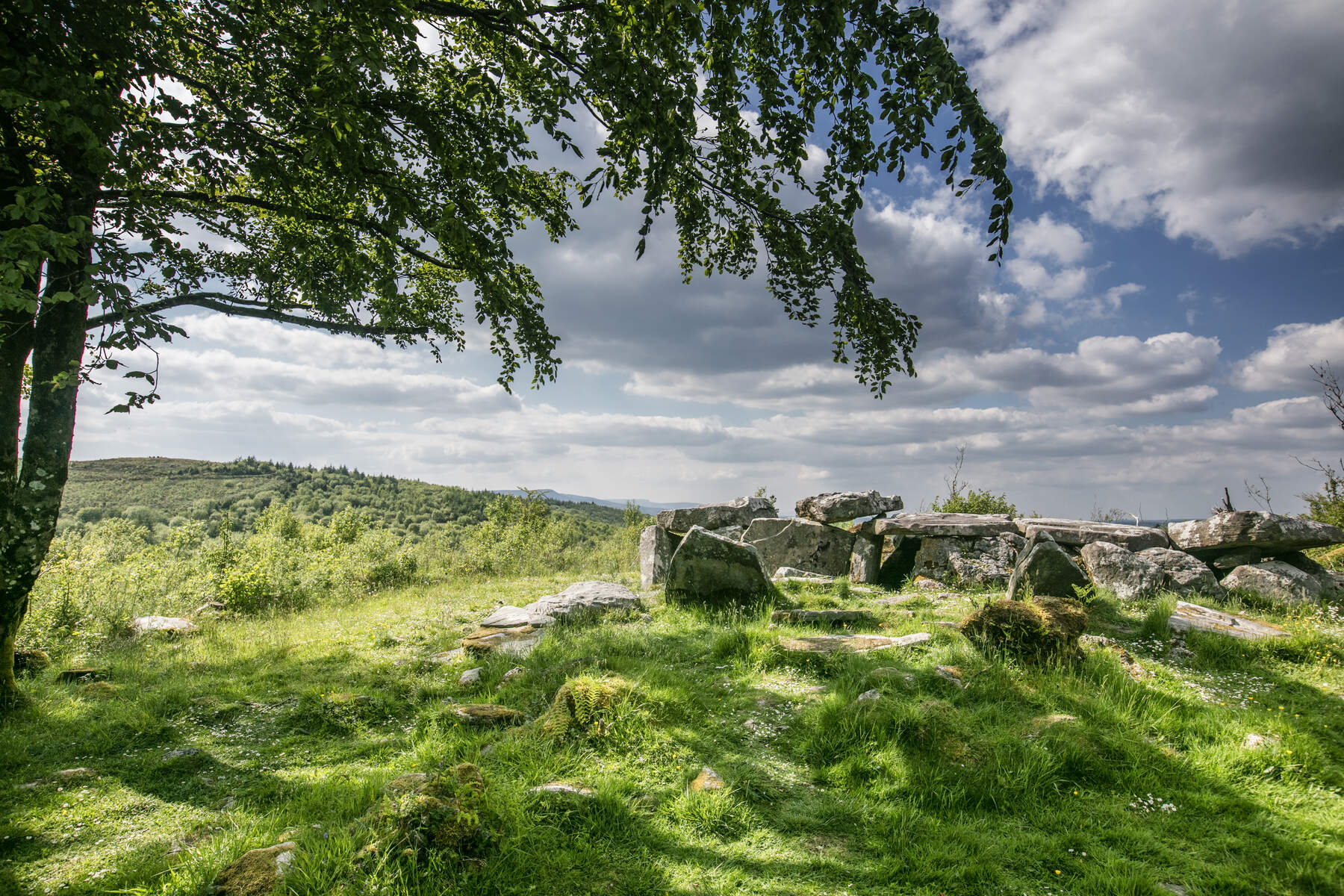
The reserve’s network of well‑maintained, flat trails winds along the water’s edge, making it ideal for families, casual walkers and cyclists. Paths are clearly sign‑posted and feature educational panels that explain the salt‑marsh ecology, the importance of the Ramsar designation, and the cultural history of the area. Dogs are welcome on leads, allowing pet owners to share the experience.
Historical Exploration
Cross the 1840s railway bridge for a glimpse of Victorian engineering, then wander toward the remains of the legendary footbridge on Portrane beach. The story of the bridge’s dismantling after a series of suicides adds a poignant layer to the landscape, while the Goban Saor legend invites a touch of mythic imagination.
Local Culture & Gastronomy
After a walk, head into the nearby town of Rush for a bite at the Harbour Bar, a cosy venue perched on the harbour itself. The menu showcases fresh seafood caught locally, with standout dishes such as chowder and traditional Irish fish pie. The bar’s warm atmosphere and occasional live music provide a perfect end‑to‑day experience.
Navigation & Boating
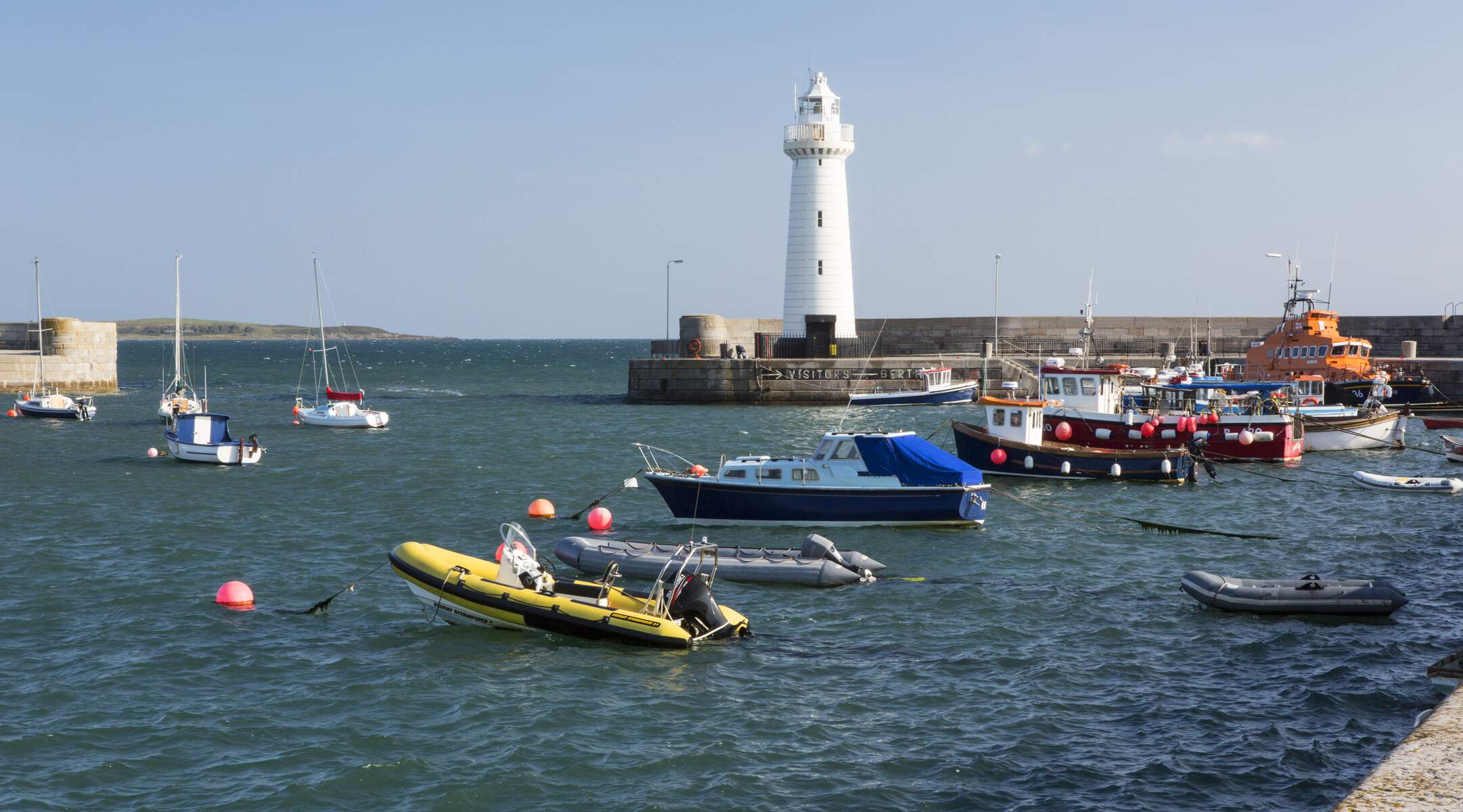
For seasoned sailors, the inlet presents a bar across the entry channel and is best approached by keeled boats a few hours either side of high water. Rush Harbour dries at low tide and features a reef to starboard of the entrance that becomes exposed from half tide onwards. Tidal data mirrors that of nearby Malahide, with a high‑water reference of Dublin + 00 05, mean high water springs at 4.4 m, and mean low water springs at 0.5 m.
Facilities & Accessibility
Rogerstown Harbour is free to access and open year‑round. Parking is available on‑site at Rogerstown Park, with spaces for cars and a small number of disabled bays. Restrooms and picnic tables are situated near the main trailhead, making a family outing convenient. All main paths are level and suitable for pushchairs and wheelchairs, although some of the bird hides involve short steps. Dogs must be kept on a lead to protect nesting birds and the delicate marsh vegetation.
Getting There
The reserve is reachable by car via the R132 from Dublin; the journey takes about 35 minutes. Public transport options include a Dublin Bus service to Rush (e.g., the 33A) followed by a short taxi or a brief walk to the park entrance. There is no dedicated visitor centre, so no advance booking is required, but checking the tide tables before planning a boat approach is advisable.
Seasonal Highlights
Winter (November to February) offers the richest birdwatching, with the peak numbers of Brent Geese and other waders. Spring and early summer bring a burst of wildflowers across the salt‑marsh meadows and provide opportunities to see breeding birds such as lapwings. The clear, calm days of late summer are ideal for family walks and picnics.
Nearby Attractions
While exploring Rogerstown Harbour, consider visiting other north‑Dublin highlights:
- Balbriggan – a coastal town with a long promenade and a historic harbour.
- Ardgillan Castle – set in a large parkland estate, offering gardens, a café and seasonal events.
- Howth – the nearby fishing village with the iconic Bailey Lighthouse and cliff walks.
- Malahide – a charming seaside town with a castle, marina and a range of cafés.
- Portrane Beach – for a quiet stretch of sand and the remains of the legendary footbridge.
These sites can be combined into a full‑day coastal itinerary, making the north‑Dublin coastline a rewarding area for walkers, cyclists and wildlife enthusiasts alike.
Practical Information
Rogerstown Harbour is free to access and open year‑round. Parking is available on‑site at Rogerstown Park, with spaces for cars and a small number of disabled bays. Restrooms and picnic tables are situated near the main trailhead, making a family outing convenient. Dogs must be kept on a lead to protect nesting birds and the delicate marsh vegetation.
The reserve is reachable by car via the R132 from Dublin; the journey takes about 35 minutes. Public transport options include a bus to Rush followed by a short taxi ride. No advance booking is required, but checking the tide tables before planning a boat approach is advisable. For detailed navigation charts, refer to the AC44 Nose of Howth to Ballyquintin Point series (chart SC5621) available through the Irish Hydrographic Office.