
Overview
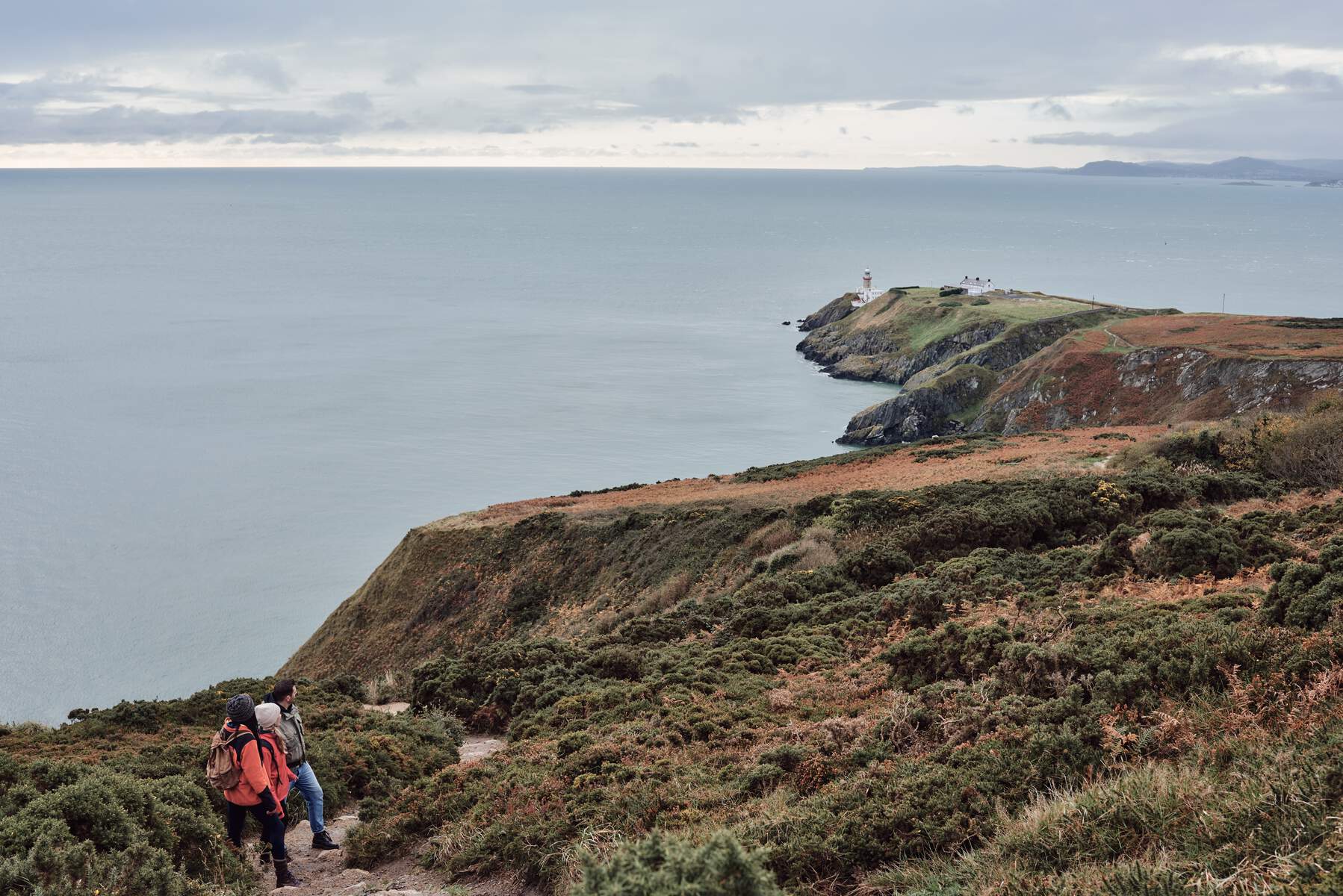
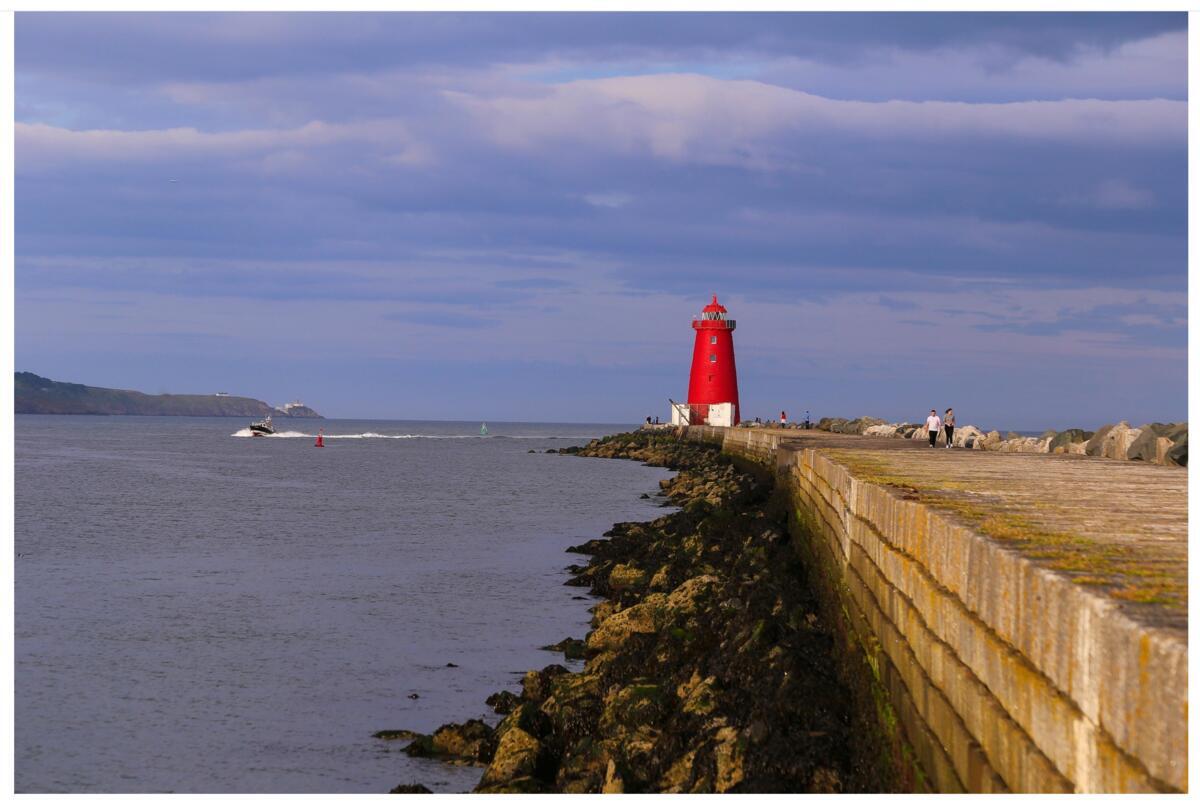
Sandymount lies on the south side of Dublin Bay, only 3–4 km from the city centre. The suburb blends a relaxed village atmosphere with easy urban access and boasts a 2.5 km promenade that follows Sandymount Strand, a tidal sandflat forming part of the Dublin Bay Biosphere Reserve. From the promenade you can enjoy uninterrupted sea views of Poolbeg Lighthouse, the iconic chimneys, Howth Head and Dun Laoghaire. The walk links the beach to the Merrion Gates, providing a seamless route to neighbouring districts such as Ballsbridge and Mount Merrion.
Historical Development
The land that became Sandymount was granted in 1381 to John Fitzwilliam, Lord Merrion. The Fitzwilliam estates passed to the Earl of Pembroke in 1833. In the 18th century the area was a brick‑making settlement known as Brickfield Town. The arrival of the Dublin‑to‑Kingstown railway in 1834 – Ireland’s first railway line – spurred rapid growth, turning Sandymount into a fashionable seaside resort by the 1820s. The construction of the Sandymount Martello Tower in 1804, the Victorian baths (1883) and the 75‑metre pier with a bandstand cemented its reputation as a leisure destination for Dublin’s well‑to‑do citizens.
Literary Connections
Sandymount’s literary fame rests on James Joyce, who stayed briefly in Dromard Terrace on 16 June 1904 – the very day he began work on Ulysses. Two episodes of the novel are set on the strand: the “Nausicaa” scene where Leopold Bloom watches Gerty MacDowell, and the “Hades” funeral procession that passes the nearby church. A bronze bust of W. B. Yeats, who was born on Sandymount Avenue, stands on Sandymount Green, reinforcing the area’s poetic heritage.
Walking Trail Details
Dublin City Council, in partnership with Sandymount TidyTowns, produced a 5 km circular walking‑trail map (2021). The route starts at Sandymount Green, loops northwards past the River Dodder, reaches the Martello Tower, continues along the promenade, and returns via Park Avenue. Way‑points highlight the tram‑era cottages on Gilford Terrace, St Mary’s Star of the Sea Church, and the Gandon‑designed Roslyn Park villa. The guide is available as a PDF here.
Events & Festivals
- Bloomsday (16 June) – Literary fans gather on the strand for readings and performances celebrating Joyce’s Ulysses.
- Guided Heritage Walks – organised by the council’s walking‑group programme (www.letswalkandtalk.ie) during spring and autumn migration peaks.
- Summer Concerts (historical) – although the original bandstand was demolished in 1920, occasional pop‑up music events still take place on the promenade during warm evenings.
Architecture & Heritage
- Sandymount Green – Laid out as a public park in the early 1800s, it features a bronze bust of W. B. Yeats and horse‑chestnut trees planted by the Corbet family in the 19th century.
- Sandymount Castle – A castellated red‑brick house that anchors the village skyline and reflects the area’s Georgian residential character.
- Roslyn Park – An elegant 18th‑century villa on Newgrove Avenue, designed by James Gandon for the landscape painter William Ashford.
- St Mary’s Star of the Sea Church – Built in 1853 by J. J. McCarthy of the Pugin neo‑Gothic school; its rose‑window and stained‑glass by Evie Hone are notable.
- Gilford Terrace Cottages – Built in 1894 for tramway workers; they remain a rare example of purpose‑built workers’ housing in Dublin.
- Martello Tower – The tower is a prominent coastal landmark but is not open to the interior; visitors can view it from the promenade.
- Architectural Conservation Area – The village core, including the Green, the promenade and surrounding streets, is protected to preserve its historic streetscape.
Sports & Events
Sandymount is a hub for a variety of clubs:
- Cricket – YMCA, Pembroke and Railway Union clubs use the grounds on Park Avenue.
- Rugby – Monkstown Rugby Club and Railway Union Rugby.
- Hockey & Badminton – Pembroke Wanderers and local community facilities.
- Parkrun – A free, weekly 5 km run takes place in Sean Moore Park, attracting families and fitness enthusiasts.
The Aviva Stadium, situated a short walk from the promenade, offers guided tours year‑round (booking via the stadium’s official site). The stadium, originally founded in 1872 as Lansdowne Football Club’s ground, was rebuilt in 2010 and hosts Ireland’s rugby and football internationals as well as major concerts.
Community & Facilities
- Public Toilets – Available near the historic baths at the southern end of the promenade and at the north‑end near the Martello Tower.
- Parking – Limited along the promenade; the nearest public car parks are Merrion Gates Car Park (off Merrion Road) and Sandymount Village Car Park on the north side of the Strand.
- Dog Walking – Dogs are welcome year‑round but must be kept on a lead and away from the nesting areas near Cockle Lake during the breeding season (April‑July).
- Cafés & Shops – Sandymount Green and the village centre host several independent cafés, bakeries and pubs offering coffee, fresh seafood and traditional Irish fare.
- Community Groups – Sandymount TidyTowns runs clean‑up events and shares updates on its Facebook page (sandymount.tidytowns).
Getting There
Sandymount is well served by public transport. The DART stations Sandymount and Lansdowne are a short walk from the promenade, providing frequent connections to Dublin city centre, Dalkey and Bray. Dublin Bus routes 1, 18 and 47 pass through the area, linking the suburb to the city centre, Ranelagh and the coastal villages of Dalkey and Killiney. For cyclists, the Dublin Bay Greenway runs alongside the promenade, offering a traffic‑free route to the city and to the south‑eastern suburbs.
Nature & Wildlife
Sandymount Strand forms part of the Dublin Bay UNESCO Biosphere Reserve, recognised for its intertidal habitats and importance to migratory birds. In winter the strand supports internationally important numbers of Brent Goose, Shelduck, Grey Plover, Ringed Plover and Black‑tailed Godwit. From late August to early September, roosts of Common, Arctic, Sandwich and Roseate Terns gather on the sand. The nearby Merrion Gates area provides feeding grounds for waders and a view of the tidal inlet known locally as “Cockle Lake”.
What to See & Do
- Sandymount Strand – A vast intertidal sandflat ideal for leisurely walks, jogging, cycling and dog‑walking. The flat six‑kilometre loop offers constant sea vistas and occasional glimpses of the tidal inlet known locally as “Cockle Lake”.
- Martello Tower – Exterior viewing point; climb is not permitted, but the tower remains an iconic photo spot.
- Awaiting the Mariner (An Cailín Bán) – This bold, red‑hued sculpture greets walkers at the northern end of the promenade and makes a striking cultural landmark.
- Gallan Gréine & Solstice Stone – Explore the sundial and, on 21 December, watch the winter‑solstice sunrise line up over Killiney Hill.
- Historic Baths Remains – The concrete basin offers a quiet place for contemplation and a glimpse into Victorian leisure culture.
- Sandymount Green – A triangular park surrounded by historic houses, featuring a bust of W. B. Yeats and several cafés perfect for a coffee break.
- Bird‑watching – The strand and the Merrion Gates area host internationally important numbers of wildfowl and waders in winter, including Brent Goose, Shelduck, Grey Plover, Ringed Plover, Black‑tailed Godwit and a roost of Mediterranean Gulls. Evening roosts of Common, Arctic, Sandwich and Roseate Terns gather from late August to early September.
- Sporting & Community Activities – Cricket, Gaelic football (Clanna Gael Fontenoy), rugby (Monkstown), hockey (Pembroke Wanderers) and badminton (Epworth). The local parkrun in Sean Moore Park adds a community fitness element.
- Literary Landmarks – Follow Joyce’s footsteps on the strand and pause at the Yeats bust for a moment of poetic reflection.
Practical Information
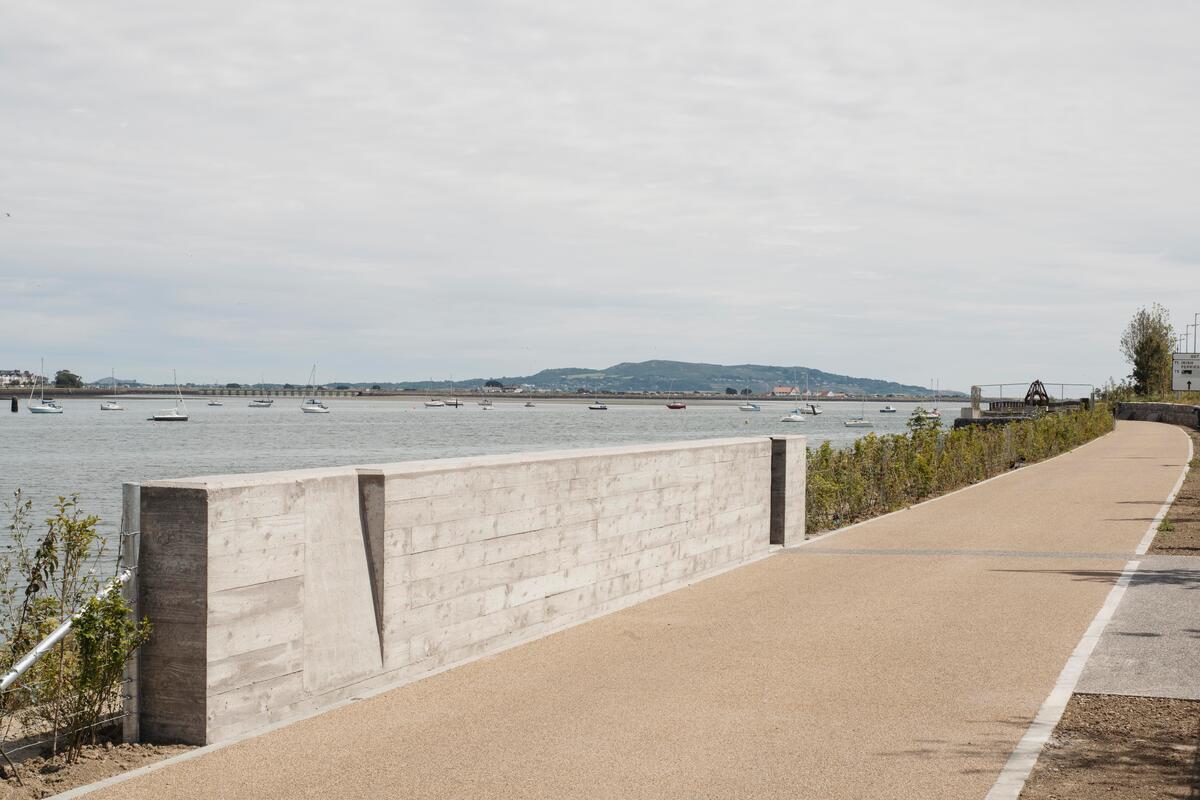
Transport – DART stations Sandymount and Lansdowne; Bus routes 1, 18, 47 (plus 4, 7, 46A, 145 as alternatives). The Dublin Bay Greenway provides a traffic‑free cycling route.
Tide safety – The tide comes in quickly, especially near the Merrion Gates and Cockle Lake. Keep a safe distance from the water’s edge and heed any local warning signs.
Facilities – Restrooms are available near the historic baths and at the southern end of the promenade. A seasonal café operates outside the Martello Tower, and numerous cafés line Sandymount Green.
Dog policy – Dogs are permitted but must be on a lead and away from nesting areas during the breeding season (April‑July).
Enjoy Sandymount’s blend of natural beauty, historic charm and vibrant community life – all just a short ride from Dublin’s bustling heart.