
Overview
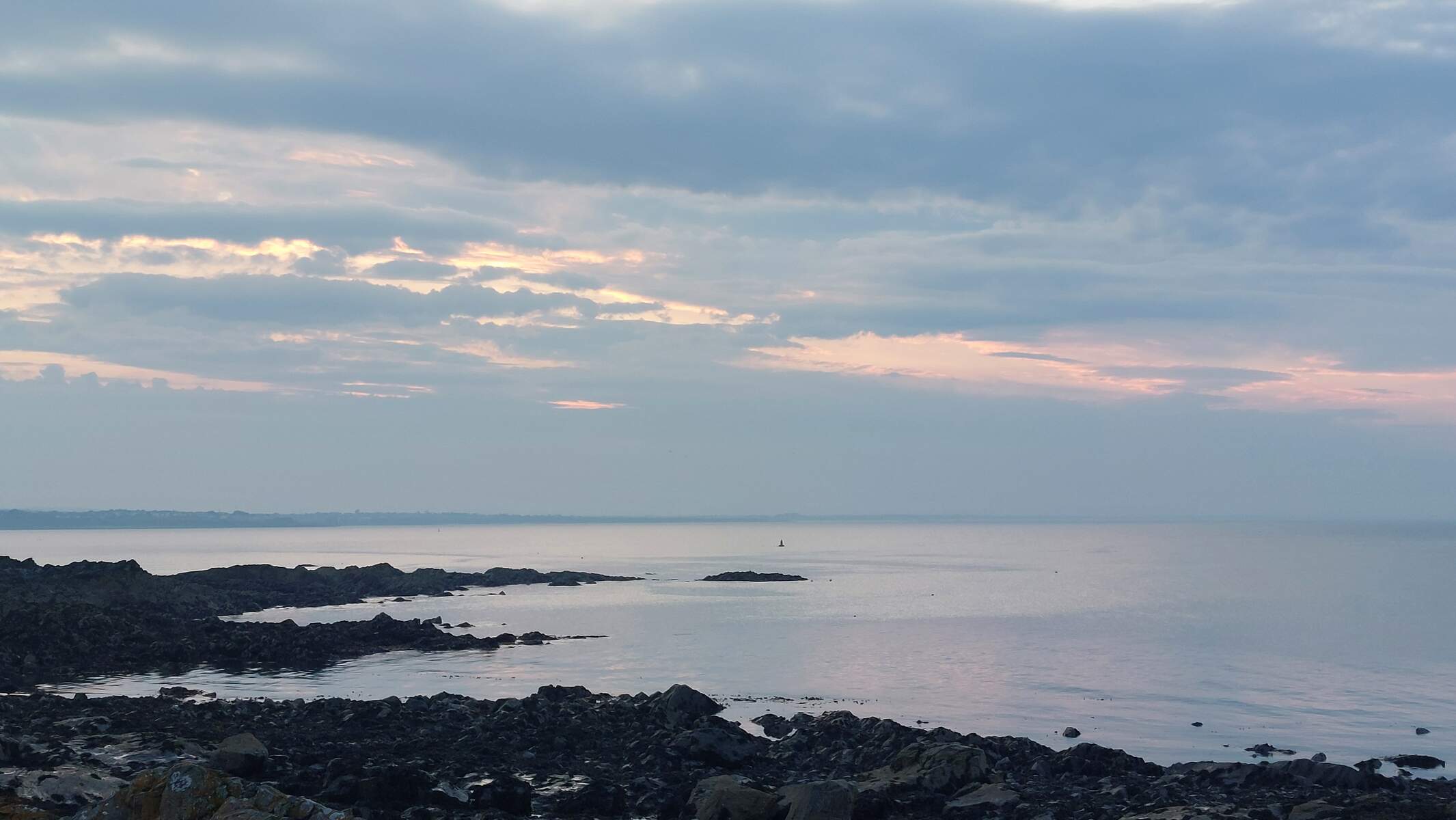
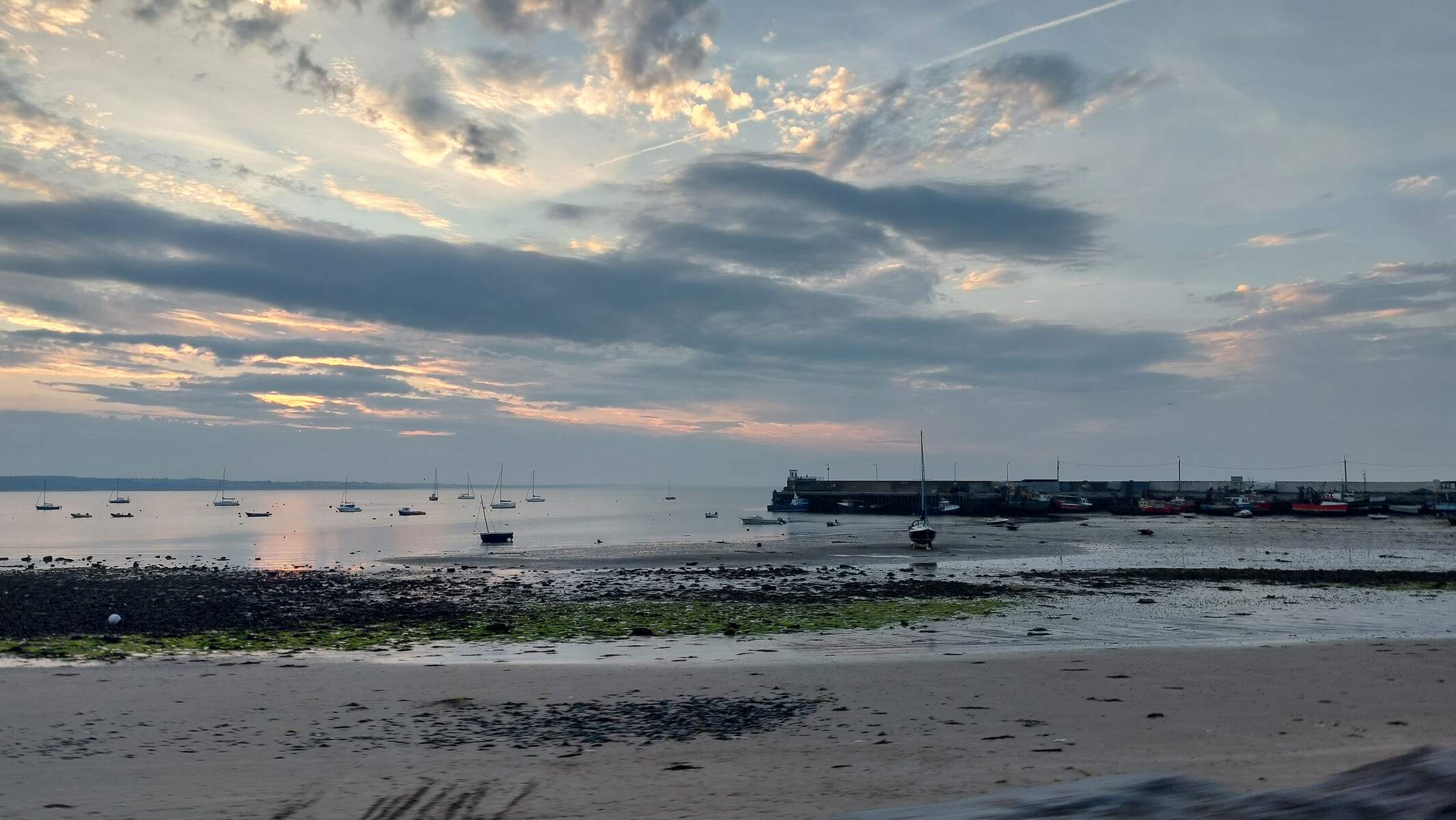
Just a short ferry ride or a low‑tide stroll from the north‑Dublin seaside town of Skerries lie three small islands that together form the Skerries Islands – Shenick, St Patrick’s and Colt. Though modest in size, the islands pack a punch of history, wildlife and dramatic sea‑views. Shenick, the largest, bears a 19th‑century Martello tower built to deter a Napoleonic invasion. St Patrick’s holds the stone remnants of an early‑Christian church, reputedly linked to the saint’s first landing in Ireland. Colt is a low‑lying rocky outcrop that adds to the dramatic silhouette of the archipelago.
History & Background
The name Skerries derives from the Norse word skere, meaning “rocky islands”, a reminder of the Viking presence that shaped the whole coastline. The three islands were strategically important for centuries. Shenick Island received its name from the Irish sionnach (fox) and was fortified with a Martello tower in the early 1800s – a stout, round stone structure that still offers panoramic views of Dublin Bay. St Patrick’s Island hosts the ruins of a 5th‑century monastic settlement, a tangible link to the early Christian era and to the legend that St Patrick himself set foot here. Colt Island has no built heritage but contributes to the natural barrier that shelters Skerries Harbour.
What to See & Do
| Island | Main Feature | Highlights |
|---|---|---|
| Shenick | Martello tower | Climb the tower for sweeping sea vistas; walk the tidal path at low tide to the island’s beach. |
| St Patrick’s | Early‑Christian church ruins | Explore the stone foundations and imagine the monks who once lived here. |
| Colt | Natural rock formation | Ideal for photography of the rugged coastline. |
Birdwatching – a Special Protection Area
The islands are designated a Special Protection Area (SPA) for seabirds. The surrounding waters host a variety of species, many of which nest on the islands during spring and summer. Notable birds include:
| Species | Scientific Name |
|---|---|
| Cormorant | Phalacrocorax carbo |
| Shag | Phalacrocorax aristotelis |
| Light‑bellied Brent Goose | Branta bernicla hrota |
| Purple Sandpiper | Calidris maritima |
| Turnstone | Arenaria interpres |
| Herring Gull | Larus argentatus |
Early‑morning visits increase the chance of spotting feeding flocks, especially during migration periods.
Getting Close – Walks and Boat Tours
- Low‑tide walk to Shenick – When the tide recedes (check local tide tables), a sand‑filled causeway appears, allowing a short walk from the Red Island promenade to Shenick’s beach. The walk is roughly 500 m and is suitable for families with older children.
- Skerries Sea Tours – The local operator runs seasonal trips that include the Skerries Islands as part of a broader coastal itinerary. Their website lists daily departures in summer, with commentary on the islands’ history and wildlife. Bookings are recommended during peak months.
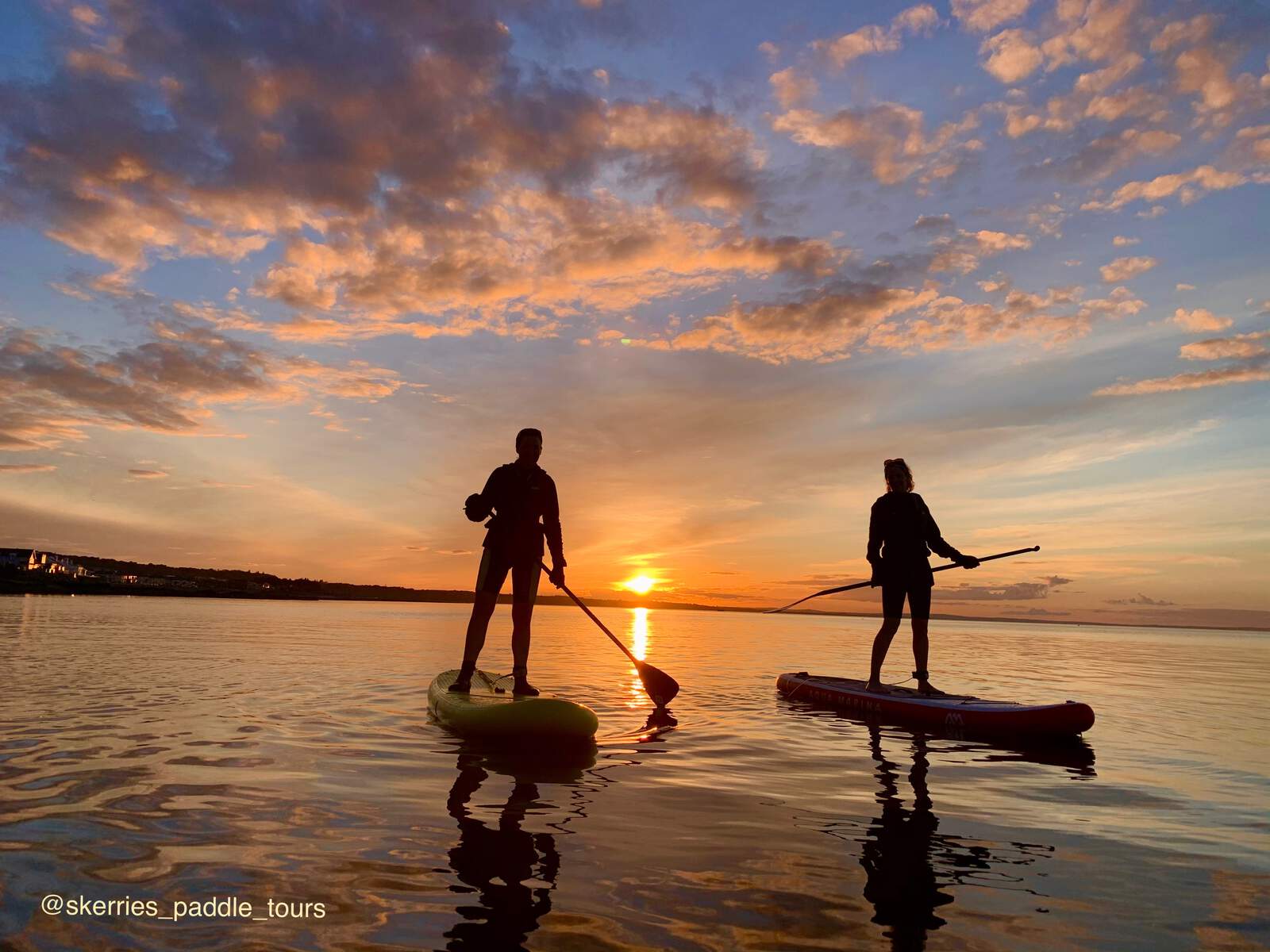
- Kayak or SUP – Independent paddlers can launch from Skerries Harbour and glide alongside the islands, offering a unique perspective of the Martello tower’s silhouette against the water.
Practical Information
How to Reach Skerries
- By train – Dublin Pearse or Connolly stations connect to Skerries on the Dublin‑Belfast line (30‑40 min). Trains run every half‑hour.
- By bus – Bus Éireann route 101 and Dublin Bus 33 serve the town, stopping near the harbour.
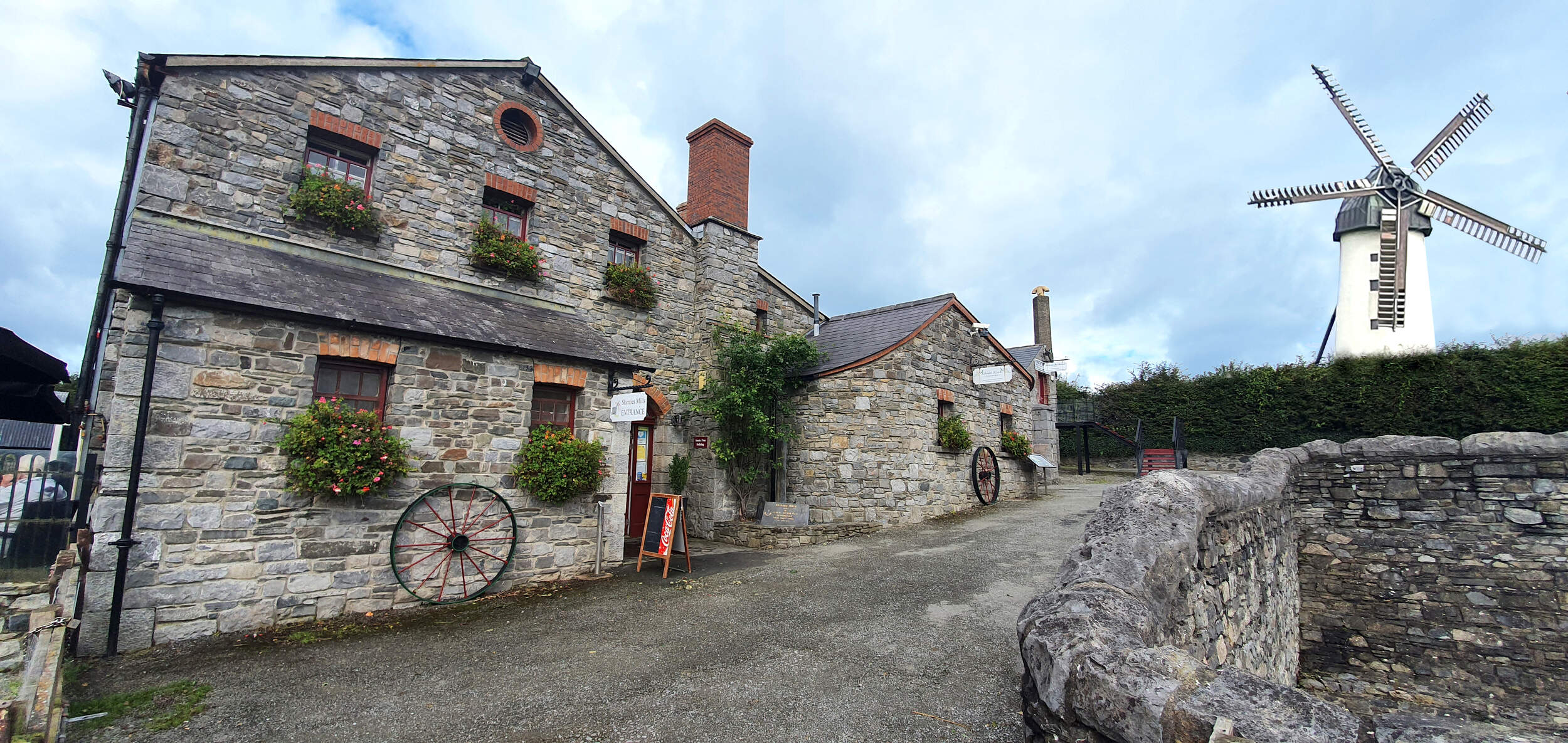
- By car – The M1 motorway (exit 4 for Lusk/Rush/Skerries) brings you within minutes of the harbour. Parking is free in the town centre and at the Mill complex.
Visiting the Islands
- Access – Shenick is reachable on foot at low tide; St Patrick’s and Colt are best viewed from a boat. There is no admission fee for the islands themselves.
- Tide information – Consult the Irish Marine Forecast or local tide tables (available at the harbour office) to plan the walk safely.
- Boat tours – Skerries Sea Tours offers a 1‑hour‑15‑minute trip that includes the Skerries Islands, Rockabill Lighthouse and Lambay Island. Prices are listed on their site; advance booking is advised in July‑August.
- Facilities – The harbour provides restrooms, a small café, and a sheltered waiting area. No on‑site facilities exist on the islands, so bring water and sun protection.
- Accessibility – The tidal walk involves uneven sand and occasional rocks; it is not wheelchair‑friendly. Boat tours are accessible for most mobility levels, but confirm with the operator if you have specific needs.
Seasonal Highlights
- Summer (June‑August) – Longer daylight hours make the low‑tide walk feasible; boat tours run daily, and bird activity peaks.
- Spring (April‑May) – Migratory birds arrive, offering excellent birdwatching opportunities.
- Winter – The islands remain accessible by boat, though the walk may be unsafe due to higher tides and stronger winds.
Nearby Attractions
While exploring the Skerries Islands, consider a short drive to Ardgillan Castle. Set in a coastal park with woodland walks, formal gardens and a beach, the castle makes a pleasant complement to a day spent on the islands.
Useful Contacts
- Skerries Sea Tours – Phone: +353 1 123 4567 (check website for the latest number)
- Skerries Harbour Office – Provides tide tables and local maps.