
Overview
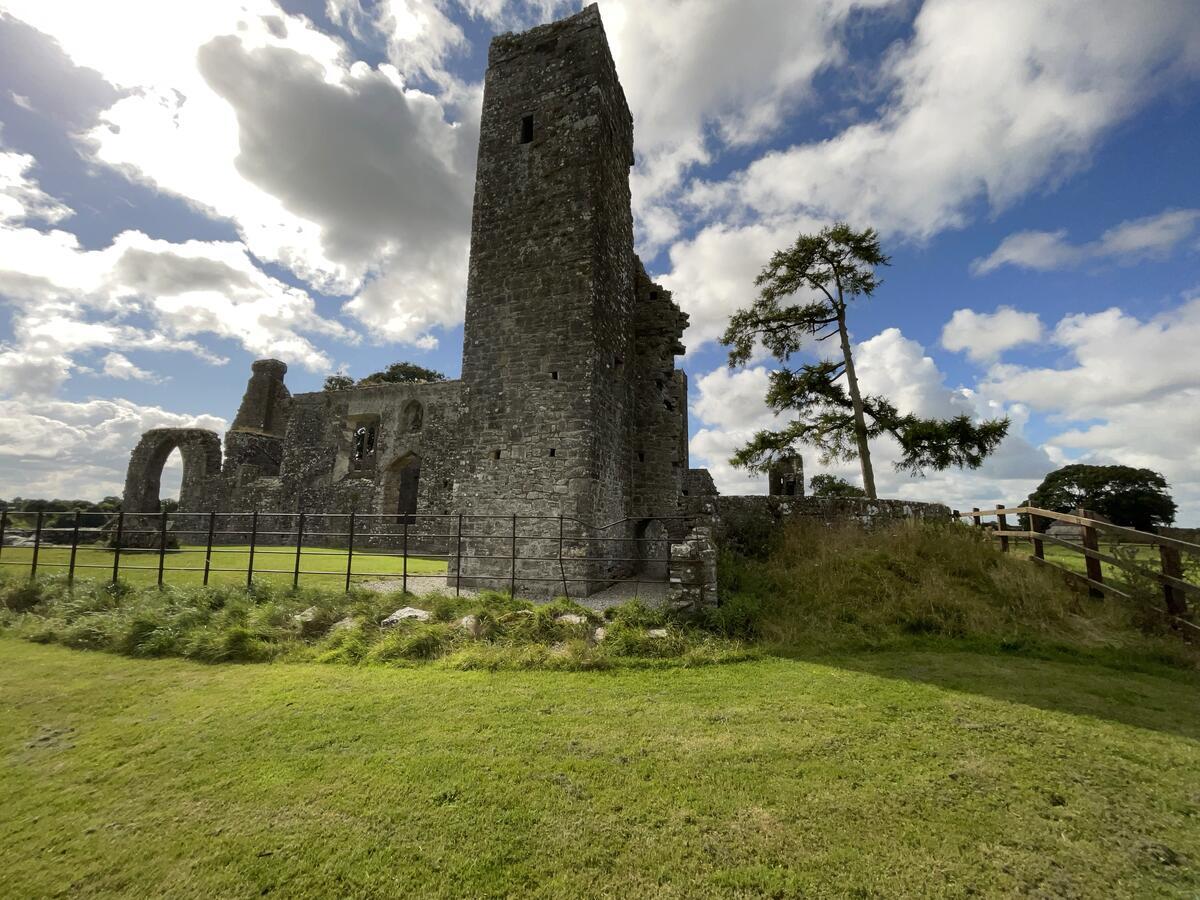
Nestled in the newly refurbished Schoolhouse on Main Street, Ballinrobe, the South Mayo Family Research Centre (SMFRC) is the gateway for anyone eager to uncover the stories of their South Mayo ancestors. Part of the Irish Family History Foundation’s network, the centre boasts a digitised collection of over one million records spanning church, civil and social documents. Whether you are a seasoned genealogist or a curious visitor on a short break, the centre offers a welcoming, professional environment where the past comes alive.
History & Background
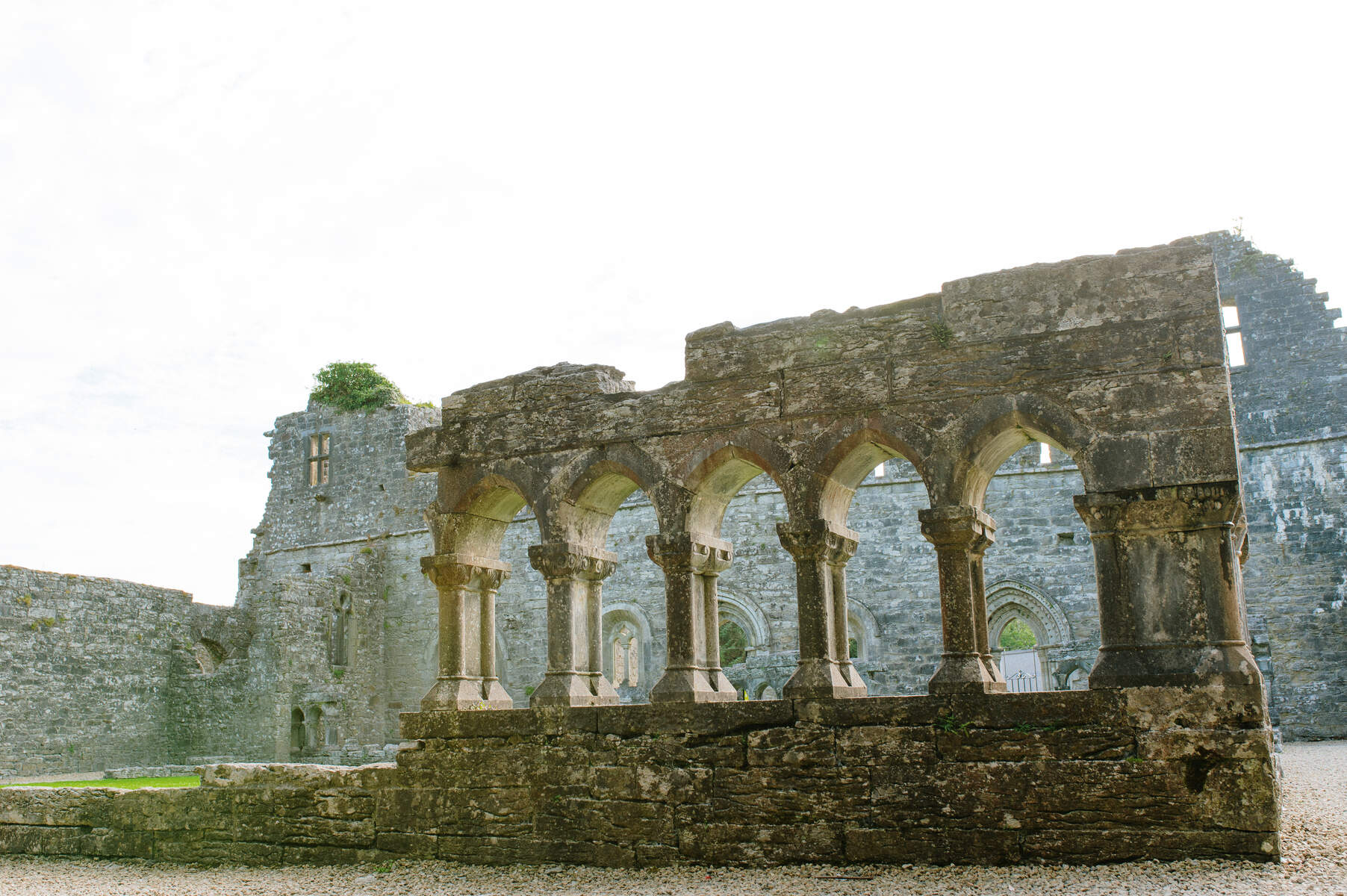
The centre’s prominence is rooted in the dramatic emigration from South Mayo during and after the Great Famine. This historic out‑migration created a high demand for records that could reconnect families with their Irish origins. As a result, SMFRC has become one of the busiest nodes in the national genealogical network.
Key milestones include:
- Early records: Roman Catholic registers dating back to 1791, Church of Ireland documents from 1744, Presbyterian entries from 1819, and Methodist records from 1829.
- Civil documentation: Birth and death registers beginning in 1864, non‑Roman Catholic marriages from 1845, and Roman Catholic marriages from 1864.
- Expanded sources: Tithe Applotment Books, Griffith’s Valuation of Tenements, 1901 and 1911 Census returns, RIC Police Indexes, lists of emigrants and migrants, old‑age pension census search forms, local newspaper abstracts, court and prison records, as well as property records and gravestone inscriptions.
- Modern services: The centre now offers individually researched Family History Reports, a service that has attracted international media attention – a report was recently presented to a New York Times op‑ed writer.
The centre also plays a role in preserving Ballinrobe’s broader heritage. In 2009 the Ballinrobe Archaeological and Historical Society was founded by researcher Averil Staunton, Gerard Delany (Director of SMFRC) and local librarian Mary Farragher. The society works to digitise and archive historic photographs, calendars and oral histories of the town and its surrounding townlands.
What to See & Do
Dive into the Records
Visitors can explore a wealth of primary sources on site. The digitised collections are searchable on dedicated terminals, allowing you to trace lineage back to the 18th century. The centre’s staff are trained to assist with navigating the databases, interpreting old handwriting and understanding the context of each record type.
Commission a Personalised Report
If you prefer a curated narrative, the centre’s team of professional genealogical researchers will compile a Family History Report tailored to your family tree. The report includes facsimiles of original documents, maps pinpointing ancestral homesteads, and insightful commentary on surnames, occupations and social conditions of the era. To start, simply complete the application form available on the centre’s website or via the dedicated portal at www.mayoroots.com.
Learn About South Mayo’s Social History
Beyond individual families, the centre provides broader insights into the social fabric of South Mayo. Exhibits and printed material outline the region’s emigration patterns, agricultural life, and the impact of the famine, giving visitors a richer understanding of the forces that shaped their ancestors’ lives.
Community & Training Scheme
The South Mayo Family Research Centre partners with the Mayo Sligo Leitrim Education and Training Board (ETB) to run a successful training scheme. Dozens of participants have gained employment in archival research, data entry and heritage interpretation through this programme, reinforcing the centre’s role as both a research hub and a community employer.
Notable Visitors
In August 2024 the centre welcomed a surprise visit from Hilary Benn, Secretary of State for Northern Ireland, and his wife Sally. During their brief stay the staff discussed the Benn family’s South Mayo roots and highlighted the centre’s capacity to trace connections that span continents and centuries.
Practical Information
| Detail | Information |
|---|---|
| Address | Main Street, Ballinrobe, Co. Mayo, Ireland |
| Phone | +353 94 954 1214 |
| soumayo@iol.ie | |
| Website | https://www.discoverireland.ie/mayo/south-mayo-family-research-centre |
| Admission | Free for on‑site database access |
| Accessibility | Wheelchair‑accessible research rooms and restrooms |
| Parking | Free parking in Ballinrobe’s main car parks on Main Street; check for any time‑restricted zones or fees |
Opening Hours
The centre typically welcomes walk‑ins during standard business hours, but exact opening times can vary seasonally. Please call ahead (+353 94 954 1214) or check the website for current hours.
Getting There
Ballinrobe lies on the N84, a short drive from the coastal towns of Westport and Cong. Public transport options include Bus Éireann routes connecting Ballinrobe to larger hubs such as Castlebar and Galway. Once in town, the centre is a short walk from the main street parking areas and the historic core, making it easy to combine a research session with a stroll through Ballinrobe’s charming streets.
Booking & Fees
While casual browsing of the on‑site databases is free, the Family History Report service is a paid offering. Prices vary depending on the depth of research required; prospective clients should request a quotation via the online application form on the website or by phone. No admission fee is charged for general access to the centre’s facilities.
Nearby Attractions
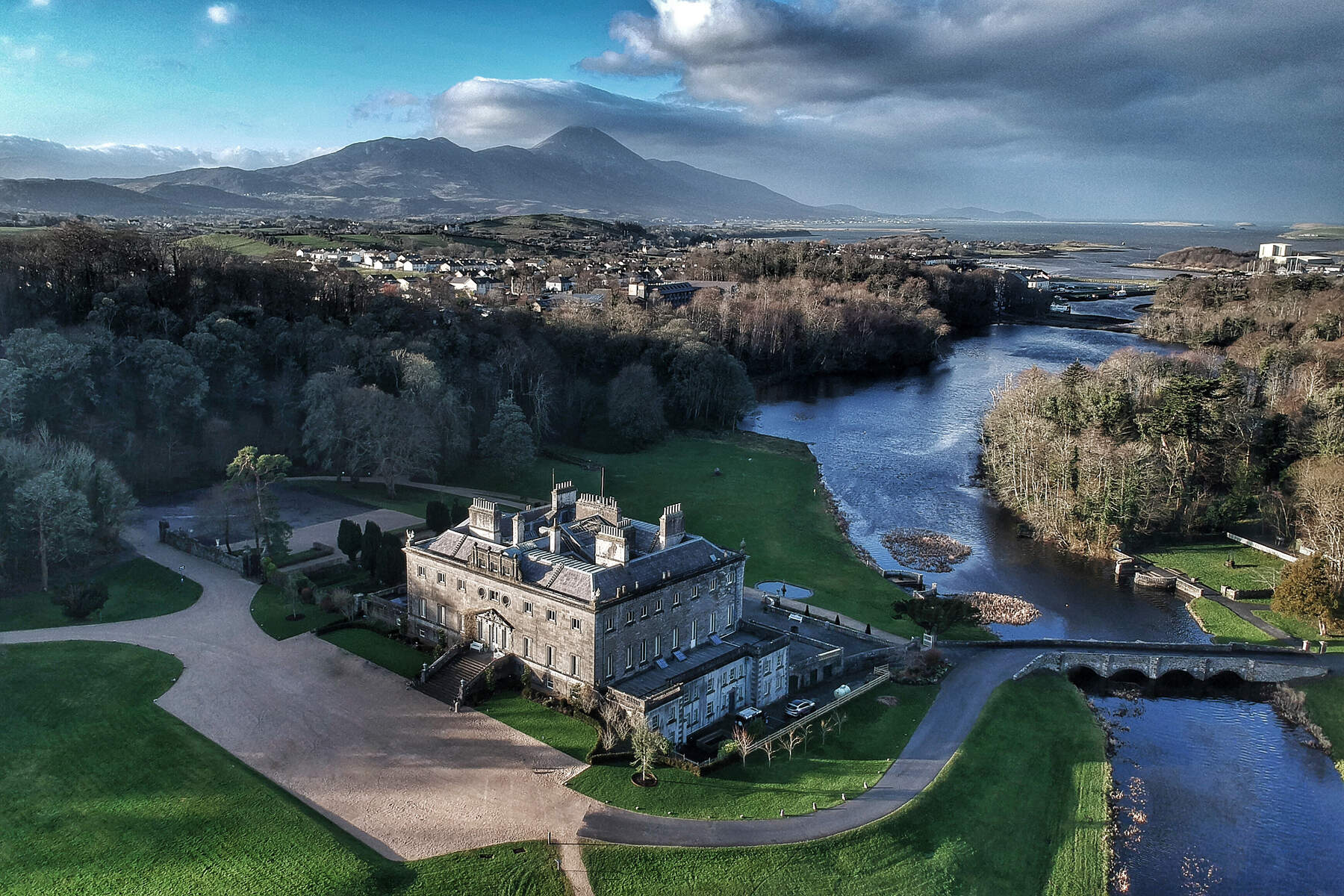
A visit to SMFRC can be paired with other Mayo highlights. The Marian Shrine at Knock, the pilgrimage site on the “holy mountain,” lies about 30 km north. To the south, Croagh Patrick offers a dramatic pilgrimage climb, while the Ceide Fields provide a glimpse into Neolithic life. In Ballinrobe itself, the 14th‑century Augustinian Priory and the scenic Lough Mask are within walking distance, allowing you to blend genealogical discovery with cultural exploration.