Overview
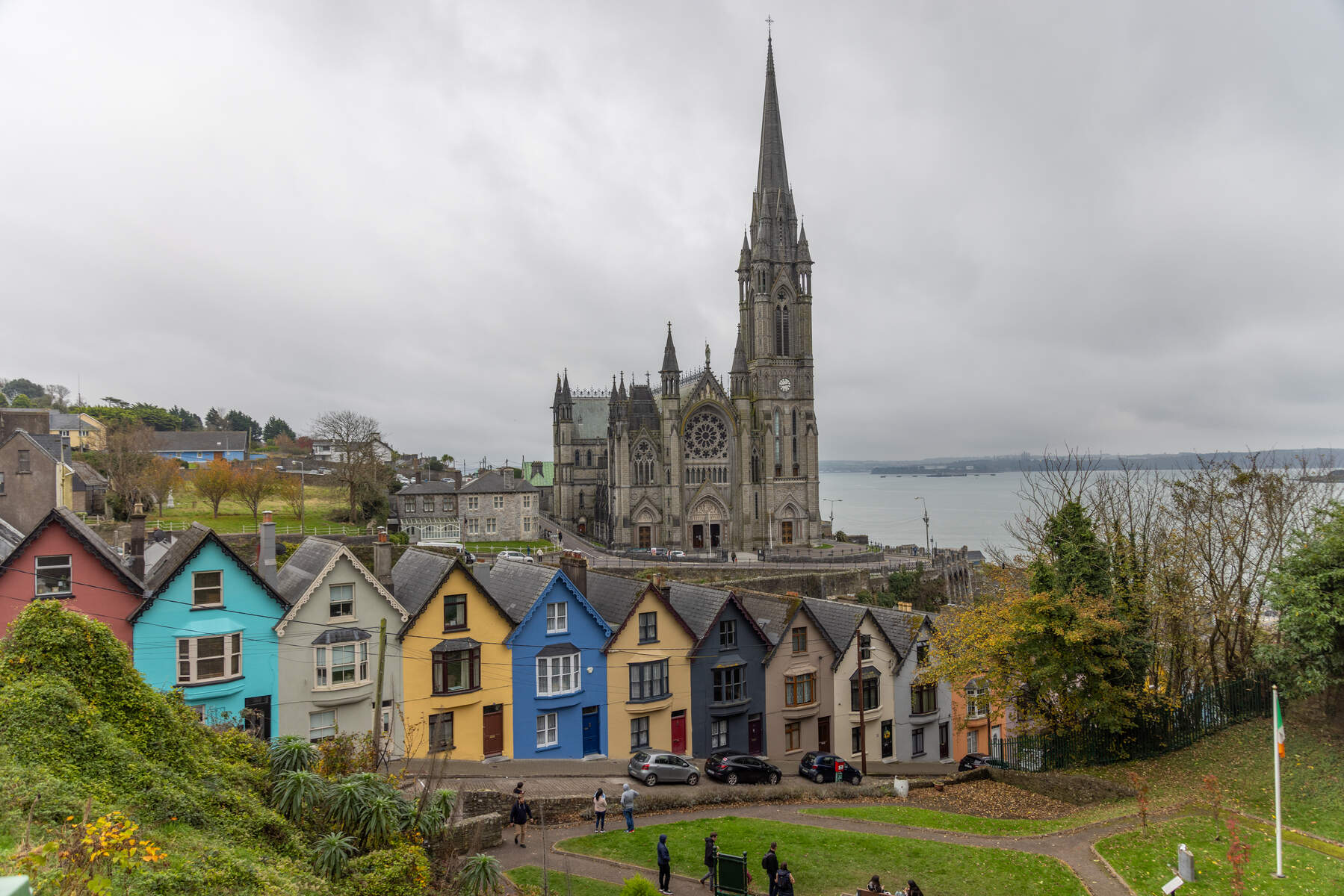
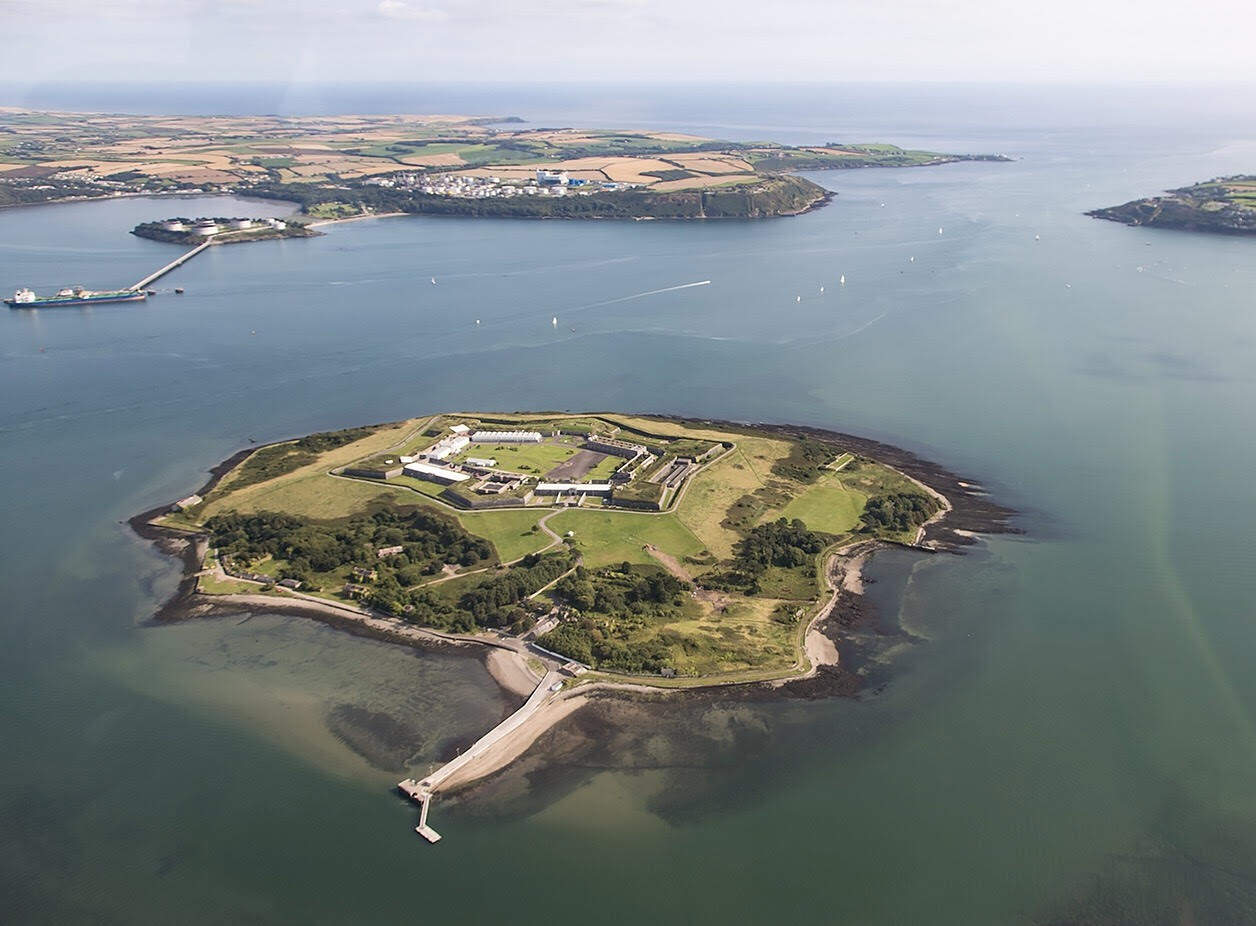
Spike Island sits just a short ferry ride away from the colourful port town of Cobh in County Cork. Often dubbed “Ireland’s Alcatraz”, the island packs over a millennium of layered history into its 24‑acre fort, crumbling village houses and rugged coastal trails. Visitors arrive via a 12‑ to 15‑minute boat from Kennedy Pier, step onto a landscape where monks once prayed, soldiers once drilled, and thousands of prisoners once toiled. The island’s blend of dramatic architecture, panoramic sea views and well‑curated exhibitions makes it a standout day‑trip for families, history buffs and anyone craving a unique slice of Irish heritage.
History
From Monastery to Fortress
The recorded story begins in 635 AD when St Mochuda founded a monastic settlement on the island, providing a safe haven for early Irish monks who farmed and fished the surrounding waters. No physical traces of the monastery survive, but the spiritual imprint set the tone for centuries of habitation.
In the late 18th century, the British Empire recognised the strategic value of Cork Harbour. Construction of a star‑shaped fort began in 1779 and was completed in 1804 as Fort Mitchel, a 24‑acre citadel capable of garrisoning 3,000 men and firing shells up to 12 miles. Winston Churchill later called Spike Island “the sentinel tower of the defences of Western Europe”.
The Prison Era
The fort’s purpose shifted dramatically during the Great Famine. In 1847 the prison opened, quickly becoming the largest penal depot in the British Isles. At its peak in the 1850s it held over 2,300 inmates, with more than 1,300 dying in the first six years – many of them children. The notorious Punishment Block, built after the 1856 murder of Warder William Reddy, comprised 28 solitary cells where prisoners were chained and kept in near‑total darkness.
Spike Island’s prison life continued intermittently until a violent riot in 1985 forced the remaining residents to evacuate. The facility finally closed in 2004, ending a 400‑year chapter of confinement.
A Living Heritage Site
Since 2015 regular ferry tours have operated from Cobh, and in 2017 the island was crowned “Europe’s Leading Tourist Attraction” at the World Travel Awards. Today, visitors can explore the fort’s ramparts, the Victorian prison blocks, and the remnants of the 19th‑century village that once housed up to 300 families.
What to See & Do
- Fort Mitchel – Walk the star‑shaped walls, stand on the parade ground and imagine the thunder of 24‑hour drills. The fort’s layout is illustrated on a concrete wall map near the entrance.
- Prison Cells – The dark corridors of the original 19th‑century cells remain as they were left, complete with steel gates and stark stone walls. The modern prison section, closed in 2004, offers a stark contrast with more recent cells and exhibition panels.
- Punishment Block – For the brave, the After‑Dark Tour takes you into the solitary confinement cells that earned the moniker “hell on earth”.
- Village Ruins – Explore the pastel‑coloured cottages, the former 19th‑century hospital known as Bleak House, and the convict’s graveyard that dot the island’s interior.
- Ring of Spike Walk – A 2.4 km (or 5 km, depending on the route you choose) coastal trail circles the island, offering interpreted signage, sea‑birdsong and sweeping views of Cobh, Kinsale Harbour and the distant Blackwater Valley. The walk takes roughly 45 minutes and passes the historic fort, the old village and the island’s natural habitats.
- Museums & Exhibitions – Multiple exhibition rooms detail the monastic, military and penal histories, including interactive displays on the 1985 riot and the daily life of 19th‑century inmates.
- Café & Gift Shop – After a day of exploring, relax in the on‑site café or browse the gift shop for locally‑made souvenirs.
Practical Information
Spike Island is accessed exclusively by ferry from Kennedy Pier, Cobh. The ferry departs several times daily; the crossing takes about 12‑15 minutes and the ticket price includes the boat ride and the standard guided tour.
| Service | Details |
|---|---|
| Tour Length | Approx. 3.5 hours total (15 min ferry, 45 min guided induction, free‑exploration time) |
| Guided Tour | 45‑minute storytelling tour covering the island’s monastic, military and penal past |
| After‑Dark Tour | Evening experience that explores the underground tunnels, punishment block and murder stories (adults only) |
| Walking Trail | 2.4 km “Ring of Spike” loop (45 min) – optional 5 km version with extended signage |
| Facilities | Café, toilets, gift shop, buggy‑friendly routes |
| Accessibility | Paths are largely level and buggy‑friendly; however, some historic stone steps and cell blocks have limited wheelchair access |
| Contact | +353 21 237 3455 |
| Website | spikeislandcork.ie |
Booking – Advance booking is strongly recommended, especially in peak summer months, as tours sell out quickly. Tickets can be purchased via the official website or at the Cobh ferry desk.
Timing – Allocate at least four hours for the whole experience to comfortably enjoy the guided portion, the Ring of Spike walk and a break at the café.
Special Experiences – For a premium perspective, the Adventure 001 Helicopters tour departs from Cork Racecourse in Mallow, offering aerial views of the island before you land for a brief on‑site visit.
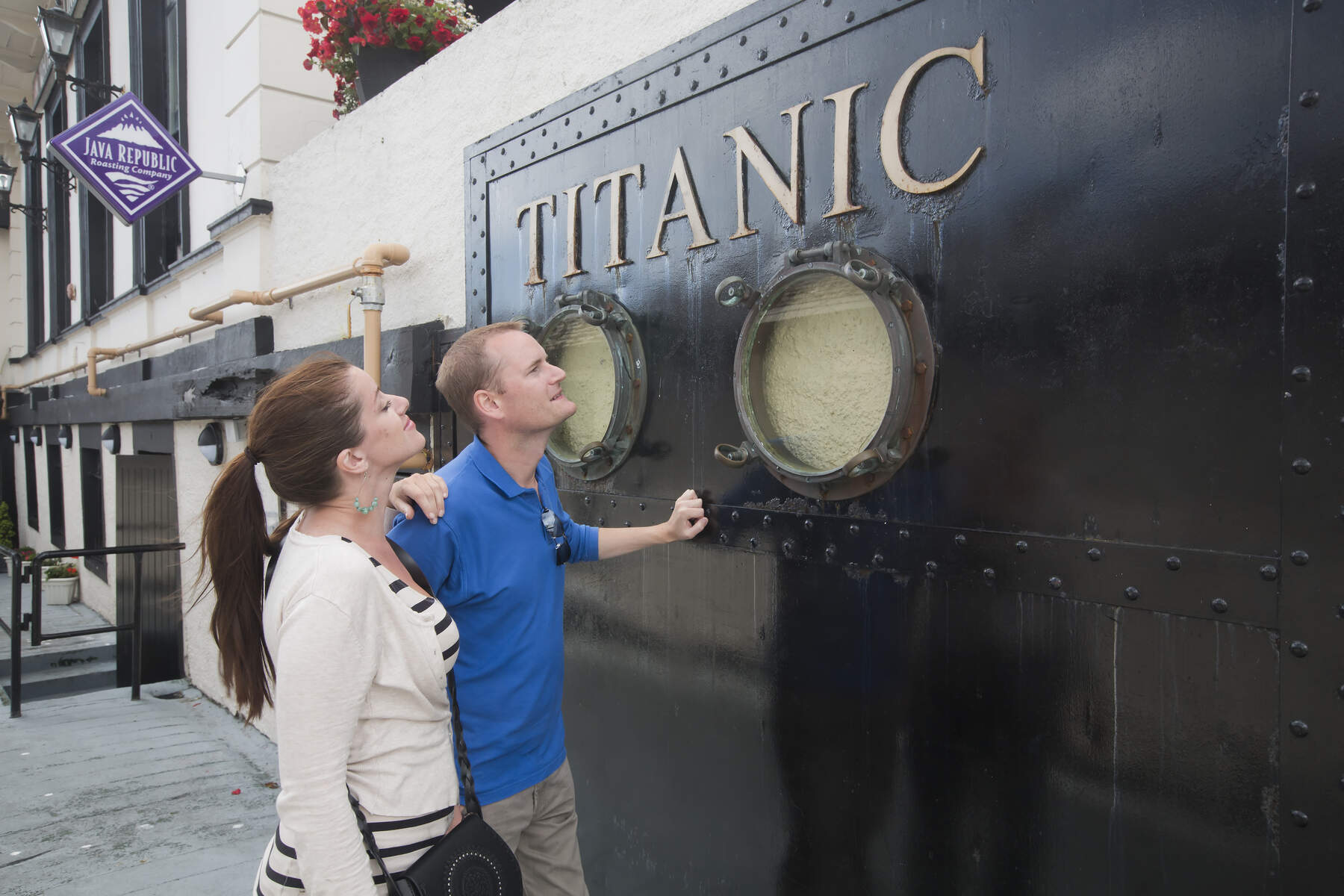
Nearby Attractions – Combine your Spike Island visit with a stroll through Cobh’s colourful streets, a stop at the Titanic Experience, or a coastal walk along the Deck of Cards. The harbour also hosts luxury cruise ships, making the island a convenient stop on a broader Cork itinerary.
Spike Island delivers a rare blend of natural beauty, military engineering and poignant human stories. Whether you’re tracing the footsteps of 7th‑century monks or peering into the grim cells of Ireland’s most notorious prison, the island offers a compelling, immersive day out in Cork Harbour.