
Overview
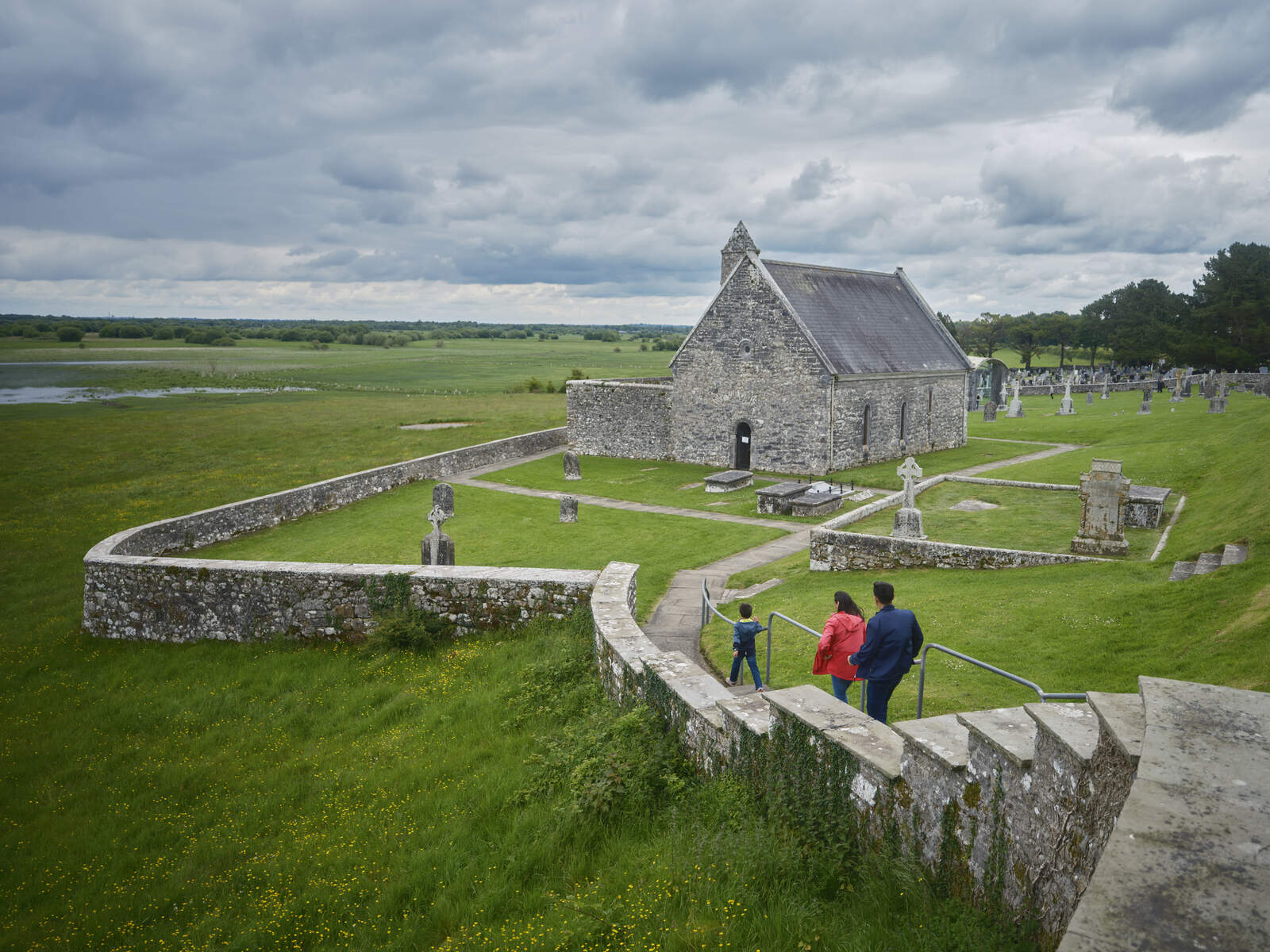
St Brendan’s cell sits on the secluded St Brendan’s Island in Tralee Bay, County Kerry. It is a double beehive stone cell – a rare form of early Irish monastic architecture that dates to the very early 500s. The cell’s simple, corbelled stone walls are identical to those found on the famous Skellig Islands, yet its twin‑chamber layout makes it unique in the Celtic world.
History
The beehive tradition began with the first Irish monastic communities, who built dry‑stone, corbelled cells to house solitary prayer and contemplation. According to the Mull Monastery blog, the cell on St Brendan’s Island is “stunningly well‑preserved” and represents a direct link to St Brendan’s original monastic settlement. It is believed to be the only surviving example of a double beehive cell in Scotland, suggesting that the design may have been intended for an abbot who required a second chamber for hearing confessions and offering private guidance to his brothers.
What to See & Do
- The Twin Chambers – Walk around the exterior of the two adjoining beehive chambers. The stonework demonstrates the skill of early Irish masons, with each stone carefully placed to create a self‑supporting dome.
- Spiritual Reflection – Many pilgrims report a profound sense of stillness inside the cell. Kneel, light a small candle (if permitted), and ask for St Brendan’s protection, echoing the tradition described by the blog author.
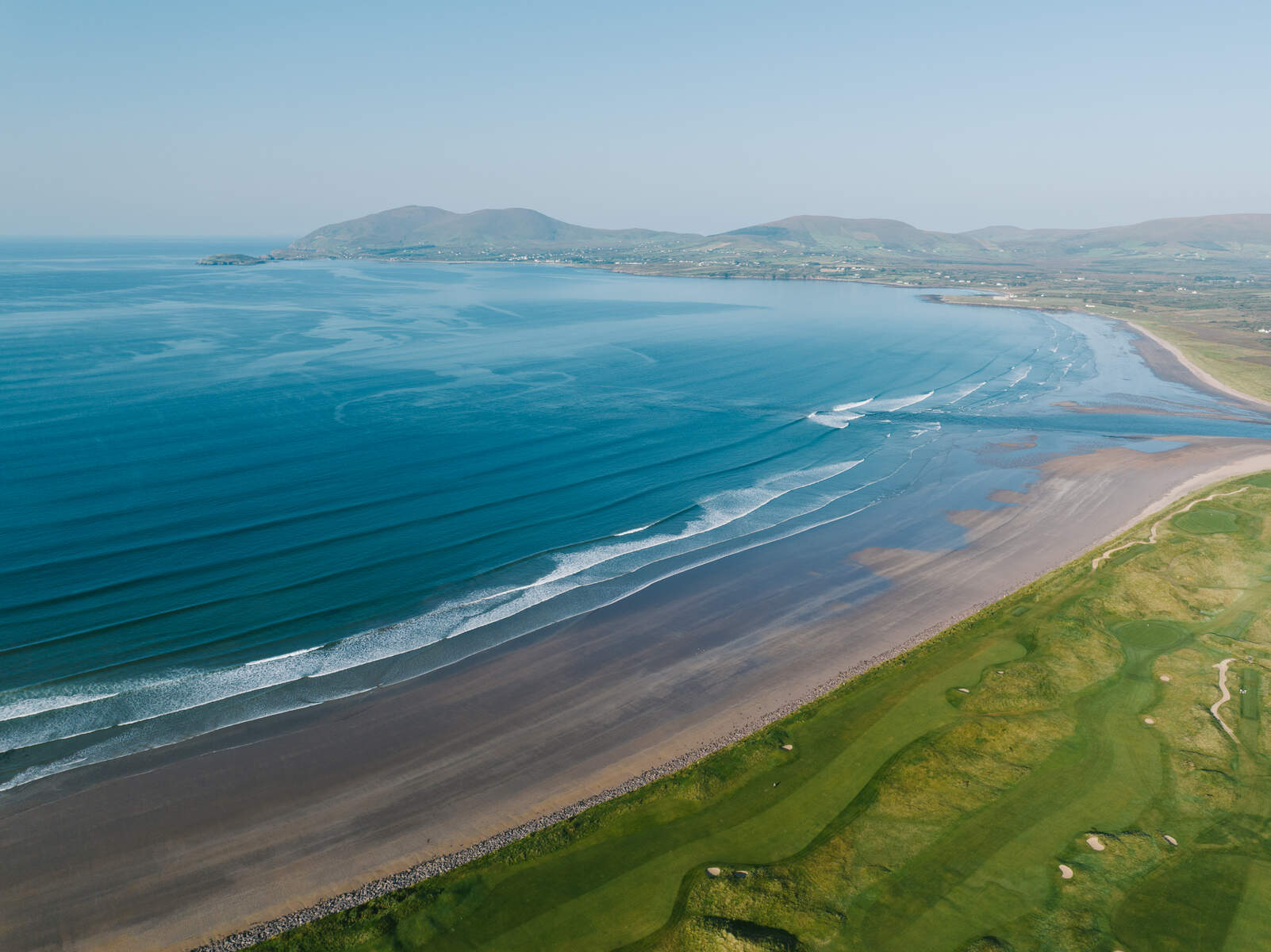
- Landscape Views – The island’s cliffs overlook the open Atlantic, offering dramatic seascapes that have inspired centuries of Irish legend, including the famed Voyage of Saint Brendan.
Getting There
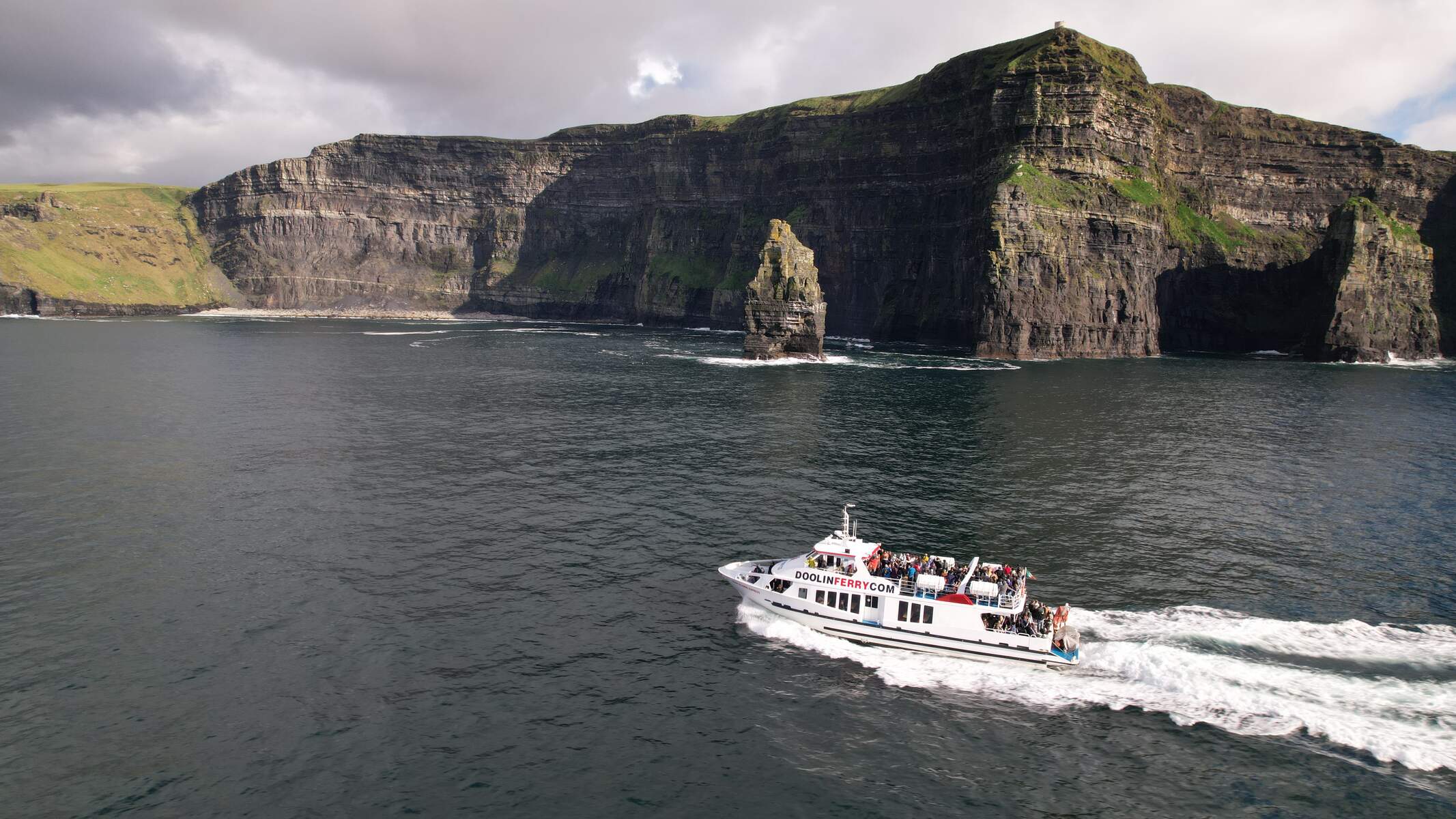
The site has no road access; visitors reach the island by boat. Local operators from the Kerry coast – typically from Portmagee, Valentia Island, or the Ballinskelligs harbour – run short trips during the summer months. Boats depart on a flexible schedule, often coordinated with tide tables. Check with the harbour office or a licensed tour provider for the latest timetable and booking details.
Practical Information
The cell is an open‑air historic site; there is no ticket office, admission fee, or staffed reception. Visitors are free to explore the cell at any time, though the remote location means that access is typically arranged via private boat or local tour operators departing from the Kerry coast. As the structure is ancient and fragile, please treat it with respect: stay on the established paths, avoid climbing on the stonework, and refrain from leaving any litter.
Visiting Tips
- Wear sturdy, non‑slip footwear – the island’s terrain can be uneven and slippery, especially after rain.
- Check tide times before you travel; low tide provides the safest landing conditions.
- Bring water and a snack – there are no facilities on the island.
- Dogs are not permitted on the island to protect the fragile stonework and wildlife.
- Respect the quiet nature of the site; keep noise to a minimum.
Nearby Attractions
If you have time, consider a short boat ride to Ahamore Abbey, another early monastic island just a few kilometres north‑west of St Brendan’s Island. The two sites together give a fuller picture of early Irish island monasticism along the Kerry coastline.
St Brendan’s cell offers a rare glimpse into Ireland’s early monastic life, inviting modern travellers to step into a space where history, legend, and quiet devotion converge.