
Overview
St Flannan’s Well (Tobar Fhlannáin) lies in the quiet garden of the AIB Bank on Royal Parade, Killaloe, County Clare. The site occupies a quarter‑acre of light‑dappled ground, surrounded by mature trees that create a play of shade and sun. A heavily ornamented well house shelters the spring, while a series of devotional objects – a stone bearing the saint’s footprint, a fine ash tree known locally as “the unusual tree”, and a stone‑lined hollow where pilgrims lie for relief of backache – give the place a palpable sense of reverence.
Holy Well Context in County Clare
County Clare is home to more than 220 holy wells, each linked to local saints and centuries‑old healing customs. St Flannan’s Well is listed on the Clare County Library’s Holy Wells map and is featured in Michael Houlihan’s The Holy Wells of County Clare (2015), underscoring its significance within this wider spiritual landscape.
Physical Description of the Well
The well is protected by a low stone‑covered well house. The covering consists of roughly cut stones set close to the ground, topped with a carved bas‑relief face and two smaller white stone figurines. Behind the well a patch of tall grass and the 120‑year‑old ash tree provide a natural backdrop. The footprint stone, the “unusual tree”, and the stone‑lined hollow (often called the “bed”) are all set within this modest yet evocative enclosure.
Saint Flannan – The Man Behind the Well
Flannan was a 7th‑century monk who became the first bishop of Killaloe (c. 639) after a pilgrimage to Rome. Born in the ancient kingdom of Thomond (modern County Clare), he was renowned for his preaching, hospitality and a series of miracles recorded in early Irish tradition. His life links the early monastic settlement founded by St Molua with later Viking‑era activity on the site, as evidenced by the Ogham stone and runic inscription kept in the adjacent cathedral. The well’s dedication reflects this long‑standing devotion: pilgrims have gathered here since medieval times, especially on his feast day, 18 December.
Pilgrimage and Pattern Day
The feast day on 18 December has traditionally been a pattern day, when locals and visitors make a pilgrimage to the well for blessings and to partake in the healing rituals associated with the water, the footprint stone and the ash tree. In recent years a summer mass is also celebrated on site, continuing the well’s role as a living place of worship.
The Unusual Ash Tree
A 120‑year‑old ash stands beside the well and is locally called “the unusual tree”. Its twisted trunk and gnarled branches have made it a focal point for centuries‑old customs – visitors tie coloured ribbons to the bark in hopes of invoking its reputed healing aura. A plaque on the well commemorates a local caretaker who tended the site for many decades, underscoring the community’s ongoing stewardship.
History & Spiritual Significance
The well is dedicated to Saint Flannan, a 7th‑century bishop of Killaloe whose legacy is woven into the town’s name (Cill Dalua – “Church of Lua”). Historical records note that the well has long been a focal point for local devotion, with pilgrimages recorded on the saint’s feast day, 18 December. The site’s physical features echo older Irish water‑cult practices: the footprint stone is said to bear the imprint of the saint himself, while the ash tree may echo pre‑Christian sacred‑tree traditions that persisted into the Christian era.
Mass is celebrated at the well each summer, reinforcing its role as a living place of worship rather than a static monument. The well’s inclusion in Michael Houlihan’s The Holy Wells of County Clare (2015) highlights its cultural importance and the continuity of healing rituals that have drawn locals and visitors for generations.
Features & What to See
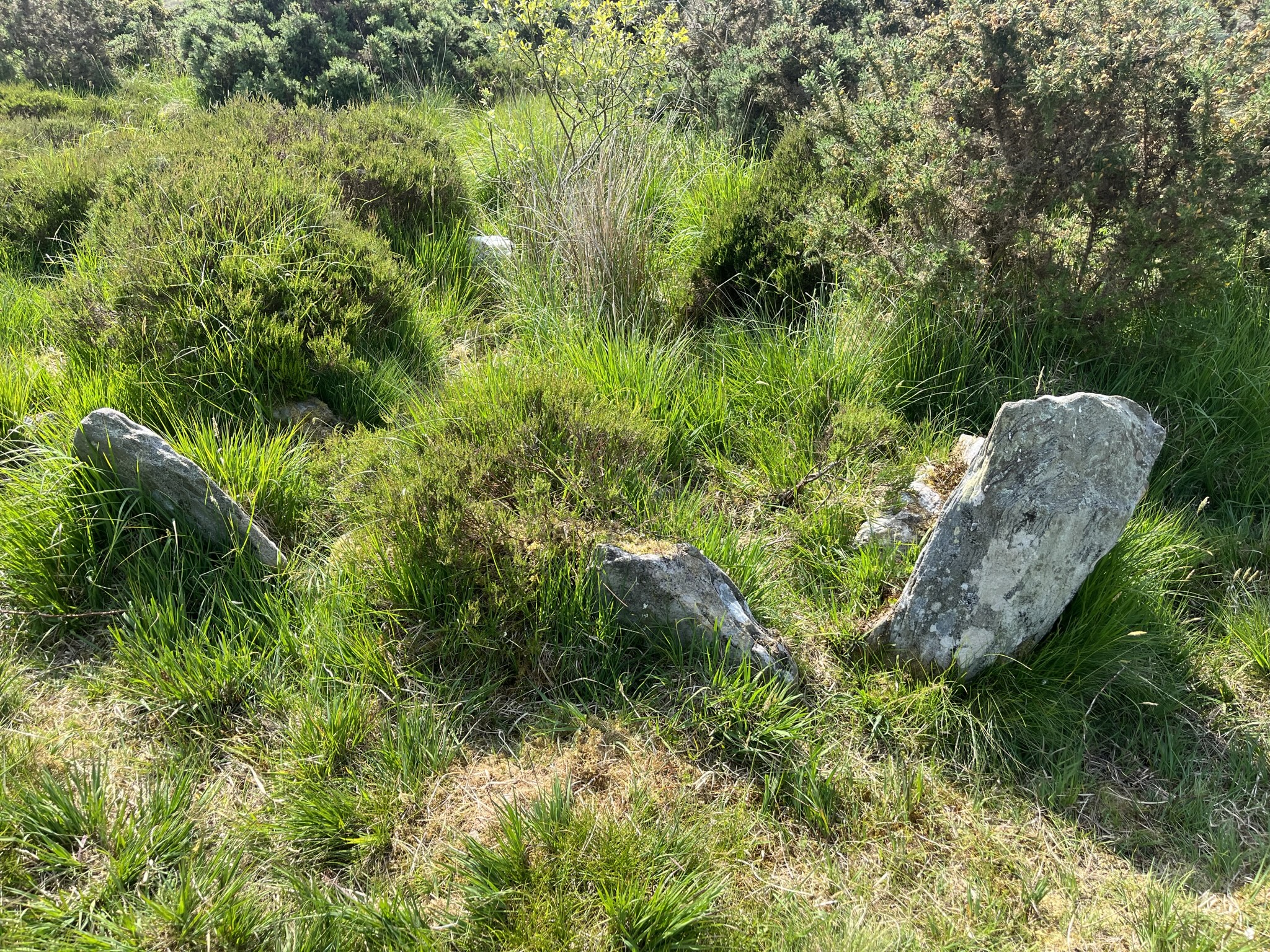
- Footprint Stone – A weathered stone set into the well’s perimeter is reputed to show Saint Flannan’s actual footprint, a focal point for prayer and reflection.
- The Unusual Tree – An ancient ash tree, locally called “the unusual tree”, whose twisted form is believed to hold a healing aura; ribbons are often tied to its bark.
- Stone‑Lined Hollow (the “bed”) – A shallow, stone‑lined depression invites pilgrims to lie down. Tradition holds that lying here can alleviate back problems and is also associated with cures for headaches and arthritis.
- Homemade Shrines – Scattered among the trees are modest shrines fashioned from everyday objects, each bearing images of saints. These personal offerings add a tactile layer to the spiritual atmosphere.
- Well House – The well is enclosed within a decorative well house, festooned with statues, candles, lamps and religious gifts, offering shelter and a sense of reverence.
The surrounding garden provides a peaceful backdrop for contemplation, with the gentle murmur of the spring and the rustle of leaves creating an immersive sensory experience.
Visiting the Well (Practical Information)
- Access – The well sits within the grounds of the AIB Bank. Visitors should ask for entry at the counter; staff are accustomed to accommodating pilgrims and tourists.
- Opening Hours – Align with the bank’s schedule (typically Mon‑Fri 9:30 am‑5:00 pm, limited Saturday service). Call ahead, especially on public holidays or when the summer mass is scheduled.
- Parking – Street parking is available on Royal Parade and the adjoining lanes. There is no dedicated car park, so early arrival is advisable during peak times.
- Public Transport – Killaloe is served by regular Bus Éireann routes from Ennis and Limerick. The nearest train station is Limerick Junction, with onward bus connections.
- Accessibility – The garden path is level and suitable for most visitors, though the stone‑lined hollow may require careful footing. No dedicated wheelchair facilities are listed; contact the bank in advance if mobility is a concern.
- Contact – For specific timing or to arrange a group visit, reach the cathedral office (which also handles well enquiries) at +353 86 8334433 or email enquiries@stflannanscathedral.ie.
- Mass & Pilgrimage – A summer mass is held at the well, offering a unique liturgical experience. The main pilgrimage day is 18 December, when the well’s waters are blessed.
- Seasonal Notes – Autumn and winter give the site a quieter, more reflective atmosphere, with the ash tree’s foliage turning gold. Summer provides longer daylight for exploring the surrounding historic sites.
Nearby Attractions
- St Flannan’s Cathedral – Open daily 10 am‑6 pm; free entry. The cathedral houses an Ogham stone, a 12th‑century high cross and a Viking‑era runic inscription.
- St Flannan’s Oratory – A Romanesque stone‑roofed structure dating to c. 1100, now a protected National Monument.
- Clare Abbey – A short walk from the town centre, this 12th‑century Cistercian abbey offers tranquil ruins and a lakeside walk.
- Shannon River & Limerick‑Killaloe Canal – Stroll along the riverbanks for scenic views and photo opportunities.
- Brian Boru Heritage Centre – Located nearby, it explores the life of the High King who once held court in Killaloe.
For a broader picture of what the region offers, see the Discover Lough Derg website.
In summary, St Flannan’s Well offers a rare blend of natural beauty, ancient spirituality and tangible healing traditions, making it a rewarding stop for anyone exploring County Clare’s historic heartland.