
Overview
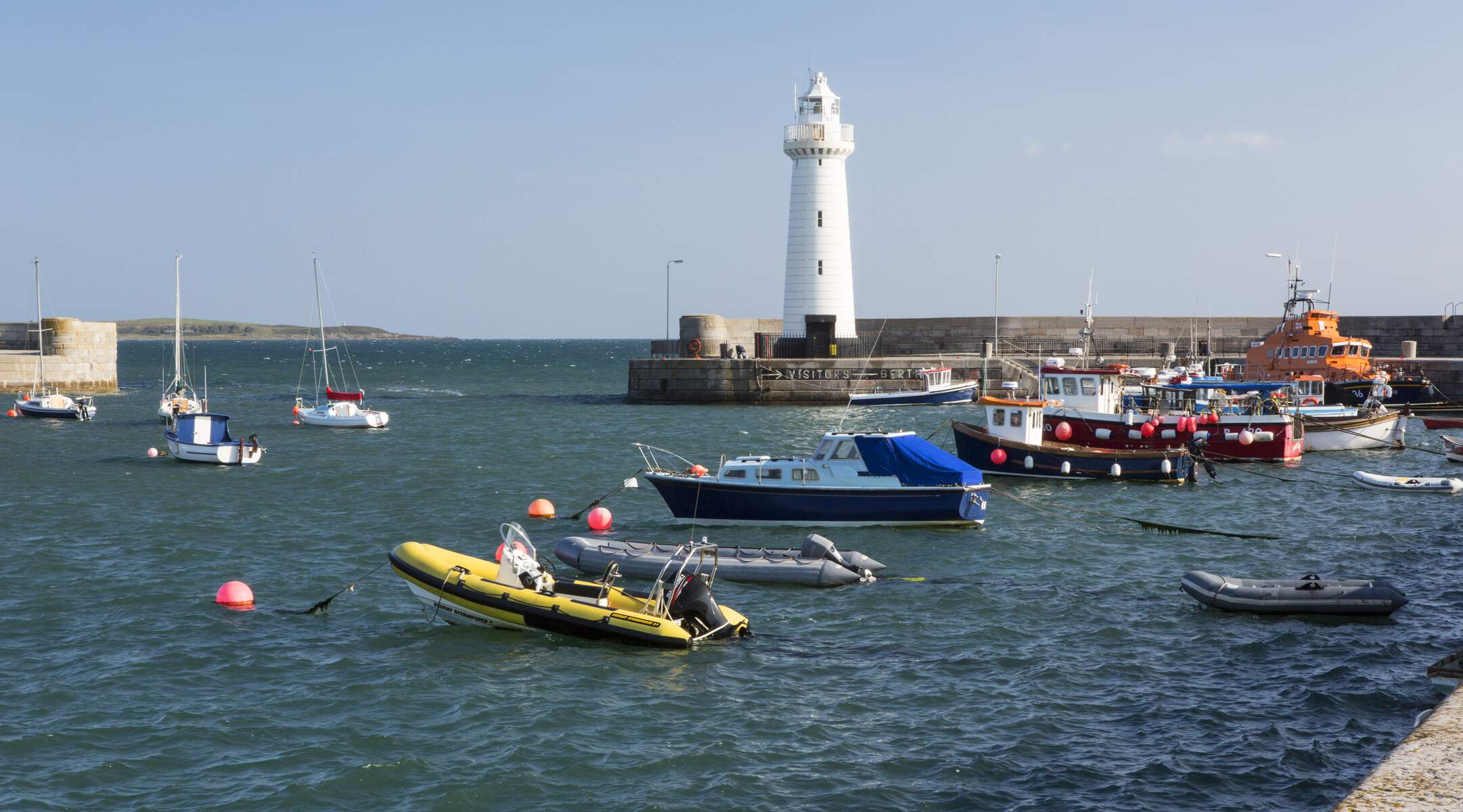
St Mura’s Monastery lies in the coastal village of Fahan on the R238, midway between Buncrana and Derry. The site’s focal point is the impressive St Mura’s Cross‑slab, a stone standing just over two metres tall in the ancient abbey graveyard. Visible from the road and a key waypoint on the Inishoween Heritage Trail, the monastery offers a vivid glimpse of early Irish Christianity set against sweeping views of Lough Swilly.
History / Background
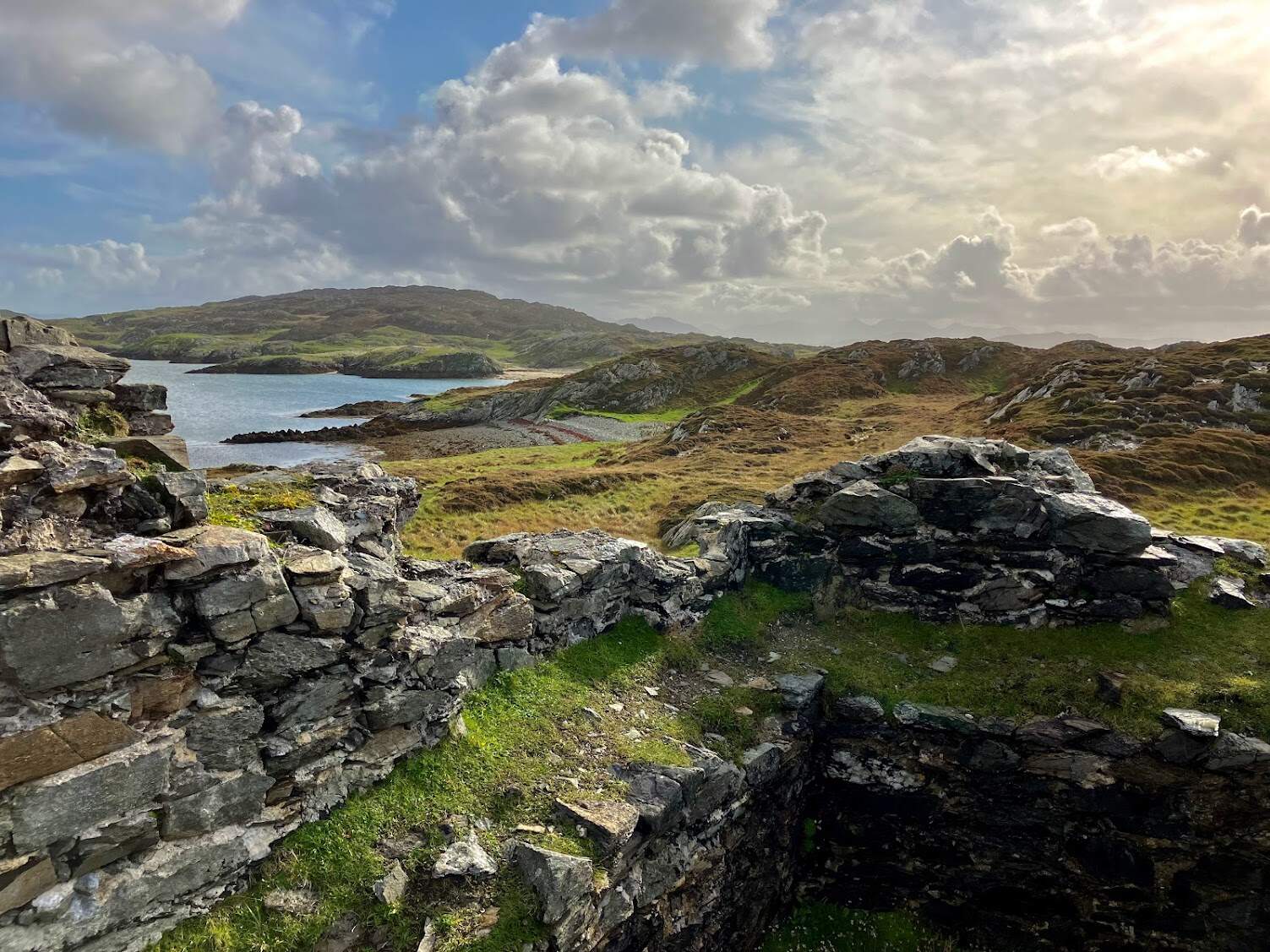
Founded in the early 7th century by Saint Mura (c. 550–645), the monastic settlement was originally recorded as Othan Mór and later became known as Fahan Mura. Mura served as the first abbot and, according to local tradition, is buried beneath the cross‑slab that dominates the graveyard.
The slab itself dates to the 7th–8th century, predating the classic Irish high‑cross tradition. Its two faces are covered in intricate interlaced ribbonwork; the west side displays a tree‑of‑life motif formed by intertwining bands around five sun‑like symbols, while the east side bears a rare Greek inscription translating to “Glory and honour to the Father, the Son and the Holy Spirit”, a prayer sanctioned at the Council of Toledo in 633. Flanking the foot of the cross are two enigmatic figures, possibly Saint Mura and a contemporary high‑king, accompanied by birds – a motif linked to resurrection in early Christian art.
The surrounding graveyard has been in continuous use from medieval times through the Plantation era to the present day. Notable interments include Agnes Elizabeth Jones (1832–1868), a pioneering nurse who helped establish Ireland’s first nursing training programme in Liverpool.
What to See & Do
- St Mura’s Cross‑slab – Examine both faces up close; the interlace, tree‑of‑life, Greek prayer and figures reveal a sophisticated artistic vocabulary that spread across the Celtic world.
- 3‑D Model – For a detailed virtual inspection, explore the interactive model hosted by 3D Icons: 3‑D model of St Mura’s Cross.
- Ancient Graveyard Walk – Stroll among weather‑worn headstones ranging from medieval slab markers to Plantation‑era stones and modern memorials. The setting on the eastern shore of Lough Swilly provides tranquil reflection spots with panoramic lake views.
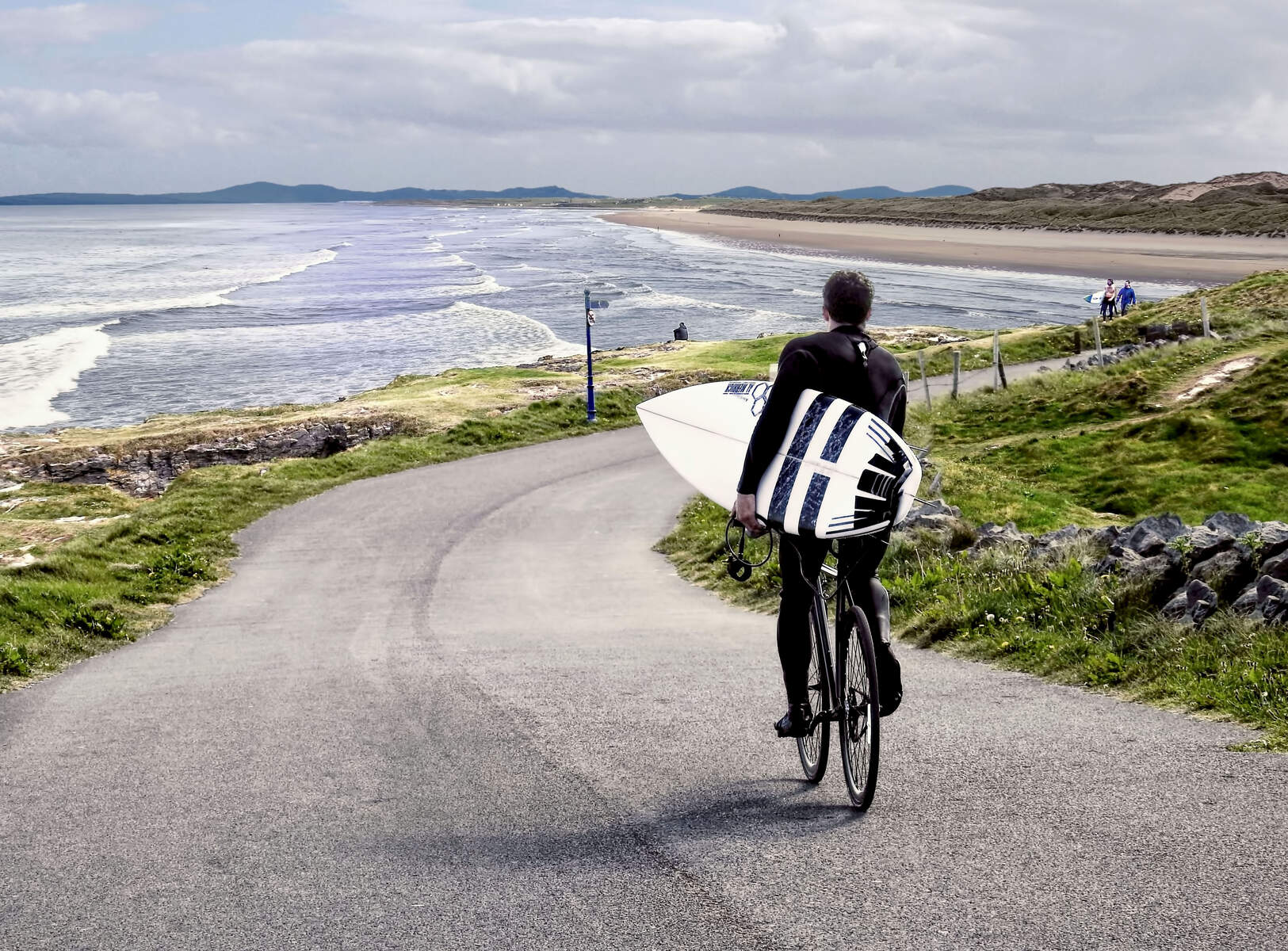
- Scenic Views – The graveyard’s position offers sweeping vistas of Lough Swilly and the Inishowen landscape, ideal for photography or a quiet pause during a longer heritage walk.
- Nearby Attractions – After the monastery, a short drive leads to the award‑winning Railway Tavern for hearty Irish fare, the sandy Lisfannon Beach for coastal walks, or Inch Island’s wild‑fowl reserve for bird‑watching.
Getting Here
St Mura’s Monastery is accessed directly from the R238. A small lay‑by opposite the entrance provides free parking for cars and vans. The site is within walking distance of Fahan village, where additional parking, cafés and public toilets are available. Public transport options are limited; the nearest bus stop is in Fahan village, served by local Donegal Bus routes linking Buncrana and Derry.
Practical Information
- Opening times: Open year‑round, 24 hours a day, free of charge.
- Access: Visitors enter directly from the R238 into the graveyard. A small lay‑by opposite the entrance provides parking.
- Management: The site is maintained by local heritage groups in partnership with Donegal County Council.
- Facilities: No ticket office or visitor centre; basic amenities are available in nearby Fahan village.
- Best visit: Early morning or late afternoon for softer light on the stone and quieter surroundings.