
Overview
St Patrick’s Trail – more commonly called St Patrick’s Way: The Pilgrim Walk – is a 132 km (82‑mile) long‑distance path that stretches from Armagh in County Armagh to Downpatrick in County Down. Launched in 2015 and inspired by Spain’s Camino de Santiago, the trail is split into seven manageable sections, allowing walkers to complete it in six to ten days depending on pace. The walk is sign‑posted with the familiar yellow arrow markers and offers a blend of historic landmarks, lush forests, coastal vistas and quiet rural lanes.
History & Background

The idea for an Irish pilgrimage route came from Alan Graham, who, after walking the Camino, suggested a similar path for Ireland. The inaugural walk in 2015 was overseen by Tim Campbell, director of the Saint Patrick Centre in Downpatrick, and quickly grew from 322 pilgrims in its first year to over 7,300 in 2024. The trail follows sites directly linked to St Patrick’s 5th‑century ministry – from his early missionary work at Navan Fort (the ancient seat of Ulster kings) to his final resting place beneath Down Cathedral.
St Patrick’s Way is deliberately non‑commercial. As noted by local shopkeeper Finbar McCormick, the few souvenir stalls along the route sell only locally‑made prayer stones, keeping the focus on spiritual reflection rather than retail.
What to See & Do
| Section | Approx. Distance | Highlights |
|---|---|---|
| Navan Centre → Armagh | 5 km | Navan Fort (ancient ceremonial site), St Patrick’s Church of Ireland Cathedral, St Patrick’s Roman Catholic Cathedral, Robinson Library, Vicar’s Hill |
| Armagh → Scarva | 33 km | Newry Canal towpath, Moneypenny’s Lockhouse, linen heritage at Ferguson’s Linen Factory, F.E. McWilliam Gallery |
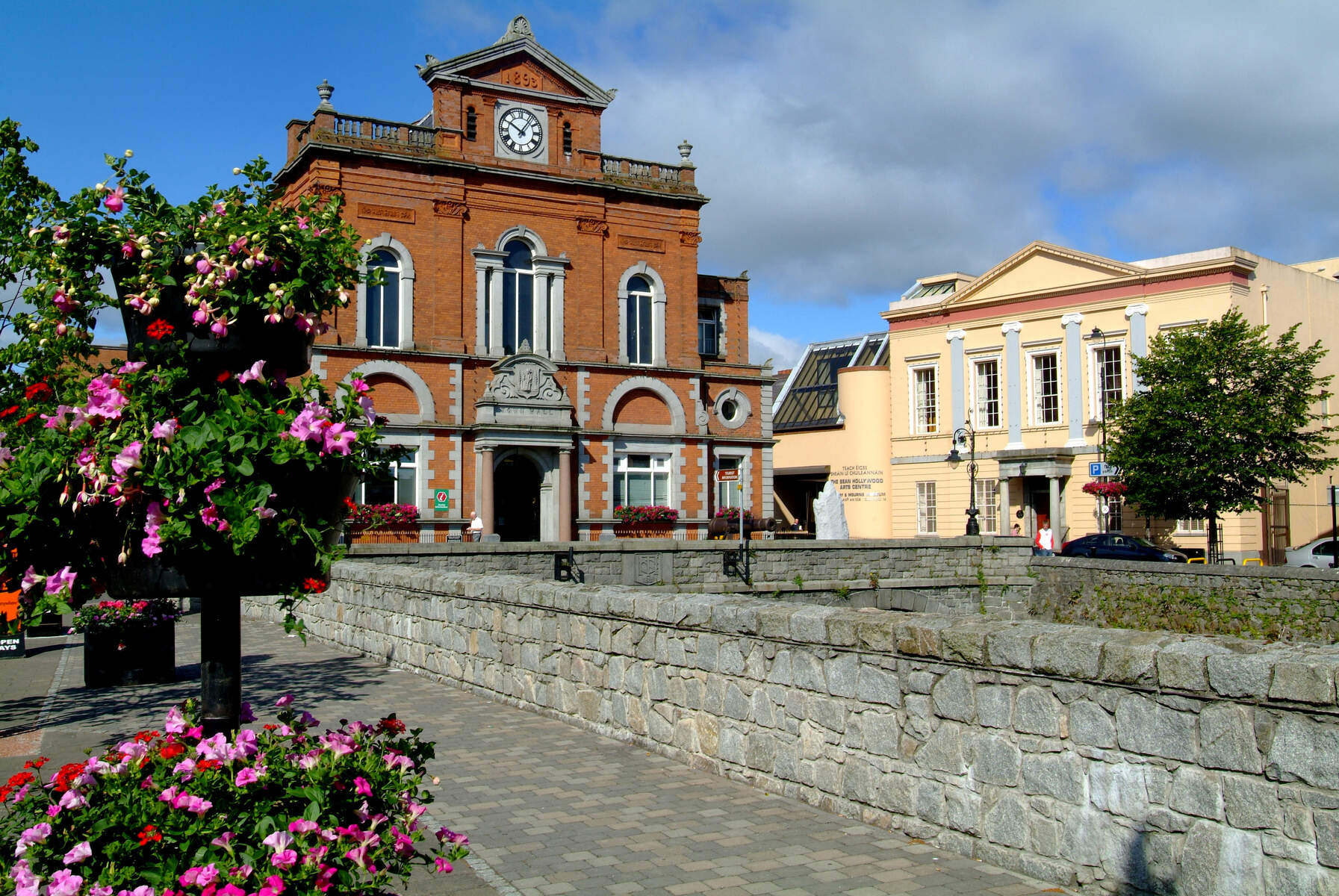
| Scarva → Newry | 20 km | Newry Canal (oldest summit‑level canal in Britain & Ireland), Clanrye River yew tree planted by Patrick, Newry city’s historic market square |
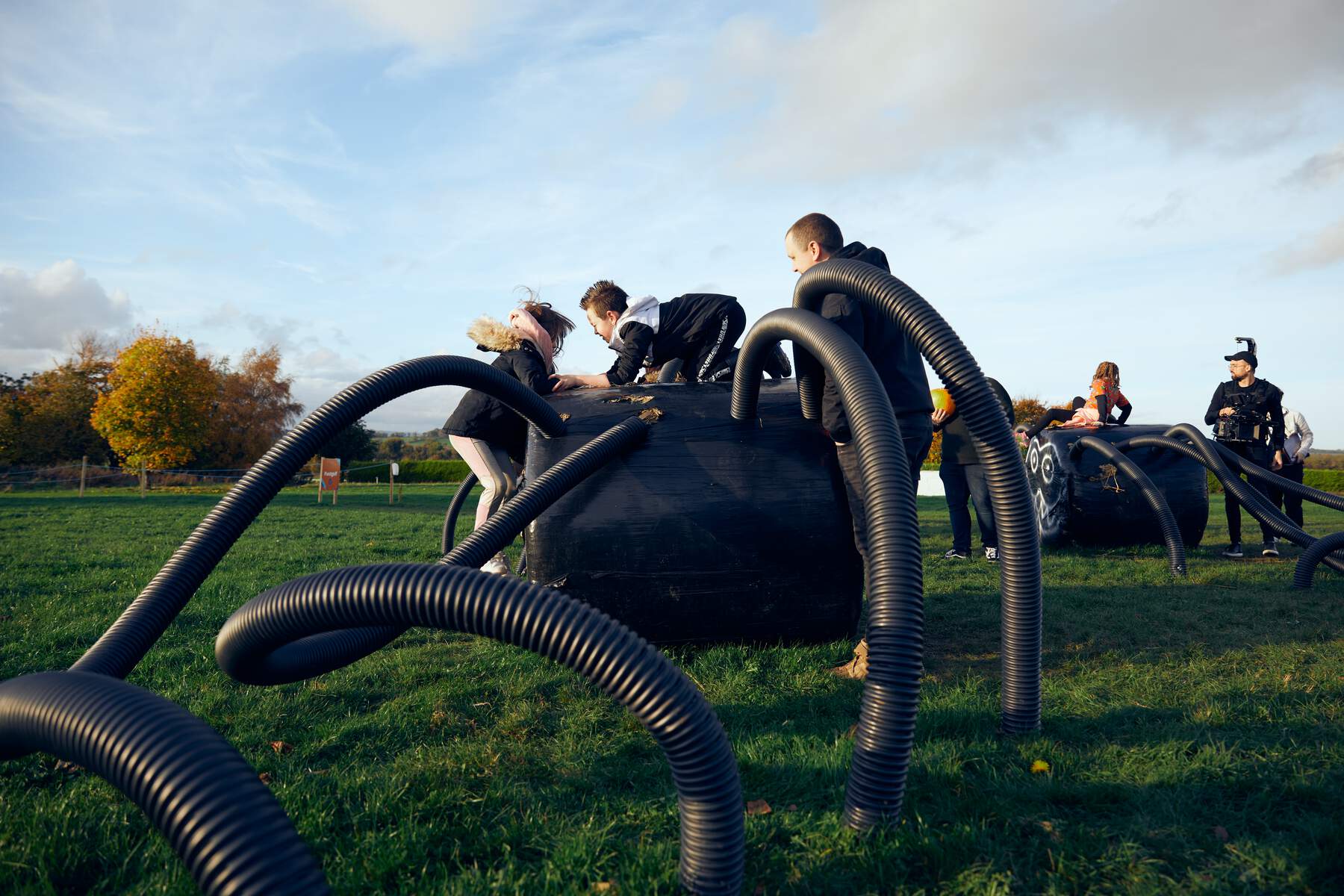
| Newry → Rostrevor | 15 km | Panoramic views of Carlingford Lough, Cooley and Mourne Mountains, Kilbroney Park’s Narnia Trail, Holm Oak Tree (European Tree of the Year 2017) |
| Rostrevor → Newcastle | 38 km | Mourne Way and Ulster Way forest tracks, Slieve Donard (highest peak in NI) with its hermit’s cell, Tollymore Forest Park’s stone bridges |
| Newcastle → Tyrella | 18 km | Royal County Down Golf Club, Murlough National Nature Reserve’s sand dunes, coastal bird‑watching at the mudflats |
| Tyrella → Downpatrick | 16 km | Saul Church (Ireland’s first ecclesiastical site), Holy Wells at Struell, Down Cathedral (St Patrick’s burial place), Saint Patrick Centre with interactive exhibits |
Along the way, pilgrims can collect stamps at ten designated locations using a Pilgrim’s Passport obtained from any Visitor Information Centre. A completed passport earns a Certificate of Achievement signed personally by Tim Campbell at the Saint Patrick Centre.
Key sites worth lingering at include:
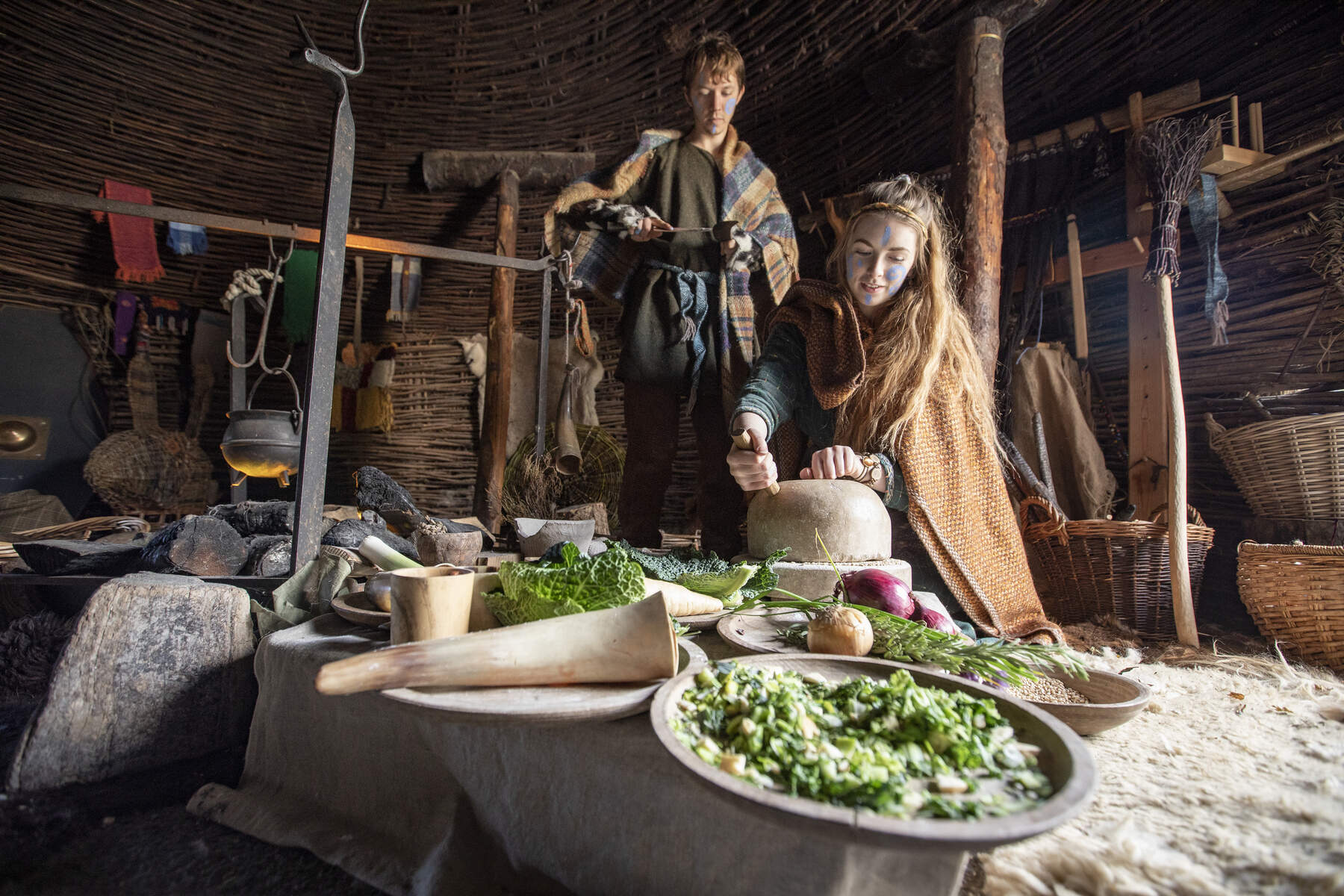
- Navan Fort – a prehistoric hill‑fort used for religious ceremonies since 5,500 BC and later a focal point for Patrick’s early preaching.
- Armagh’s twin cathedrals – the only city worldwide with two cathedrals dedicated to the same saint, showcasing both Anglican and Roman Catholic heritage.
- Newry Canal – opened in 1742, it remains a tranquil tow‑path lined with historic lock houses.
- Rostrevor’s Kilbroney Park – home to the Narnia Loop, inspired by C S Lewis’s childhood visits.
- Slieve Donard – the summit’s hermit’s cell and oratory were built by Saint Donard, a disciple of Patrick.
- Down Cathedral – the final resting place of St Patrick, marked by a simple granite slab.
- Saint Patrick Centre – a modern glass‑and‑granite museum that demystifies legends and presents Patrick’s own words.
Practical Information
St Patrick’s Way is a free‑entry trail; there is no admission fee for the path itself or for most of the historic sites, although some attractions (e.g., the Saint Patrick Centre) may request a modest donation.
Getting Started – The walk begins at the Navan Centre just outside Armagh. Pilgrims should pick up a Pilgrim’s Passport here or at any of the Visitor Information Centres along the route. Stamps are available at the ten official points, including Navan Fort, Armagh cathedrals, Newry Canal lock, Kilbroney Park, Slieve Donard, and Down Cathedral.
Maps & Navigation – While the trail is sign‑posted, the official guide recommends carrying an Ordnance Survey map (available from the OSNI online shop) or the downloadable guide PDF from the Visit Armagh website. The yellow arrow markers are reliable, but some mountain sections have limited signage, so a map is essential.
Accommodation – A range of guest houses, B&Bs and hotels line the route. Notable options include:
- Blackwell House in Scarva (five‑star boutique experience)
- Canal Court Hotel in Newry (spa facilities for sore legs)
- Avoca Hotel in Newcastle (seafront modern design)
- Denvir’s Coaching Inn in Downpatrick (historic 17th‑century inn with original open fireplace)
Food & Drink – Towns such as Armagh, Newry, Rostrevor and Newcastle offer a variety of eateries, from traditional Irish pubs to fine‑dining establishments. The trail’s low commercial profile means meals are sourced locally, giving a genuine taste of Northern Irish cuisine.
Travel Logistics – The trail lies entirely within Northern Ireland, part of the United Kingdom. Visitors from the Republic of Ireland or elsewhere will need a passport, and from 2 April 2025 an electronic travel authorisation (ETA) costing about €12 is required.
Seasonality – The route is walkable year‑round, but the busiest day on Croagh Patrick (the western “holy mountain” often added to a separate pilgrimage) is the last Sunday in July. For a quieter experience on the main trail, early spring or late autumn provide milder crowds and dramatic light for photography.
Accessibility – Most sections are on gentle farm tracks or well‑maintained towpaths, making them suitable for walkers of moderate fitness. The mountainous stretch from Rostrevor to Newcastle involves steeper ascents and may be challenging for those with limited mobility.
Booking & Passports – Pilgrim’s Passports are free and can be collected at any Visitor Information Centre. Stamps are self‑service; once the passport is fully stamped, present it at the Saint Patrick Centre to receive your certificate.
Further Reading – For a detailed itinerary, downloadable guide, and interactive map, visit the official trail page at Visit Armagh – St Patrick’s Way. The Saint Patrick Centre’s website offers additional multimedia resources: Saint Patrick Centre.
St Patrick’s Trail offers a rare blend of history, spirituality and natural beauty, allowing modern pilgrims to walk in the footsteps of Ireland’s most celebrated saint while discovering some of the island’s most breathtaking landscapes.