
Overview
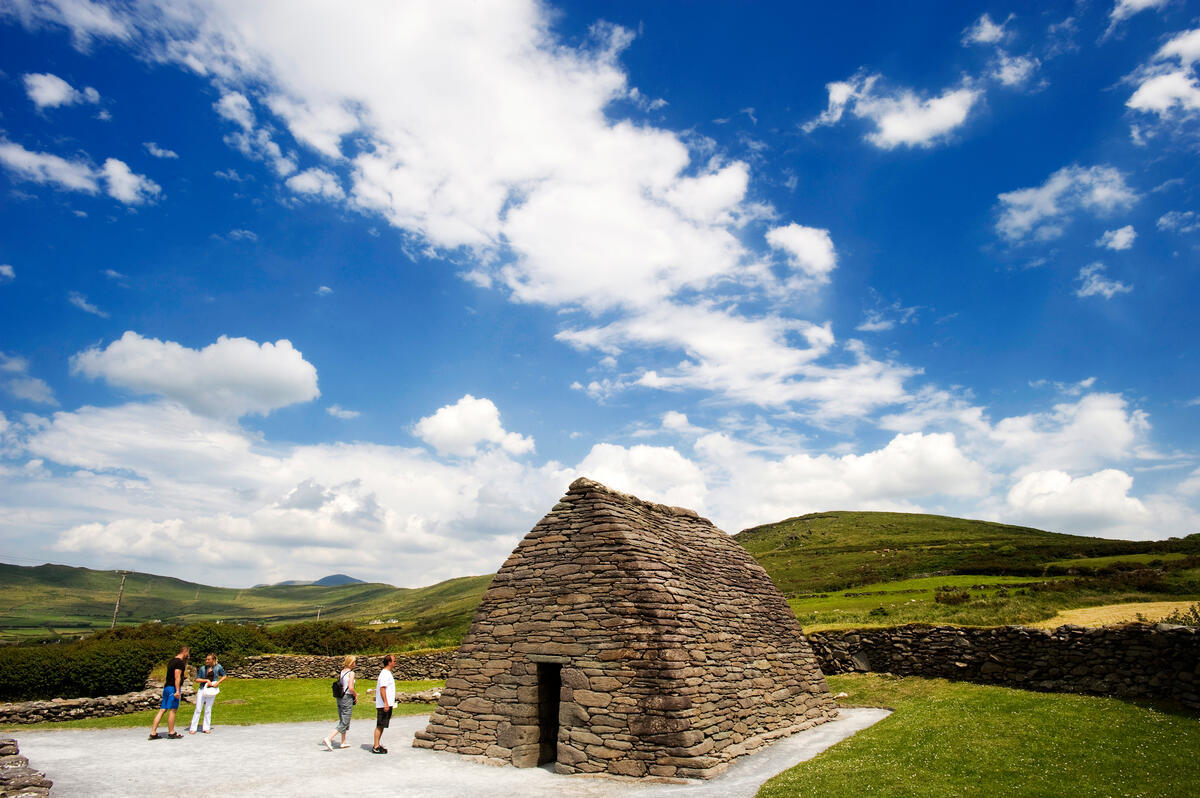
Sybil Headland (Irish: Ceann Sibéal) crowns the north‑eastern tip of the Dingle Peninsula in County Kerry. The sheer cliffs plunge more than 260 m into the Atlantic, while the headland’s highest point, Sybil Point, rises to 206 m (676 ft) above sea level (grid reference Q314063). From the summit visitors can spot the Blasket Islands, the sweeping expanse of Smerwick Harbour, and on clear days the distant silhouettes of Mount Brandon and the Brandon Bay. The landscape is a patchwork of heather, broom, gorse and rugged stone, punctuated by the occasional seal or dolphin surfacing in the surf below. Access is free and the site is open every day, making it an ideal stop on any County Kerry coastal itinerary.
History & Mythology
Local folklore ties the headland to the tragic tale of King Lir, said to be buried nearby after being poisoned by his wife. The cliffs were used by ancient Irish warriors as a strategic lookout, scanning the horizon for incoming ships. During the Napoleonic era a modest stone observation post was erected on the summit; most of the surviving structure dates from its World War II reinforcement, giving the derelict tower its distinctive rust‑coloured silhouette. The post still stands and serves as a historic marker for vessels navigating Blasket Sound.
The Blasket Islands, visible from Sybil Point, were inhabited until the early 1950s; the last permanent residents left in 1953/4, leaving the islands to become a wildlife sanctuary and cultural heritage site.
The most recent chapter of the headland’s story is the 1985 wreck of the fishing vessel FV Tónaí. Its rusted hull lies scattered on the shingle beach below and becomes visible at low tide, offering a tangible link to the Atlantic’s power and a striking photographic subject.
Walking & Trails
The headland is a highlight of the Three Sisters 12 km loop, which links Sybil Point with the neighbouring peaks Binn Diarmada, Binn Bhan and Binn An Chalaidh. The circuit gains roughly 600 m of elevation and is typically completed in 3–4 hours, providing dramatic sea views and open heathland. Although the famous Dingle Way skirts the peninsula, it does not follow this coastal stretch, meaning walkers often have the cliffs virtually to themselves – a quiet, rewarding experience.
A short out‑and‑back from Ballyferriter (Baile an Fheirtéaraigh) brings you to the cliff edge in a few hours, while the longer Three Sisters loop can be combined with a detour over Conor Pass for an even more expansive day‑trip.
Observation Post & Photographic Vantage
The derelict stone‑base observation post at the summit provides a natural platform for photography. From here you can capture the Blasket Islands, Clogher Head, and, on clear days, the distant Mount Brandon. The tower’s silhouette also serves as a navigation marker for vessels transiting Blasket Sound. Sunrise casts a warm glow on the cliffs, while sunset highlights the rugged profile against the Atlantic sky – both moments are popular with photographers.
Wildlife & Flora
- Seabirds – Guillemots, razorbills and other cliff‑nesting species are common during the breeding season (late spring to early summer).
- Marine mammals – Grey seals are frequently seen basking on the rocks; dolphins are occasional visitors, especially in summer.
- Heathland plants – Heather, broom and low‑lying gorse colour the upland slopes, reaching peak brilliance in late summer.
Tide & Shipwreck
The rusted remains of FV Tónio are exposed on the shingle beach at low tide, roughly two hours before and after high water. Check local tide tables before planning a visit if you wish to see the wreck up close.
Nearby Accommodation
Self‑catering options such as a coastal cottage just five minutes from Ballyferriter offer a convenient base for exploring Sybil Headland and the surrounding Dingle Peninsula. These rentals typically provide sea‑view rooms where guests can watch the waves crash against the cliffs from the comfort of their own terrace.
Nearby Attractions
- The Three Sisters walk – Links Sybil Head with neighbouring peaks for broader coastal panoramas.
- Ferriter’s Cove – A sheltered bay a short detour away, perfect for a quiet picnic.
- Ceann Sibeal Dingle Links Golf Club – Provides a unique cliff‑side golfing experience just beyond the headland.
Practical Information
| Item | Details |
|---|---|
| Opening hours | Open daily – no formal opening or closing times. |
| Admission | Free entry. |
| Access | Reachable via a gravel dead‑end road off the R559 near Ballyferriter. A small parking area at the trailhead provides limited spaces; arrive early in peak season. |
| Facilities | No permanent facilities on the headland; nearby villages (Ballyferriter, Annascaul) offer cafés, toilets and accommodation. |
| Best time to visit | Late spring to early autumn for wildflower colour and good weather; low tide for viewing the FV Tónaí wreck; sunrise or sunset for photography. |
| Safety notes | The cliff edge is unfenced; sturdy footwear and caution in wet or windy conditions are advised. |
| Tide information | The wreck of FV Tónaí is visible at low tide – consult a tide table for the exact times. |
Enjoy the raw beauty, layered history and abundant wildlife of Sybil Headland – a true highlight of the Dingle Peninsula.