
Overview
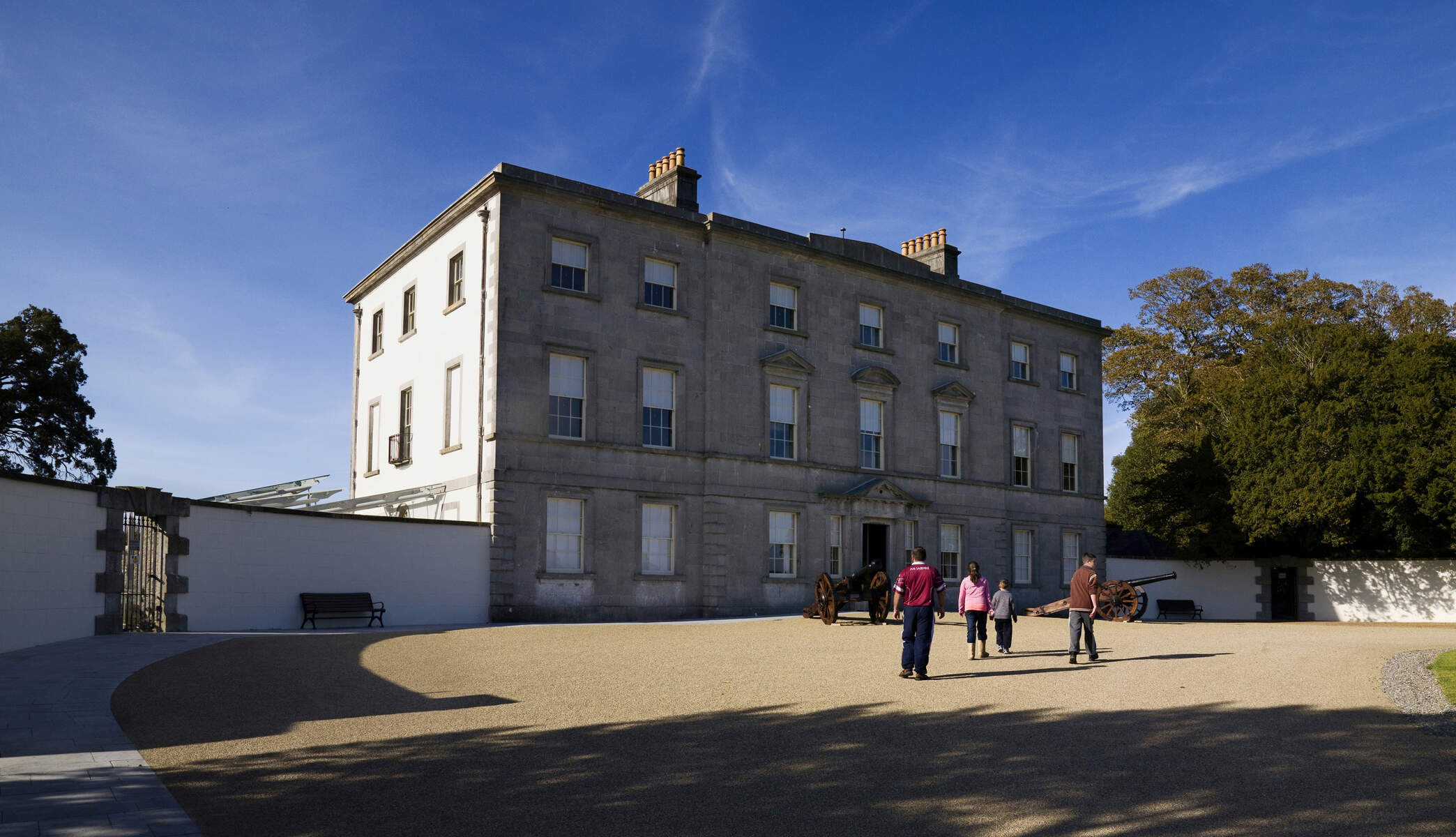
The Boyne Valley stretches across County Meath and the southern part of County Louth, following the winding course of the River Boyne. It is a cultural heartland where myth, archaeology and living heritage intersect. Visitors can experience UNESCO World Heritage sites, Anglo‑Norman castles, early‑Christian high crosses, and a lively towns‑and‑villages scene that showcases Ireland’s food, music and craft traditions. The region is easily reachable from Dublin (about 30 minutes by car) and is well‑served by public transport, making it a perfect day‑trip or a relaxed two‑day escape.
History
Archaeological evidence shows that people have inhabited the Boyne Valley for over 9,000 years. The most iconic legacy is the Neolithic passage‑tomb complex of Brú na Bóinne, comprising Newgrange, Knowth and Dowth. Built around 3,200 BC, these monuments pre‑date Stonehenge and the Egyptian pyramids and were likely used as ceremonial temples aligned with solar events.
In the Iron Age the hill of Hill of Tara became the ceremonial seat of the High Kings of Ireland, a place of mythic coronations and the legendary Lia Fáil stone. The early Christian period left a wealth of high crosses and monastic sites, such as Kells, Monasterboice and Old Mellifont Abbey. The Normans added imposing stone fortifications, the most famous being Trim Castle, the largest Anglo‑Norman castle in Ireland, later immortalised in the film Braveheart. The valley’s later history is marked by the 1690 Battle of the Boyne, a decisive clash between William III and James II that still shapes Irish cultural memory.
What to See & Do
Brú na Bóinne (Newgrange & Knowth)
The visitor centre on the south side of the Boyne is the gateway to Newgrange and Knowth. Guided tours are mandatory; tickets are sold online and on a strict 30‑day advance schedule during the high season. The tour lasts about three hours and includes a walk through the 19‑metre passage of Newgrange, where a roof‑box channels the winter‑solstice sunrise into the inner chamber. Knowth boasts the largest collection of Neolithic art in Europe, with over 200 carved stones decorating its mound.
Hill of Tara
Just a short drive from Trim, the Hill of Tara offers panoramic views over the surrounding countryside and a series of ancient earthworks, burial mounds and the famous Stone of Destiny (Lia Fáil). The visitor centre operates seasonally (May‑September, 10 am‑6 pm) and provides a short film that contextualises the site’s mythic past.
Trim Castle
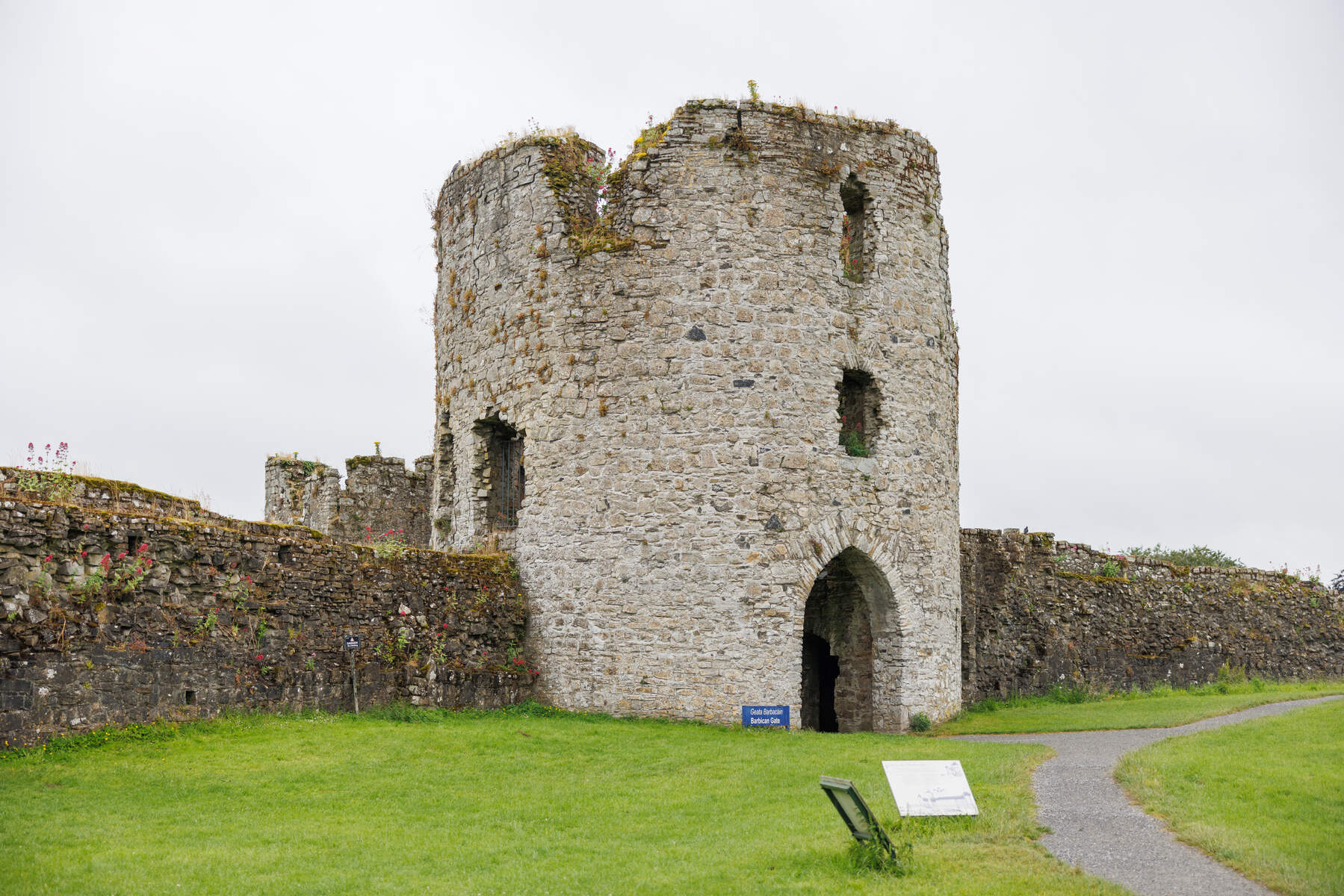
Ireland’s largest Norman fortress dominates the town of Trim. The castle’s keep and curtain walls are free to explore, while guided tours (€5 adult, €4 senior, €3 child) run daily from mid‑February to the end of October. The surrounding Heritage Town of Trim is perfect for a riverside stroll, with medieval ruins, the Sheep Gate and the remains of St Mary’s Abbey.
Loughcrew Cairns
Perched on a hilltop near Oldcastle, the Loughcrew Cairns are a quieter alternative to Brú na Bóinne. Cairn T aligns with the equinox sunrise, illuminating its interior carvings. The site is free, with a modest car park at the base of the hill. The climb is steep, rewarding visitors with sweeping views across Meath and beyond.
Kells High Crosses
The town of Kells houses four 9th‑12th‑century high crosses, the most famous being the South Cross in St Columba’s churchyard. Admission is free; on‑street parking is pay‑on‑display. Nearby the Spire of Lloyd, Ireland’s only inland lighthouse, opens to the public on Bank‑Holiday Mondays.
Old Mellifont Abbey
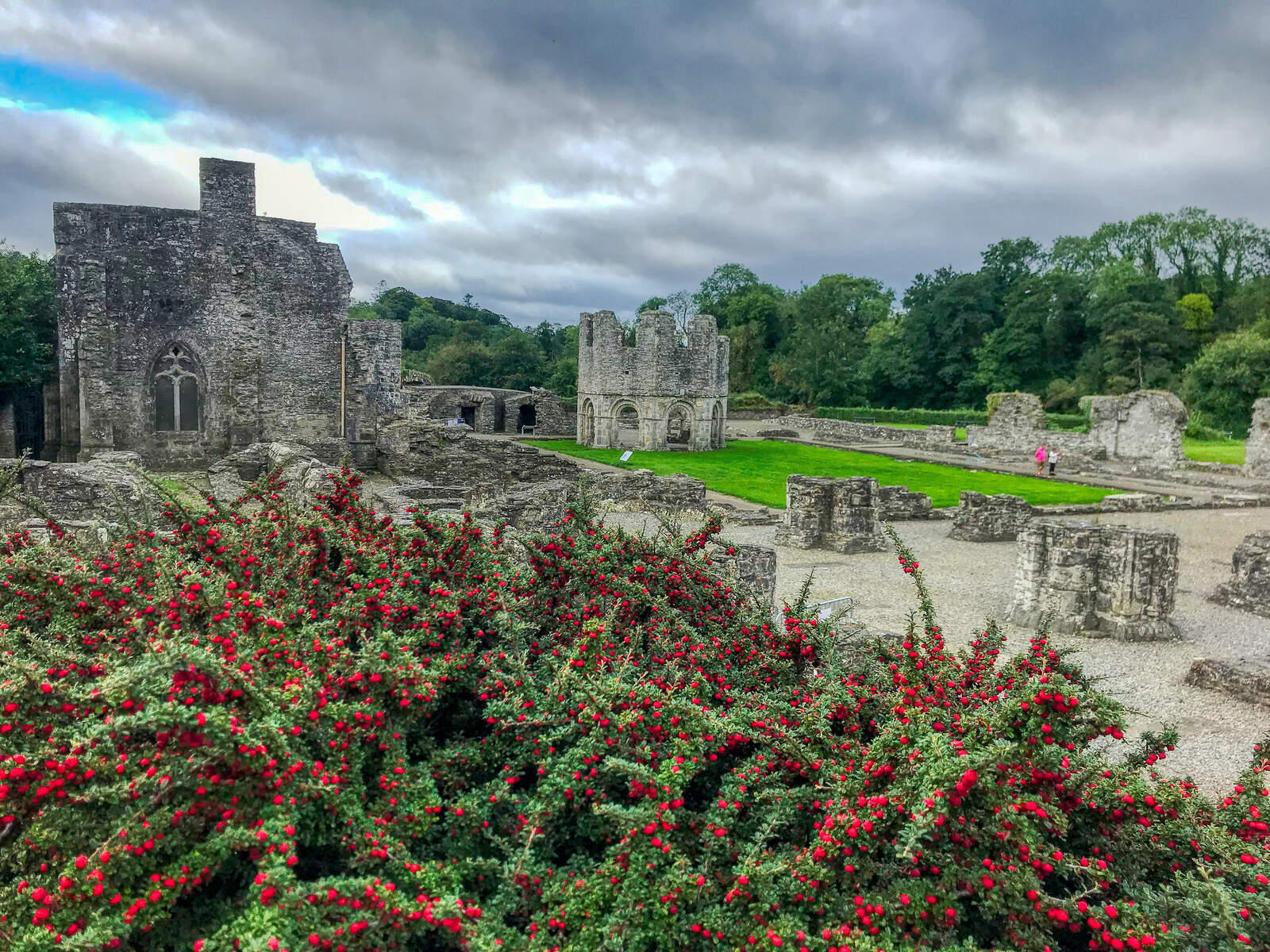
Founded in 1142, Mellifont was Ireland’s first Cistercian monastery. The grounds are open year‑round, while the visitor centre (May‑September, 10 am‑5 pm) charges €5 adult, €4 senior, €3 child, free under 12. The site is free to explore outside the centre hours.
Monasterboice
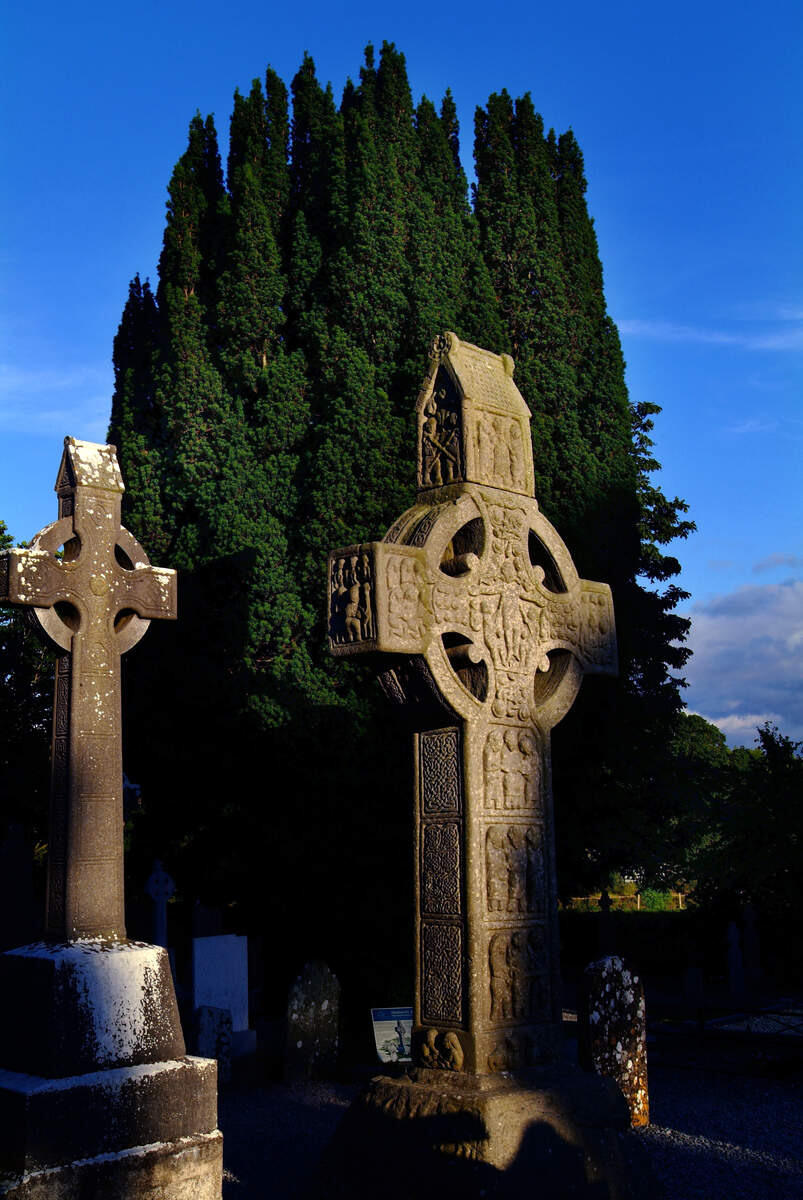
A short drive from Mellifont, Monasterboice boasts the towering 7‑metre West Cross and the 5.5‑metre Muiredach’s High Cross, both richly carved with biblical scenes. The round tower and early‑Christian church ruins are free to visit.
Battle of the Boyne Visitor Centre
Located at Oldbridge Estate near Drogheda, the centre offers interactive exhibits, a short film and a walled garden. Admission to the exhibition costs €5 adult, €4 senior, €3 child; the grounds and garden are free. The site is fully wheelchair accessible.
Drogheda Museum & Millmount Complex
Perched above the River Boyne, the museum showcases the town’s 800‑year history. Admission is €6 adult, €3 child/student/OAP, €12 family. The complex also houses craft shops, galleries and a café.
Practical Information
Getting there – The Boyne Valley sits at the hub of the M1, M2, M3 and M4 motorways, making it a 30‑minute drive from Dublin Airport and a 1½‑hour drive from Belfast International. Regular Dublin‑Drogheda train services stop at Laytown, Drogheda and Dunboyne, while frequent Bus Éireann routes connect Dublin with Drogheda and Navan.
Opening hours & fees – The table below summarises the main attractions:
| Site | Opening Hours (typical) | Admission (adult) | Notes |
|---|---|---|---|
| Brú na Bóinne Visitor Centre (Newgrange & Knowth) | Jan‑Dec: 9:00‑16:15 (Oct‑Dec) / 9:30‑16:45 (Feb‑Apr) / 9:00‑17:45 (May‑Aug) / 9:00‑17:15 (Sep) | €10‑18 (tour package) | Tickets sold online, max 14 per group |
| Hill of Tara Visitor Centre | May‑Sep: 10:00‑18:00 (closed winter) | Free (donations welcome) | Parking €2 per car |
| Trim Castle | Mid‑Feb to Oct daily; winter weekends only | Free (guided tour €5) | Pay‑on‑display car park €1/hr Mon‑Sat 9‑18 |
| Loughcrew Cairns | Open year‑round | Free | Free car park at hill base |
| Kells High Crosses | Open year‑round | Free | On‑street pay‑on‑display parking |
| Old Mellifont Abbey | Grounds open year‑round; Visitor Centre May‑Sep 10‑17 | €5 (centre) | Free to roam the ruins |
| Monasterboice | Open year‑round | Free | Free parking |
| Battle of the Boyne Visitor Centre | Year‑round 9:00‑17:00 | €5 (exhibition) | Free grounds, wheelchair accessible |
| Drogheda Museum | Mon‑Fri 9:00‑17:00 | €6 | Phone: +353 41 9833097 |
Accessibility – The Battle of the Boyne Visitor Centre and the Brú na Bóinne exhibition spaces are wheelchair friendly. Some ancient sites (e.g., the interior of Newgrange, the steep climb to Loughcrew) have limited accessibility due to historic stonework and uneven terrain.
Parking – Most major sites provide free or low‑cost car parks. Trim Castle and the Hill of Tara charge modest fees; larger towns such such as Drogheda and Kells rely on on‑street pay‑on‑display spaces.
Accommodation – Popular bases include the boutique Bellinter House Hotel & Spa (Co Meath), the historic Station House Hotel in Trim, and a range of B&Bs in Kells, Slane and Drogheda. All are within a short drive of the valley’s key attractions.
Food & Drink – The Boyne Valley is a food lover’s playground. Sample fresh seafood at The Glyde Inn in Annagassan, enjoy artisan cheese at Sheridan’s Cheesemongers, or savour a whiskey tasting at Slane Distillery. Many towns boast cosy cafés and gastro‑pubs that showcase locally sourced produce.
Seasonal highlights – December brings the winter‑solstice illumination at Newgrange (lottery‑limited). May hosts the Boyne Valley Viking Experience at Slane Castle, while October’s Púca Festival celebrates Celtic Halloween traditions. Summer visitors can enjoy the Laytown Races – Europe’s only beach horse‑racing event.
Planning your visit – Because Brú na Bóinne tickets sell out quickly, book at least 30 days in advance for the summer months (7 days in winter). Smaller sites such as Loughcrew and Monasterboice are open without reservation, though peak‑season crowds can cause short waits.
The Boyne Valley packs millennia of story into a compact, accessible landscape. Whether you’re tracing the sunrise beam at Newgrange, walking the royal path up Tara, or sipping a dram of Irish whiskey beside a medieval castle, the valley offers a timeless adventure for history buffs, families and outdoor enthusiasts alike.