Overview
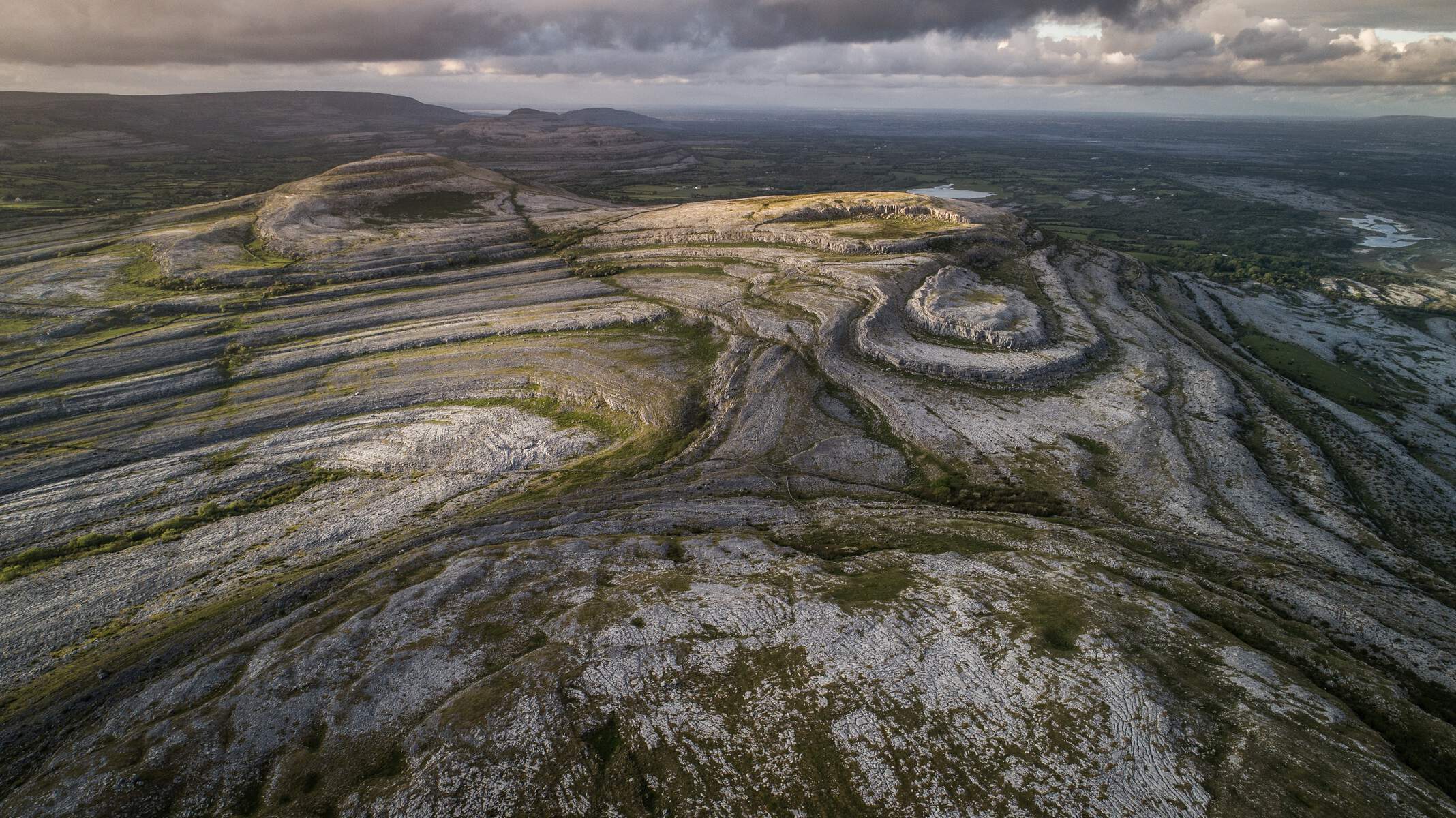
The Burren National Park sits on the west coast of County Clare, forming a tiny but spectacular core of the wider Burren region. Covering roughly 1,500 hectares (15 sq km), it is the smallest of Ireland’s six national parks yet boasts a landscape that feels otherworldly. Grey limestone pavements riddled with deep fissures – called grikes – create a mosaic where Arctic‑alpine plants grow side‑by‑side with Mediterranean species, giving the park its reputation as a botanical hotspot.
History & Geology
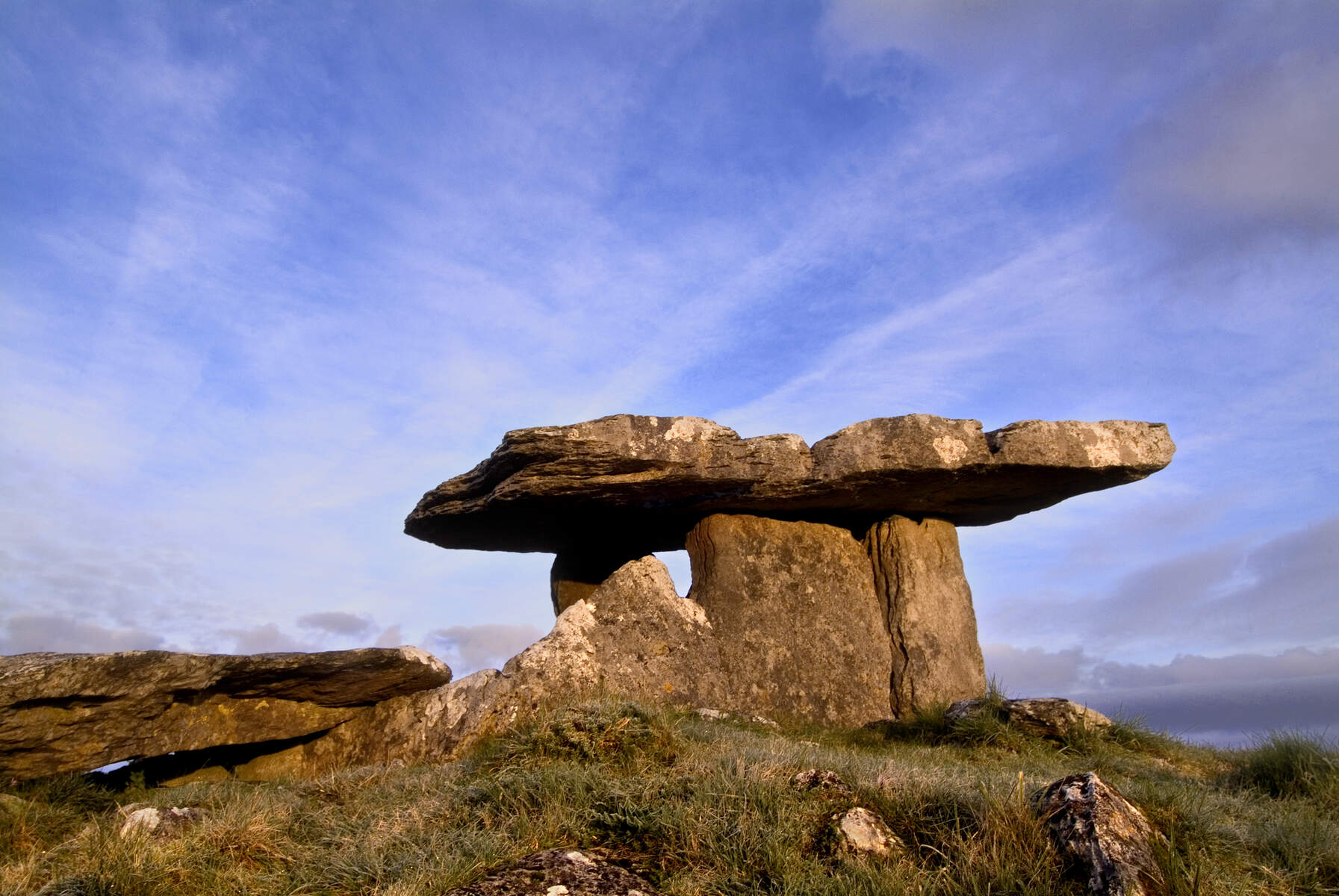
Formed over 325 million years ago when a tropical sea covered the area, the Burren’s limestone was later sculpted by glaciers and slow chemical erosion. The resulting karst terrain features clints (flat stone slabs) and grikes that shelter a surprising diversity of flora. Human presence dates back 33,000 years, with Neolithic settlers carving stone walls and portal tombs into the landscape. Notable archaeological finds include the Poulnabrone Dolmen, a well‑preserved portal tomb dating to 3,800‑3,200 BC, and the Gleninsheen gorget, a Bronze Age gold ornament that hints at ancient trade routes.
What to See & Do
| Feature | Highlights |
|---|---|
| Flora | Over 70 % of Ireland’s flower species, including 23 orchid species such as the Irish orchid and spring gentian. |
| Fauna | Badgers, pine martens, stoats, butterflies, and a variety of birdlife thrive among the limestone grasslands. |
| Geology | Limestone pavements, grikes, underground caves (e.g., Doolin Cave with Europe’s longest stalactite – 7.3 m). |
| Archaeology | **Poulnabrone Dolmen, [Caherconnell Stone Fort], Corcomroe Abbey, and numerous ring forts scattered across the park. |
| Recreation | Over 70 km of marked walking trails, ranging from short loops to the long‑distance Burren Way. Guided tours are available to deepen understanding of the park’s natural and cultural heritage. |
Walking & Hiking
The park’s trail network caters to all abilities. Popular routes include the Black Head Loop (2 hours, 8 km) and sections of the Burren Way, which winds through limestone pavements, grasslands and dramatic coastal vistas. Self‑guided hiking tours are offered, and several local operators run expert‑led walks that explain the geology, flora and archaeological sites along the way.
Key Attractions
- Poulnabrone Dolmen – a striking Neolithic portal tomb near Ballyvaughan.
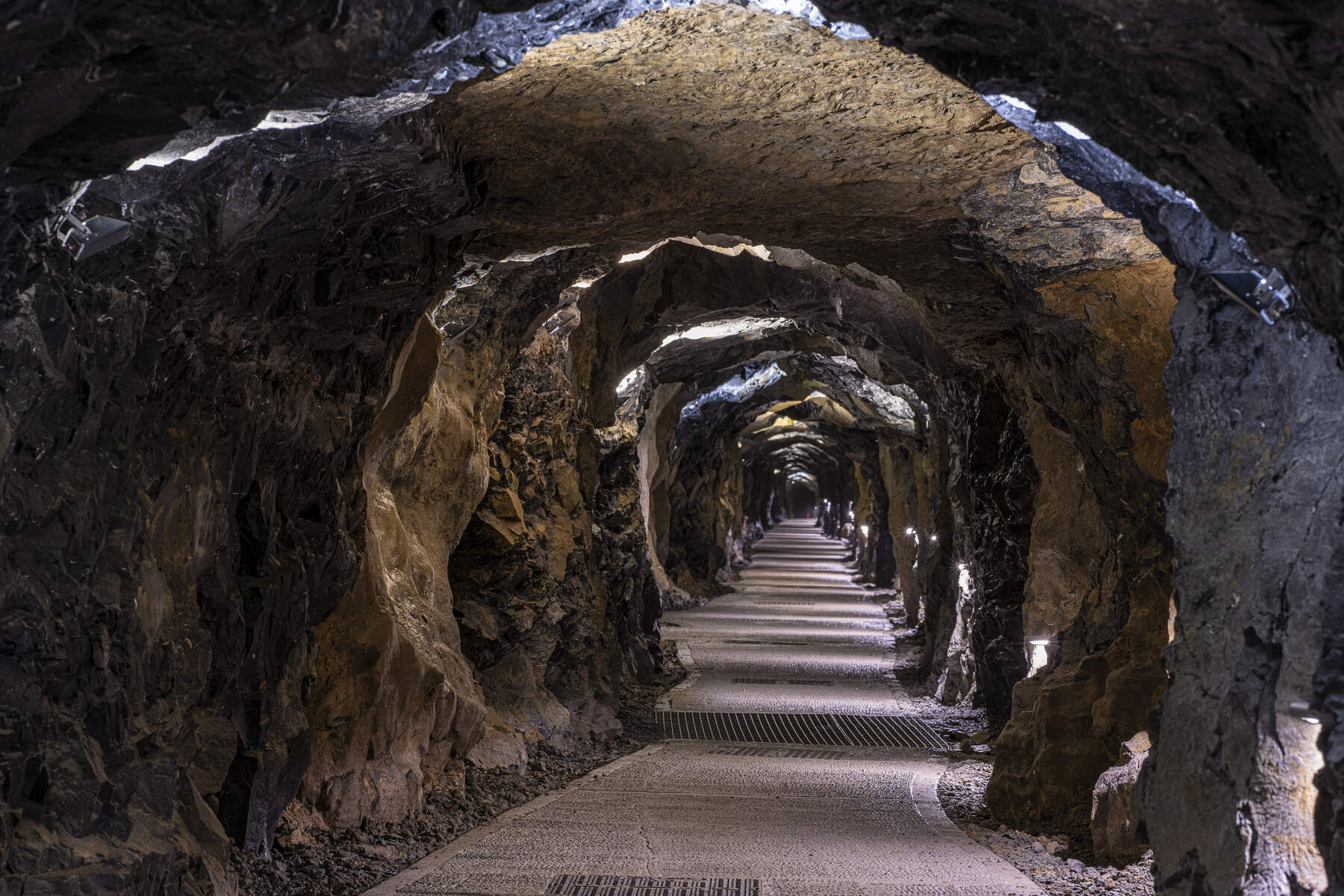
- Aillwee Caves – 1.5 million‑year‑old caves with stalactites, an underground waterfall and a bird‑of‑prey centre.
- Doolin Cave – home to the massive Great Stalactite, a 7.3 m limestone column.
- Fanore Beach – a Blue Flag sandy beach popular for surfing and coastal walks.
- Caherconnell Stone Fort – a 1,000‑year‑old ring fort with live sheep‑dog demonstrations.
- The Burren Perfumery – artisan‑crafted cosmetics made from local botanicals.
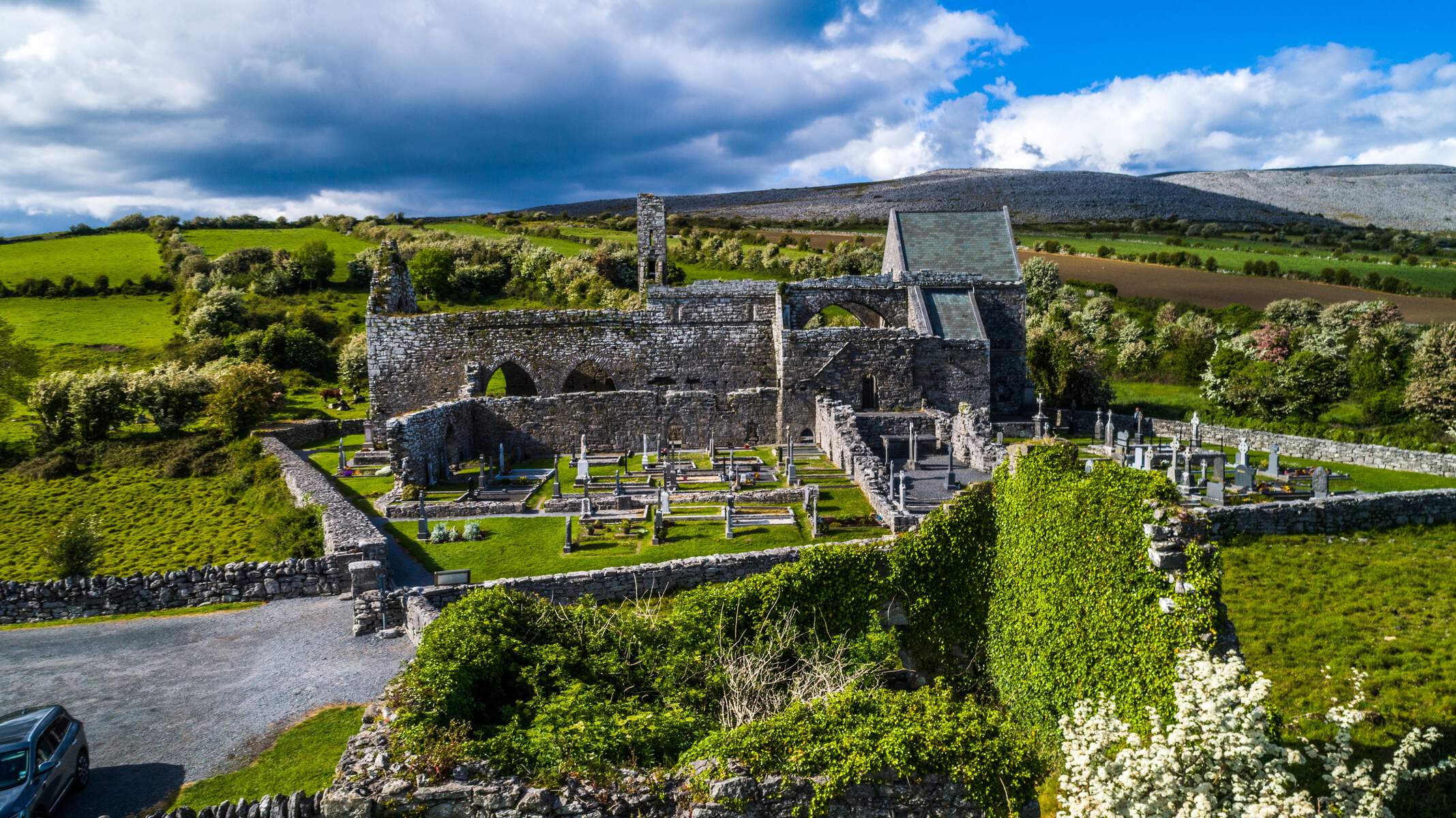
- Corcomroe Abbey – 13th‑century Cistercian ruins with intricate stone carvings.
Practical Information
The park is easily accessed via the N67 road, with Ballyvaughan and Doolin serving as convenient base towns. Public transport options include Bus Éireann routes that stop in Ballyvaughan; however, a car provides the most flexibility for exploring the scattered attractions.
Visiting the park does not require an entry fee; the landscape is open to the public year‑round. While the park itself does not operate a visitor centre with set opening hours, most trailheads and nearby attractions (e.g., Aillwee Caves, Doolin Cave) have their own seasonal opening times, typically from early spring to late autumn.
For those who prefer a structured experience, guided tours can be booked through local operators or via the park’s official website. These tours often include transportation from nearby towns, interpretive talks on the karst environment, and visits to archaeological sites.
Key facts:
- Highest point: Knocknanes Hill – 207 m above sea level.
- Area: 1,500 ha (15 sq km).
- Geological age: 325 million years.
- Floral diversity: Over 70 % of Ireland’s wildflower species, including 23 orchid species.
Getting there: Fly into Shannon Airport (SNN) or Ennis Airport (ENI) and rent a car for a 45‑minute drive to the park. The route follows well‑signed signs for the Wild Atlantic Way, of which the Burren is a celebrated segment.
Nearby amenities: The villages of Ballyvaughan, Doolin, Lisdoonvarna, and Kilfenora offer a range of accommodation, cafés and pubs where you can sample local seafood and traditional Irish music.
Useful links:
- Official park guide: The Irish Road Trip – Burren National Park
- National Parks Service: Burren National Park (nationalparks.ie)
- Walking routes: Burren Walks Guide
Whether you’re chasing rare orchids, tracing ancient stone monuments, or simply soaking in the stark beauty of limestone cliffs, The Burren National Park offers a uniquely Irish adventure that feels both timeless and exhilarating.