Overview
Thomas Street is one of Dublin’s most characterful thoroughfares, winding through the historic Liberties neighbourhood in the city centre. Stretching from Cornmarket on the north side to the iconic Guinness Storehouse on the south, the street forms a lively spine that connects two of Dublin’s biggest tourist magnets – Christchurch Cathedral and the Guinness Storehouse – while offering its own distinct blend of history, food, and culture.
The street is a rare example of a Dublin road where street trading is still legally permitted, a tradition that dates back to the market‑day stalls of the 19th century and continues to give Thomas Street its bustling, almost festival‑like atmosphere.
History
The name Thomas Street derives from the Augustinian Abbey of St Thomas the Martyr, founded in 1177 by William FitzAldelm, a deputy of King Henry II. The abbey was dedicated to Thomas Becket, the martyred Archbishop of Canterbury, and quickly became a powerful institution that controlled the Liberty of Thomas Court and Donore. In 1539 the abbey was dissolved under Henry VIII, and its lands passed to the Earl of Meath, who held the Liberty for the next 150 years.
Thomas Street’s political significance resurfaced in 1803 when it became the scene of the Robert Emmet uprising. Lord Kilwarden was killed in the street, and many of the rioters were local residents. The street’s association with Irish nationalism continued into the 20th century; Patrick Lynch, a participant in the 1916 Easter Rising, lived at number 29.
Architecturally, the street showcases a mix of periods. Notable buildings include the 1640s 130 Thomas Street – the oldest surviving house in Dublin – and John’s Lane Church, which boasts the city’s highest steeple. The former fire station, built in 1909 and renovated in 2008, now houses the National College of Art and Design (NCAD), linking the street’s industrial past with its contemporary creative pulse.
What to See & Do
Food & Drink
Thomas Street has undergone a culinary renaissance. The flagship is Variety Jones, a Michelin‑starred restaurant that opened five years ago and has become a destination for food lovers seeking inventive Irish cuisine. Adjacent to the restaurant, the Thomas House Pub offers a relaxed setting for a pint, while the traditional Kennedy’s remains the only long‑standing pub on the street, serving classic Irish dishes throughout the day. Newer venues such as Love Tempo and Dudleys add contemporary flair to the bar scene.
The street’s market stalls still thrive, offering everything from fresh produce to homemade sausage rolls. A popular Walking Food Tour led by Kevin Adams introduces visitors to local staples, weaving culinary anecdotes with the street’s history.
Music & Nightlife
Live music is a staple of Thomas Street. Vicar Street, one of Dublin’s premier music venues, hosts international acts and intimate gigs. Smaller spots like Thomas House Pub and Arthur’s Jazz & Blues Club provide a more low‑key atmosphere for locals and tourists alike.
Culture & Education
The National College of Art and Design occupies the former fire station, contributing a youthful creative energy. John’s Lane Church, with its soaring spire, is a striking landmark and offers occasional choral performances. The street also leads directly to the Guinness Storehouse, where visitors can learn about Ireland’s most famous stout.
Walking Tours
For a deeper dive, the Dublin Decoded walking tour starts at the small park beside the medieval Saint Audoen’s Church. Over 1.5‑2 hours, guide Arran Henderson points out more than a dozen historic buildings, the new park created from the Bridgefoot Street development, a former prison, and other architectural gems. Tickets cost €10 (half‑price for festival partners) and include a mini audio kit. The tour is suitable for adults and teenagers (accompanied), but the length and detailed commentary make it less appropriate for children under 13.
Green Spaces
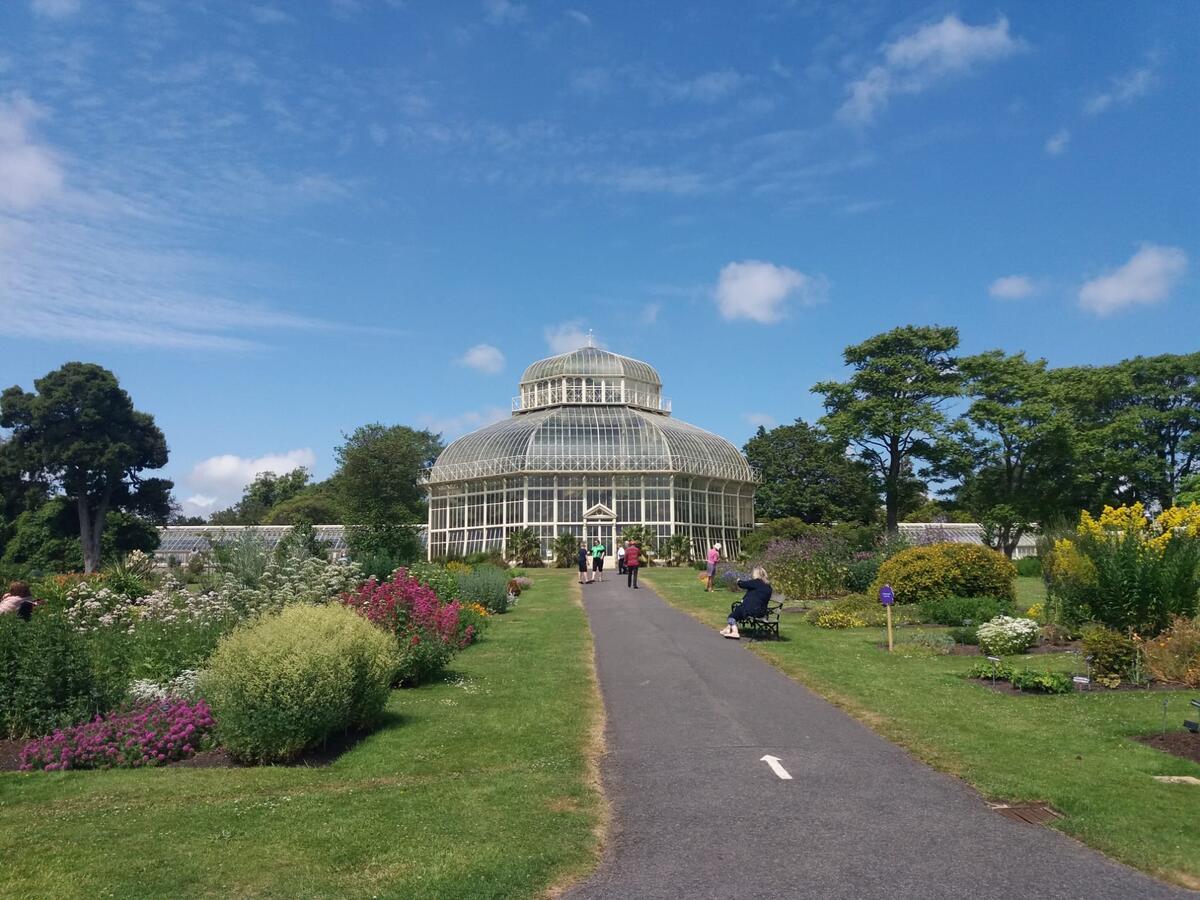
Recent regeneration has addressed the Liberties’ historic lack of green space. A new park area, created as part of the Bridgefoot Street housing development, now offers allotments and a small lawn for locals and visitors – a welcome contrast to the street’s dense urban fabric.
Annual Events & Markets
Thomas Street retains its legal right to host street traders, a privilege dating from the 19th‑century market‑day legislation. Market stalls operate daily, selling fresh fruit, vegetables, baked goods and artisanal crafts. Throughout the year the street hosts occasional pop‑up festivals – for example, the Liberties Food Festival in early summer and a St Patrick’s Day street performance series that fills the thoroughfare with traditional music and dance.
Nearby Attractions
While you’re on Thomas Street, consider a short walk to these neighbouring highlights:
- Christ Church Cathedral – a medieval cathedral just a few minutes’ walk north, offering guided tours and a historic crypt.
- Guinness Storehouse – at the southern end of the street, the world‑famous brewery experience with its Gravity Bar panorama.
- St. Audoen’s Church – Ireland’s oldest parish church, located beside the starting point of the Dublin Decoded tour.
- Augustinian Abbey of St Thomas the Martyr – the medieval foundation that gave the street its name. Learn more at the dedicated page Augustinian Abbey of St Thomas the Martyr.
Practical Information
- Location & Access: Thomas Street runs north‑south between Cornmarket and the Guinness Storehouse, intersecting James’s Street. It is easily reachable on foot from Dublin’s city centre, or by public transport – Luas Red Line stops at Abbey Street and Heuston Station are a short walk away.
- Walking Tour Details: Meet at the park in front of Saint Audoen’s Church (Eircode D08 W99 H). The tour begins at 11:00 am on Saturdays (e.g., 10 May) and lasts 1.5‑2 hours. Participants should be reasonably fit; the route includes some curbs and gentle slopes.
- Accessibility: The street itself is paved and generally wheelchair‑accessible, but the historic buildings and the walking‑tour route feature uneven surfaces and occasional steps. Visitors with limited mobility may find the walking tour challenging.
- Opening Hours: Individual venues have their own hours. Most cafés and restaurants open from 08:00 – 22:00, while bars such as Kennedy’s stay open later on weekends. The Guinness Storehouse operates from 10:00 – 19:00 (last entry 18:00).
- Admission: Access to the street is free. Admission fees apply to specific attractions (e.g., Guinness Storehouse, Vicar Street events, Variety Jones dining).
- Contact & Websites:
Venue Website Variety Jones varietyjones.ie Vicar Street vicarstreet.ie Thomas House Pub facebook.com/thomashousedublin Kennedy’s Pub facebook.com/pages/Tom-Kennedys-Bar/311274351080 NCAD (National College of Art & Design) ncad.ie - Safety: The street is lively day and night. While the area has historically faced social challenges, recent regeneration and increased police presence have made it a safe environment for visitors, especially in the well‑lit central sections.
Why Visit Thomas Street?
Thomas Street offers a micro‑cosm of Dublin’s evolution – from medieval abbey grounds to a 19th‑century market hub, through revolutionary upheavals, to a 21st‑century foodie and cultural hotspot. Whether you’re sampling a Michelin‑starred tasting menu, catching a live gig at Vicar Street, or simply strolling past historic façades while the market stalls buzz, the street delivers an authentic, layered Dublin experience that can’t be found on the more tourist‑heavy streets of Temple Bar.
Plan your visit, join a walking tour, and let Thomas Street’s past and present surprise you at every turn.